Quality Control Protects Your Brand
For toy importers, product quality directly affects customer reviews, retailer relationships, returns, compliance risk, and brand reputation. A low-priced toy that creates safety concerns or high return rates is rarely a good purchasing decision. This is why a professional toy factory quality control process should begin before mass production—not only at the final inspection stage.
Industry guidance recommends checking materials, monitoring production lines, conducting random inspections, and maintaining batch records for traceability.toptoyfactory+1
Incoming Material Inspection
The first quality-control checkpoint is incoming material inspection. This includes plastic resin, magnets, paint, screws, packaging boards, printed materials, and accessories.
For building blocks and magnetic toys, buyers should ask whether the factory checks:
- Plastic color consistency
- Magnet dimensions and strength
- Magnet enclosure components
- Surface smoothness
- Printed artwork accuracy
- Packaging material quality
- Carton strength
- Warning label compliance
Material reports should match the product and market. Buyers should not assume that a factory can use the same materials for all export destinations.
In-Line Production Checks
During-production inspections help discover defects early. If a problem is found when only 10–30% of the order is complete, the factory still has time to correct the process. Common checks include product assembly, color variation, missing pieces, poor magnet placement, scratches, warpage, packing errors, and incorrect barcodes.
A factory should have documented rejection bins, defect records, and corrective-action processes. These systems show that quality is measured and improved rather than handled casually.toptoyfactory
Final Random Inspection
Final random inspection is normally carried out after most goods are packed. Buyers commonly use an AQL standard to determine sample size and acceptable defect levels. AQL 2.5 for major defects and 4.0 for minor defects are common reference points in toy inspections, though buyers should define their own acceptable standards in the purchase order.toptoyfactory
The final inspection should check:
- Correct product quantity
- Correct colors and components
- Product function
- Appearance quality
- Packaging quality
- Barcode scanning
- Warning labels
- Master carton marks
- Carton drop resistance
- Random product measurements
Use Third-Party Inspection When Needed
For new suppliers, high-value orders, retailer programs, or compliance-sensitive products, third-party inspection can reduce risk. Inspection companies can visit the factory, take samples, check packing, measure products, and issue an independent report.
Buyers can also request factory audit reports, social compliance documentation, and current test reports. The best approach is to make inspection requirements part of the purchase agreement before production begins.squeezaa
Lione Toys Quality Commitment
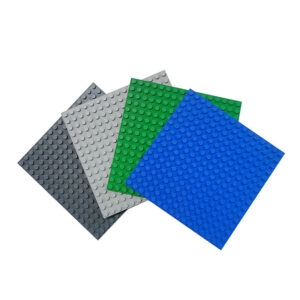
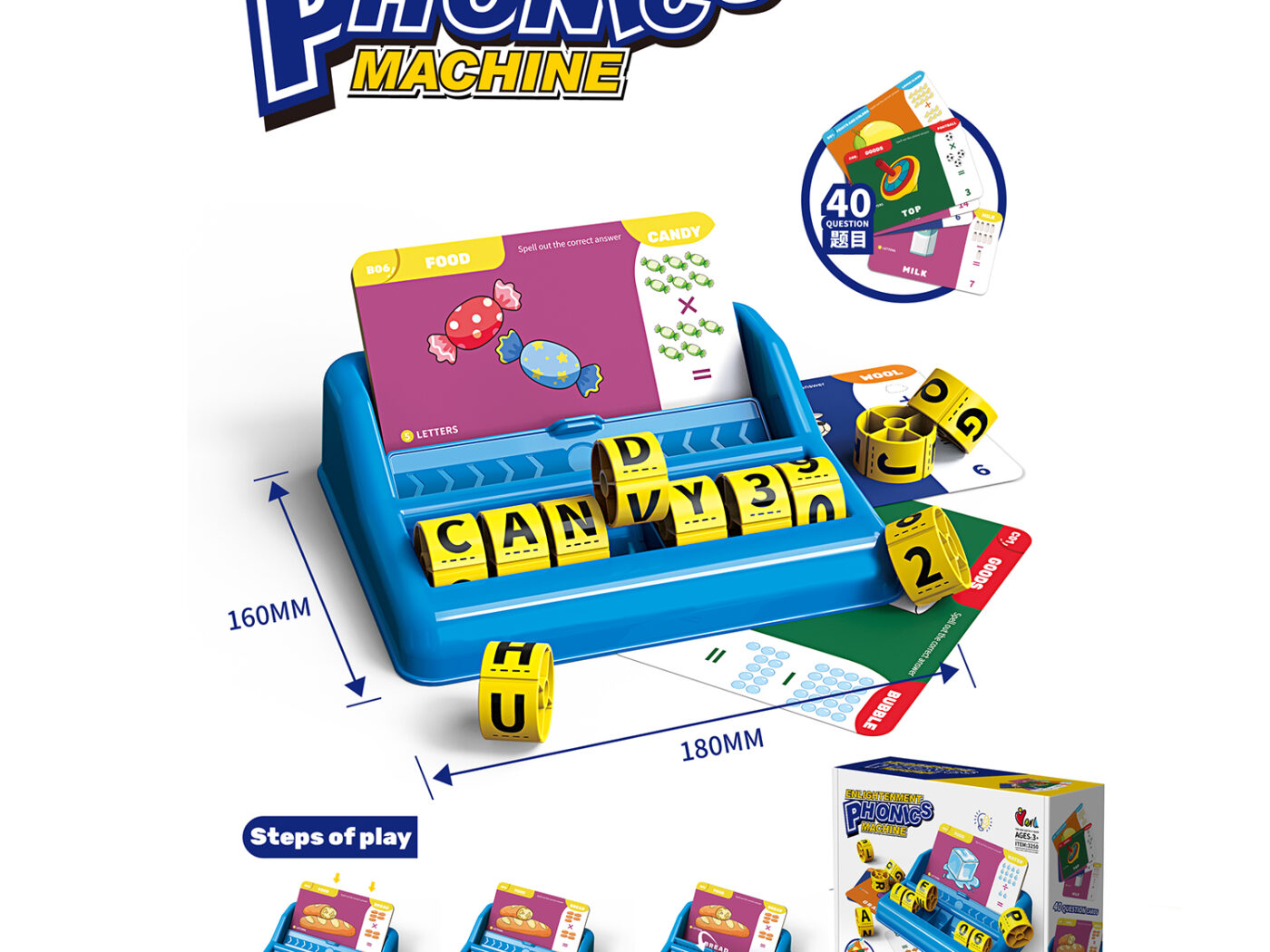
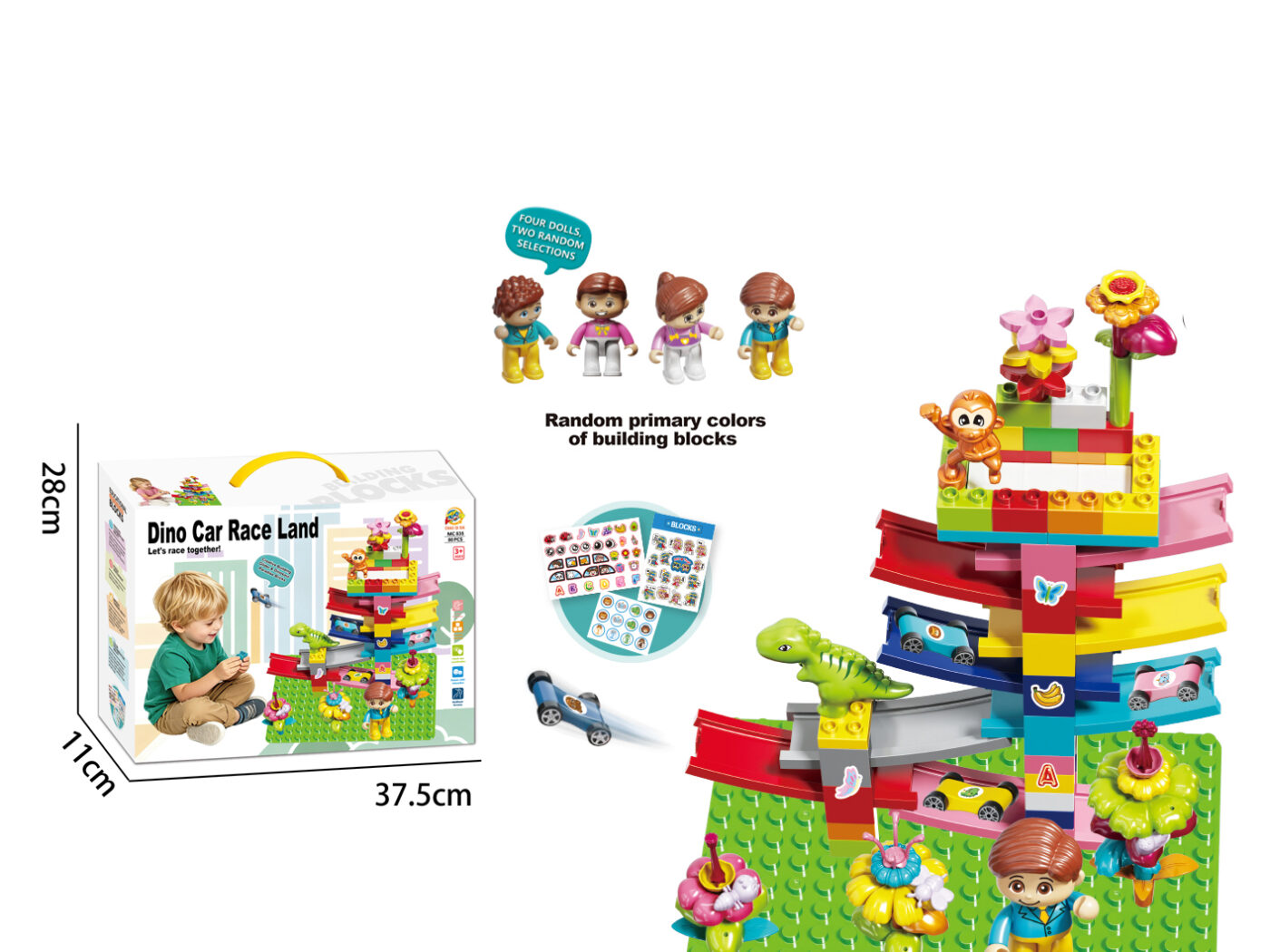
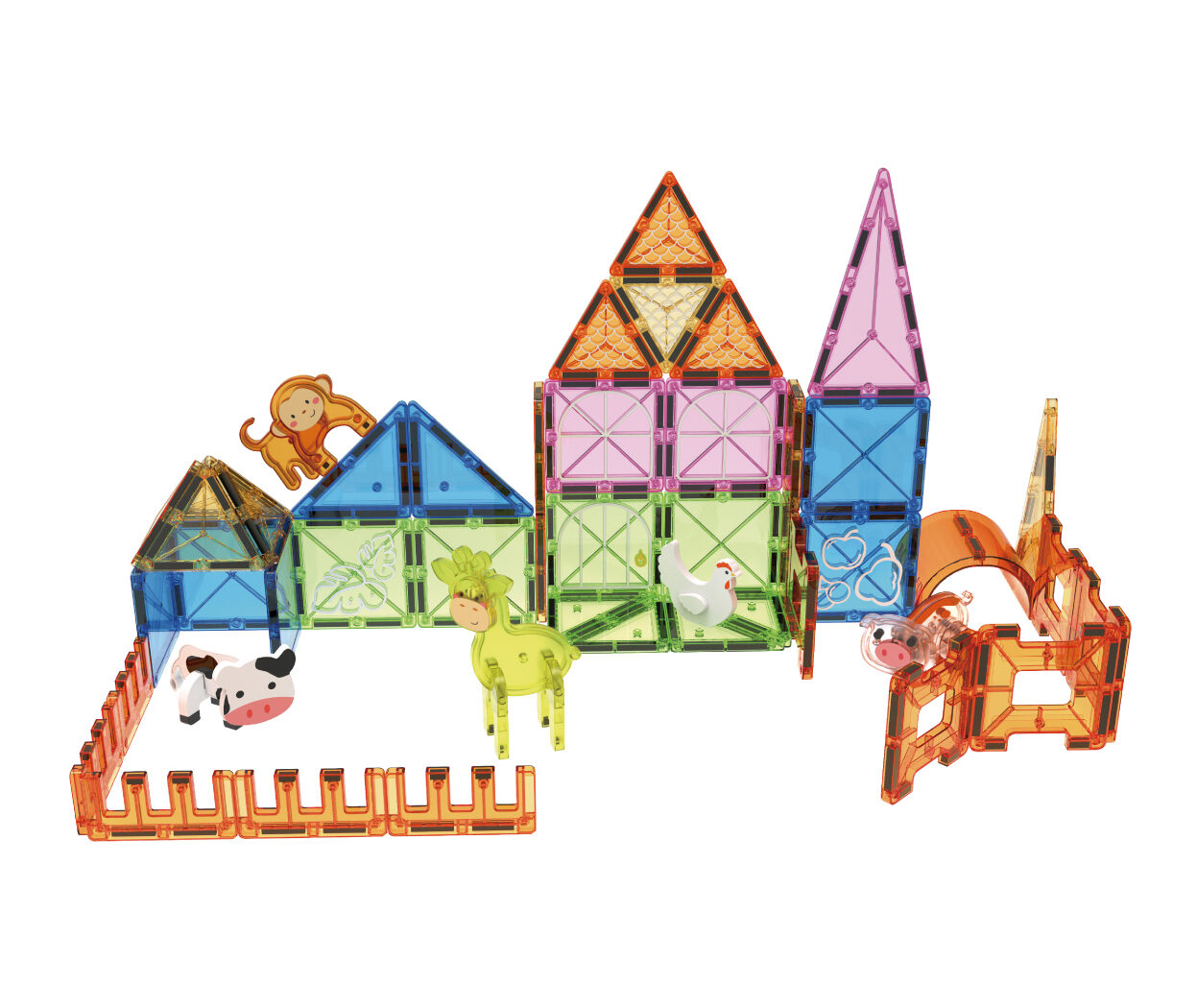
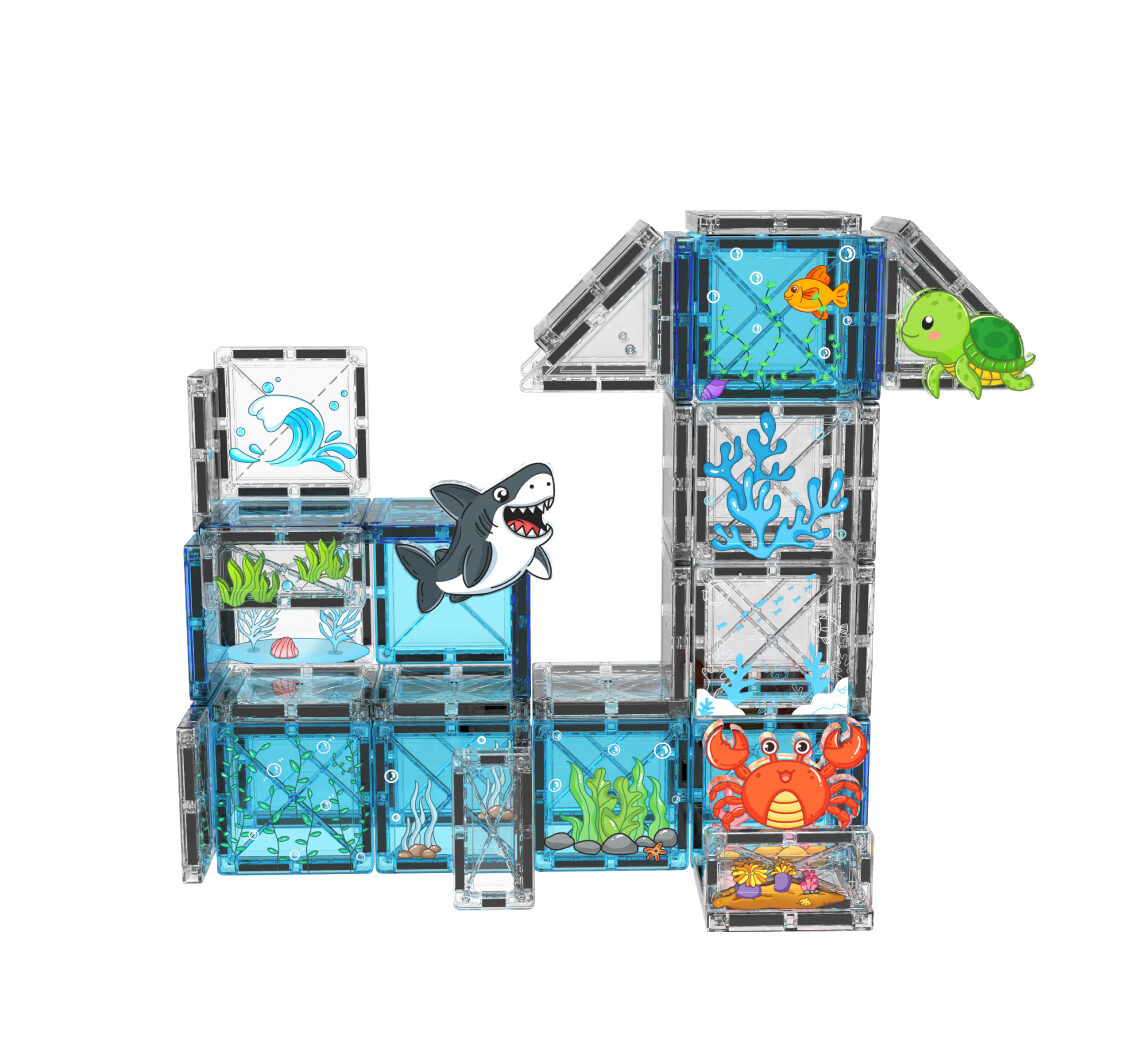
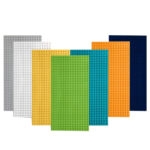
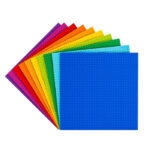
At Lione Toys, we manage quality through material verification, in-line production checks, finished-product inspection, and export packing control. Our goal is to help buyers receive consistent magnetic blocks, compatible bricks, base plates, board games, and STEM toys that meet agreed specifications.
For product catalogues, testing support, and customized quality requirements, visit www.lionetoys.com.