






Introduction
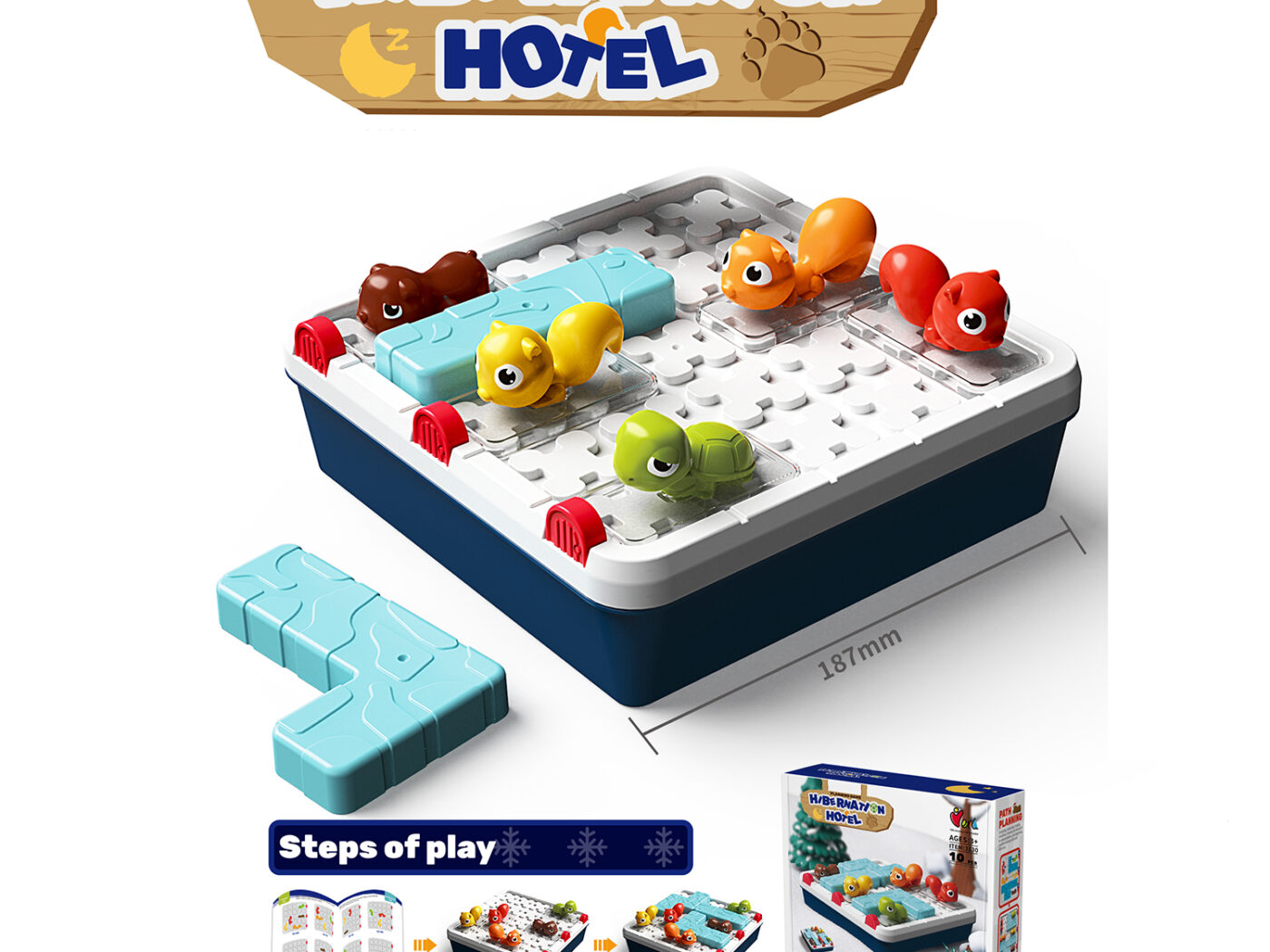
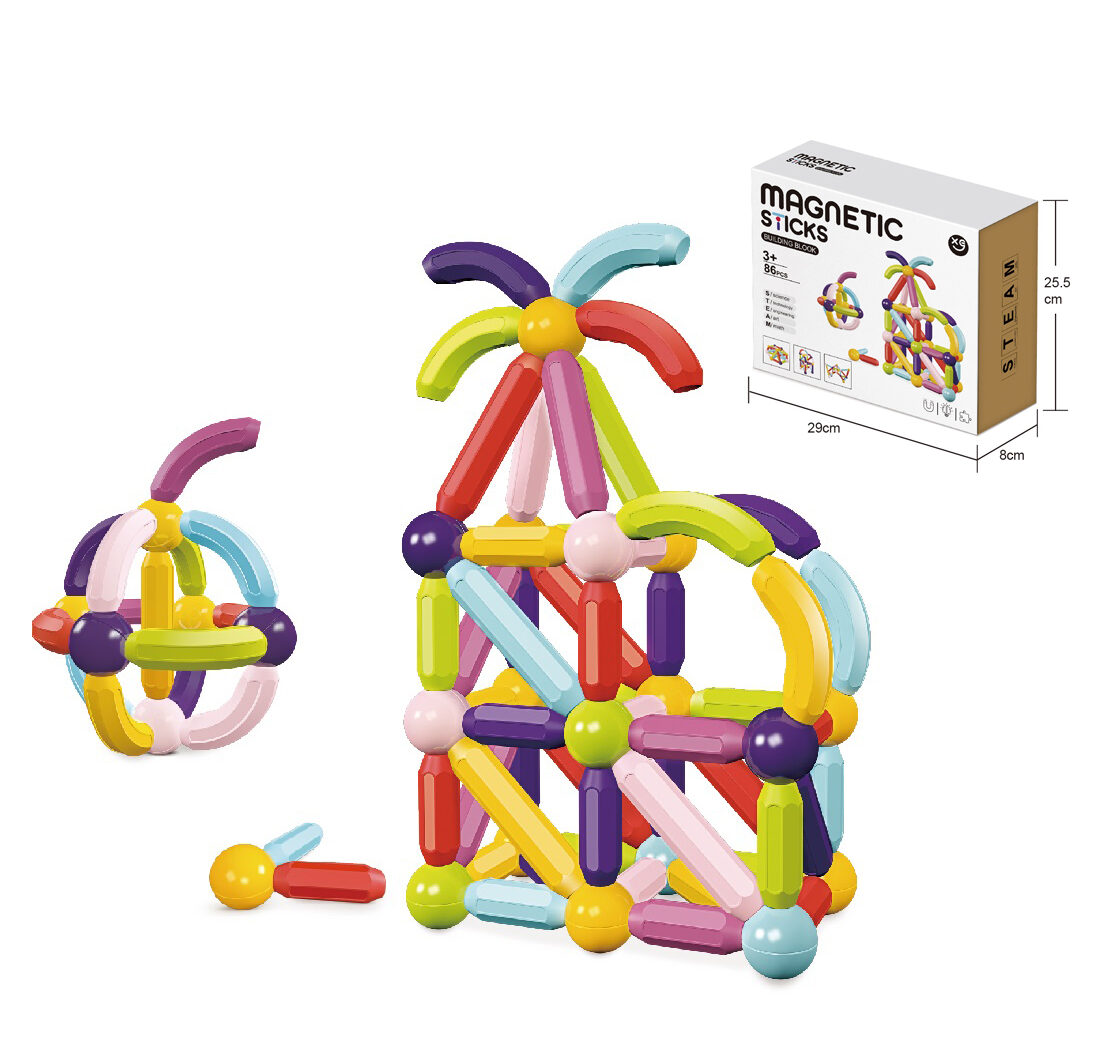
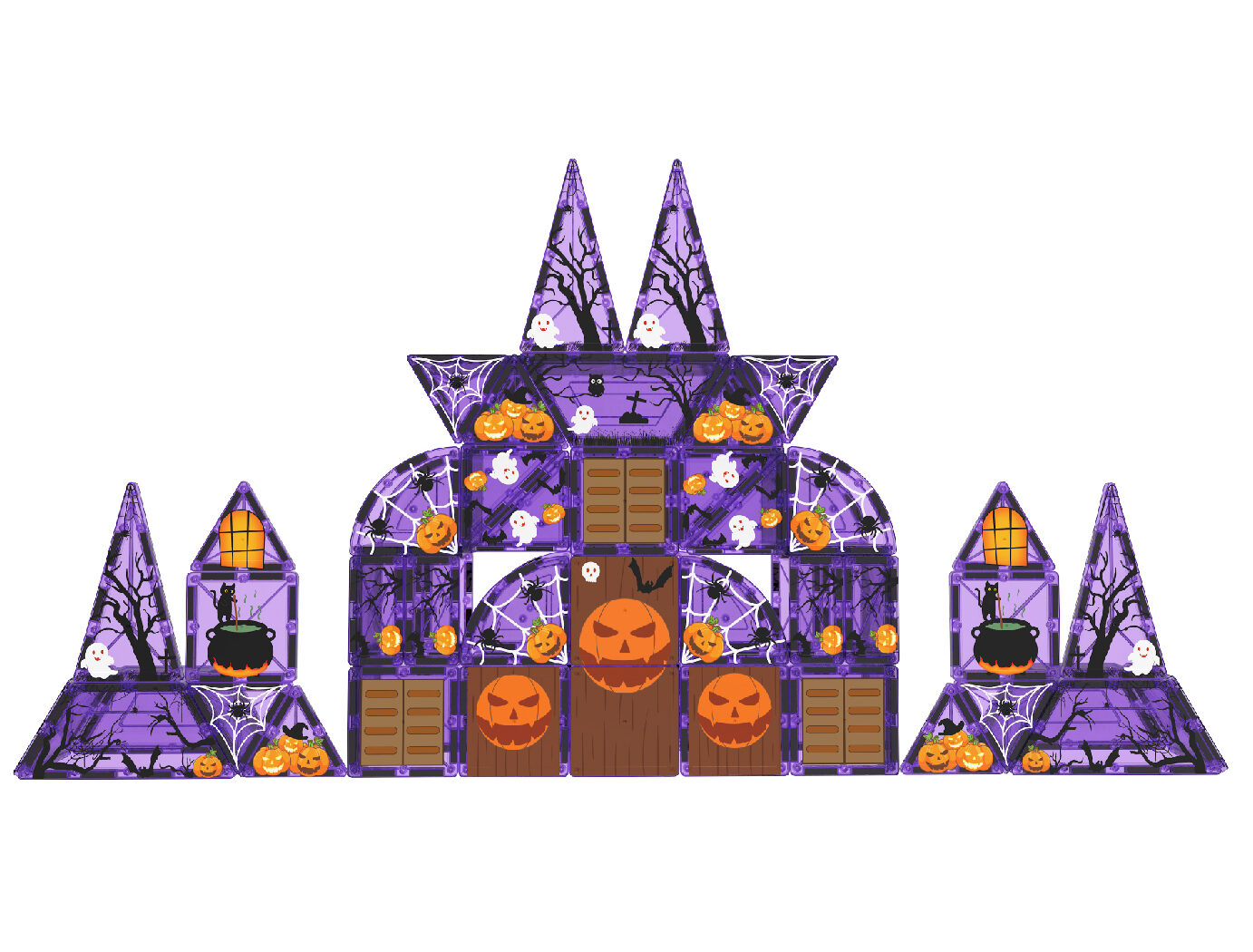
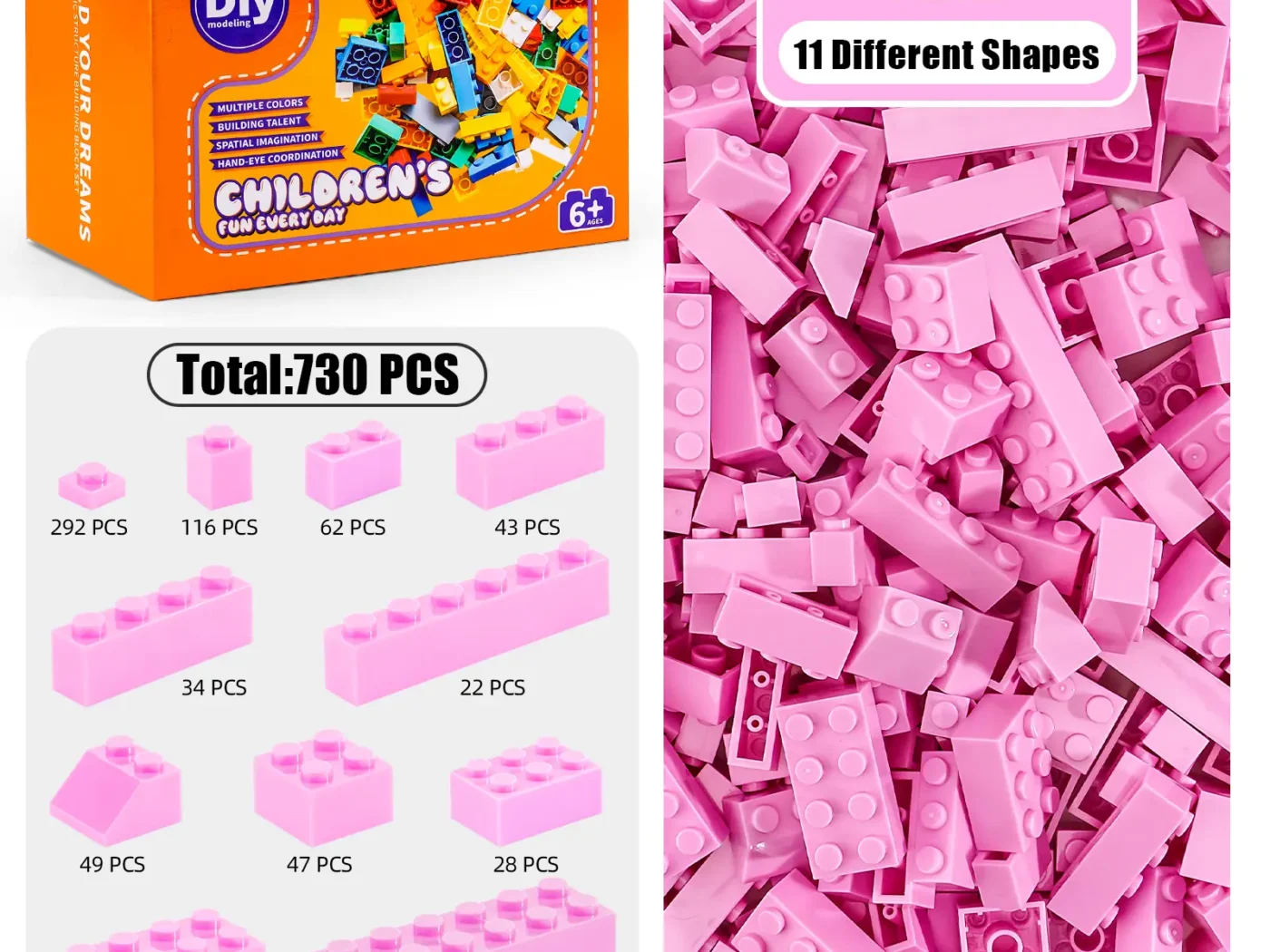
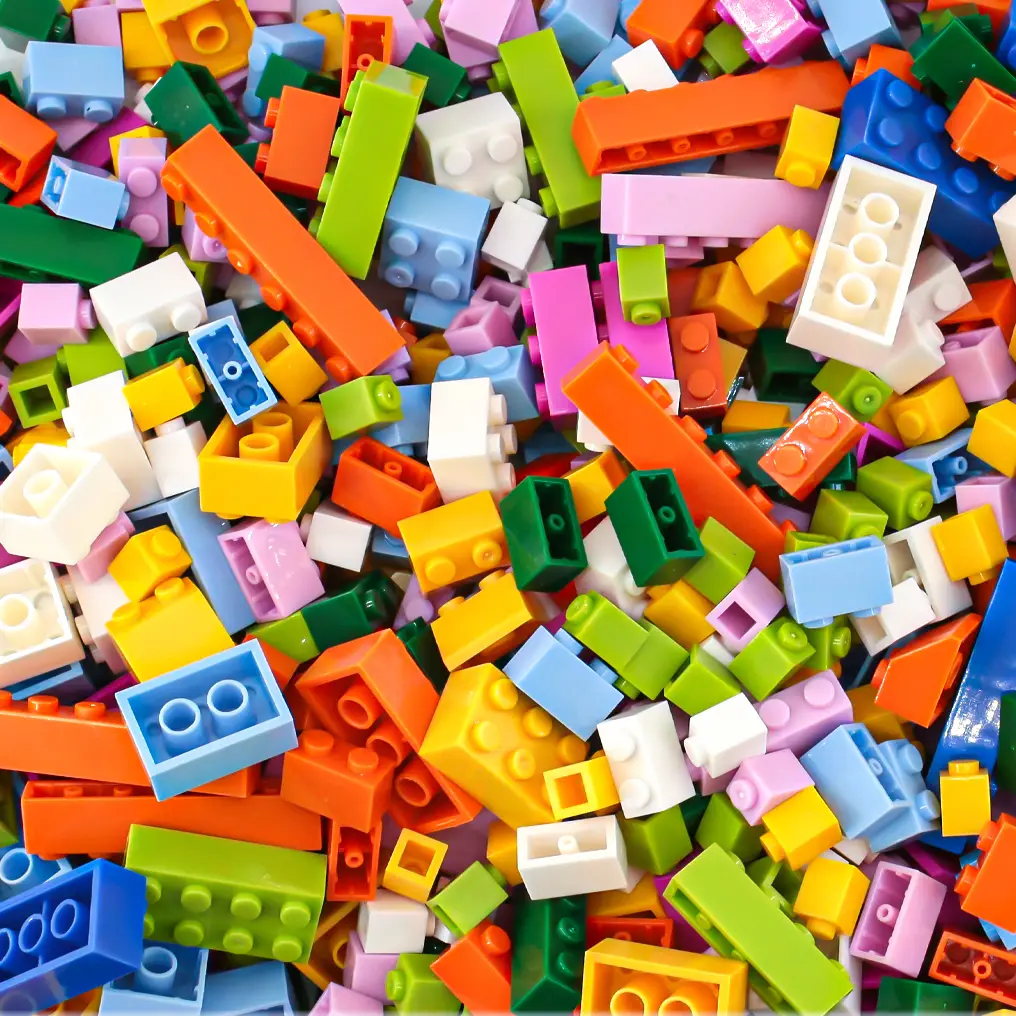
Educational construction toys play an important role in early childhood learning and development. Parents and educators increasingly use building blocks to improve creativity, problem-solving, and cognitive skills in young children.
Construction toys are now widely recognized as valuable preschool educational tools.
Improving Fine Motor Skills
When children connect blocks together, they improve finger strength, hand control, and hand-eye coordination. These physical skills are essential for writing, drawing, and daily activities later in life.
Building toys also help children practice patience and concentration during play sessions.
Encouraging Creativity and Imagination
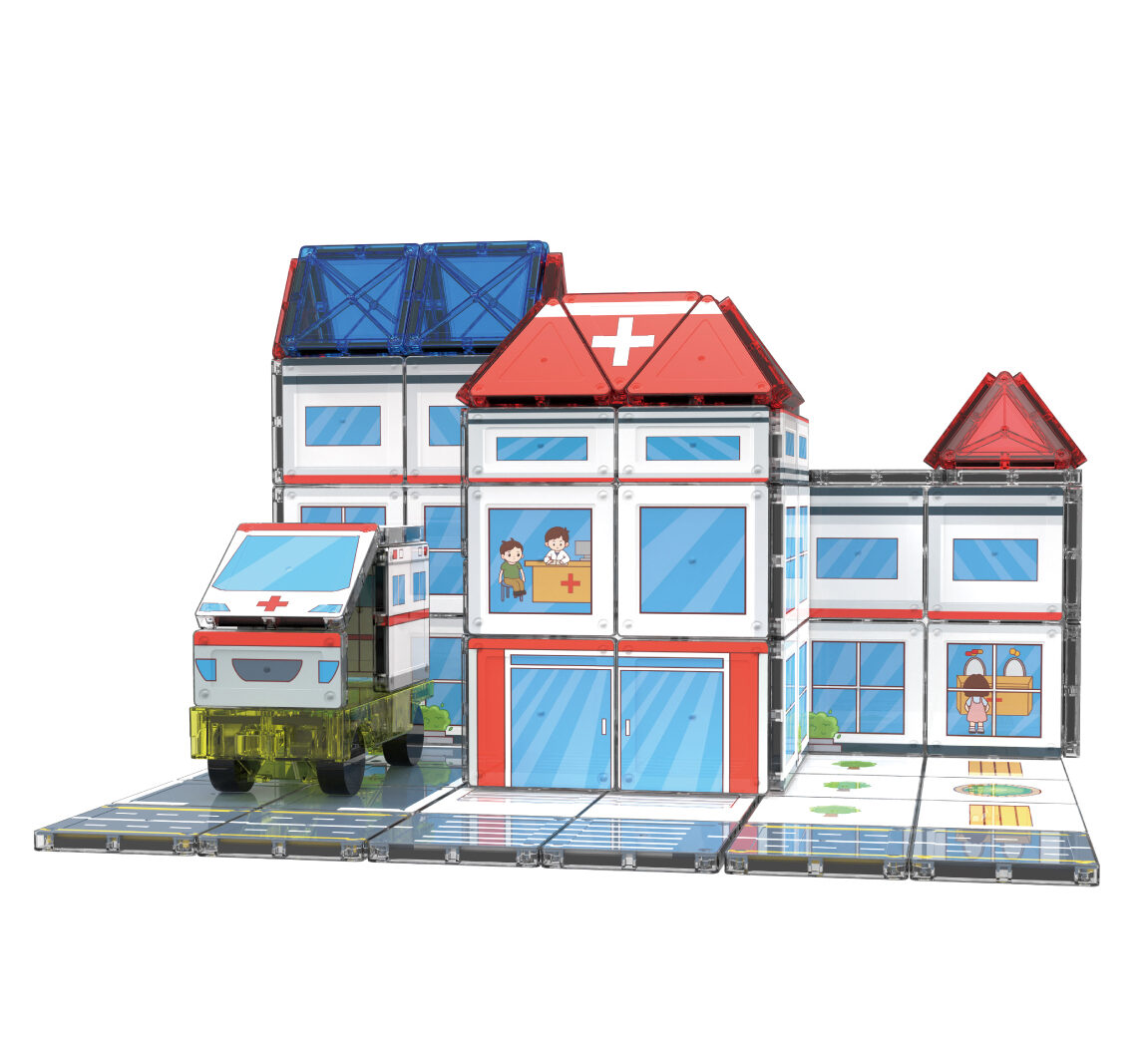
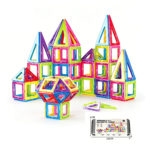
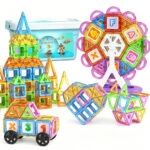
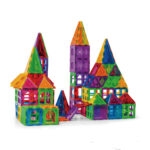
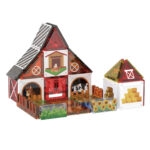
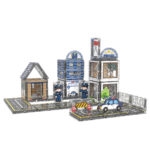
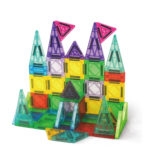
Open-ended construction toys allow children to create houses, vehicles, animals, and countless other structures using their imagination. Unlike fixed-function toys, building blocks encourage independent thinking and creative exploration.
This type of play is highly recommended in modern early childhood education systems.
Supporting STEM Education
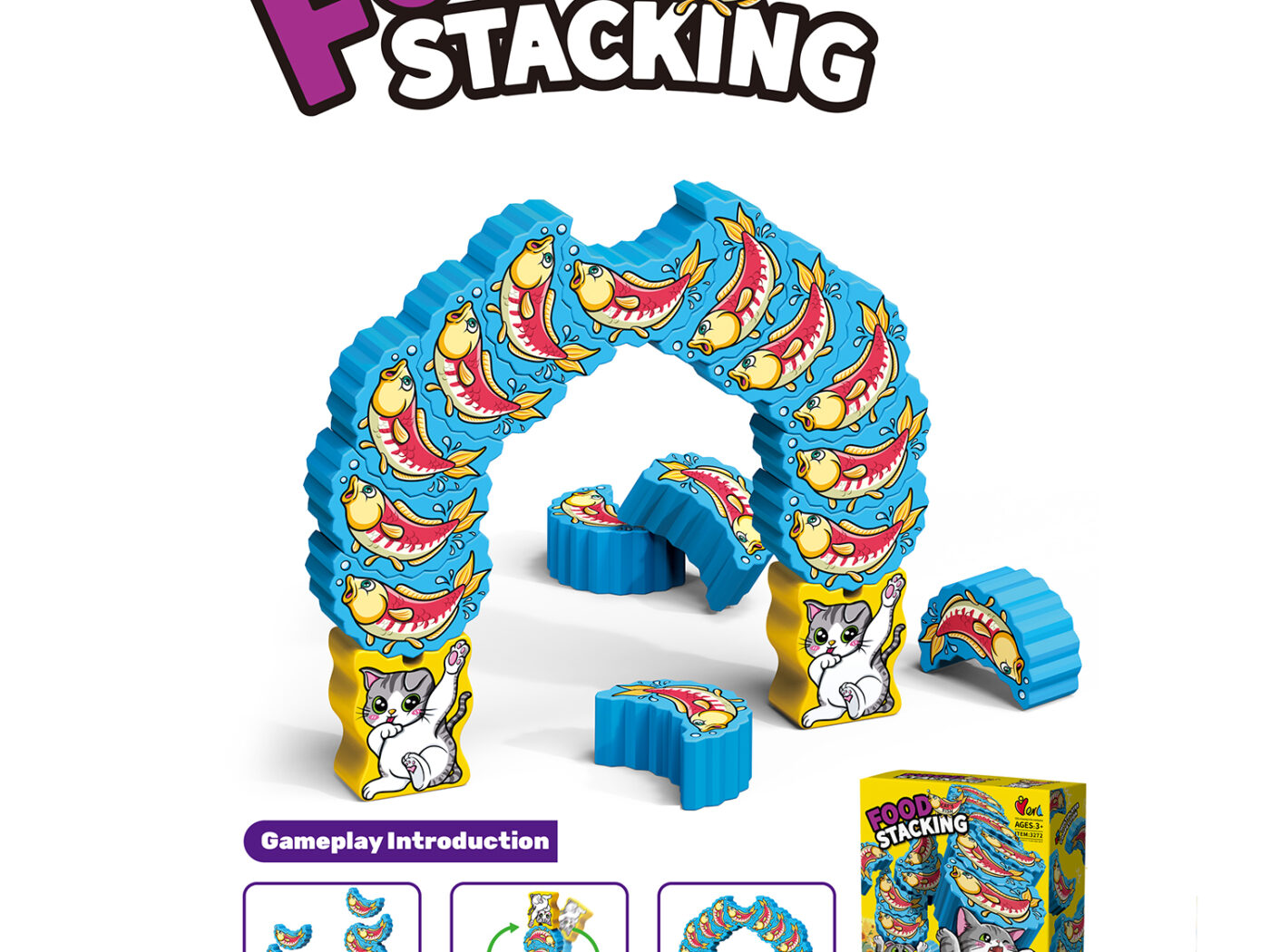
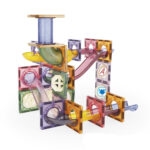
Construction toys naturally introduce basic STEM concepts such as:
- Geometry
- Engineering
- Balance
- Structure
- Spatial reasoning
Many schools and learning centers now include building toys in classroom activities because they make learning more interactive and enjoyable.
Social and Emotional Benefits
Children often play with building toys together, which helps improve:
- Communication skills
- Teamwork
- Confidence
- Emotional expression
Collaborative building activities also encourage problem-solving and leadership development.
Conclusion
Building blocks are far more than simple toys. They support physical, cognitive, and emotional development while encouraging creativity and hands-on learning. This is why educational construction toys continue gaining popularity among parents and educators worldwide.