

Strategic Sourcing in Educational Toys: Key Trends Driving B2B Buyer Decisions
The global market for educational toys is undergoing a fundamental structural shift.
Driven by changing parental priorities, updated early childhood development research, and evolving regulatory standardizations across Western markets, corporate toy buyers, importers, and private-label brand owners must navigate a complex product selection landscape.
For B2B procurement professionals, sourcing educational toys is no longer merely about matching price points and aesthetic appeal, it requires an acute understanding of how design philosophy directly impacts end-user engagement, lifetime product value, and brand reputation.
Identifying high-performing toy categories early allows brands and importers to build resilient inventory strategies that yield stable margins.
1. The Screen-Free Imperative and Open-Ended Play Dynamics
Defining the Shift Toward Open-Ended Toys
Child psychology and pedagogical frameworks increasingly highlight the drawbacks of passive digital consumption and over-engineered single-function toys.
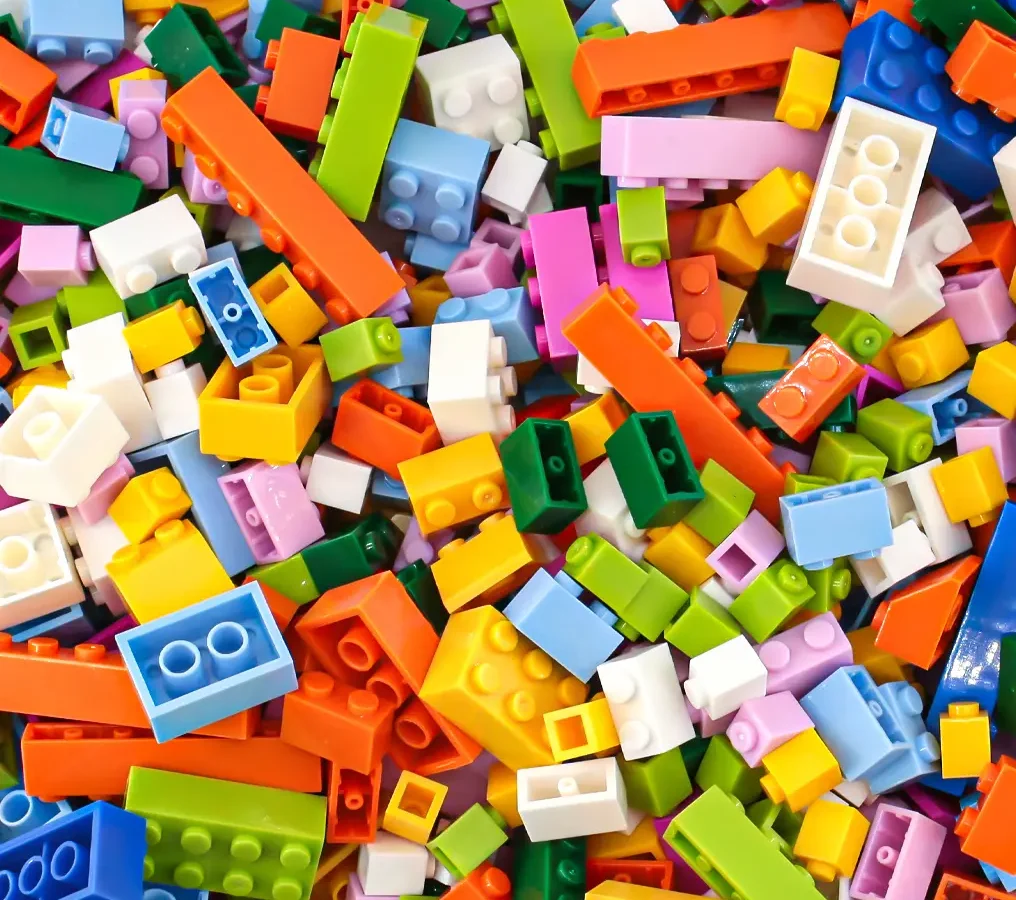
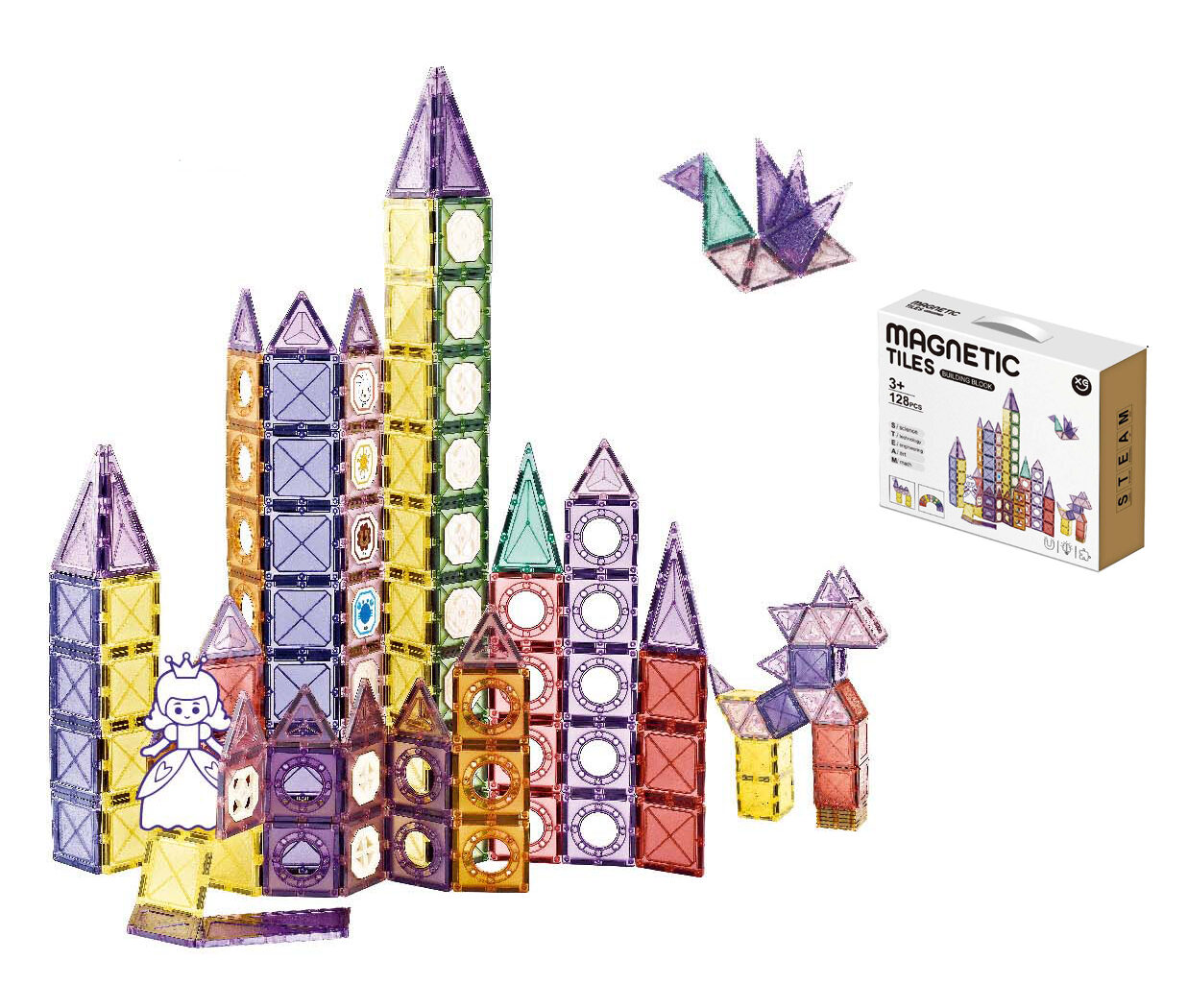
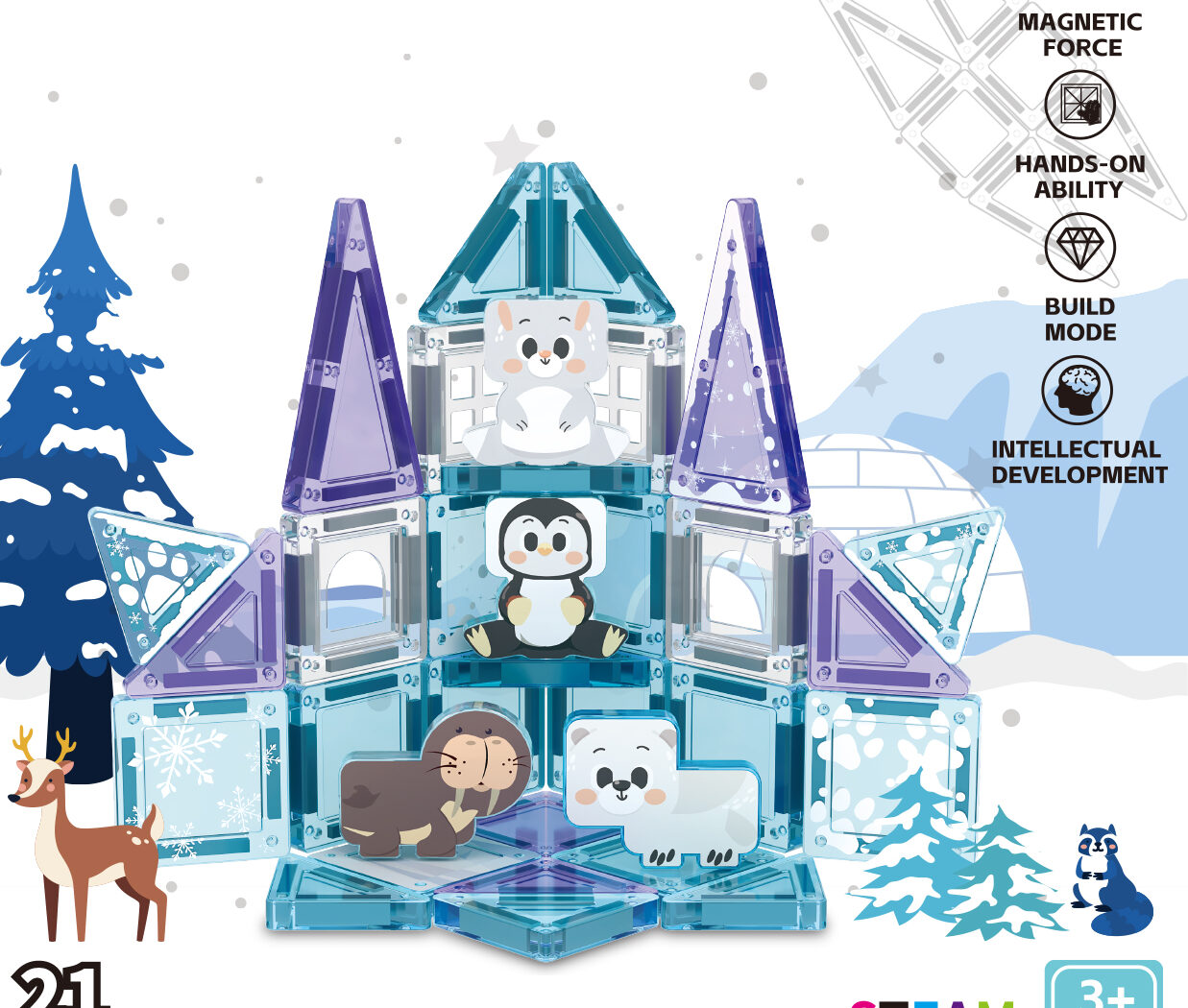
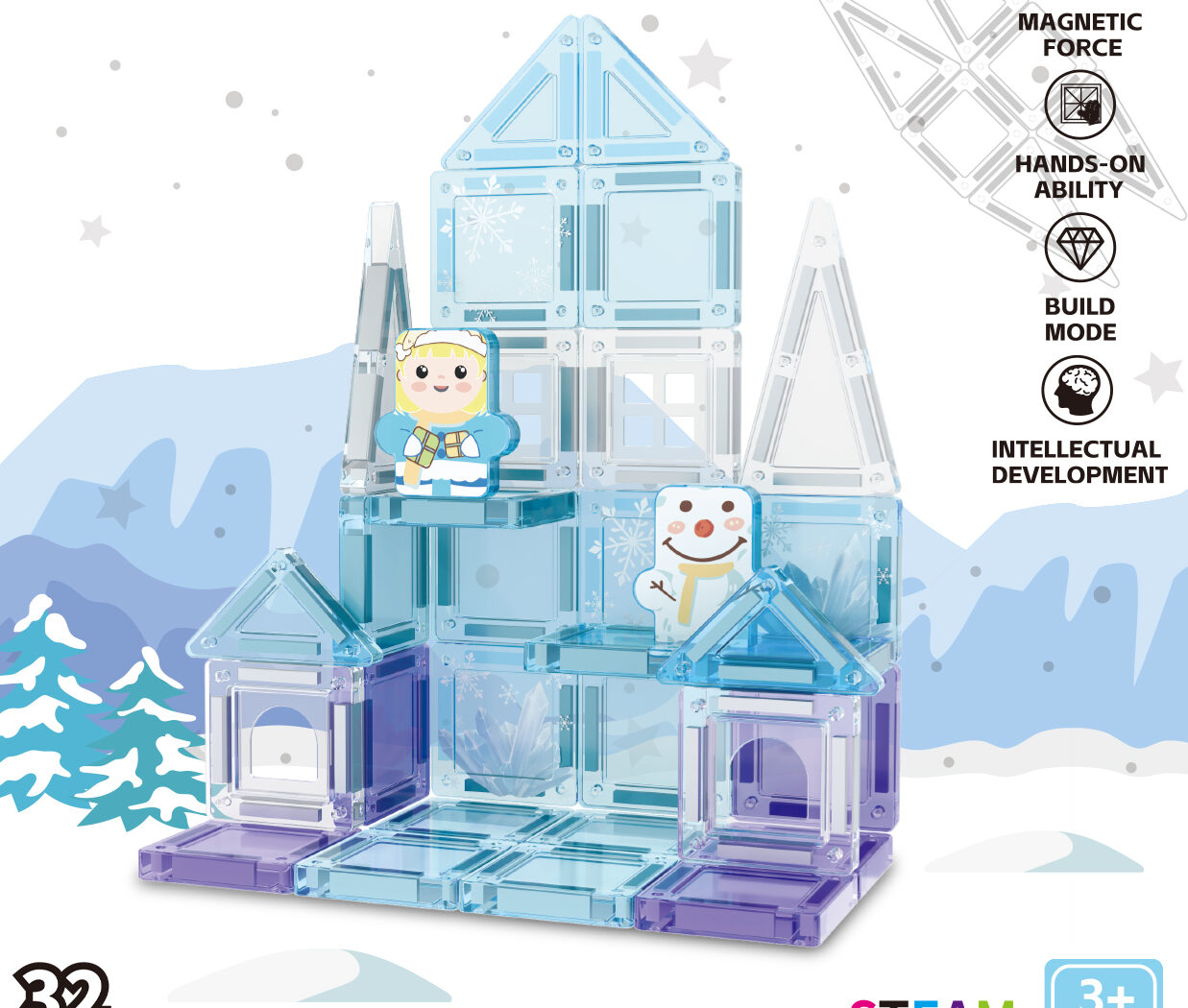
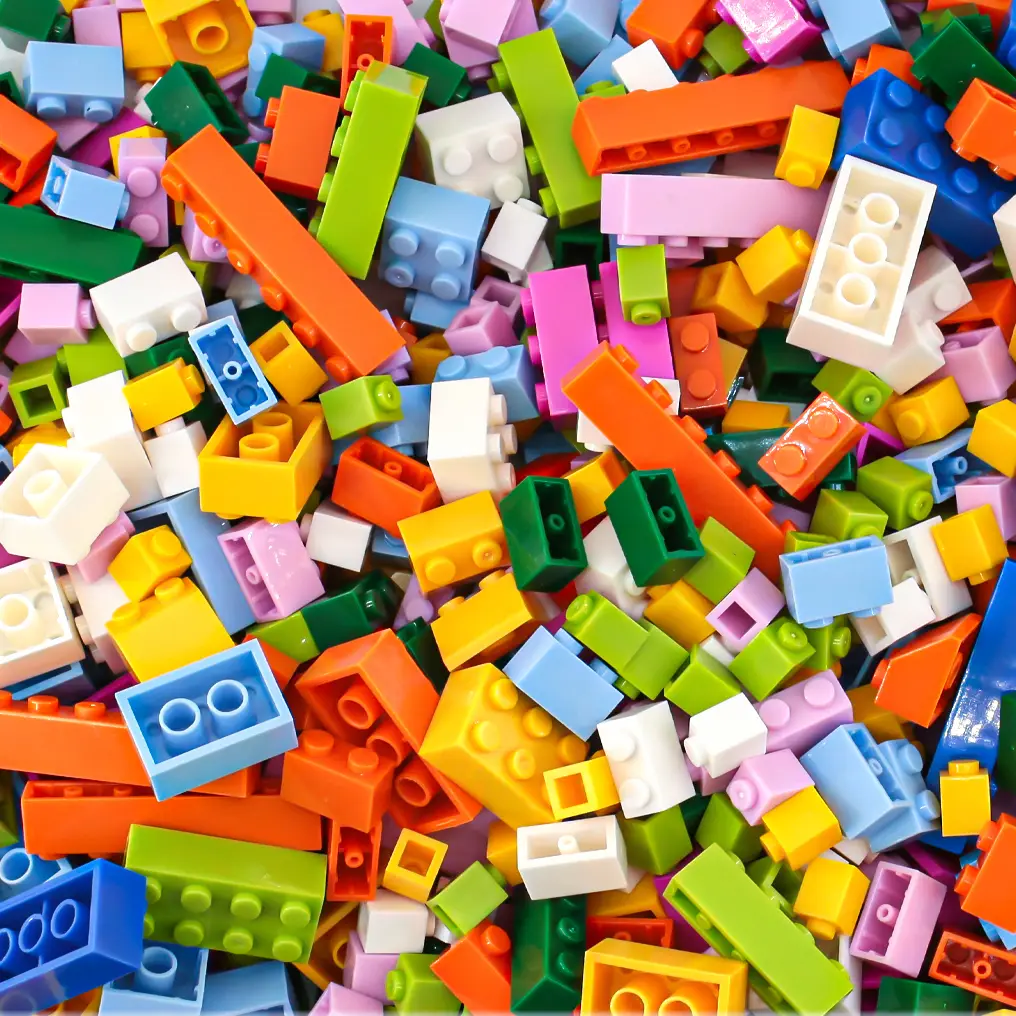
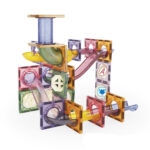
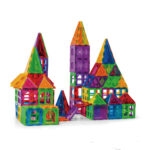
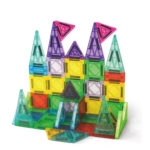
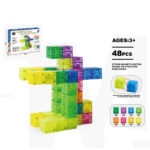
As a result, educational toy trends for B2B buyers reflect a pronounced move toward screen-free, open-ended play systems—most notably magnetic building tiles, unit blocks, and unstructured construction sets.
Open-ended toys lack rigid, predetermined outcomes or single linear pathways. Instead, they encourage spatial reasoning, trial-and-error problem-solving, and imaginative construction. From a commercial perspective, this open-ended functionality extends the product’s usable age window (from toddlers to upper-elementary children), significantly raising the perceived return on investment for end consumers.
Commercial Advantages for Private Labeling
- Extended Product Lifecycles: Unlike trendy, character-licensed toys that quickly drop in market demand, modular open-ended construction sets maintain steady baseline sales year after year.
- Higher SKU Expansion Potential: Open-ended systems naturally lend themselves to modular add-on packs, geometric expansions, and thematic color collection launches, encouraging repeat purchases.
2. Advanced STEM and Mechanics Integration
Moving Beyond Basic Construction
While fundamental building blocks remain core inventory staples, international buyers are prioritizing construction sets that integrate functional physics and mechanical engineering principles. Modern STEM (Science, Technology, Engineering, and Math) toys require active structural problem-solving rather than simple vertical stacking.
Key Mechanical Innovations Sought by Importers
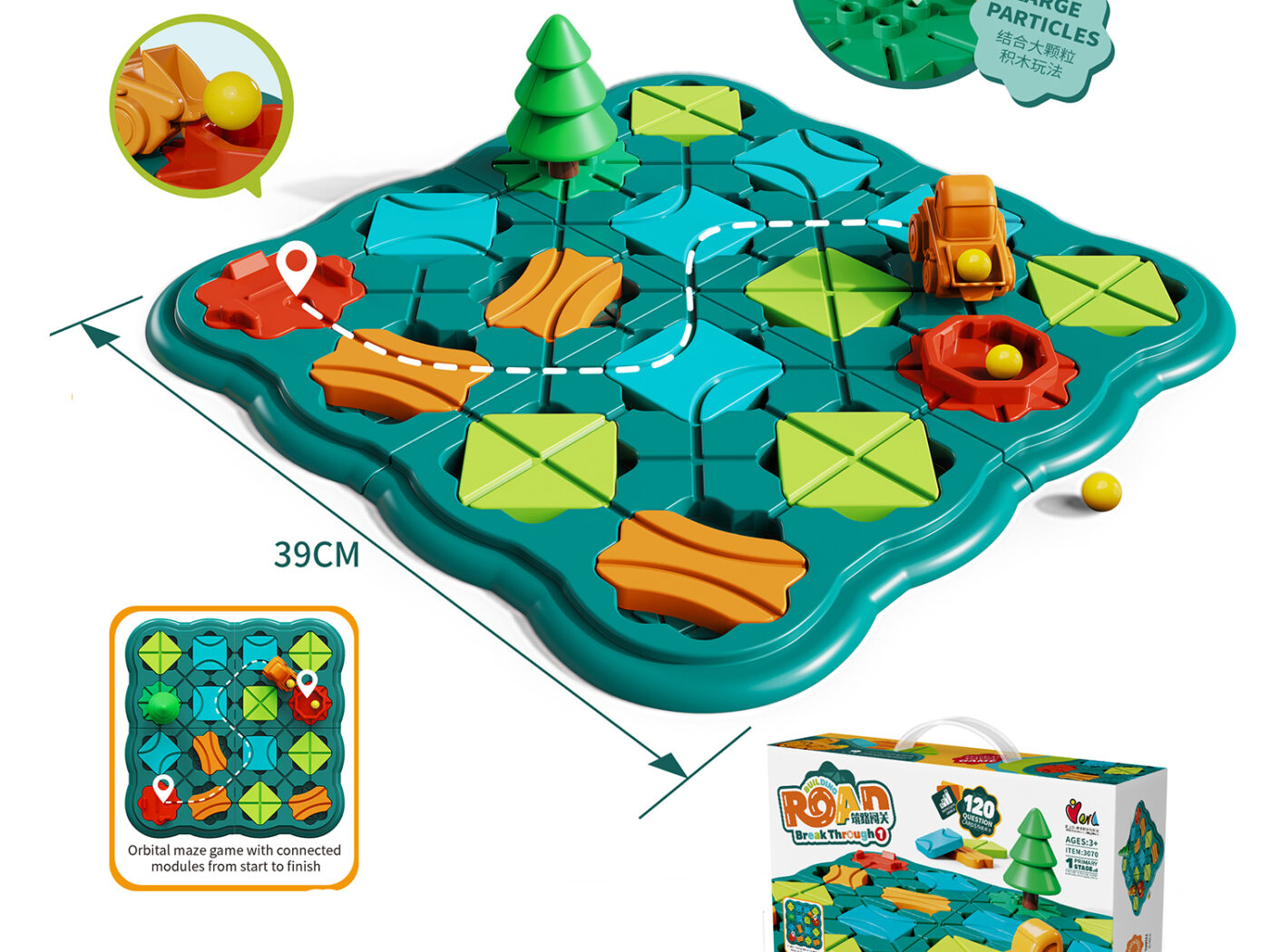
- Dynamic Gravity Runs: Magnetic or snap-fit marble and ball-run tracks that challenge spatial visual processing and dynamic weight distribution knowledge.
- Kinetic Gearing Assemblies: Interlocking cogwheels and hand-cranked pulley systems that demonstrate torque, velocity, and power transmission within a physical structural kit.
- Architectural Geometry: Multi-angle connectors that enable non-Euclidean structural designs, allowing children to build geodesic domes and cantilever bridges.
3. Sustainable Materials and Eco-Friendly Supply Chains
Material Compliance and Consumer Demand
Environmental accountability has shifted from a marketing bonus to a baseline market entry requirement, particularly across Europe, the United Kingdom, and select North American markets. Importers must align with stringent sustainability expectations from retail channels while avoiding dynamic regulatory penalties regarding single-use plastics and hazardous additives.
4. Market Expansion Through Kidult and MOC Communities
Capitalizing on the Adult Building Hobbyist Market
The market for building toys is no longer limited to early childhood development. The “Kidult” (kid-adult) demographic and the My Own Creation (MOC) builder community represent two of the fastest-growing customer segments within the toy industry. Adult hobbyists look for high-complexity, aesthetic building kits suitable for desktop display, architecture collections, and intricate mechanical models.
Sourcing Considerations for MOC and Complex Kits
- Precision Mold Tolerances: High-part-count sets demand strict clutch-power consistency across every brick to prevent structural collapse during complex assemblies.
- Component Diversity: Importers require suppliers capable of managing expansive component catalogs containing thousands of distinct brick geometries without high error rates.
Frequently Asked Questions (FAQ)
What are the top educational toy trends for B2B buyers this year?
B2B procurement is primarily focused on screen-free open-ended building sets, advanced mechanical STEM kits, sustainable eco-friendly materials (such as PCR plastics and FSC-certified woods), and high-complexity MOC kits designed for adult builders.
Why is open-ended play preferred over single-function electronic toys?
Open-ended toys offer broader development benefits, higher versatility, and longer play value, making them more attractive to parents seeking durable, screen-free educational investments.
How does material choice affect B2B toy importing?
Material choices dictate chemical compliance requirements, tariff categories, and market access. Sourcing sustainable materials like PCR or bio-based plastics helps buyers meet environmental expectations while ensuring compliance with global chemical safety regulations.