



Introduction: Toy Importers Need More Than Low Prices — They Need Reliable Supply Chain Partners
The global toy market is becoming more competitive every year. For toy importers, wholesalers, retailers, and online brands, finding products is no longer the biggest challenge. The real challenge is finding a reliable toy manufacturer in China that can provide consistent quality, competitive pricing, flexible production, and long-term support.
Many toy businesses face similar problems:
- Suppliers offer low prices but poor quality
- Production delays affect sales plans
- Minimum order quantities are too high
- Products are difficult to differentiate
- Communication problems slow down projects
- New product development is expensive and risky
These challenges are especially serious in the educational toy market, where buyers need products that are safe, innovative, and valuable for children’s development.
As consumer demand changes, successful toy companies are moving away from short-term purchasing relationships and building strategic partnerships with manufacturers.
Factory direct supply has become an effective solution because it allows buyers to work closer with production teams, reduce unnecessary costs, and create more competitive products.
1. Challenge: Rising Product Costs and Market Pressure
One of the biggest challenges facing toy importers today is increasing costs.
Manufacturing costs have changed due to:
- Raw material price increases
- Labor cost changes
- Transportation expenses
- Packaging requirements
- Currency fluctuations
At the same time, retailers and consumers expect competitive prices.
Toy businesses are under pressure to maintain profit margins while offering attractive products.
How Factory Direct Supply Helps
Working directly with a manufacturer allows buyers to reduce additional costs created by multiple supply chain layers.
Direct cooperation provides:
- Better price transparency
- Faster quotation process
- More control over production costs
- Easier negotiation for large orders
For educational toy brands, this is especially important because competitive pricing can determine whether a product succeeds in retail channels or online marketplaces.
2. Challenge: Finding Unique Products in a Crowded Market
The toy industry has many similar products.
A buyer may find hundreds of suppliers offering:
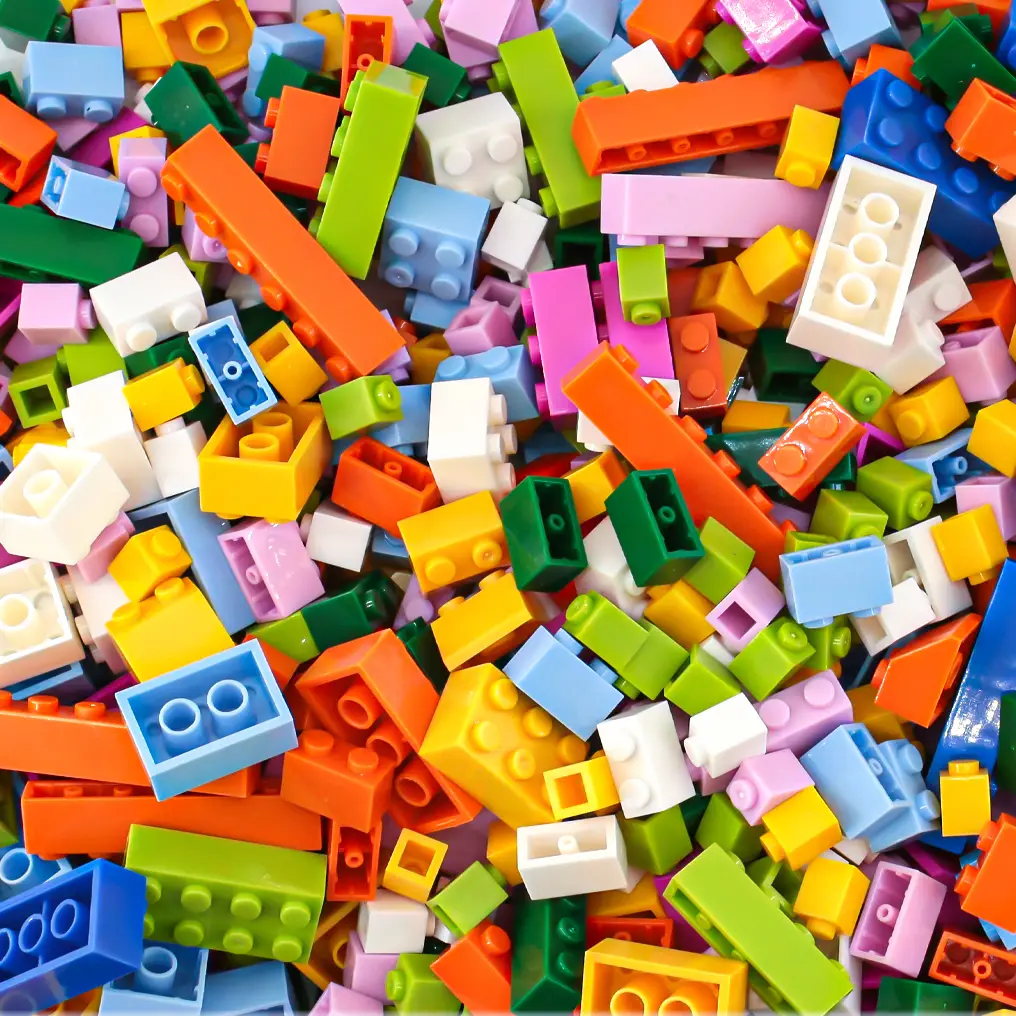
- Building blocks
- STEM toys
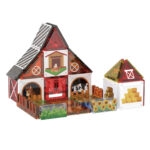
- Creative toys
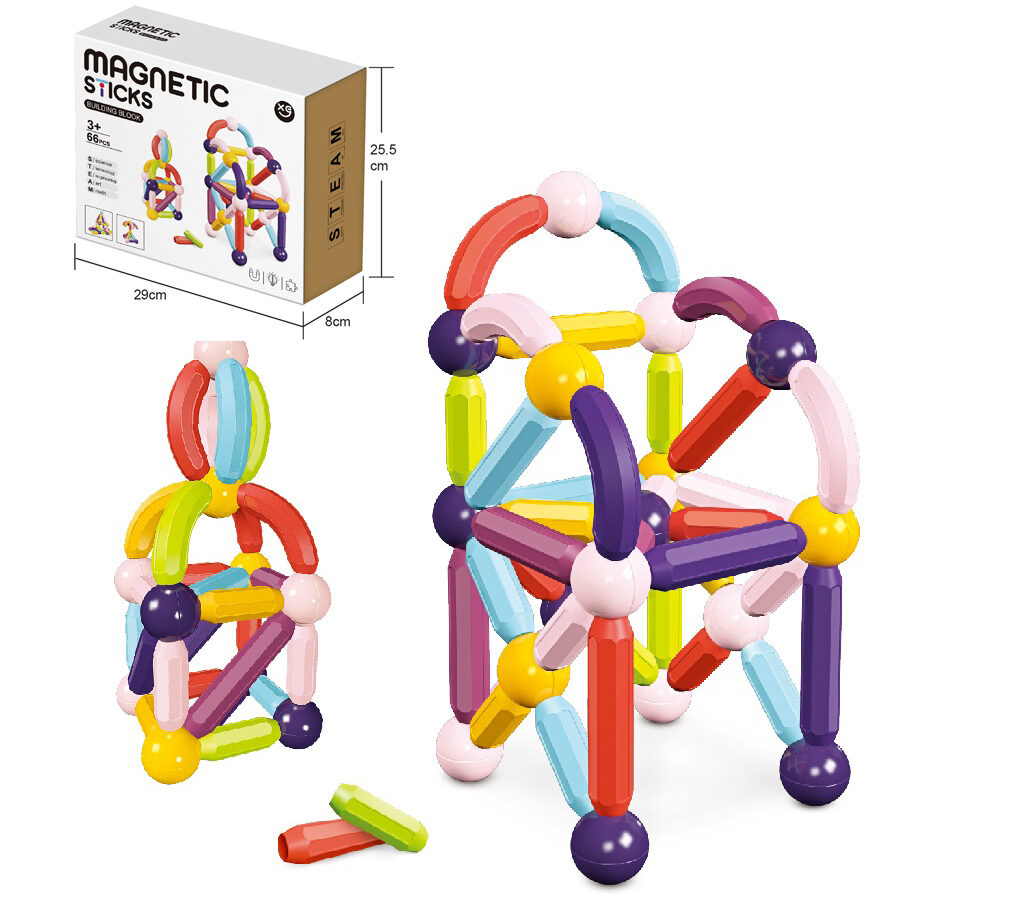
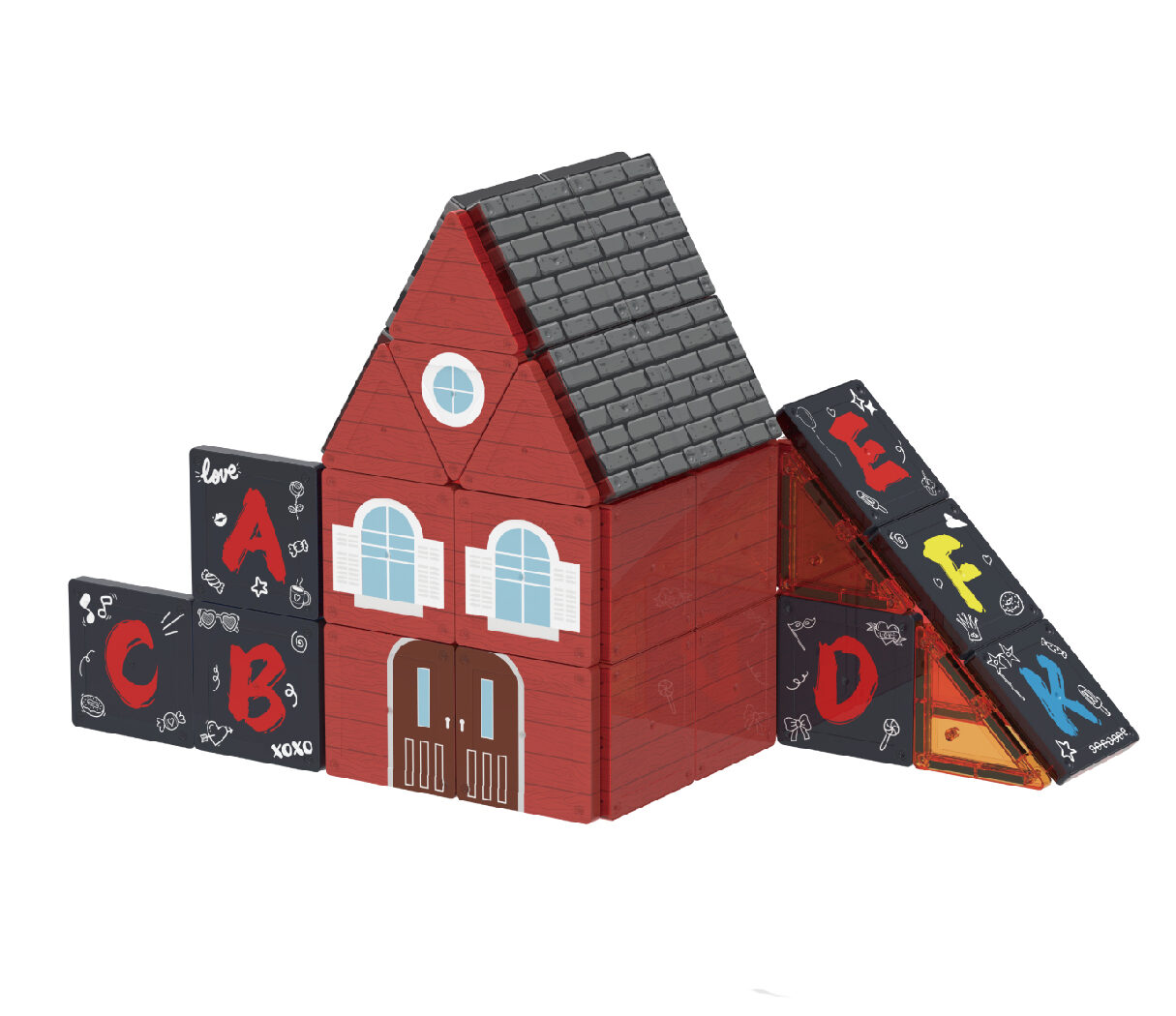
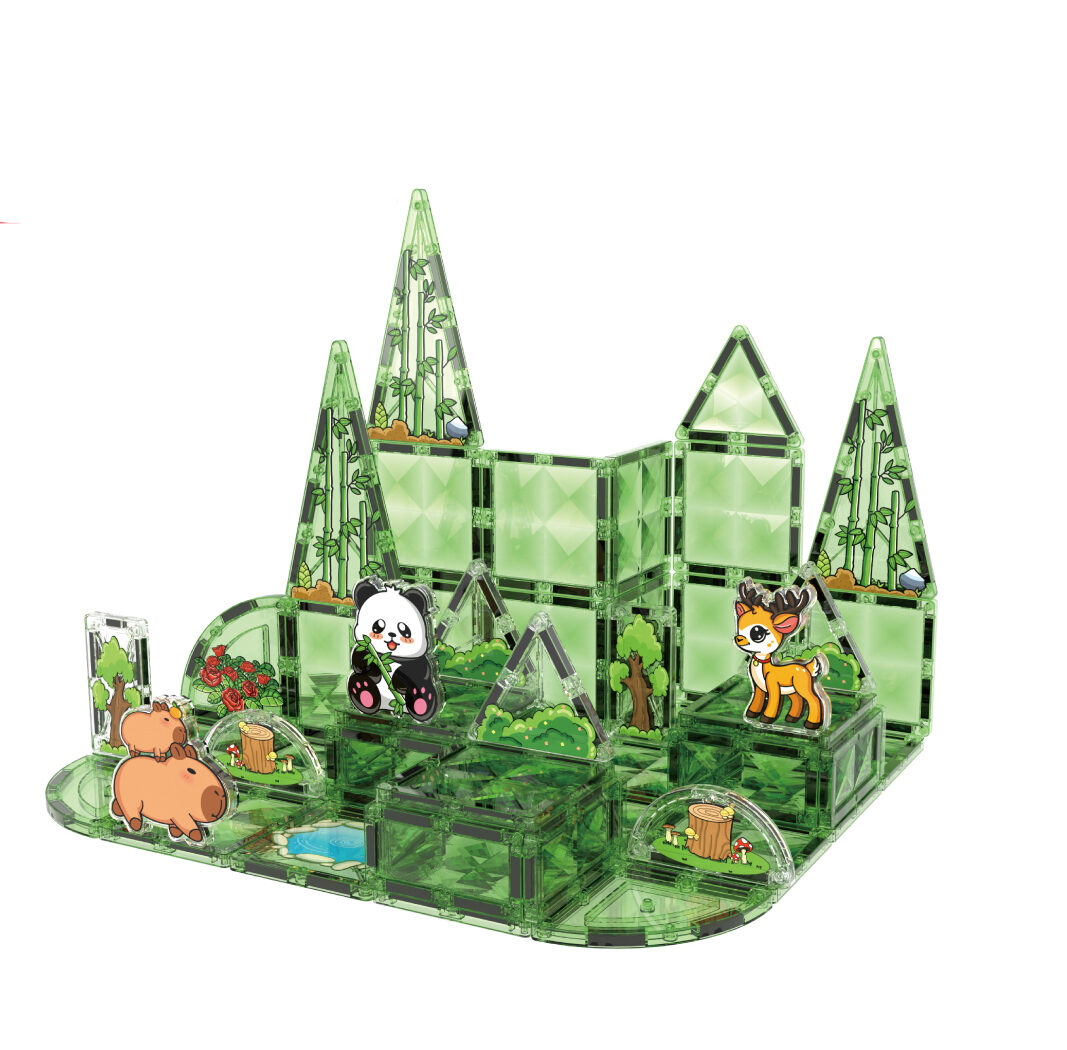
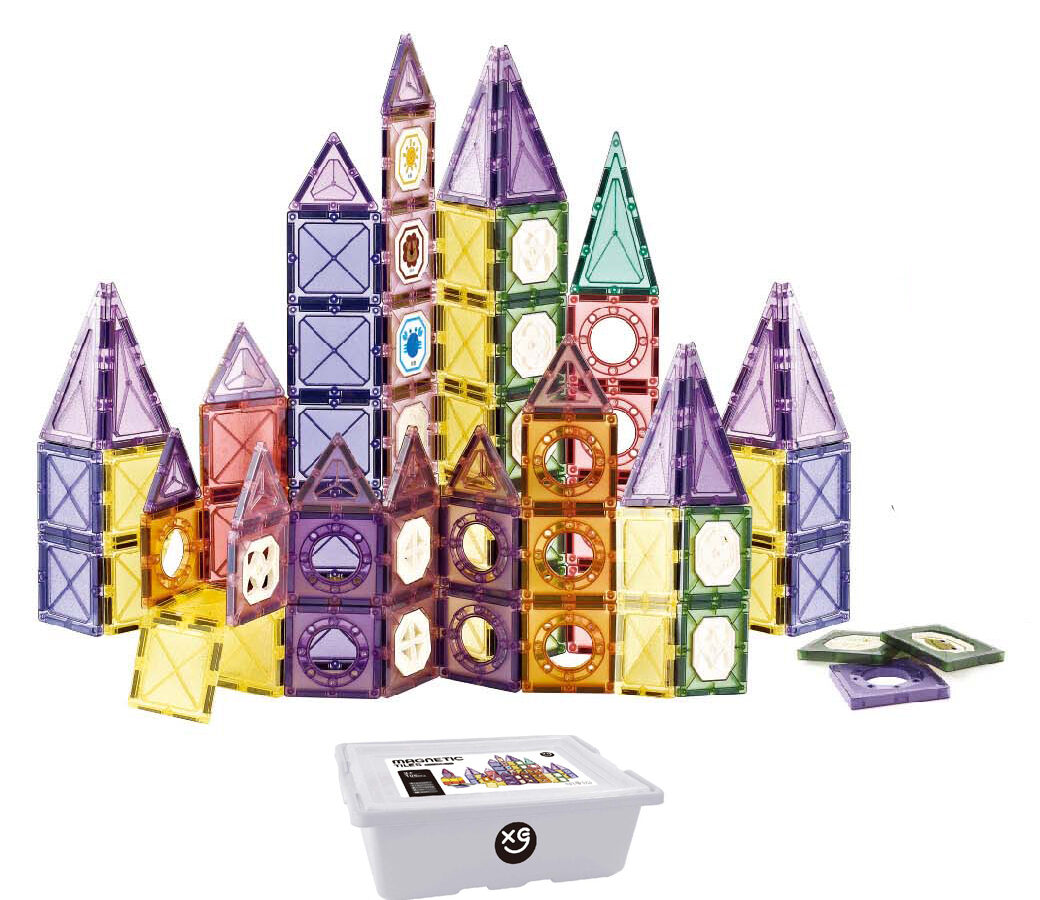
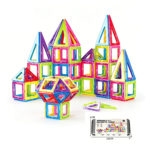
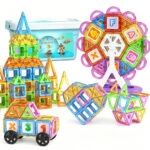
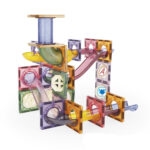
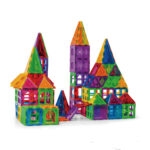
- Magnetic toys
The problem is that selling identical products creates intense price competition.
Brands need products that provide:
- Unique selling points
- Better educational value
- Attractive design
- Custom branding opportunities
How OEM Educational Toys Create Competitive Advantages
OEM and ODM services allow companies to develop products that match their target customers.
Customization options may include:
- Product colors
- Packaging design
- Product combinations
- Instruction manuals
- Brand logos
- Exclusive product sets
For example, a distributor specializing in educational products may need a STEM building kit designed specifically for schools, while an online seller may need attractive packaging for retail consumers.
A professional manufacturer can help transform an idea into a market-ready product.
3. Challenge: High MOQ Creates Risk for New Products
Minimum order quantity is a major concern for many importers.
Large companies may have the ability to purchase thousands of units, but smaller businesses often need to test products first.
High MOQ creates risks:
- Too much inventory
- High investment requirements
- Storage pressure
- Slow cash flow
This is especially difficult for:
- Startup toy brands
- Amazon sellers
- Small distributors
- Educational suppliers entering new markets
How Flexible Manufacturing Supports Business Growth
A supplier offering flexible cooperation options allows buyers to:
- Test market demand
- Launch new products gradually
- Reduce inventory risk
- Adjust orders based on sales performance
This approach helps smaller companies compete with larger brands.
A good factory understands that successful partnerships often begin with smaller projects and grow over time.
4. Challenge: Quality Control and Product Safety
For toy importers, quality problems can become extremely expensive.
A single quality issue may lead to:
- Customer complaints
- Product returns
- Negative reviews
- Retail relationship problems
Educational toys require even higher standards because children are the end users.
Important quality factors include:
- Material safety
- Product durability
- Design reliability
- Packaging quality
- Age suitability
How Professional Manufacturers Reduce Quality Risks
Experienced factories usually have quality management systems covering:
Incoming Material Inspection
Checking raw materials before production.
Production Monitoring
Inspecting products during manufacturing.
Final Inspection
Ensuring finished products meet customer requirements before shipment.
Working directly with a manufacturer also allows buyers to communicate quality expectations more clearly.
5. Challenge: Supply Chain Communication Problems
Many importers have experienced communication difficulties with suppliers.
Common problems include:
- Slow responses
- Unclear production schedules
- Limited problem-solving ability
- Lack of proactive updates
For international buyers, communication is just as important as production capability.
The Importance of Transparent Supplier Communication
A reliable factory partner should provide:
- Clear timelines
- Regular updates
- Honest feedback
- Quick solutions when problems occur
Strong communication reduces uncertainty and helps buyers plan:
- Marketing campaigns
- Product launches
- Seasonal promotions
6. Challenge: Managing Inventory and Seasonal Demand
Toy businesses often experience seasonal sales changes.
For example:
- Christmas shopping season
- Back-to-school periods
- Holiday promotions
- Educational calendar cycles
Importers need suppliers who understand these market patterns.
Poor planning can result in:
- Missing sales opportunities
- Excess inventory
- Delayed shipments
How Manufacturers Can Support Inventory Planning
Experienced suppliers can help buyers with:
- Production scheduling
- Lead time management
- Forecast planning
- Product recommendations
A long-term manufacturing partner becomes part of the buyer’s supply chain strategy.
7. Why China Remains an Important Manufacturing Hub for Educational Toys
China continues to be one of the world’s leading toy manufacturing centers because of:
- Mature supply chains
- Experienced production teams
- Strong manufacturing capabilities
- Wide material availability
- Product development expertise
However, choosing the right factory is essential.
Not every supplier provides the same level of service.
Professional buyers should evaluate:
- Factory experience
- Export history
- Product quality
- Customization ability
- Communication skills
8. Why Choose Lionetoys as Your Educational Toy Manufacturing Partner?
Lionetoys provides factory-direct solutions for global educational toy buyers.
The company focuses on:
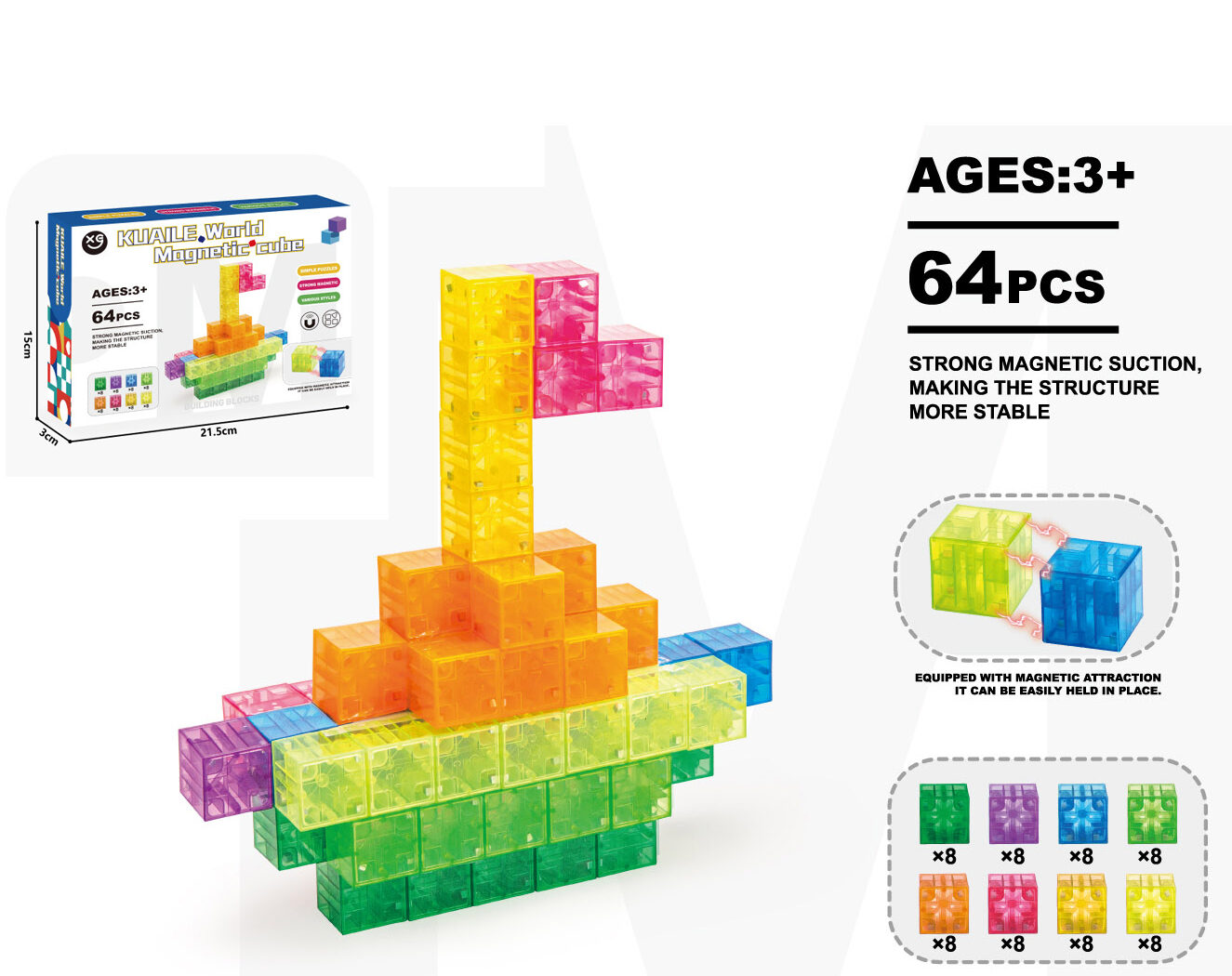
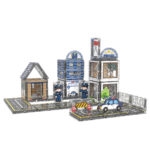
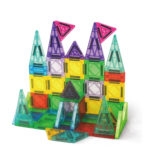
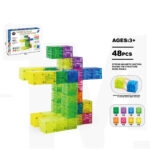
- Magnetic building blocks
- STEM construction toys
- Creative learning products
- Customized educational toys
For wholesalers, distributors, and brands, Lionetoys supports:
OEM and ODM Development
Helping customers create customized products for their markets.
Flexible Business Cooperation
Supporting different business sizes and project requirements.
Factory Quality Management
Maintaining consistent product quality for international customers.
Market-Oriented Product Development
Creating educational toys that match current consumer and education trends.
By working directly with Lionetoys, buyers can improve supply chain efficiency and develop stronger product advantages.
Website:
Conclusion: A Reliable Manufacturer Is the Foundation of Toy Business Success
The toy industry is changing quickly.
Successful importers are no longer looking only for the cheapest supplier. They are searching for manufacturers who can provide:
✔ Competitive pricing
✔ Stable quality
✔ Product innovation
✔ Flexible cooperation
✔ Reliable communication
✔ Long-term partnership
Factory direct sourcing gives toy businesses more control, better efficiency, and stronger market competitiveness.
For companies looking to grow in the educational toy market, choosing the right manufacturing partner is one of the most important decisions they can make.
Frequently Asked Questions (FAQ)
1. Why should toy importers work directly with manufacturers?
Factory direct sourcing helps importers reduce costs, improve communication, customize products, and maintain better quality control.
2. What is OEM educational toy manufacturing?
OEM educational toy manufacturing means a factory produces customized toys according to a buyer’s brand requirements, including design, packaging, and specifications.
3. How can small toy businesses reduce MOQ risks?
Small businesses can choose suppliers offering flexible MOQ, sample testing, and gradual order growth.
4. What should I look for in a toy manufacturer in China?
Important factors include factory experience, certifications, production capability, quality control, OEM support, and communication ability.
5. Are educational toys a good market opportunity?
Yes. Growing demand for STEM education, creative learning, and classroom resources continues to increase opportunities for educational toy businesses.