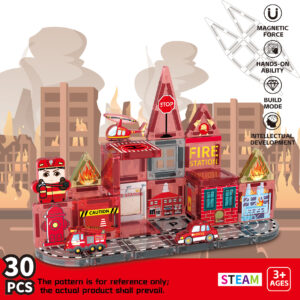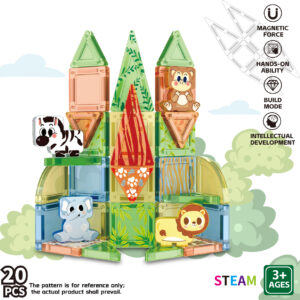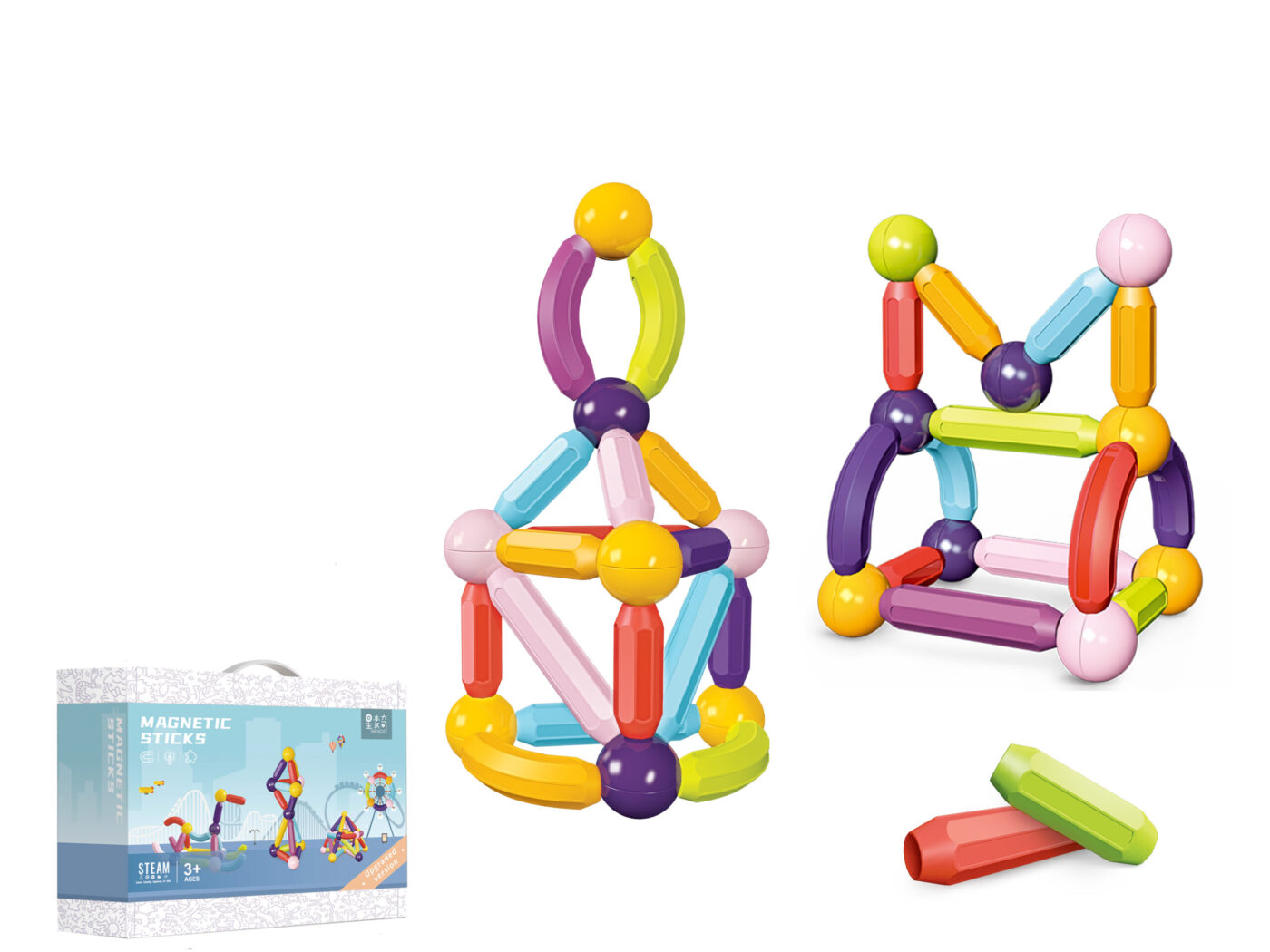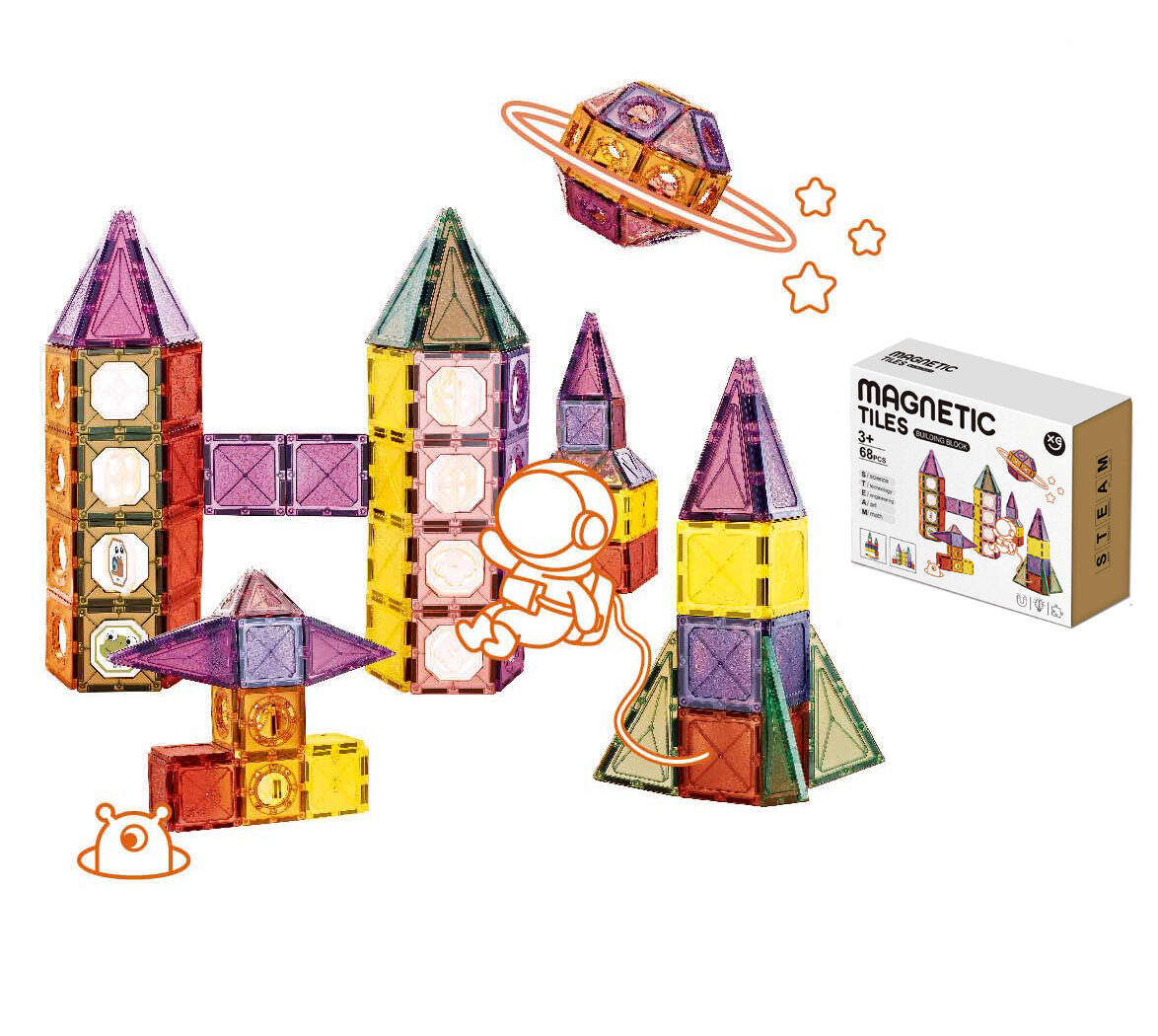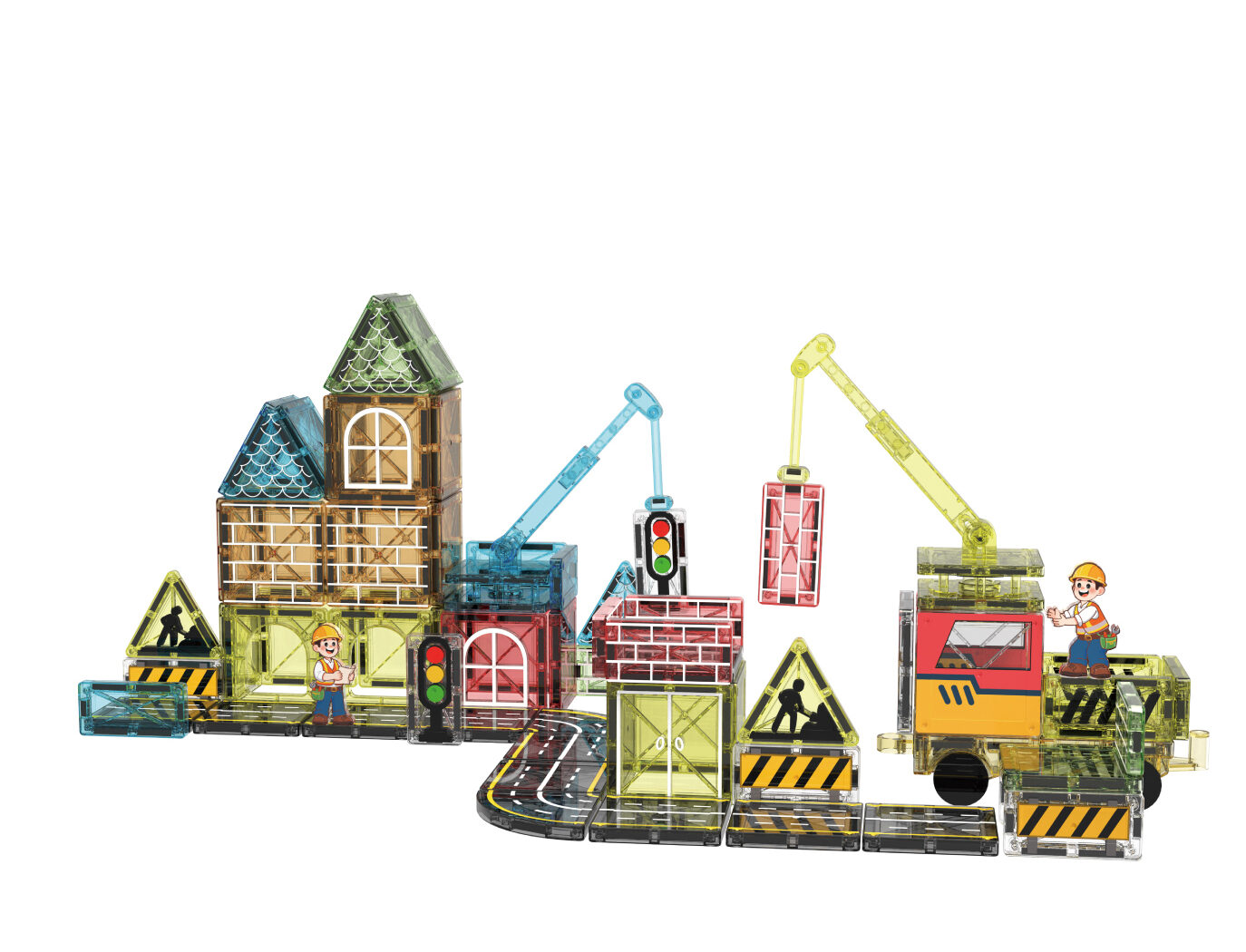


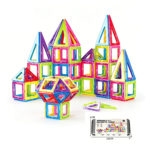
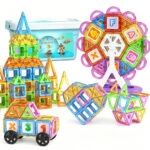


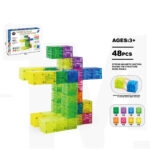
Magnetic tiles and building blocks are among the highest-performing categories in the educational toy market. They offer excellent margins and high repeat-purchase rates. However, for international importers, they also represent a high-risk category.
Because these toys contain small, powerful magnets, a single manufacturing defect can lead to fatal choking hazards, sudden product recalls, and catastrophic legal liabilities.
When sourcing wholesale magnetic building blocks, quality control is your absolute safety net. To protect your brand and your capital, you must know exactly how to evaluate a factory’s manufacturing process. Here are the critical quality control markers every importer must inspect.
1. The Core Hazard: Preventing Magnet Detachment
The absolute nightmare scenario for any toy importer is a magnet falling out of its plastic enclosure. If a child swallows two or more magnets, they can attract each other through intestinal walls, causing severe internal injuries.
To prevent this, you must reject any supplier that relies solely on glue to seal the plastic edges. Look for these two non-negotiable manufacturing standards:
- Ultrasonic Welding: High-quality magnetic tiles use high-frequency ultrasonic acoustic vibrations to locally weld the two plastic halves together under pressure. This creates a solid, seamless molecular bond that is virtually impossible to pry apart.
- Internal Rivets or Reinforcement: The best-engineered tiles feature internal plastic rivets or bracing structures that lock the magnet into a dedicated pocket inside the tile, ensuring that even if the outer shell is cracked, the magnet remains trapped.
2. Material Safety: Food-Grade ABS vs. Recycled Plastics
The outer shell of the magnetic tile must withstand years of dropping, stepping on, and throwing.
- Premium Standard: Insist on Virgin, Food-Grade ABS (Acrylonitrile Butadiene Styrene) plastic. Virgin ABS is highly impact-resistant, non-toxic, and offers crystal-clear transparency with vibrant colors.
- The Sourcing Trap: Low-cost factories often blend virgin plastic with recycled regrind materials to lower their quotes. Recycled plastic is brittle, duller in color, scratches easily, and is prone to cracking upon impact—increasing the risk of exposing the internal magnets.
3. Magnet Strength and the “Flux Index” Balance
Importers often ask: Should I source the strongest possible magnets so children can build taller structures? The answer is a matter of regulatory balance.
International toy safety standards (such as ASTM F963 and EN71) strictly regulate the Flux Index (a measure of magnetic strength) of loose magnets. If a magnet is too strong and exceeds 50 kG²mm², it is classified as a hazardous component.
Furthermore, from a user-experience standpoint, magnets that are too strong can pinch young children’s fingers. Your quality control parameters should look for an optimized flux density: strong enough to hold a 3D castle together, but compliant with international safety thresholds.
4. On-Site Factory Inspection and Testing Protocols
Before approving an order for shipment, require your third-party inspection agency to perform these specific on-site tests:
🧪 On-Site Quality Control Testing Checklist
- The Drop Test: Dropping individual tiles from a height of 3 feet onto a concrete floor covered with vinyl tile, repeated 5 to 10 times. The tiles must not crack or release the magnets.
- The Tension Test: Applying a specific pull force (typically around 70-90 Newtons) to the welded joints to ensure they do not separate.
- The Torque Test: Twisting the components to check for structural resilience under torsional stress.
Conclusion
Sourcing magnetic tiles can scale your e-commerce or distribution business rapidly, but only if you prioritize structural integrity. By locking in ultrasonic welding specifications, mandating virgin ABS plastics, and enforcing strict pre-shipment drop tests, you turn wholesale magnetic building blocks quality control into a powerful competitive advantage that protects both your customers and your business longevity.