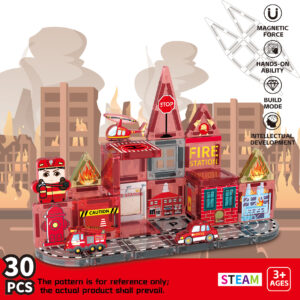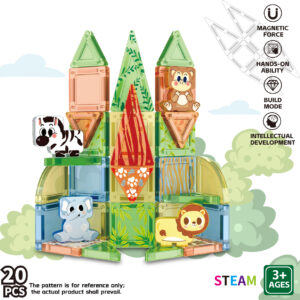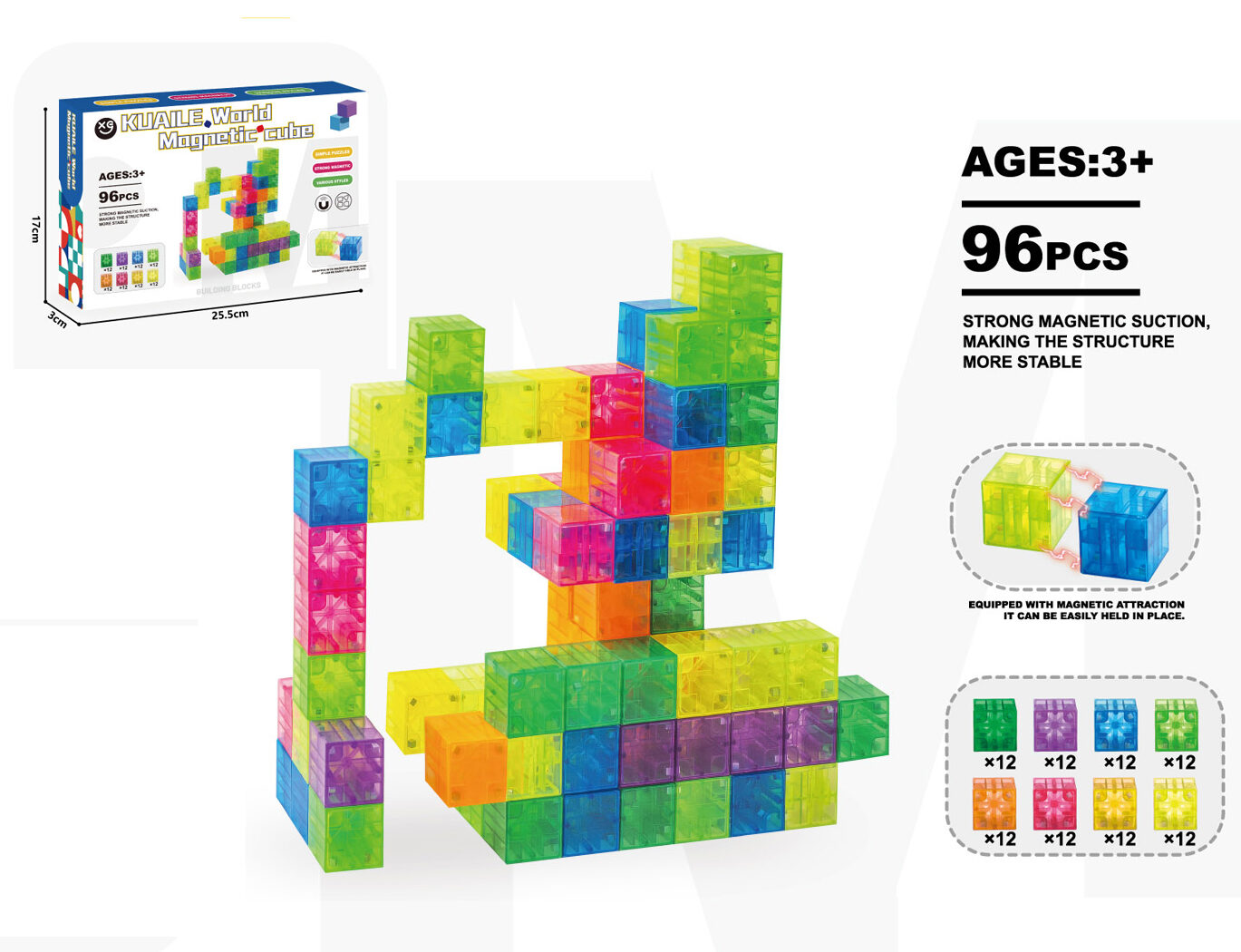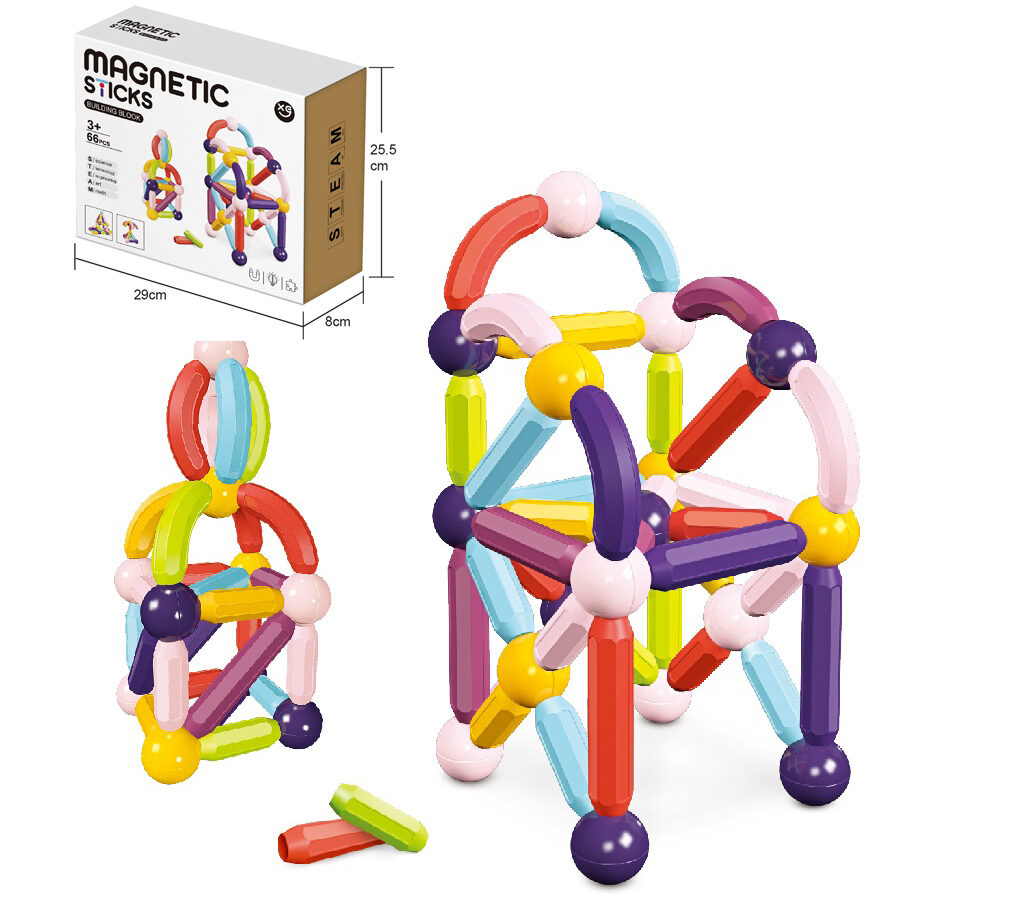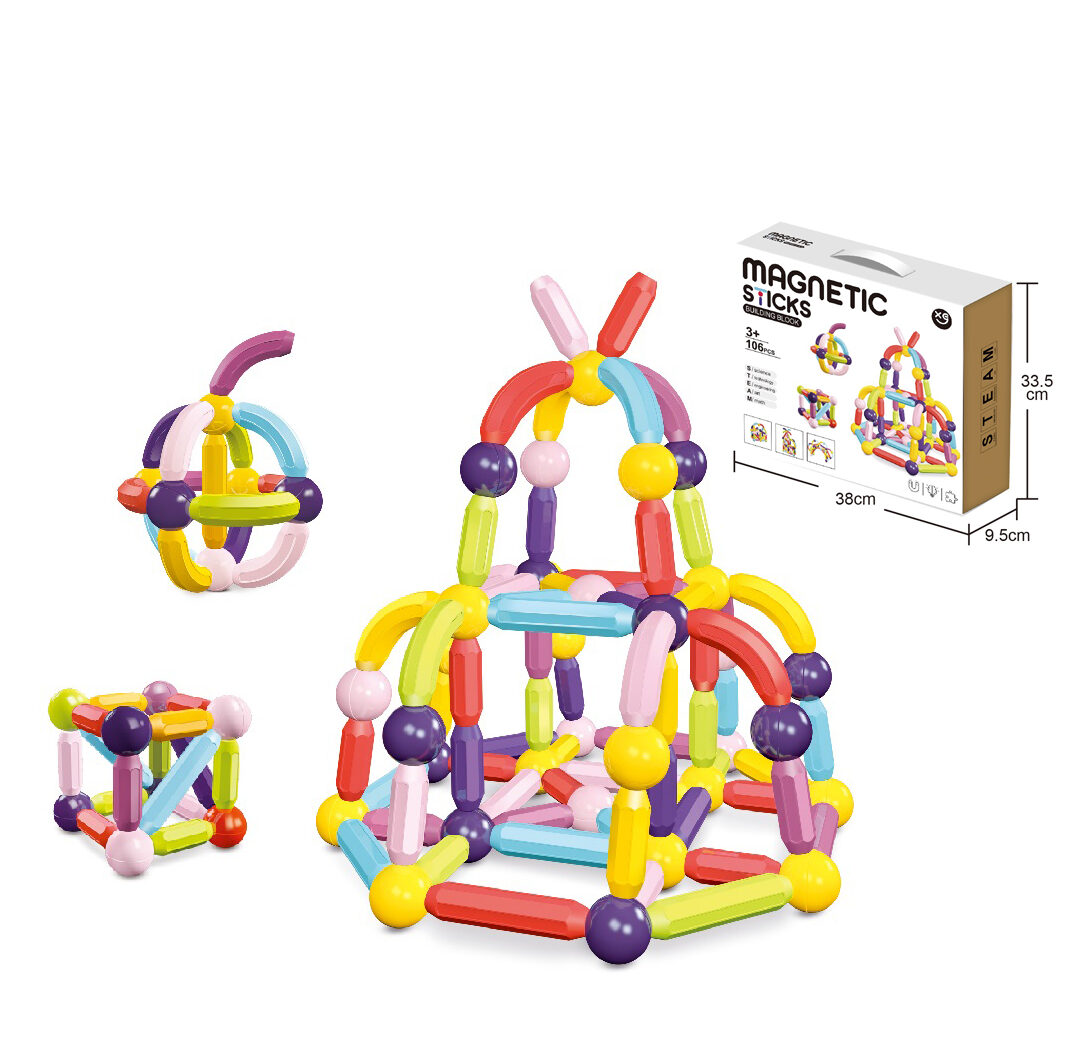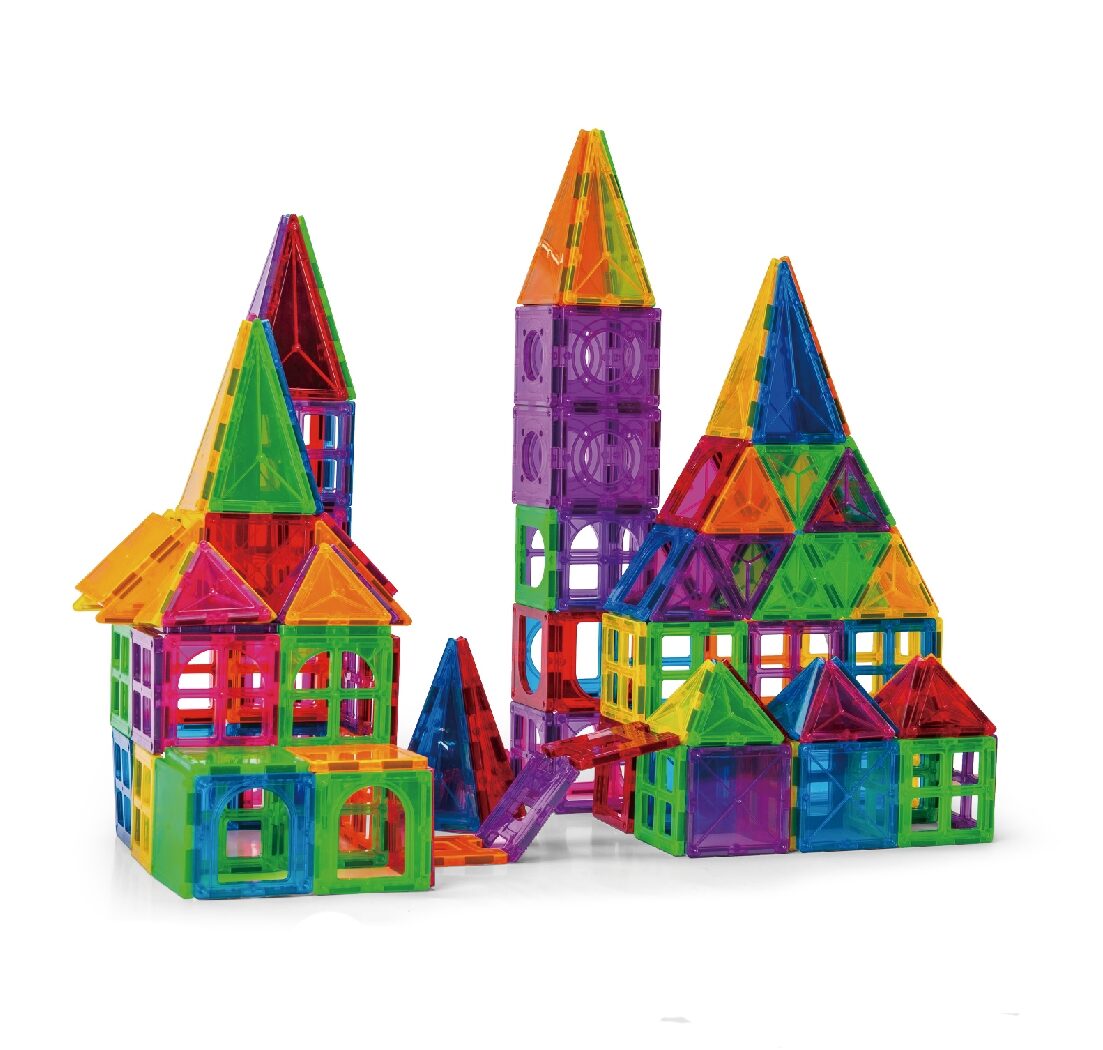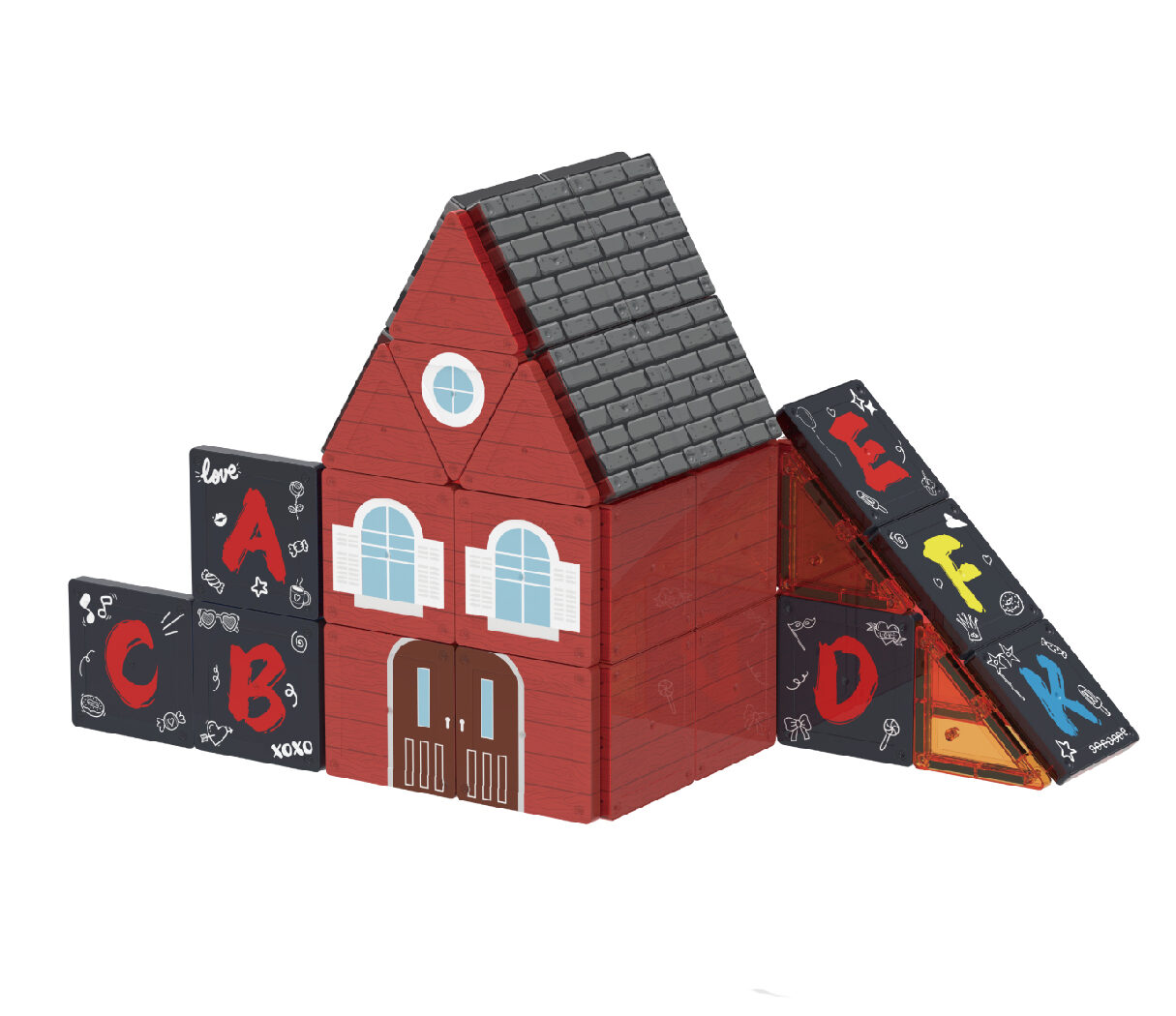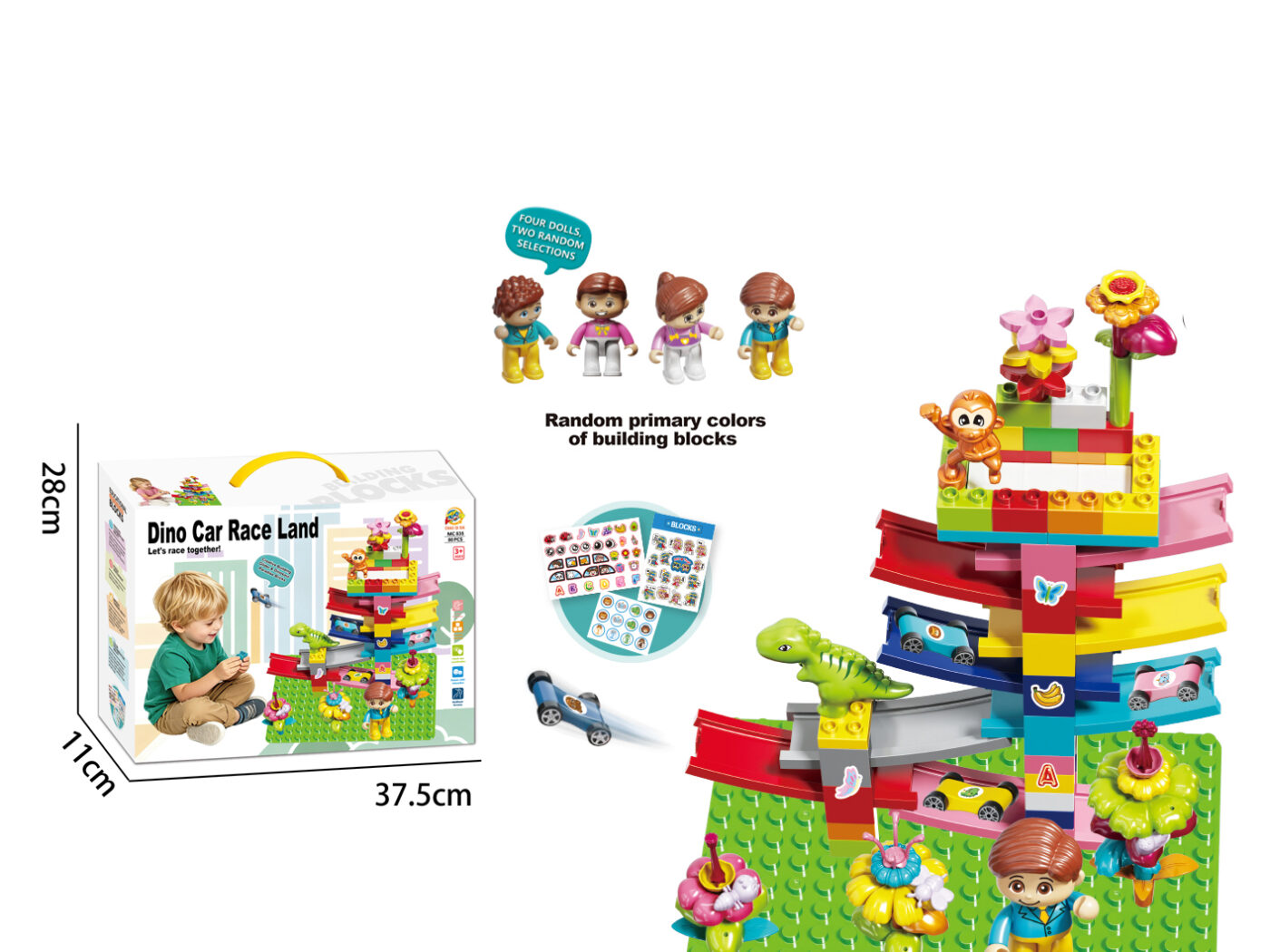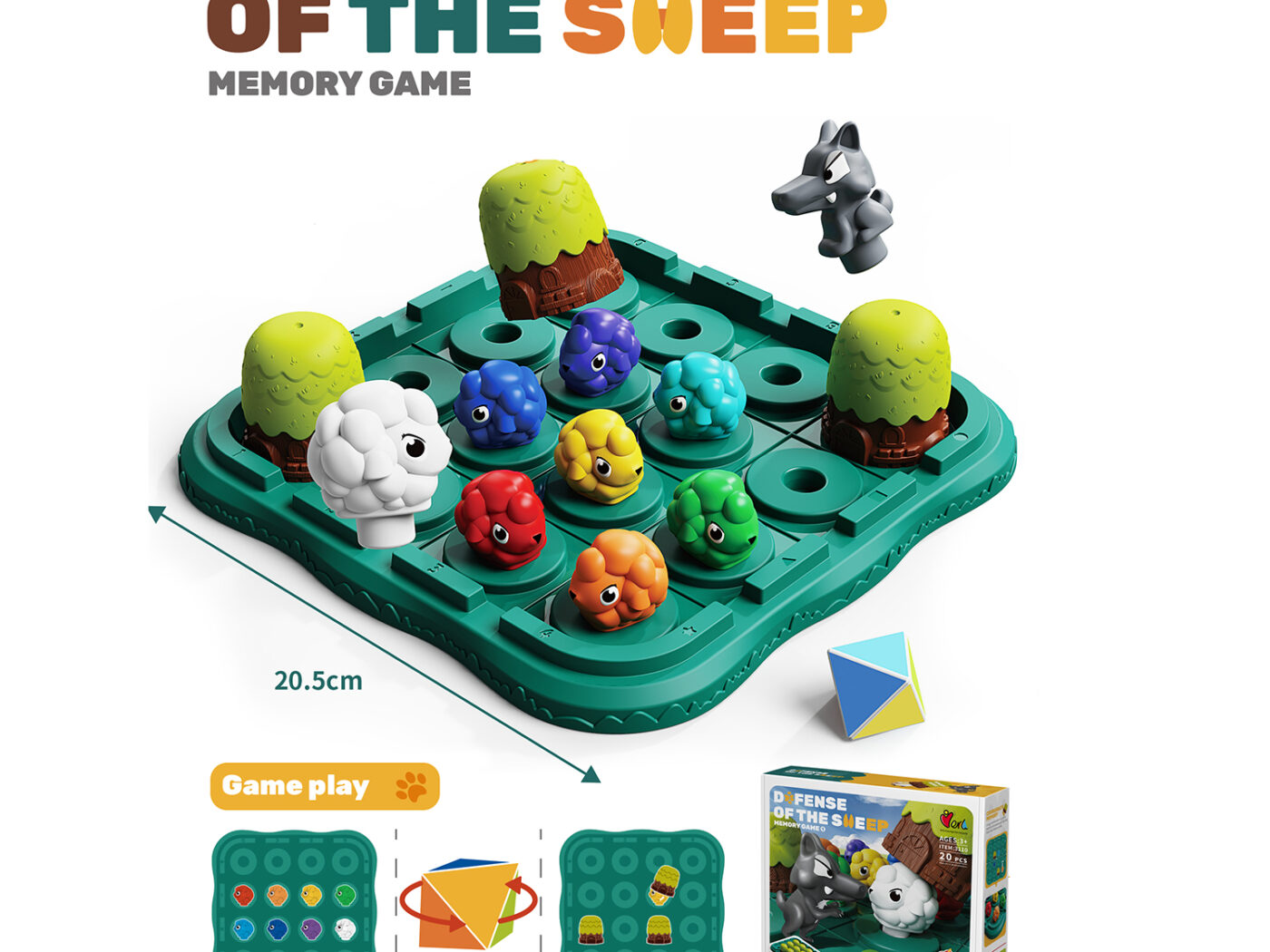


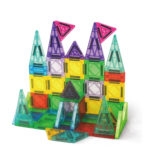
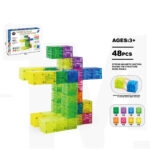
For international toy importers, bulk buyers, and e-commerce brands, adding STEM (Science, Technology, Engineering, and Math) toys to your portfolio is a highly lucrative move.
Educational toys consistently command higher margins and longer product lifecycles than trendy novelty items.
When importing STEM toys, compliance is not just a legal obligation; it is the bedrock of your supply chain security. This comprehensive guide breaks down the critical safety standards in major markets and outlines how to work with manufacturers to ensure seamless customs clearance.
1. The North American Market: ASTM F963 and CPC Requirements
If you are importing STEM or educational toys into the United States, your products must comply with the Consumer Product Safety Improvement Act (CPSIA) regulations. The gold standard for toy safety in the US is ASTM F963.
Key Areas of ASTM F963 Testing for STEM Toys:
- Small Parts Regulations (16 CFR 1501): STEM toys often include gears, bolts, or small experimental components. If the toy is intended for children under 3 years old, no part can fit inside a standard small parts test cylinder. For children aged 3–6, explicit choking hazard warning labels are mandatory.
- Heavy Metals and Lead Content: Both the surface coatings (paints, inks) and the substrate materials (plastics, wood, electronics) must be tested to ensure lead and soluble heavy metals (like cadmium, barium, and mercury) do not exceed strict parts-per-million (ppm) limits.
- Battery and Electrical Safety: Many advanced STEM toys incorporate robotics, coding modules, or battery compartments. ASTM F963 mandates that battery compartments must be secured with a screw or tool to prevent children from accessing them, eliminating ingestion risks.
The Crucial Document: Children’s Product Certificate (CPC)
As the importer of record, you are legally responsible for issuing the Children’s Product Certificate (CPC). You cannot simply copy a document from a factory.
A valid CPC must be based on passing test results from a CPSC-accepted, third-party laboratory. It must list your company details, the specific manufacturing dates/locations, and the exact testing standards applied.
2. The European Market: CE Marking and EN71 Framework
To distribute STEM toys within the European Union (EU) and the UK (via UKCA), your products must bear the CE Mark, demonstrating conformity with the EU Toy Safety Directive (2009/48/EC). The practical implementation of this directive relies on the EN71 series of standards.
Core Components of EN71 for Educational Toys:
| Standard | Focus Area | Relevance to STEM Toys |
| EN71-1 | Mechanical & Physical Properties | Tests the structural integrity, sharp edges, and drop resistance of gears, frames, and building components. |
| EN71-2 | Flammability | Ensures materials used in electronic STEM kits or fabric/plastic components do not ignite easily or burn too rapidly. |
| EN71-3 | Migration of Certain Elements | Restricts 19 specific toxic elements in toy materials. This is highly critical for STEM science kits that include chemical elements, slimes, or molding compounds. |
Technical Documentation (The Technical File)
EU authorities require importers to maintain a “Technical File” for 10 years after the toy is placed on the market. This file must contain design drawings, material safety data sheets (MSDS) for any chemical components, and comprehensive test reports matching the batch numbers of your shipment.
3. How to Partner with Laboratories for Pre-Shipment Verification
Relying blindly on a supplier’s word regarding compliance is a major supply chain vulnerability. Established international brands mitigate this risk by partnering with recognized global third-party testing, inspection, and certification bodies, such as:
- SGS
- TÜV Rheinland / TÜV SÜD
- Intertek
- Bureau Veritas (BV)
Best Practices for Importers:
- Verify Laboratory Accreditation: Ensure the lab testing your product is specifically accredited by the relevant governing body (e.g., CPSC-accepted for the US or CNAS-accredited with international mutual recognition).
- Test the “Gold Sample” (Pre-Production): Before authorizing mass production, have the factory send final prototype samples directly to the lab. Testing at this stage prevents you from wasting capital on a non-compliant production run.
- Implement Batch-Testing Protocols: Standards change, and factory raw material suppliers can change without your knowledge. Establish a protocol where random samples are pulled from the actual production line (During Production Inspection – DUPRO) or from the finished batch (Final Random Inspection – FRI) for laboratory validation.
4. Mitigating Risk: Proactive Sourcing and Contract Management
Compliance should be integrated into your initial sourcing negotiations, long before a deposit is paid. When sourcing STEM toys from manufacturing hubs, use the following framework to protect your investment:
📋 Sourcing Checklist for Compliant Toy Importing
- Supplier Auditing: Screen factories for existing ISO 9001 or ICTI (International Council of Toy Industries) certifications, which indicate a robust quality management system.
- Clear Contractual Clauses: Include a strict compliance clause in your Proforma Invoice (PI) or Purchase Order (PO). Explicitly state: “The balance payment is subject to the goods passing a third-party inspection and compliance test (ASTM F963 / EN71) performed by [Your Chosen Lab] at the factory’s expense if a failure occurs.”
- Traceability Labels: Ensure your packaging and the product itself include a tracking label containing your company name, location, and the specific production batch number. This is a mandatory requirement under both CPSIA and EU regulations.
Conclusion
When importing STEM toys, compliance represents the ultimate dividing line between sustainable, profitable growth and catastrophic legal liabilities. By understanding market-specific standards like ASTM F963 and EN71, taking ownership of the CPC/CE certification process, and implementing rigorous third-party testing protocols, you protect your brand, satisfy e-commerce platform algorithms, and—most importantly—ensure the safety of the children using your products.
Are you looking to source premium, fully certified STEM toys for your brand? Contact our supply chain experts today to request our latest compliance certifications, factory audit reports, and factory-direct OEM/ODM pricing.