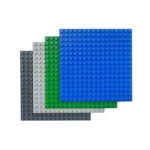
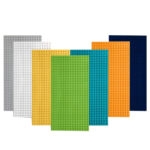
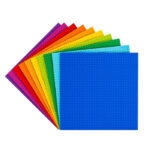
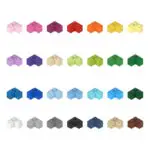
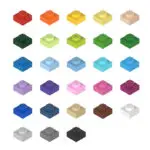


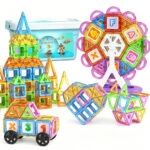
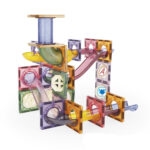
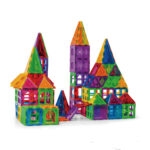
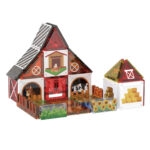

The global community for MOC (My Own Creation) building blocks has exploded. Adult Fans of Lego (AFOL) and hobbyists are continuously looking for custom, highly detailed brick sets that go beyond standard retail offerings. For private label brands and bulk importers, this represents a massive market opportunity.
However, MOC consumers are arguably the most discerning and critical buyers in the toy industry. A single missing brick or a loose connection can ruin a 3,000-piece build, leading to devastating 1-star reviews on Amazon or your e-commerce site.
When it comes to MOC building blocks manufacturer sourcing, you cannot treat bricks like generic plastic commodities. You must evaluate factories based on three hyper-specific technical metrics.
Metric 1: Clutch Power and Tolerances (Micron-Level Precision)
“Clutch power” refers to the friction that holds two building blocks together. It must strike a perfect balance: tight enough so the model doesn’t collapse under its own weight, but loose enough that a child or hobbyist can disassemble it without hurting their fingers.
High-quality brick manufacturers control their injection molding tolerances to ±0.005mm (5 microns) or less.
How to Evaluate This:
When inspecting factory samples, check for cross-brand compatibility. The bricks must seamlessly snap together with major market leaders (like LEGO) without leaving visible gaps or requiring excessive force. If the clutch power feels inconsistent across different colors or batches, it indicates poor temperature control during the factory’s injection process.
Metric 2: “Missing Piece” Control and Automated Sorting Systems
Because MOC sets are highly complex and often contain hundreds of unique part types, the traditional manual packing method is a recipe for disaster. The industry average for manual packing error rates is far too high for premium brands to tolerate.
Top-tier MOC manufacturers mitigate this through advanced automation:
- Automated Weighing and Sorting: Every part category is fed into an automated sorting line where high-precision optical sensors and micro-scales detect variations as small as a fraction of a gram.
- Multi-Stage Verification: The final bagged components are weighed against a digital master weight profile for that exact kit before being boxed.
Importer Safeguard:
Always negotiate a Replacement Parts (Missing Pieces) Clause in your supply agreement. A standard pro-buyer contract should require the factory to provide a 1% to 2% buffer of loose, commonly used parts shipped alongside your bulk order, or guarantee free air-express shipping for missing piece claims raised by your customers.
Metric 3: Tooling Ownership and New Part Development Capacity
The MOC world thrives on innovation. New designs frequently require specialized brick shapes, modified gears, or unique aesthetic pieces.
When auditing a MOC building blocks manufacturer, ask about their tooling capabilities:
- Do they have an in-house CNC mold-making workshop?
- What is their average lead time and cost for creating custom injection molds?
- Do they own the intellectual property rights to their standard brick catalog, or do they outsource production?
A factory with an integrated mold-making department can pivot quickly, allowing your brand to bring exclusive custom MOC designs to market months ahead of competitors who rely on standard, public-domain brick shapes.
Summary for Importers
Success in the private-label brick industry depends entirely on your back-end supply chain. By auditing your potential partners on precision tolerances, automated sorting infrastructure, and mold-engineering capabilities, you ensure your custom sets deliver the premium experience that MOC enthusiasts demand.