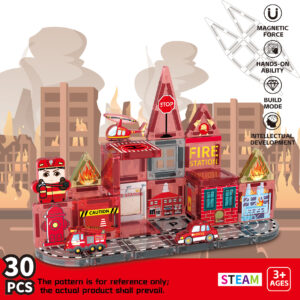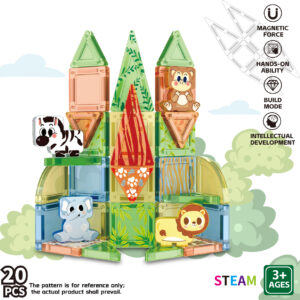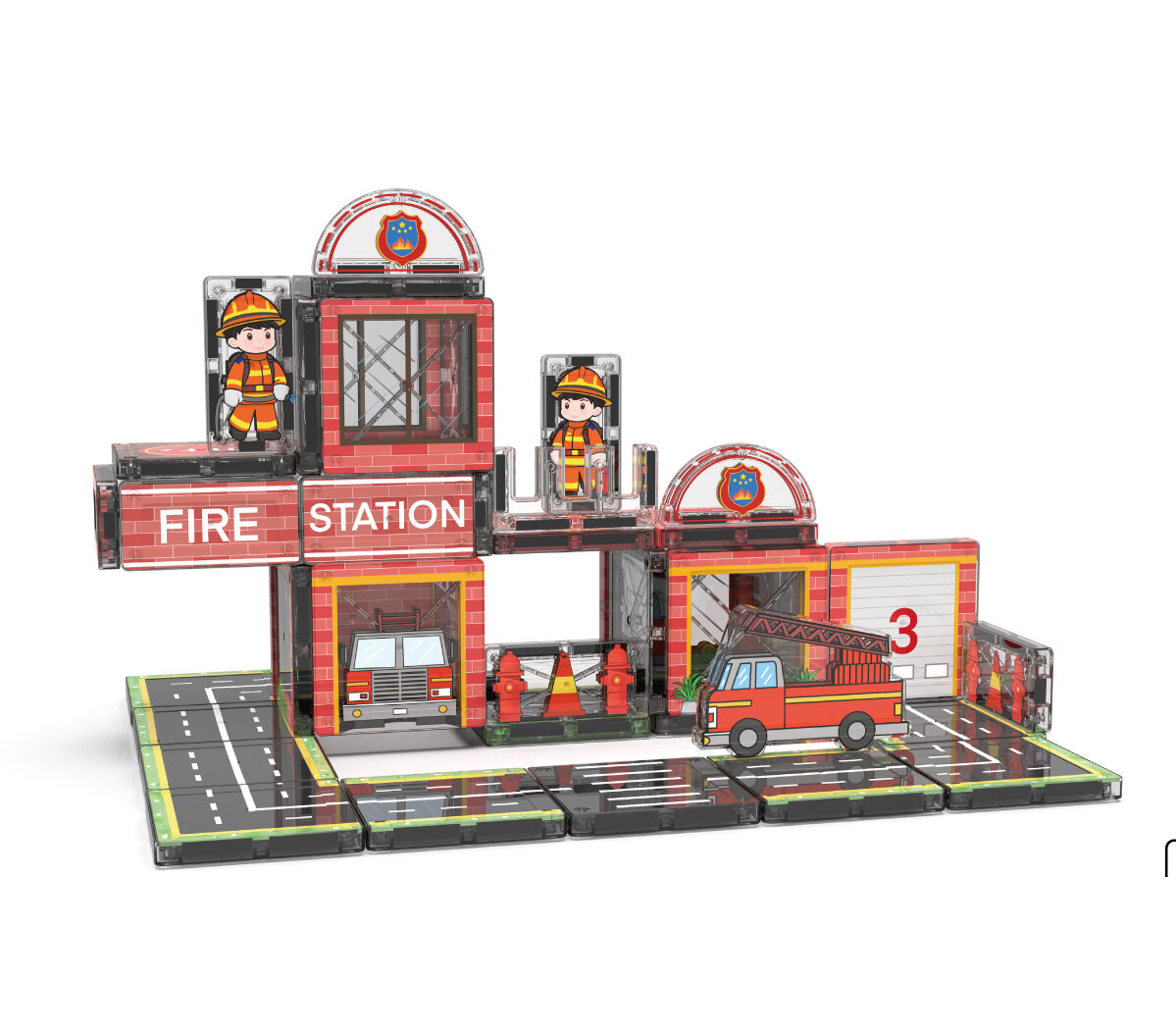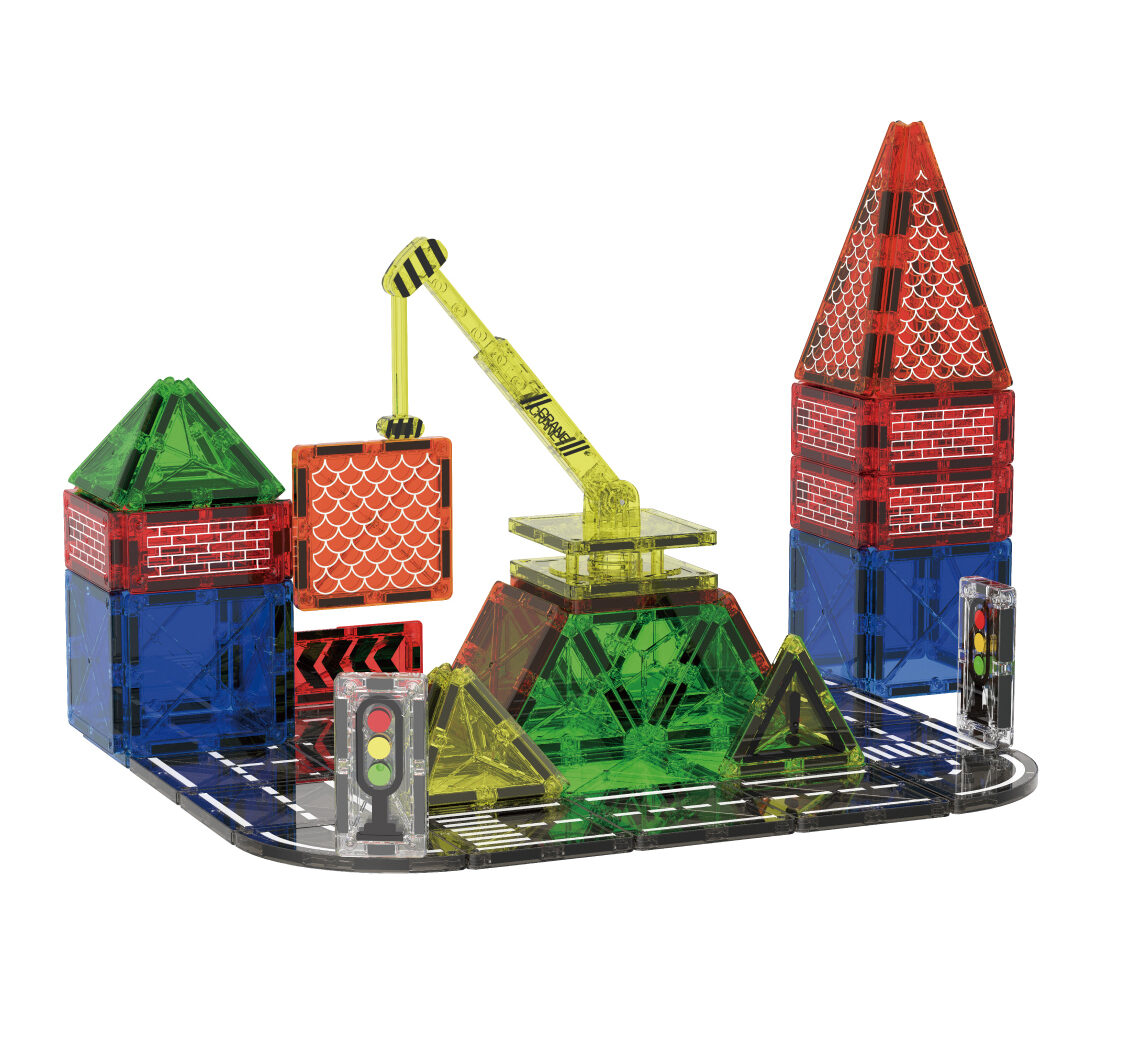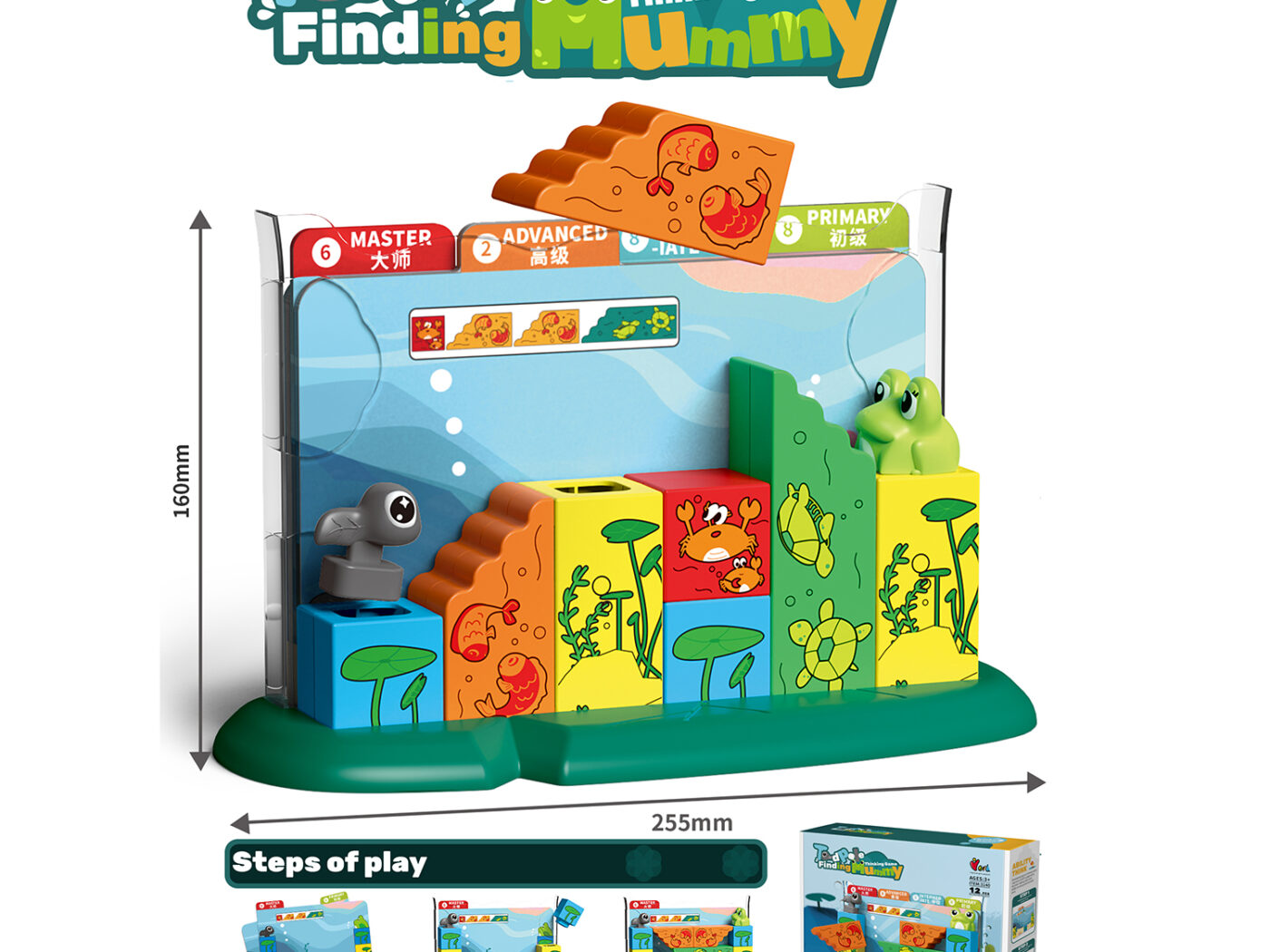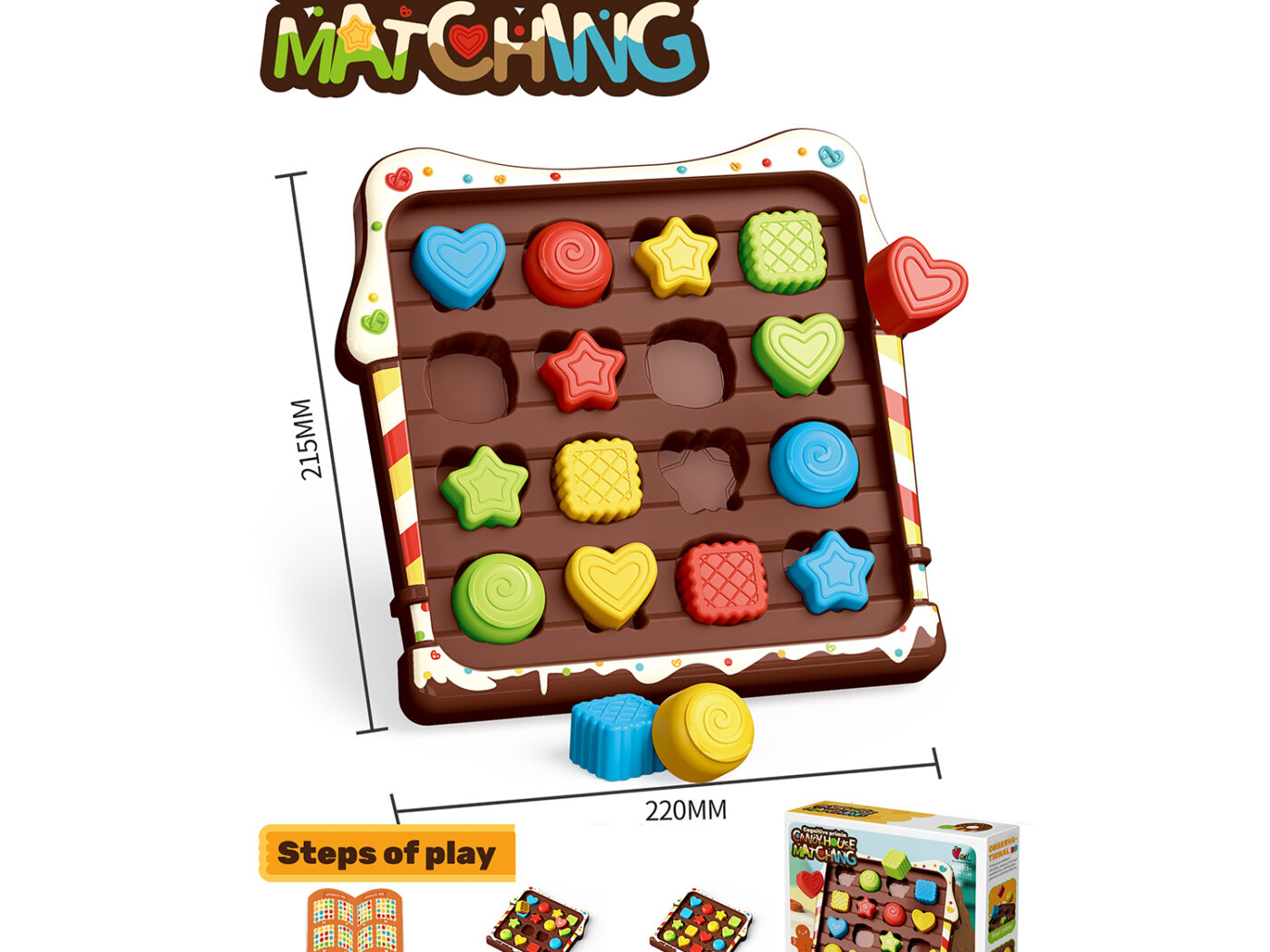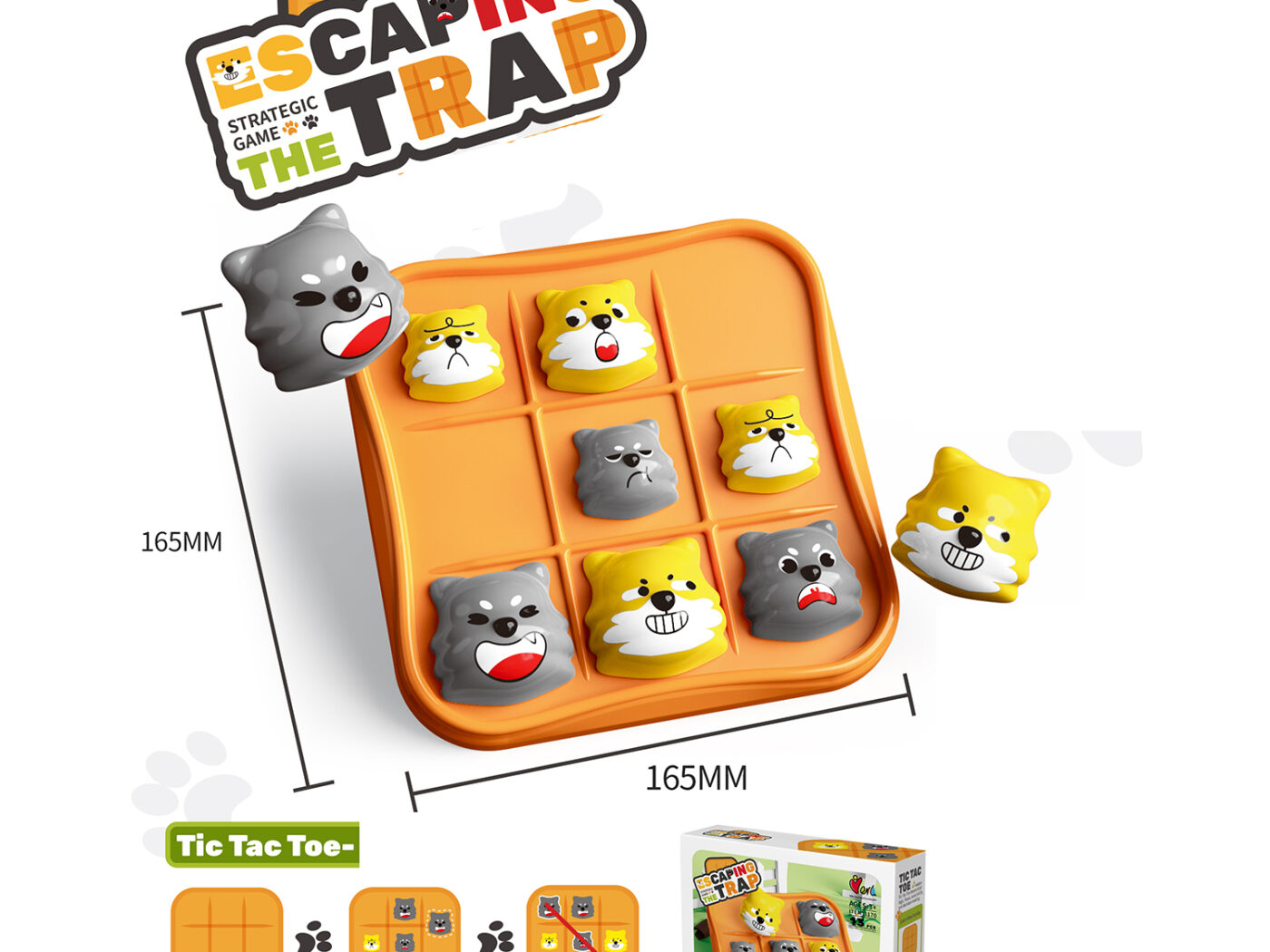

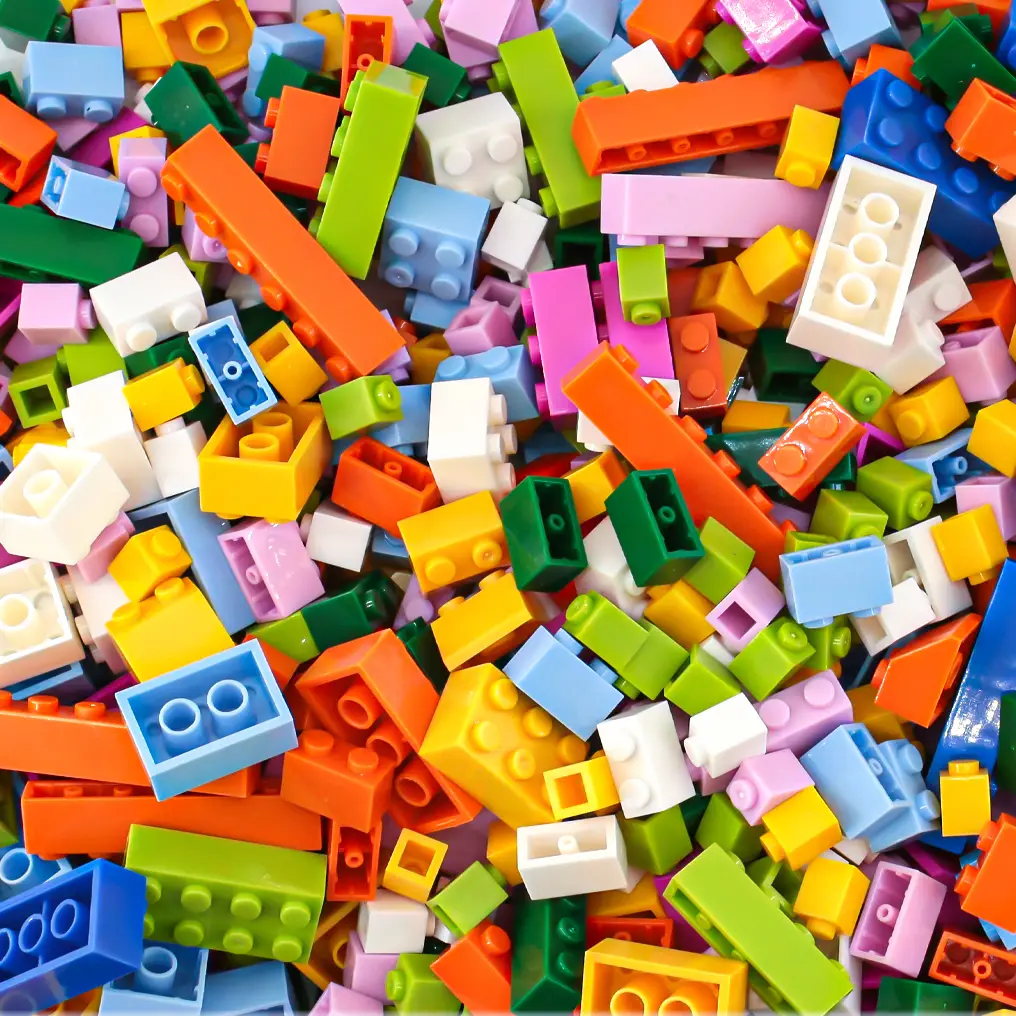
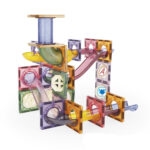
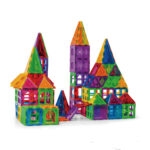
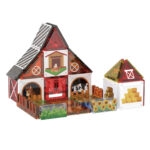

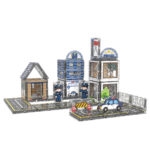
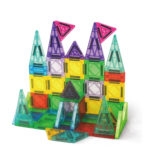
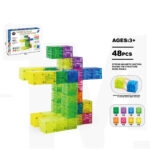
Trade exhibitions like the Canton Fair and the Hong Kong Toys & Games Fair are incredible arenas for discovering innovative STEM kits, magnetic tiles, and educational toys. Hundreds of suppliers showcase flawless, brightly lit product samples that look ready for international retail shelves.
However, the journey from a successful trade show handshake to receiving a compliant, high-quality container load at your warehouse is filled with hidden obstacles.
When sourcing educational toys from China, unexpected pitfalls can drain your margins and delay your product launches. This guide outlines the three most common sourcing mistakes made by international buyers and how to bypass them.
Pitfall 1: The “Gold Sample” vs. Mass Production Disconnect
It is a common story: the factory sends you a beautiful prototype sample that passes your internal reviews perfectly. But when the 20-foot container arrives at your port, the plastic feels lighter, the colors are slightly off, and the packaging is flimsy.
The Mitigation Strategy:
Never rely on informal sample approvals. Implement a formal “Gold Sample” (产前样) protocol:
- Have the factory produce a sample using the exact raw materials, packaging, and printing techniques intended for mass production.
- Create two identical, signed, and dated versions of this sample. Keep one in your office and send the other to your third-party inspection team in China.
- Your inspectors will use that exact sample as the benchmark during their pre-shipment quality checks.
Pitfall 2: Falling for Dangerously Low Quotations
Negotiating a competitive price is critical for your bottom line. However, in the toy manufacturing industry, an abnormally low price is an immediate red flag.
The market costs for raw materials—such as high-grade ABS, neodymium magnets, and non-toxic soy-based inks—are globally stable. If a factory offers a price that is 20% lower than competitors, they are likely cutting corners where you cannot easily see it:
- Mixing in cheap, brittle recycled plastics.
- Omitting critical anti-UV stabilizers, causing the toys to yellow quickly in retail packaging.
- Reducing the wall thickness of the plastic structures, compromising drop-test safety.
Pro-Tip: Always demand a transparent Bill of Materials (BOM) breakdown during price negotiations. Know exactly what you are paying for.
Pitfall 3: Miscalculating Production Lead Times and Seasonality
The toy industry is intensely seasonal. Up to 60-70% of retail toy sales occur during the Q4 holiday shopping rush.
Many buyers fail to account for the peak manufacturing season in China, which runs from July to October. During this window, factories are pushed to their absolute limits. Lead times can suddenly stretch from 30 days to 60 days, and local shipping ports face severe container shortages.
The Solution:
Reverse-engineer your supply chain calendar. To have inventory safely inside your warehouses or Amazon FBA hubs by October, your mass production deposits must be cleared, and components locked in no later than June/July. Always build a 3-week buffer into your delivery schedules to account for customs clearance or port congestion.