
The educational toy market is evolving faster than ever. Driven by a new generation of tech-savvy, environmentally conscious parents, consumer purchasing criteria are undergoing a massive shift. Importers and e-commerce brands who continue to source generic, outdated items risk facing stagnant inventory and aggressive price wars.
To maintain high margins, your procurement strategy must look 6 to 12 months ahead. Based on recent shifts across global retail channels, here are the defining STEM educational toys market trends for the 2026-2027 seasons.
Trend 1: Eco-Friendly Materials and “Green” STEM
Sustainability is no longer a niche marketing buzzword; it is a core consumer requirement. Parents are actively seeking alternatives to traditional petroleum-based plastics.
- Bio-Plastics and Wheat Straw Composites: Forward-thinking factories are now manufacturing magnetic tiles and structural blocks using bio-based polymers, PLA, or wheat straw composites. These materials reduce the carbon footprint while maintaining impact strength.
- Sustainable Wood Meets Technology: We are seeing a major surge in hybrid toys—combining sustainably sourced, FSC-certified wood bases with modern electronic STEM coding modules or mechanical gears.
Trend 2: Screen-Free Coding and Logic-Based Robotics
While digital literacy is highly valued, parents are increasingly concerned about excessive screen time for children. The market is reacting with a strong demand for “screen-free” tech toys.
Instead of controlling a robot via a tablet or smartphone app, the next generation of top-selling STEM coding kits uses physical inputs:
- Coding blocks that snap together to program a mechanical path.
- Color-sensor cars that follow drawn lines and execute commands based on color markers.
- Puzzle-based board games that teach algorithmic thinking and logic without a single pixel.
Importers should target these screen-free alternatives, as they carry high perceived value and face significantly fewer direct competitors on platforms like Amazon.
Trend 3: Modular, Open-Ended Play Systems
Toys with only one fixed assembly solution are quickly losing market share. Consumers realize that single-purpose toys are abandoned by children after just a few uses.
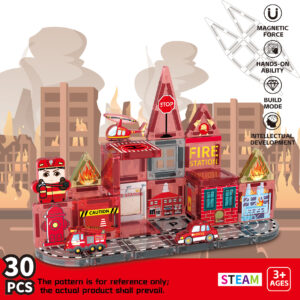
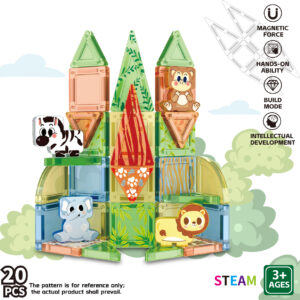
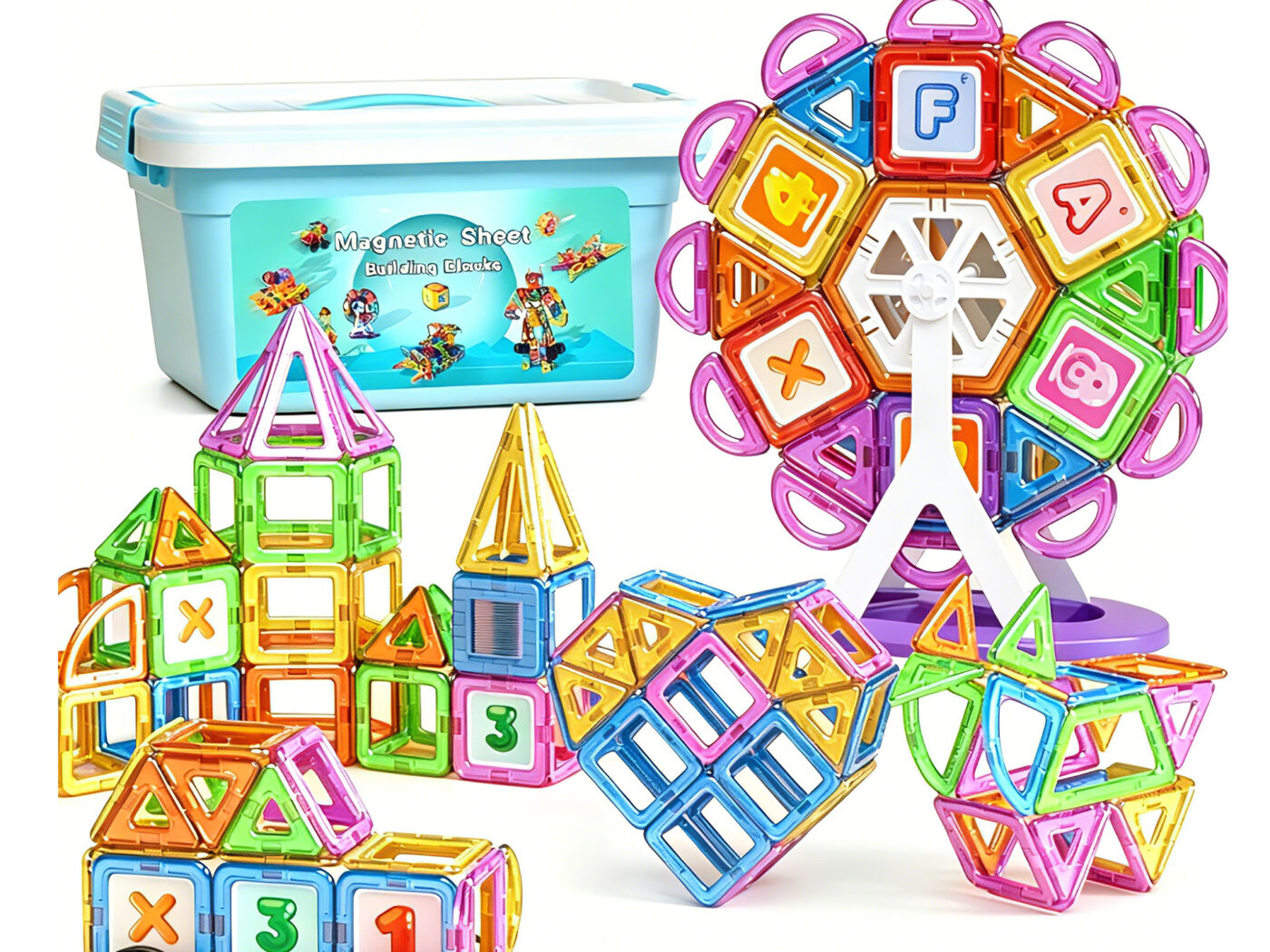
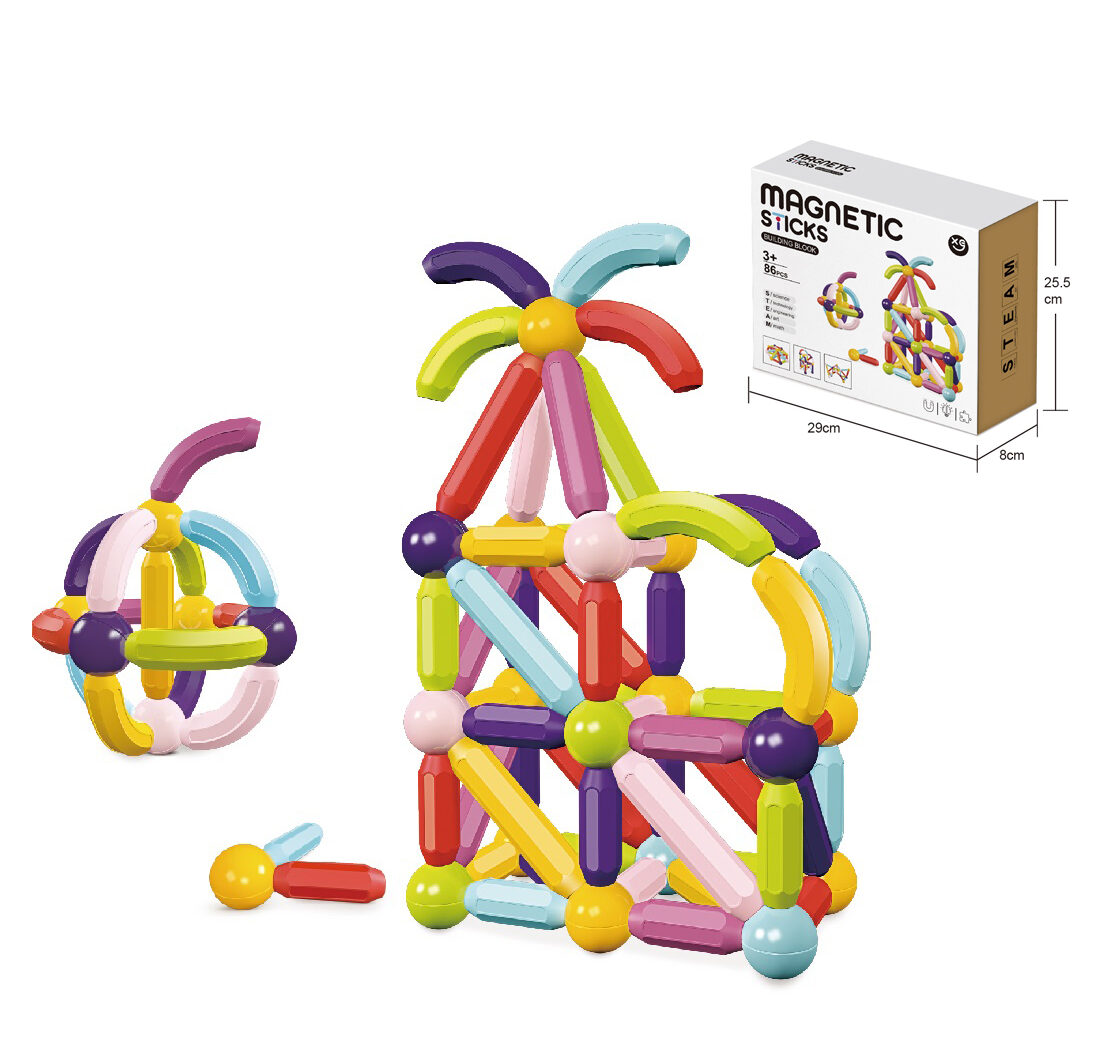
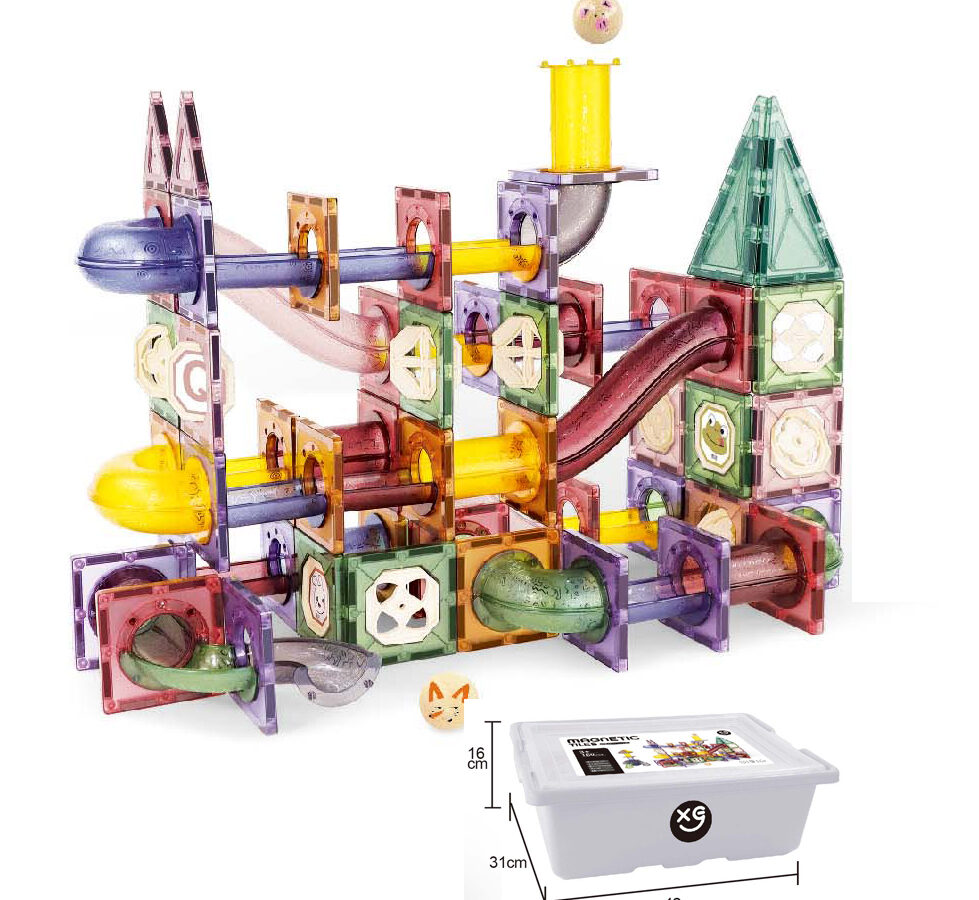
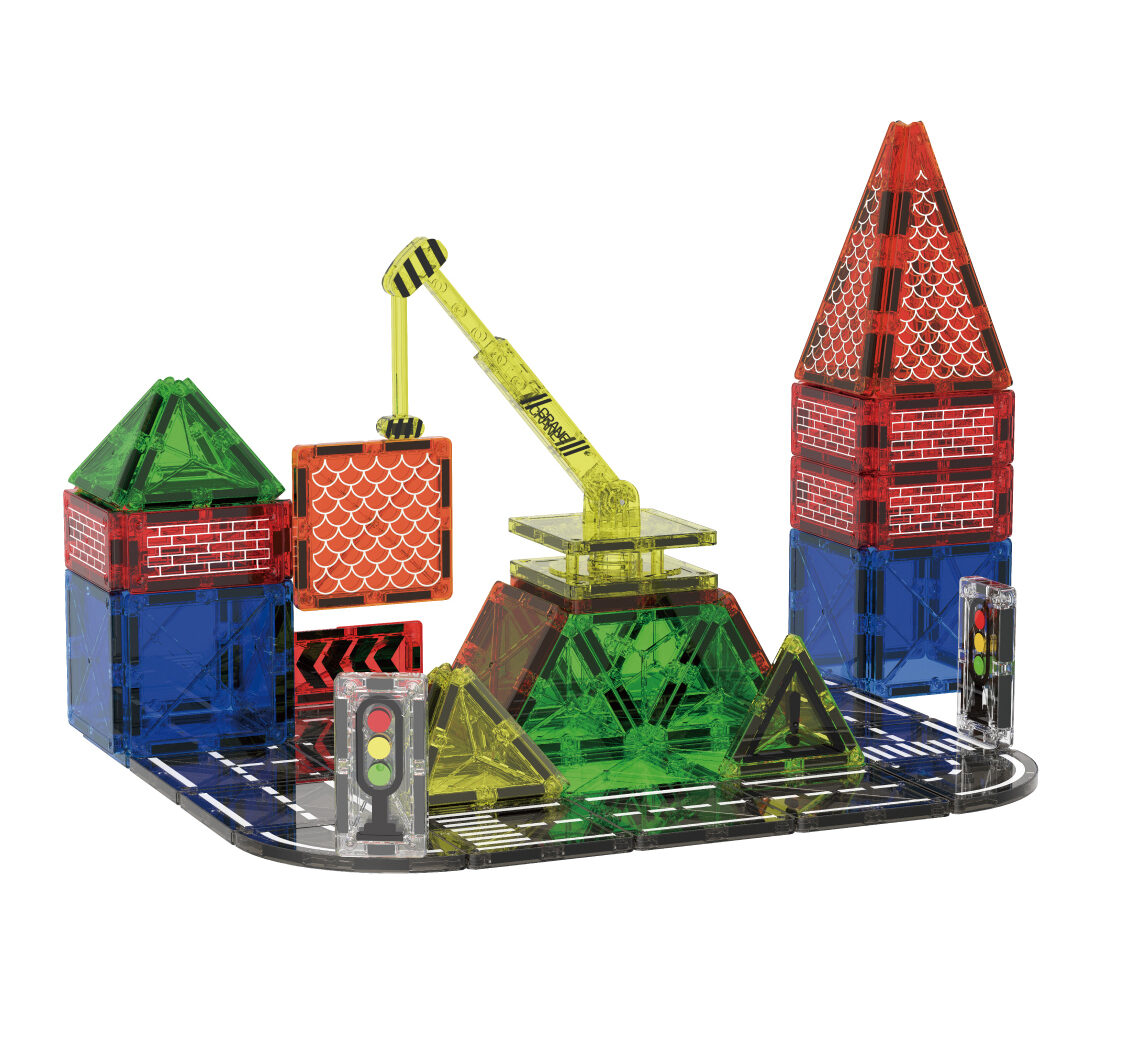
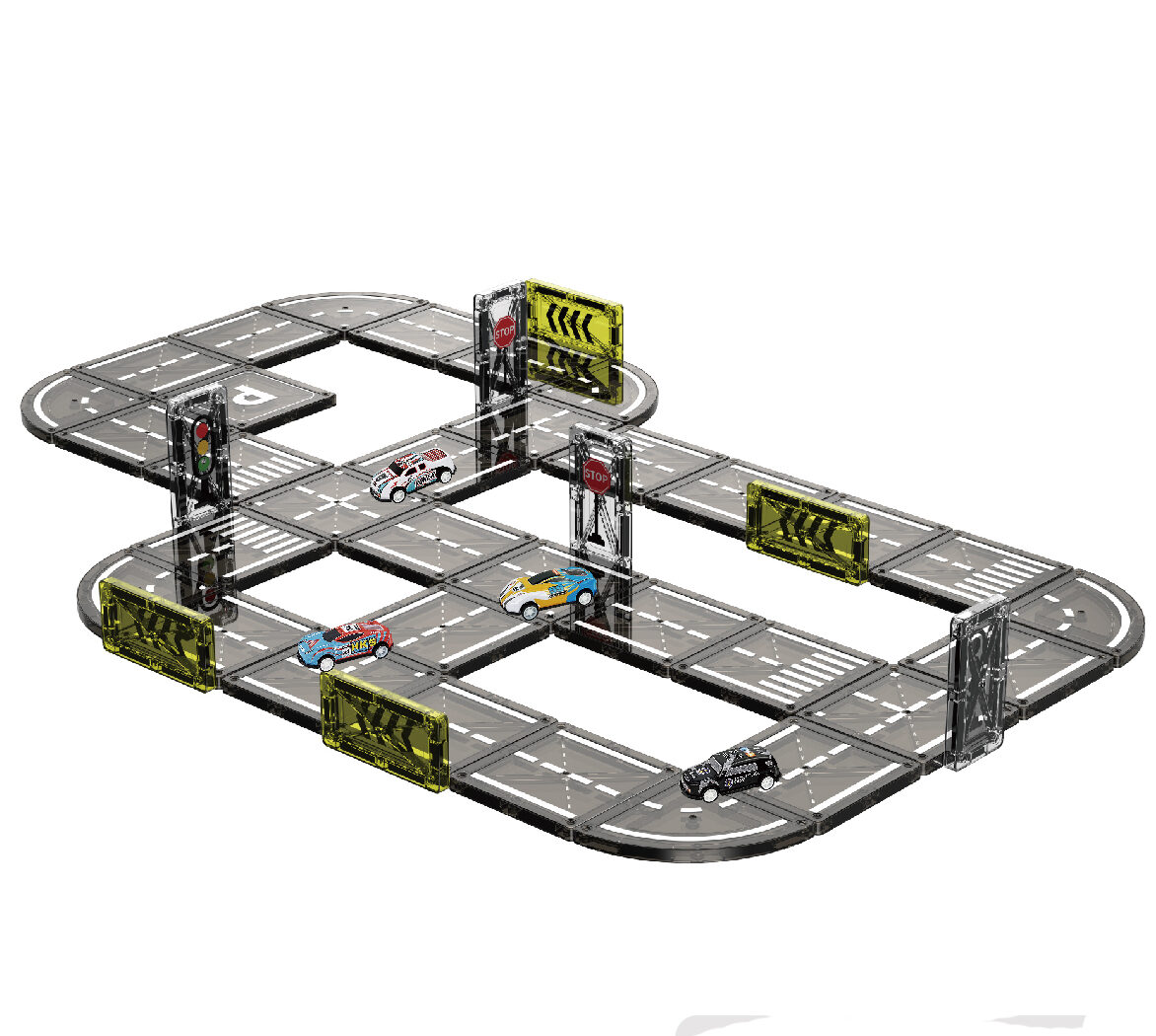
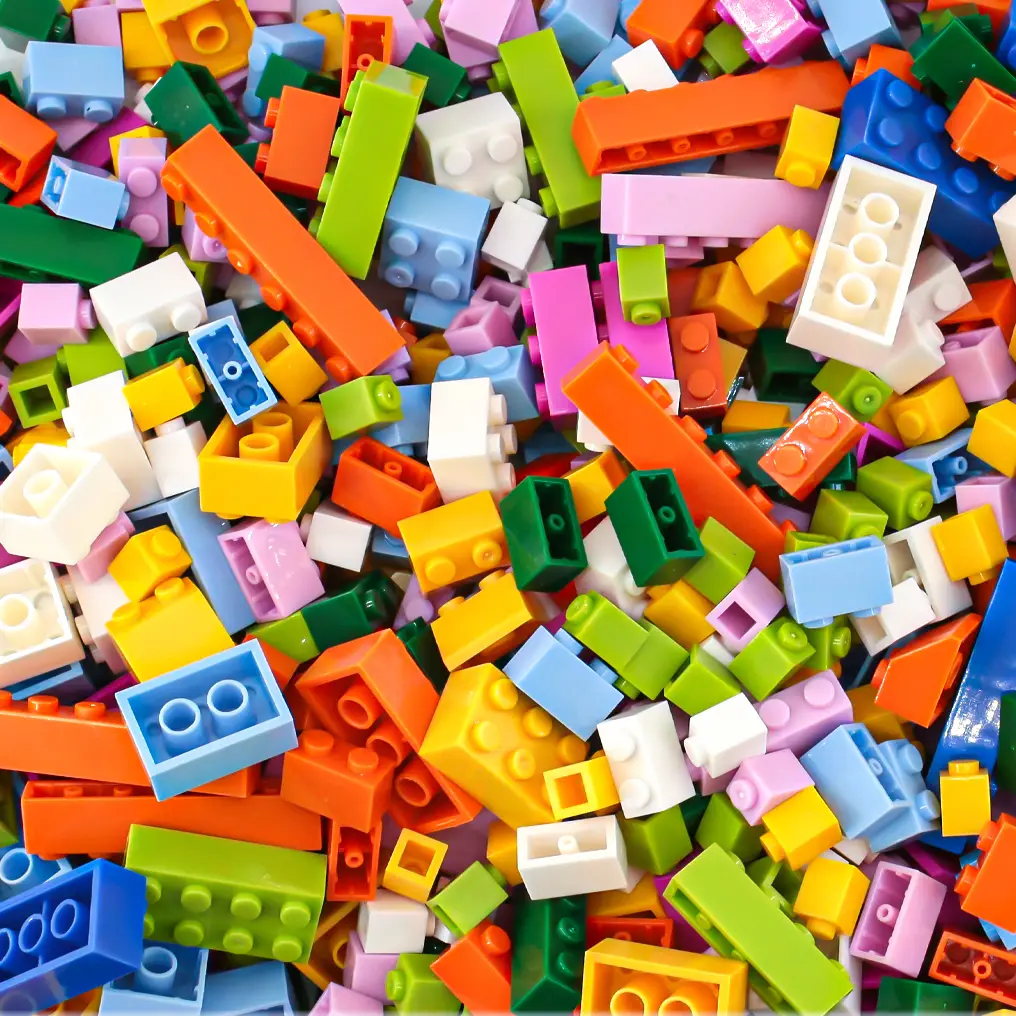
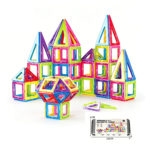
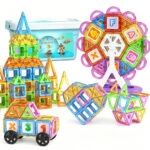
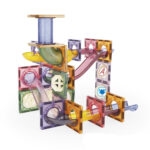
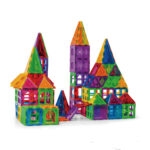
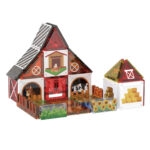
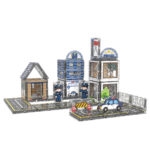
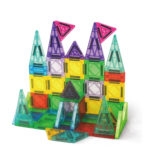
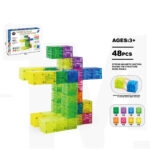
The growth leaders are open-ended construction systems—such as advanced magnetic tiles, geometric pipe blocks, and modular gear sets.
Why This Matters for B2B Importers:
Open-ended toys naturally drive high repeat purchase rates. A parent who buys a 60-piece magnetic tile set this year is highly likely to purchase an expansion pack, a wheeled vehicle base, or a ball-run add-on next year to expand their child’s building capabilities. Focus your private-label inventory on modular product lines that support continuous add-ons.
Strategic Takeaway
The future of the educational toy sector belongs to products that balance cognitive development with physical, sustainable, and expandable play. Aligning your procurement catalog with these 2026-2027 trends ensures your brand stands out as a premium, forward-thinking market leader.