
Material Innovation and Aesthetic Design Trends in Educational Toys: A Sourcing Blueprint
In the highly competitive market for educational toys and construction sets, physical design and material choices are key to product differentiation. Modern consumers are increasingly drawn to subtle, sophisticated design choices, prioritizing eco-conscious materials, refined color palettes, and compact, durable packaging.
For corporate buyers and product managers, incorporating educational toy material innovation and design principles early in development opens up distinct branding opportunities, higher retail price points, and streamlined international distribution.
1. Sustainable Polymer Engineering: PCR and Bio-Plastics
Transitioning Away from Virgin Fossil Plastics
Global environmental legislation and corporate sustainability targets are driving a shift toward renewable and recycled plastics in toy manufacturing. However, replacing virgin polymers requires careful material testing to ensure structural strength and safety standards remain uncompromised.
Navigating Sustainable Material Sourcing
When sourcing recycled or bio-based toys, buyers must verify that raw material suppliers hold clear, traceable certifications:
- Global Recycled Standard (GRS): Confirms exact recycled content percentages and tracks materials through every stage of the supply chain.
- ISCC PLUS Certification: Validates sustainable supply-chain practices for bio-based polymers.
2. Aesthetic Evolution: Pastel, Morandi, and Crystal Translucency
Shifting Beyond Primary Colors
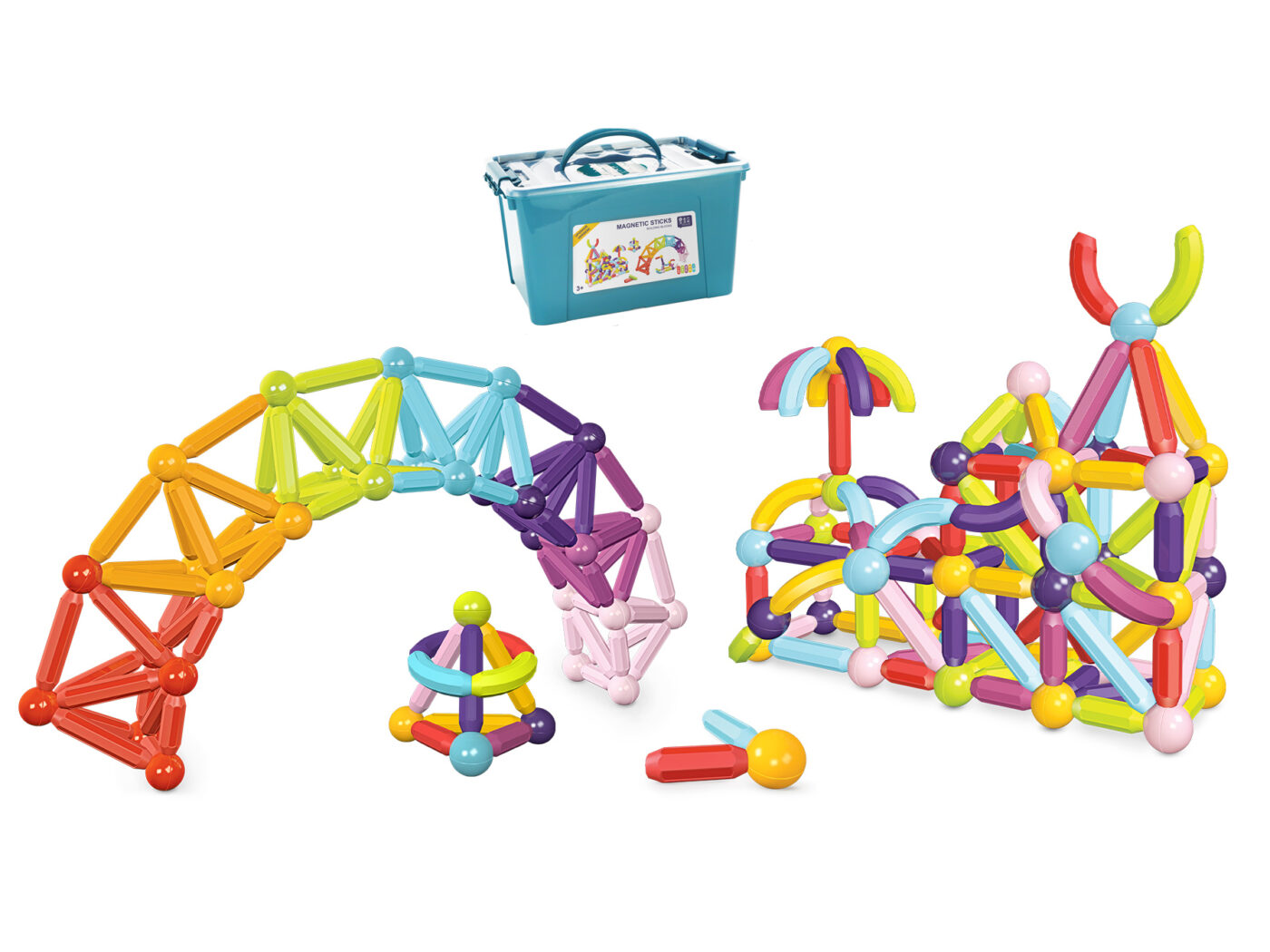
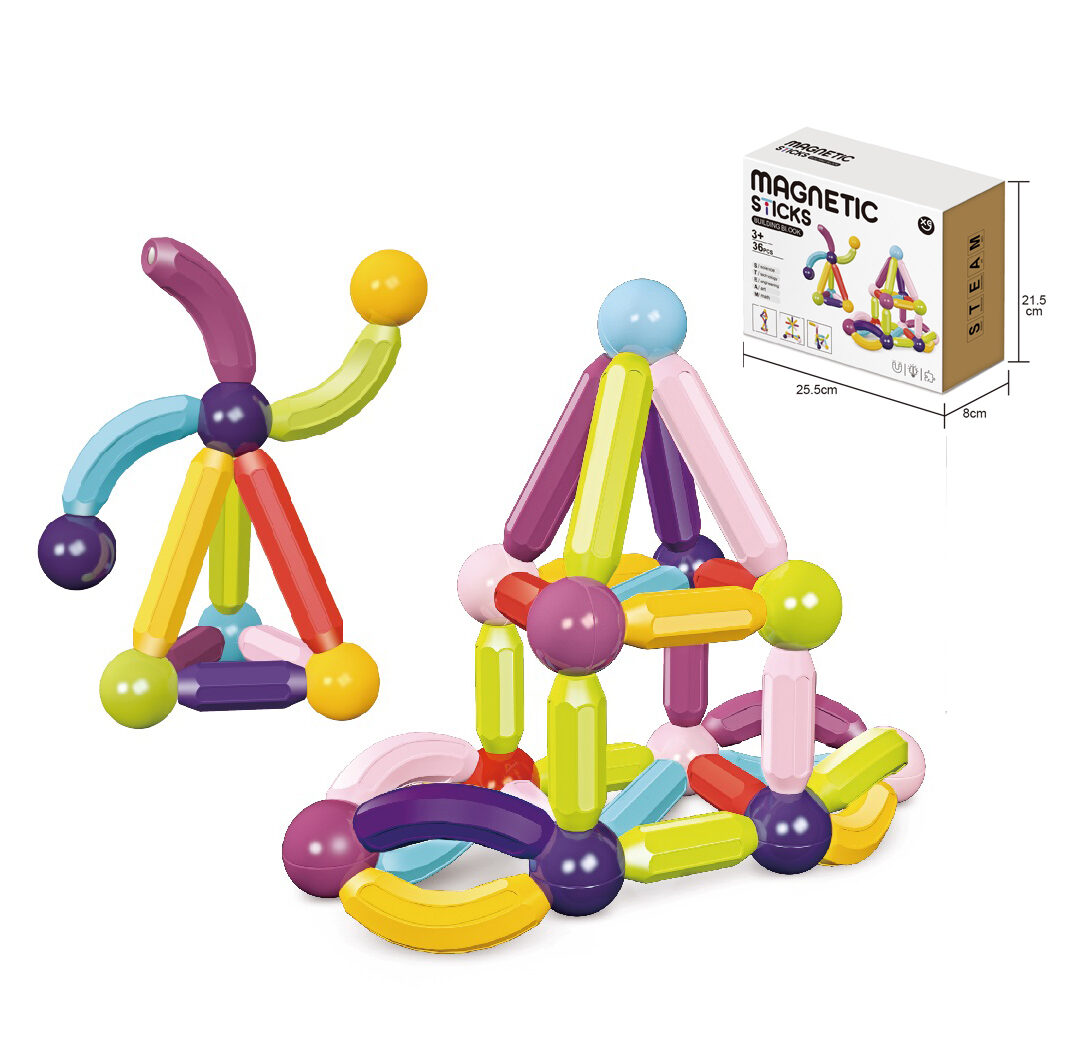
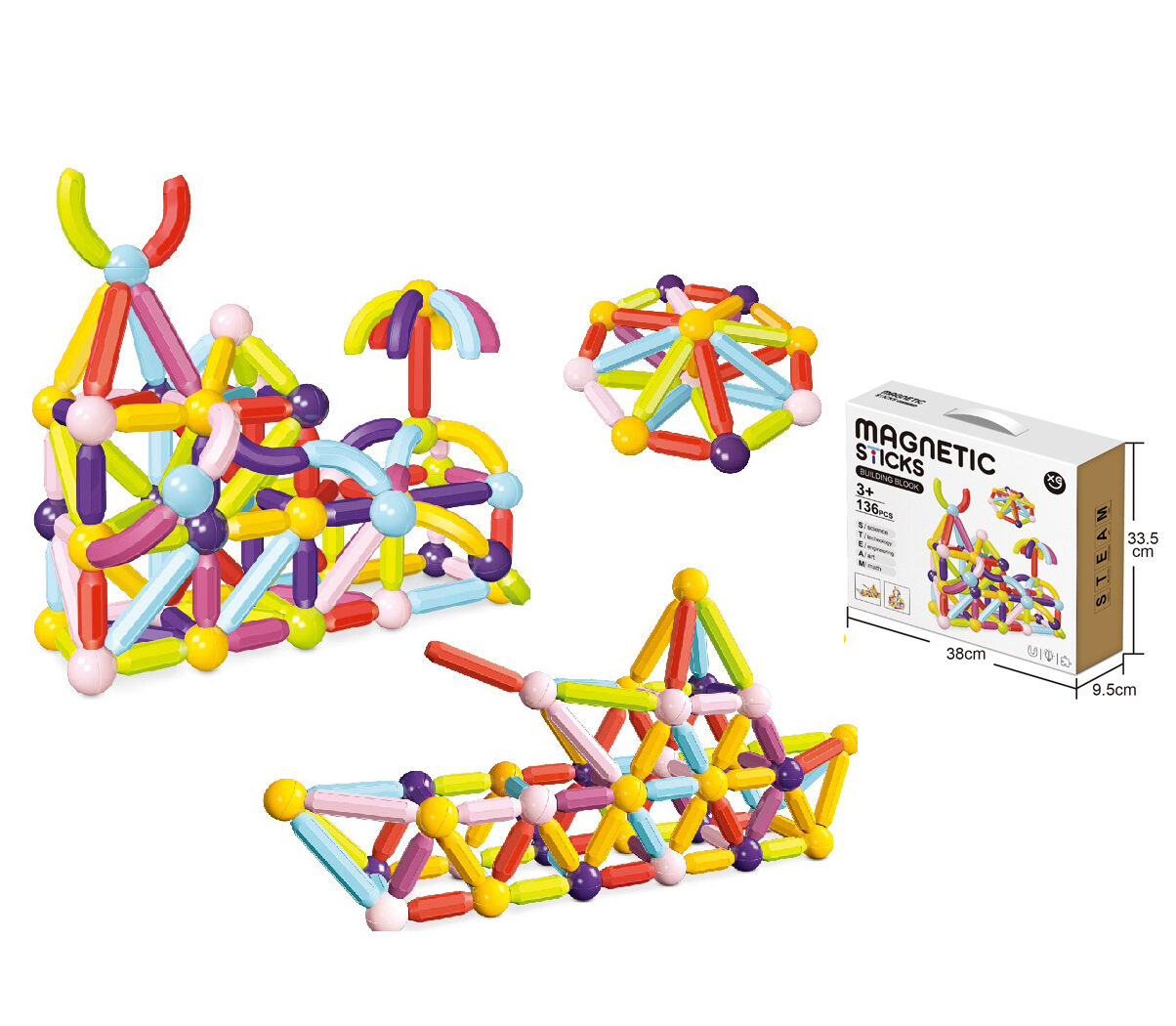
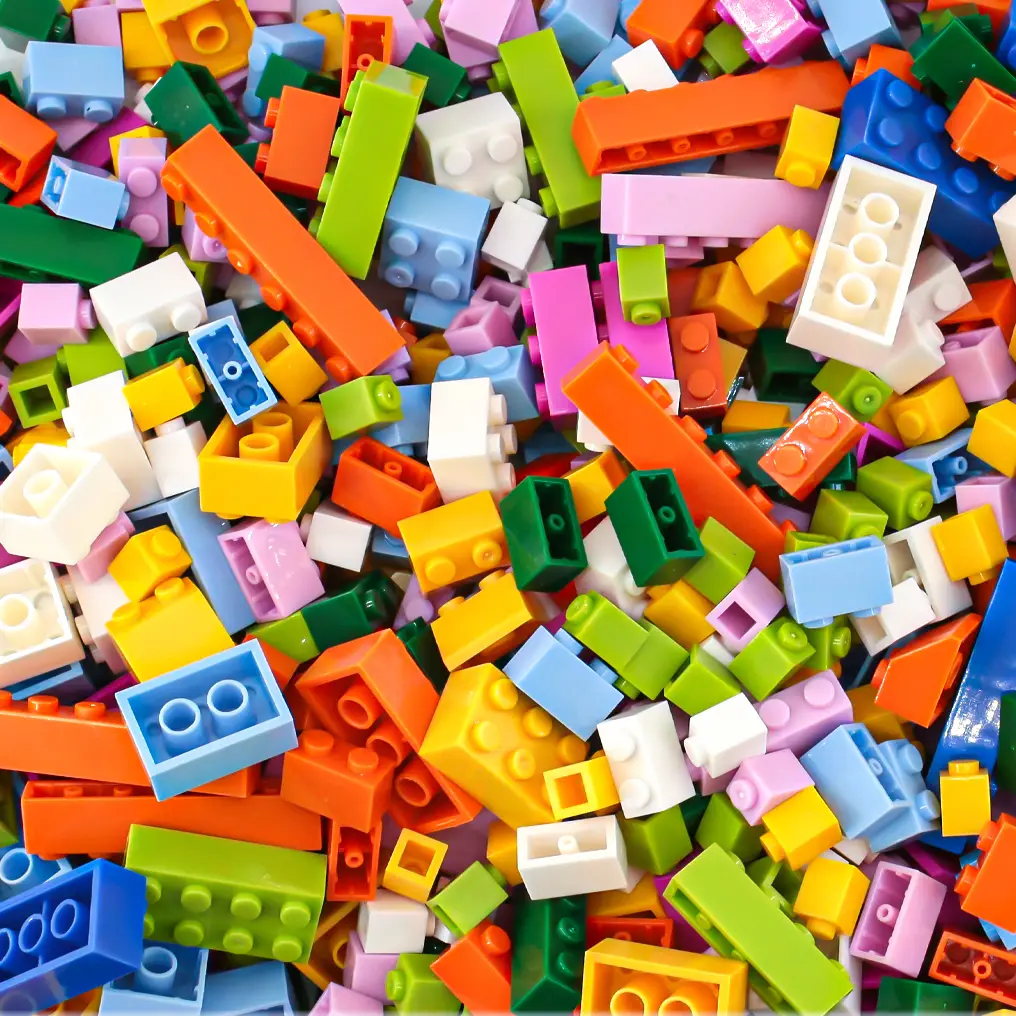
Traditionally, early childhood toys relied heavily on high-saturation primary colors (bright reds, yellows, and blues). Today’s parents, however, prefer softer, more sophisticated aesthetics that complement modern home decor and look appealing on social commerce platforms.
Sourcing Color Innovation
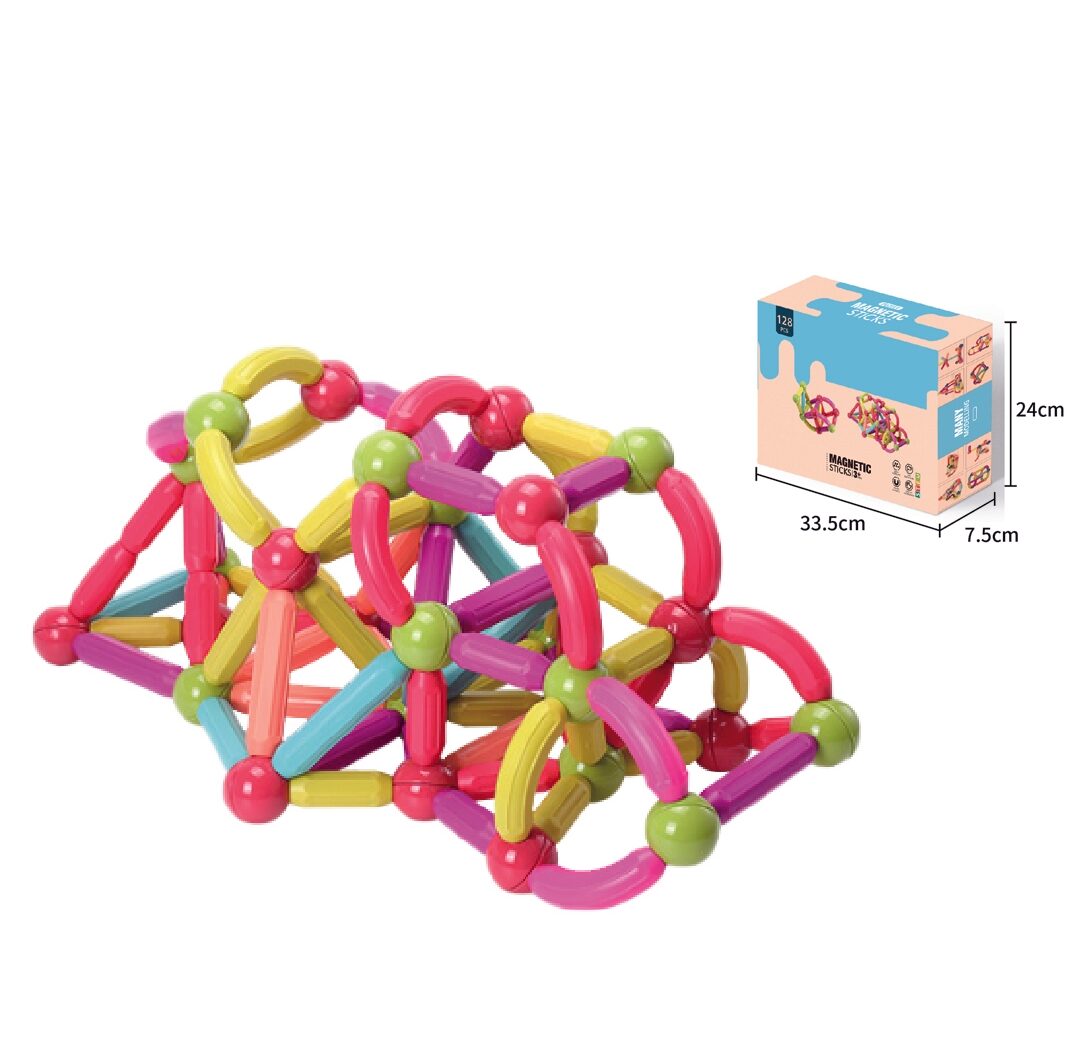
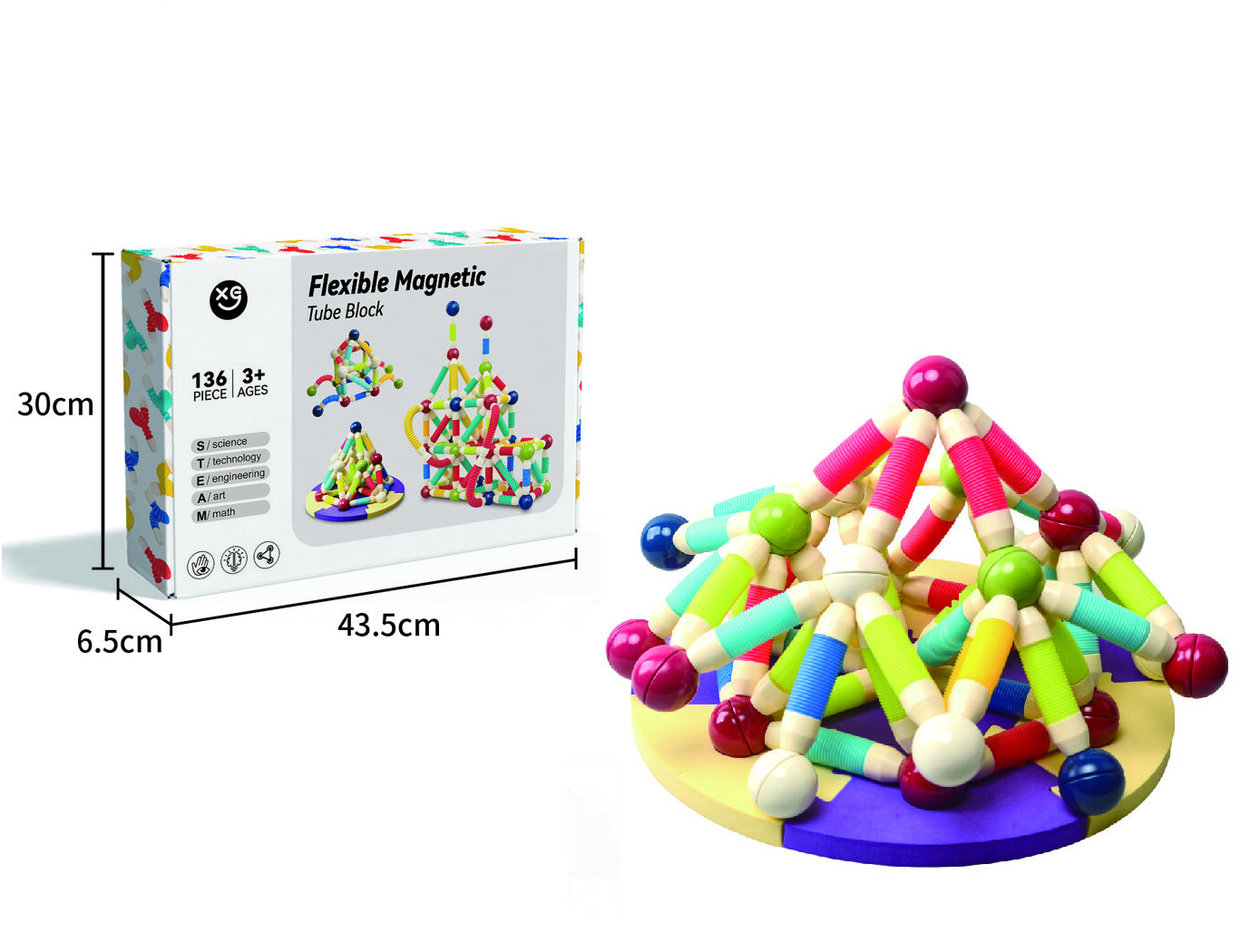
- Muted Morandi and Earth Tones: Subtle sage greens, warm terracottas, dust pinks, and slate blues appeal directly to millennial and Gen Z parents seeking cohesive home decor.
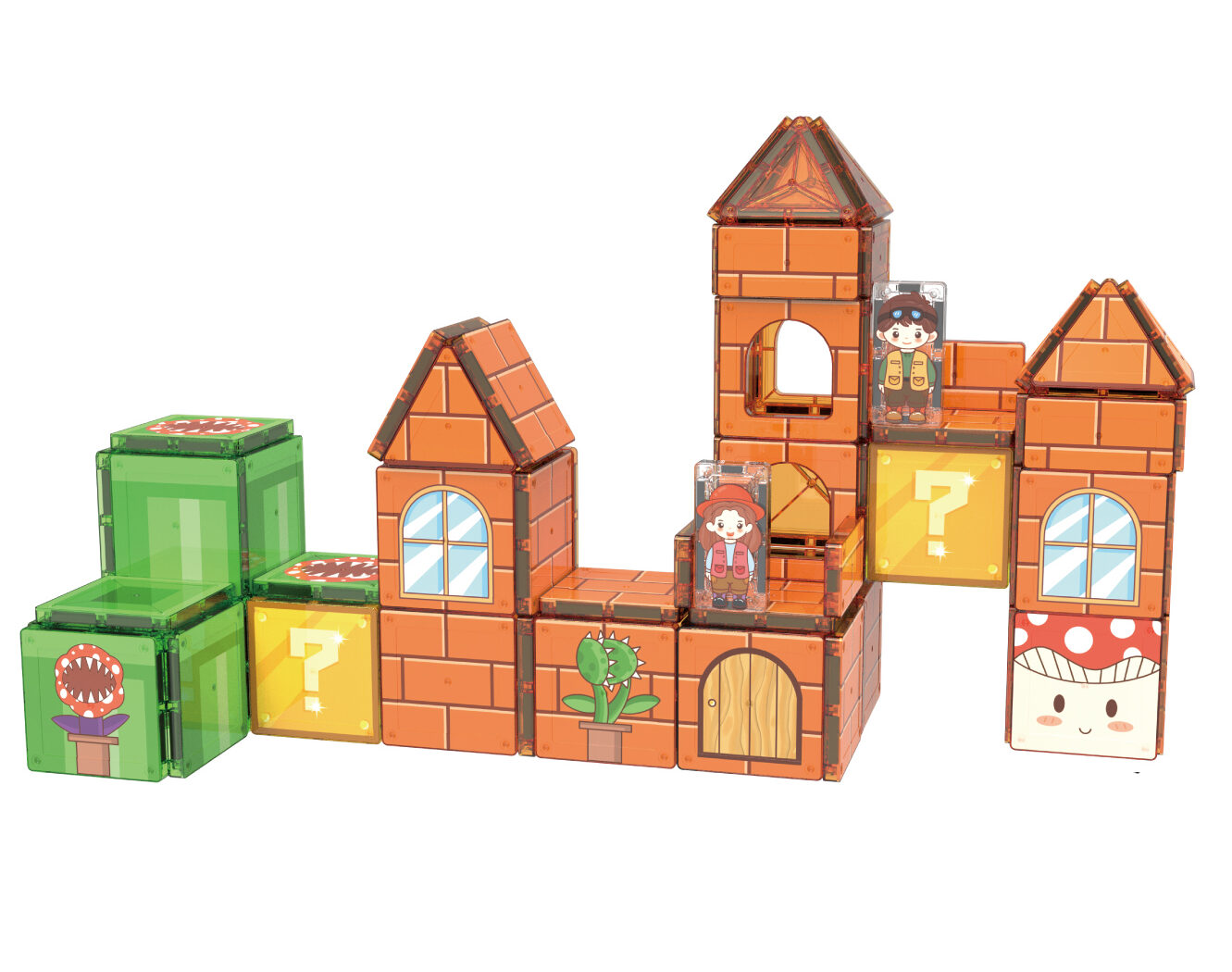
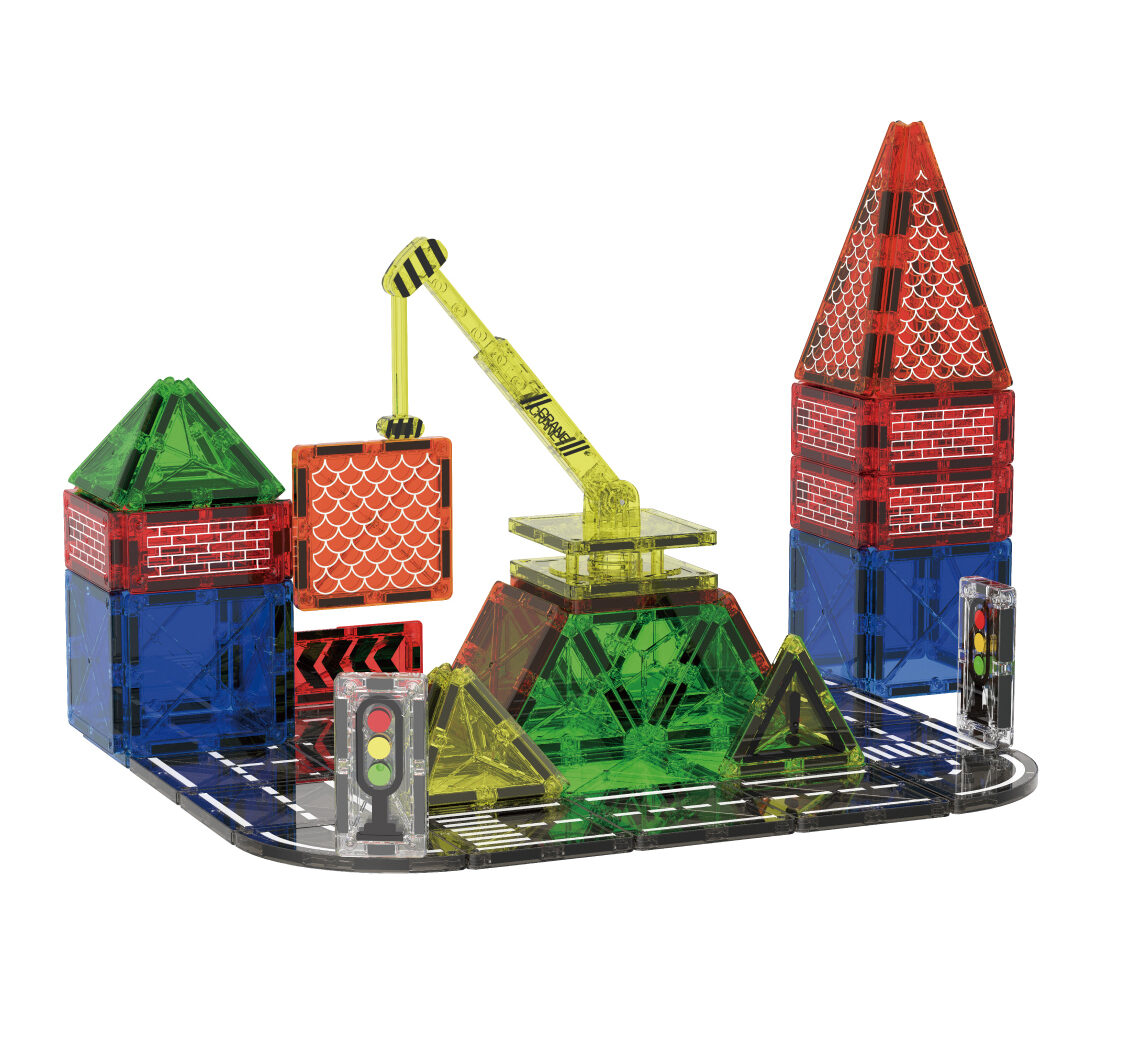
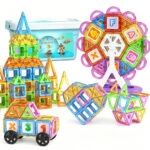
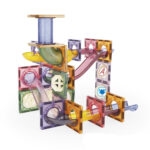
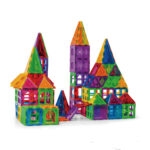
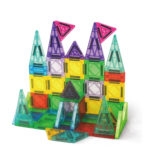
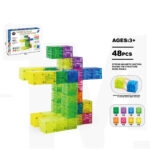
- Crystal Translucency: In magnetic tiles and architectural blocks, high-translucency “ice-gem” finishes maximize light transmission, creating vibrant visual reflections during window play.
3. High-Efficiency, E-Commerce-Ready Packaging Design
Engineering Packaging for Fulfillment Efficiency
Packaging plays a critical role in supply chain profitability. Traditional retail packaging often uses large clear plastic display windows and internal plastic trays to maximize shelf presence, but this design is inefficient and easily damaged in e-commerce shipping networks.
4. Multi-Sensory Surface Texturing and Ergonomics
Tactile Finishes for Early Childhood Development
Material innovation extends beyond chemical makeup to include surface feel and ergonomic design. Incorporating raised micro-textures, geometric relief patterns, and soft-touch matte finishes improves tactile development for toddlers while making structural components easier to grip.
- Scratch-Resistant Micro-Texturing: Applying matte or fine-grain textures to exterior tile surfaces reduces visible scuffs and scratches from repeated floor play, keeping products looking new longer.
- Dual-Molded Soft Edges: Thermoplastic Rubber (TPR) co-molding over rigid ABS cores creates comfortable grip surfaces for smaller hands without compromising structural stability.
Frequently Asked Questions (FAQ)
How does educational toy material innovation and design impact pricing?
Adopting sustainable materials like PCR plastics or bio-based polymers can carry a slight raw-material premium. However, this is frequently offset by reduced volumetric shipping costs, optimized plastic-free packaging, and higher retail margins driven by strong consumer demand for eco-friendly products.
What are the main advantages of Morandi and pastel color palettes?
Morandi and pastel color schemes align with contemporary interior design aesthetics, making toys visually appealing for display in modern homes. They also perform exceptionally well on visual social media channels, helping drive direct-to-consumer sales.
What is ISTA-6A packaging certification, and why is it important for B2B toy buyers?
ISTA-6A is a standardized test protocol developed by the International Safe Transit Association to simulate the shocks, drops, and stresses packages experience during e-commerce shipping. Sourcing ISTA-6A certified packaging ensures products arrive intact without requiring expensive secondary over-boxing.