





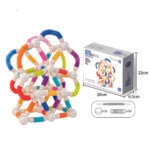
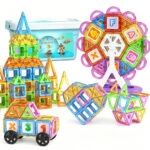
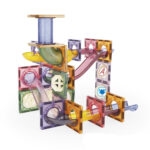
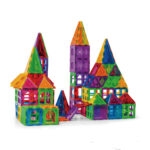

Introduction: Choosing the Right Educational Toys Can Transform the Learning Experience
For schools, kindergartens, Montessori programs, and early education centers, selecting the right educational toys is becoming more important than ever.
A classroom toy is no longer simply a tool for entertainment. Today, educators are looking for learning resources that encourage creativity, improve problem-solving abilities, and support children’s overall development.
However, many educational institutions face challenges when purchasing toys:
- How can teachers choose toys with real educational value?
- Which products can engage children for longer periods?
- How can schools balance quality, safety, and budget?
- Which toys support different learning abilities and age groups?
The best educational toys are those that allow children to explore, experiment, create, and learn through hands-on experiences.
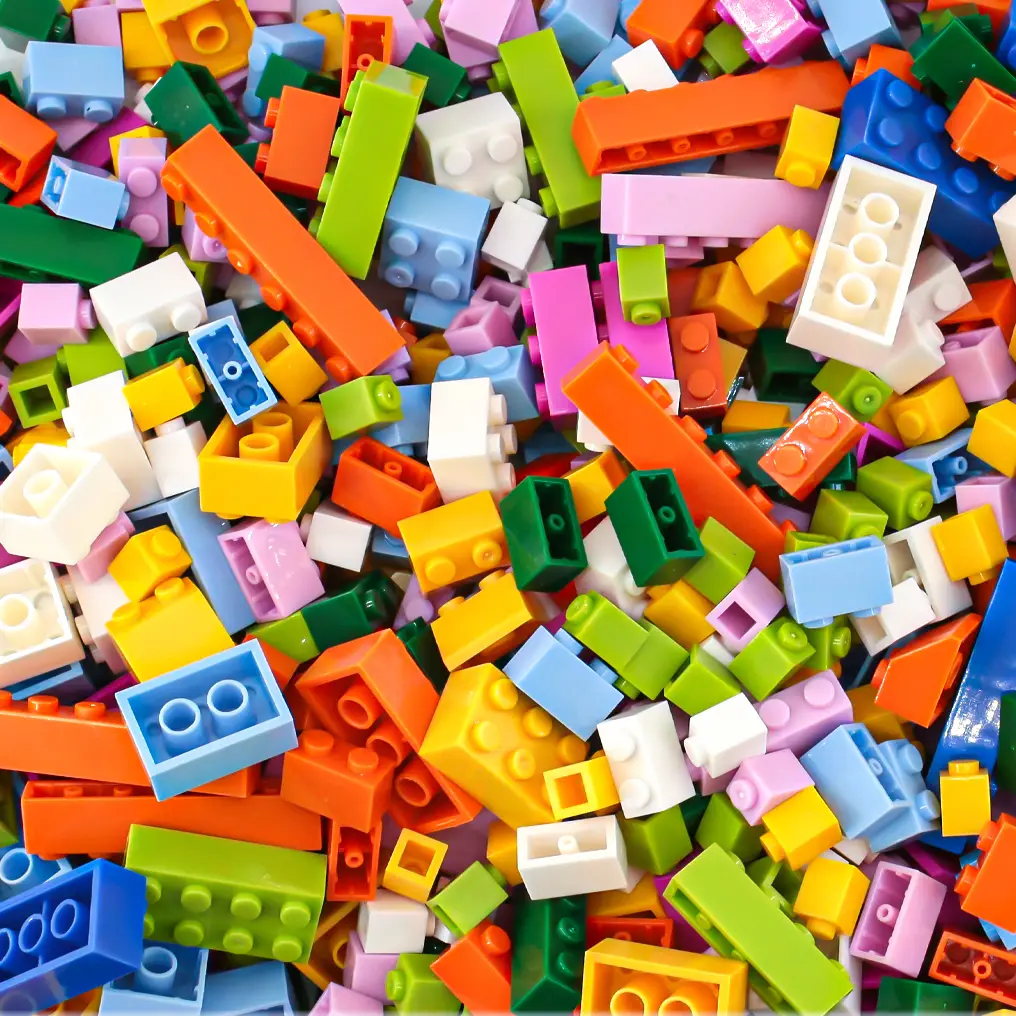
Products such as STEM learning materials, educational building blocks, and creative construction toys are becoming increasingly popular because they connect play with important developmental skills.
For schools and educational organizations, choosing the right supplier and products can directly influence classroom effectiveness.
1. Educational Toys Are Changing From Entertainment Products to Learning Tools
Traditional toys often focus on one specific activity.
For example:
- A toy car moves
- A doll represents a character
- A puzzle has a fixed solution
While these toys can still provide value, modern education requires more flexible learning tools.
Today’s educators prefer toys that encourage:
- Exploration
- Independent thinking
- Creativity
- Collaboration
- Problem-solving
A construction toy, for example, does not provide only one result. Children can design different structures based on their imagination.
This process helps children develop confidence because they learn that there can be multiple solutions to one problem.
2. Why Creativity Is an Essential Skill for Children
Creativity is often misunderstood as simply artistic ability.
In modern education, creativity means:
- Generating new ideas
- Finding different solutions
- Adapting to challenges
- Thinking independently
Children who play with open-ended educational toys have more opportunities to practice creative thinking.
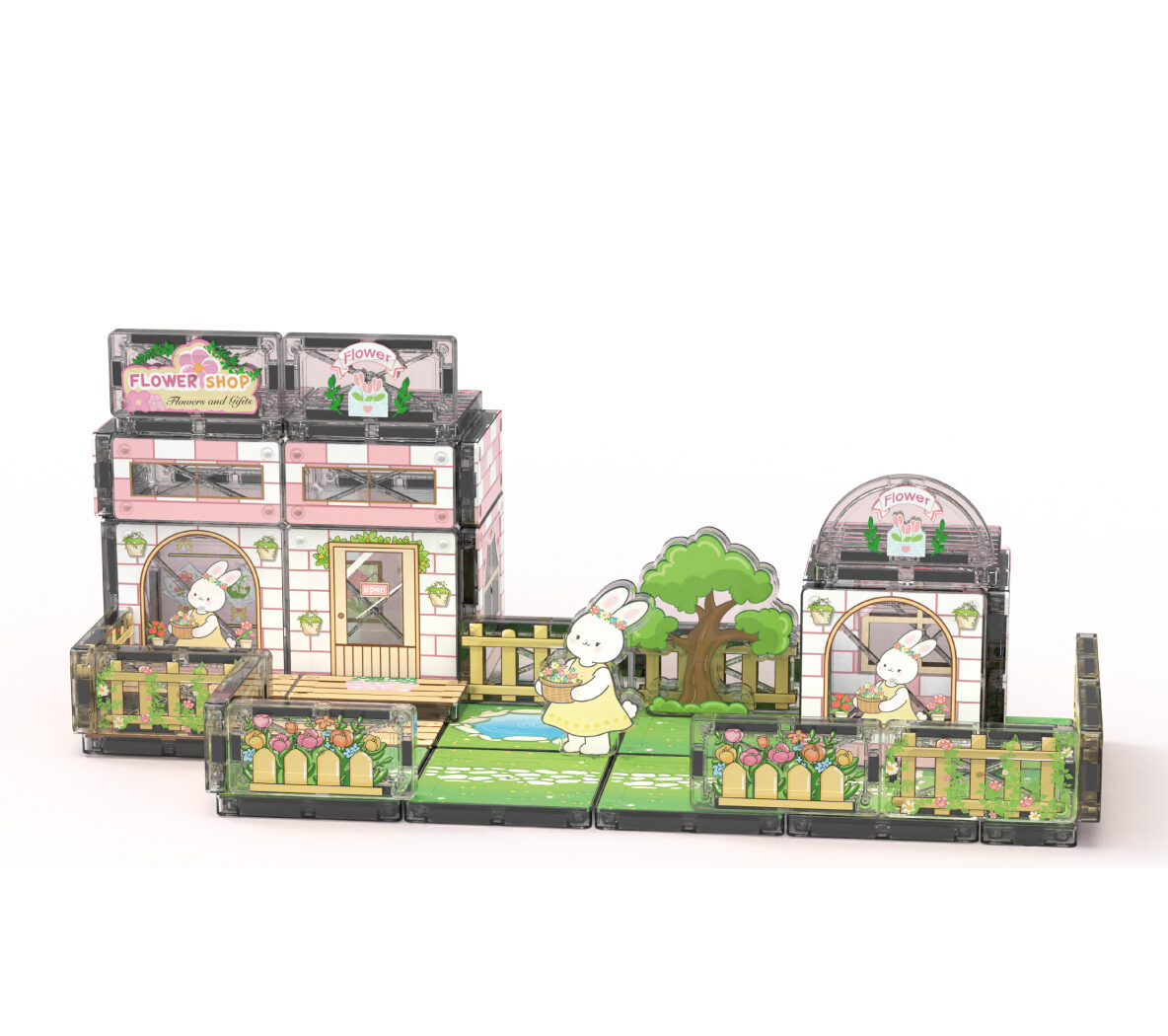
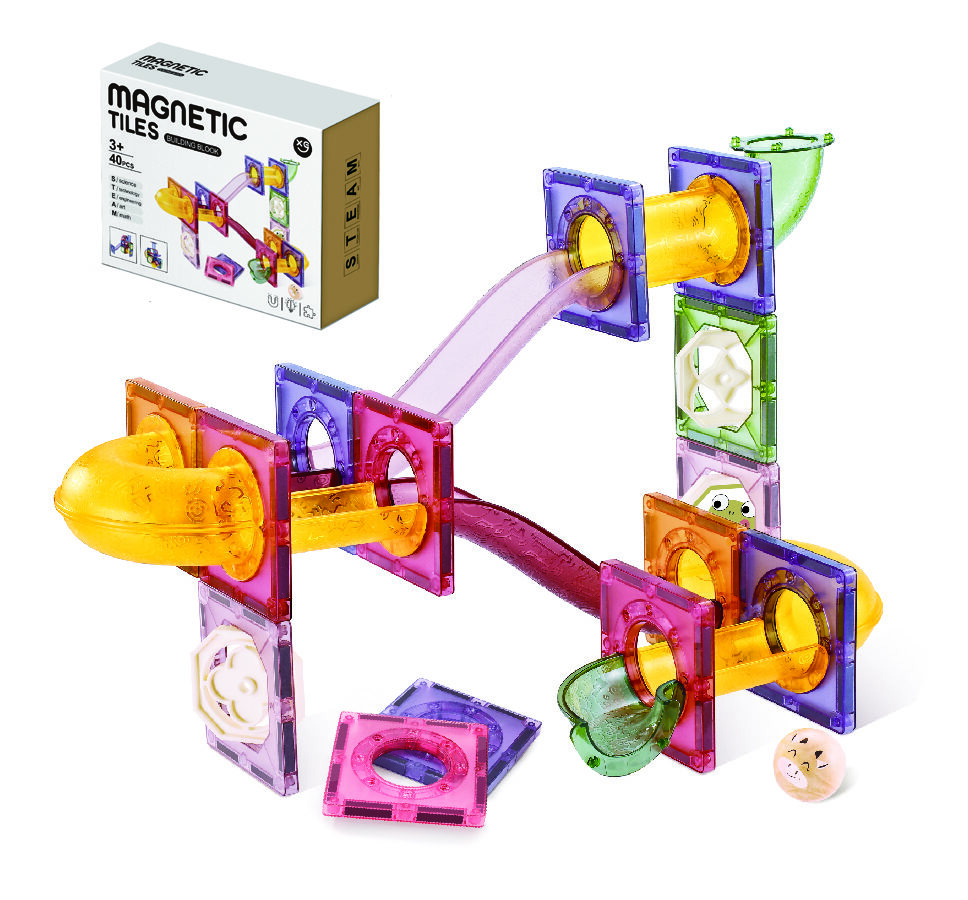
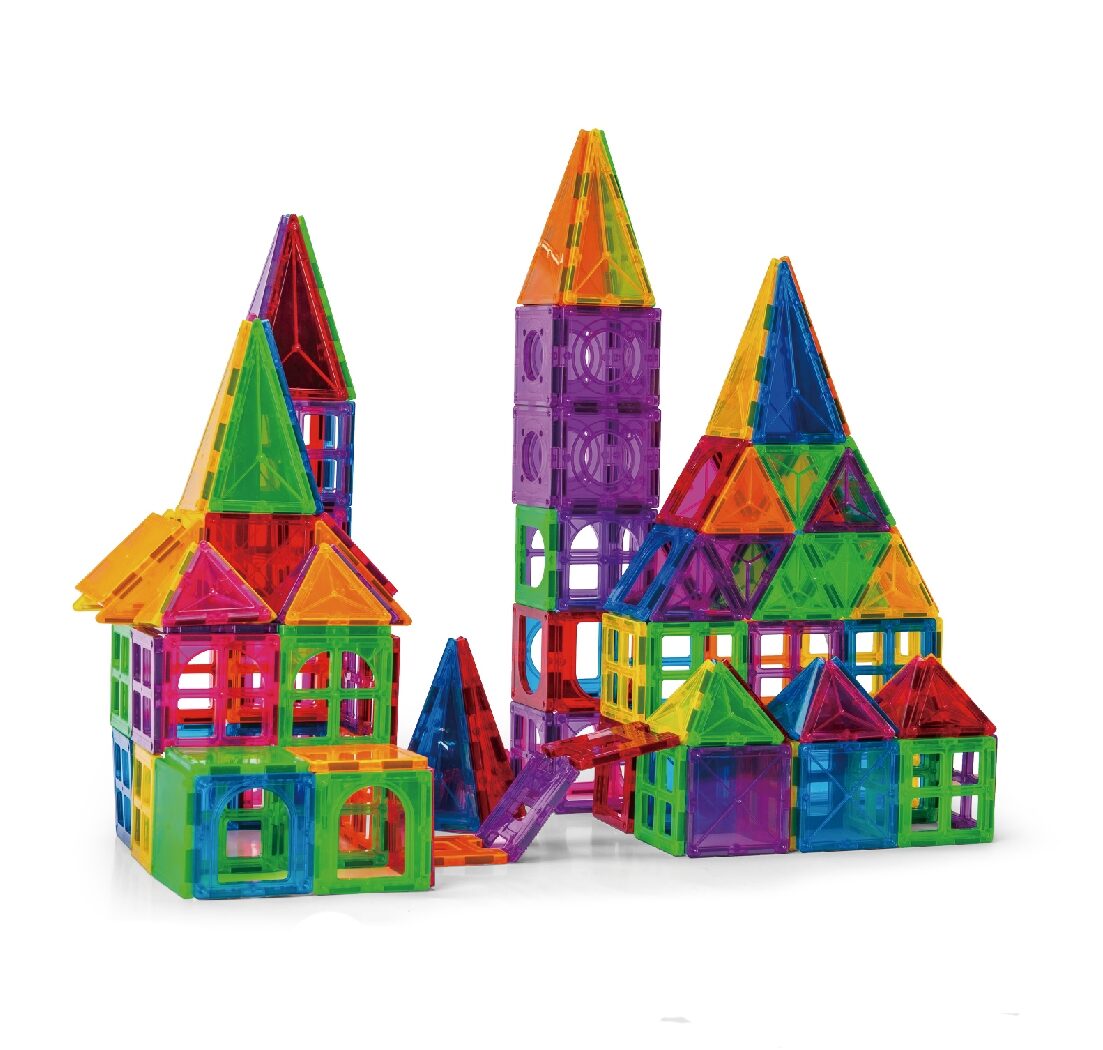
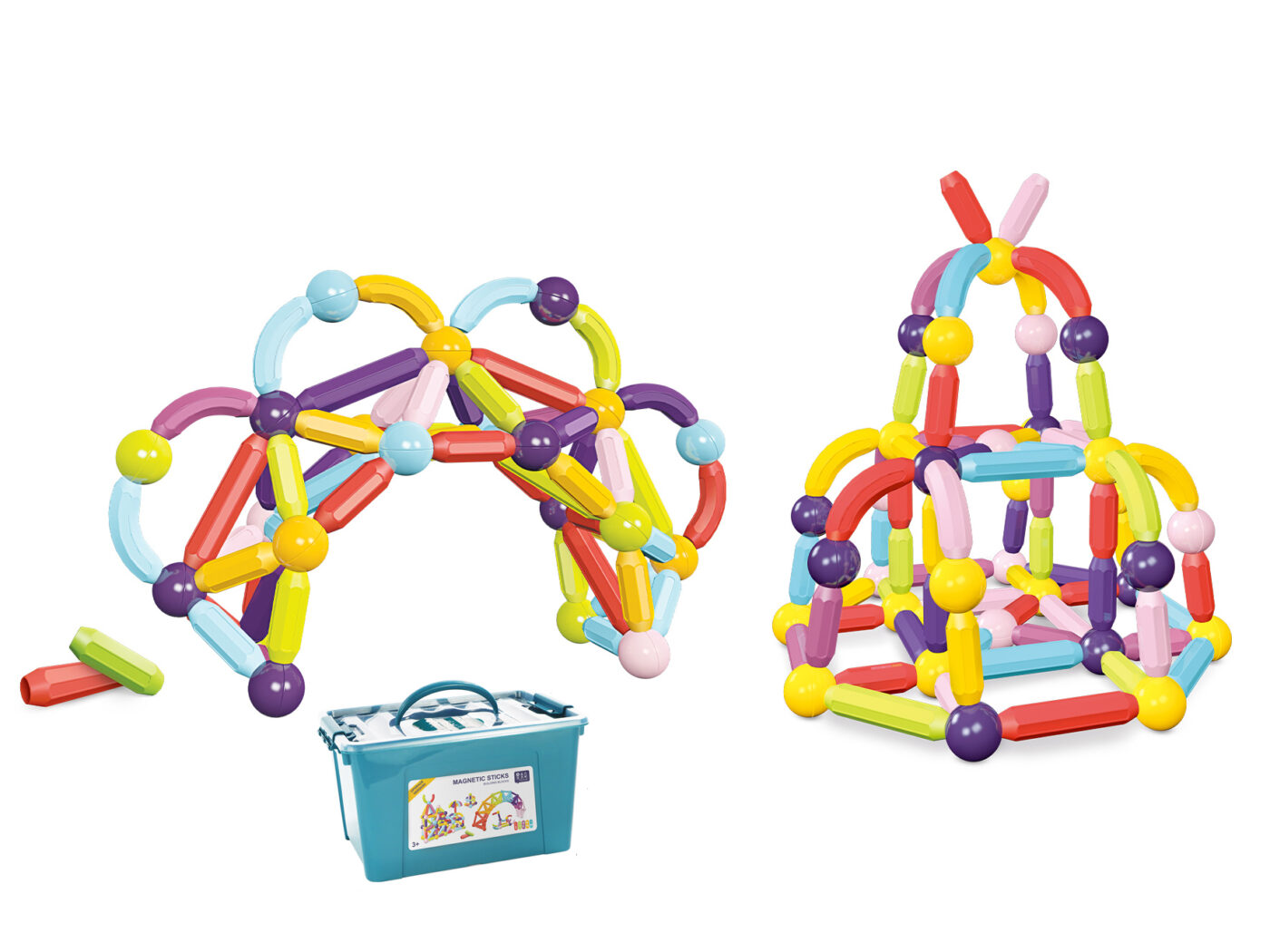
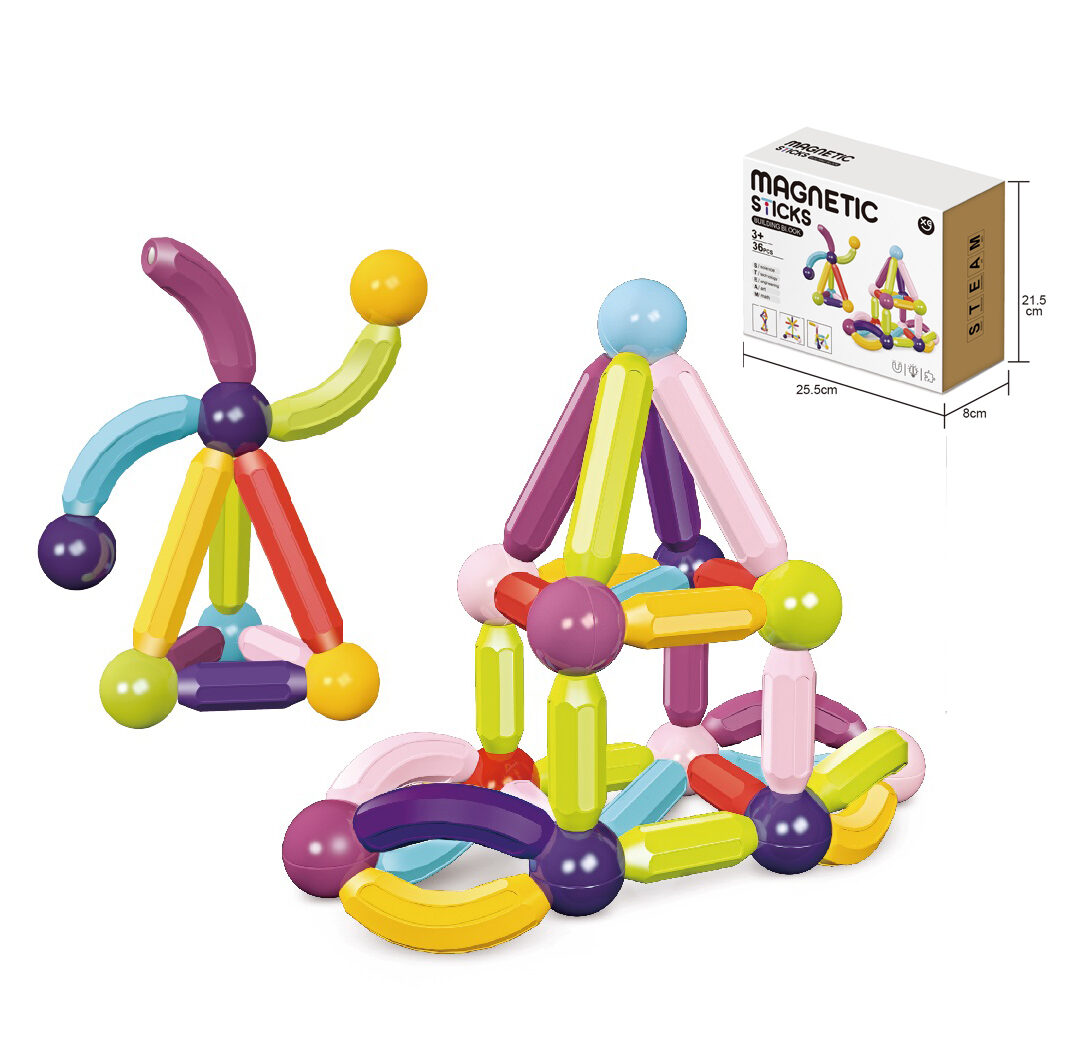
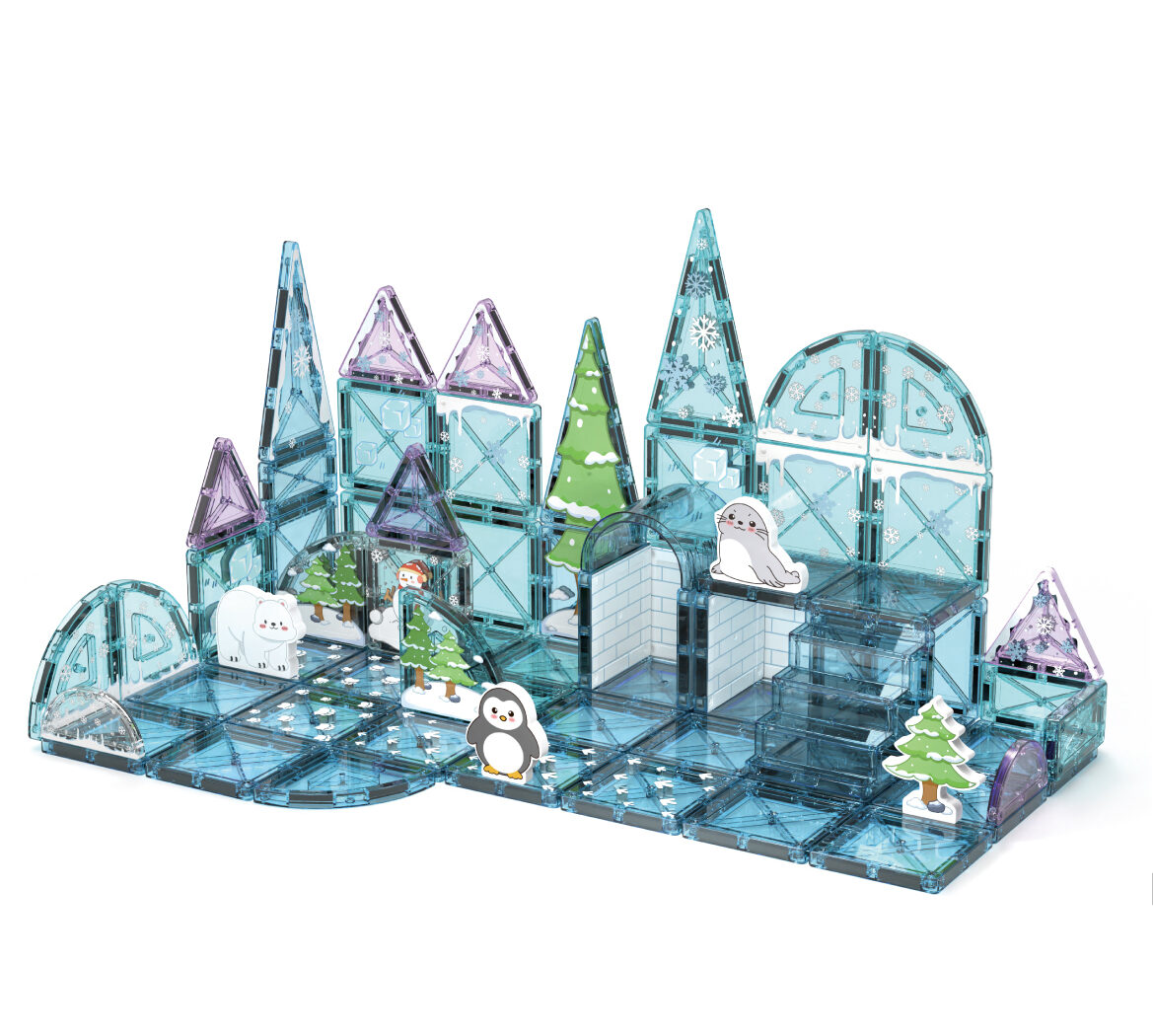
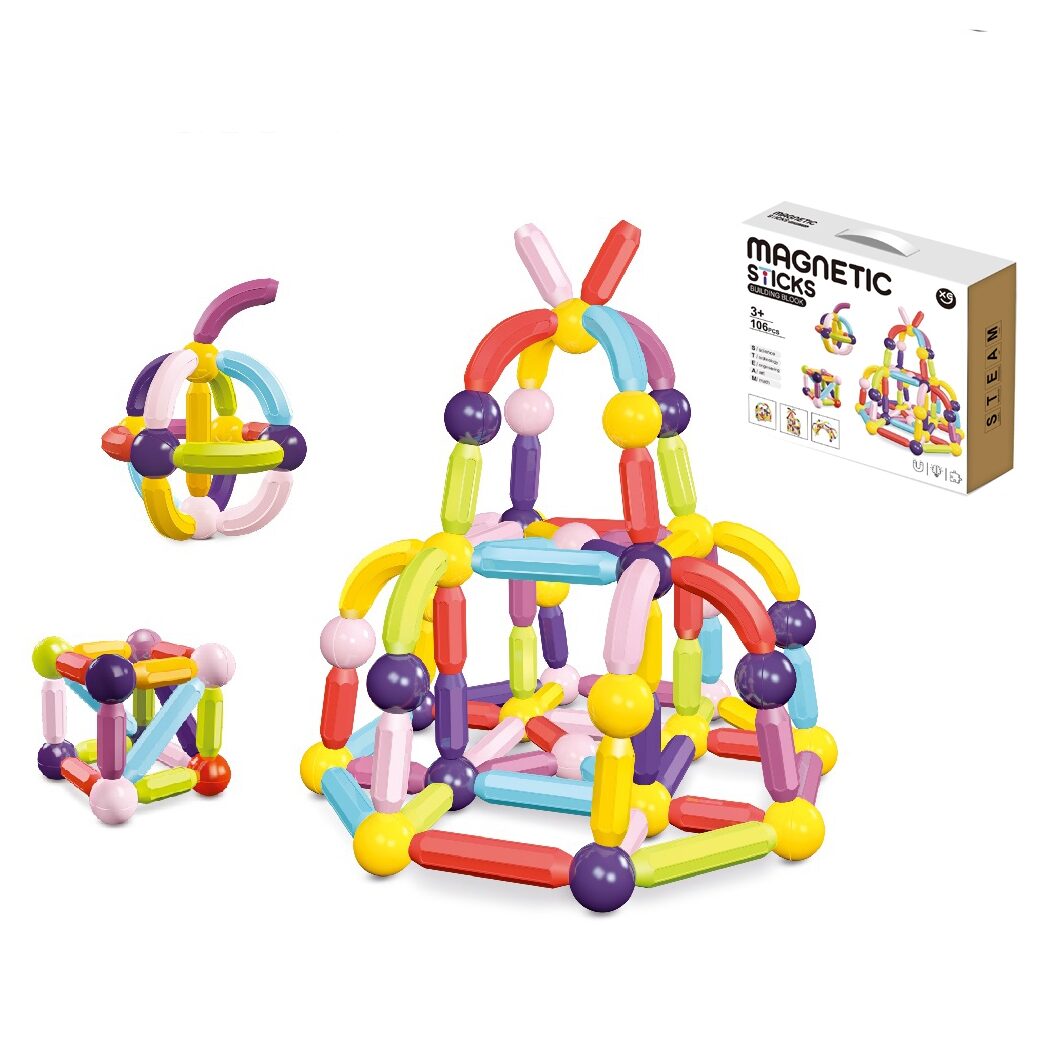
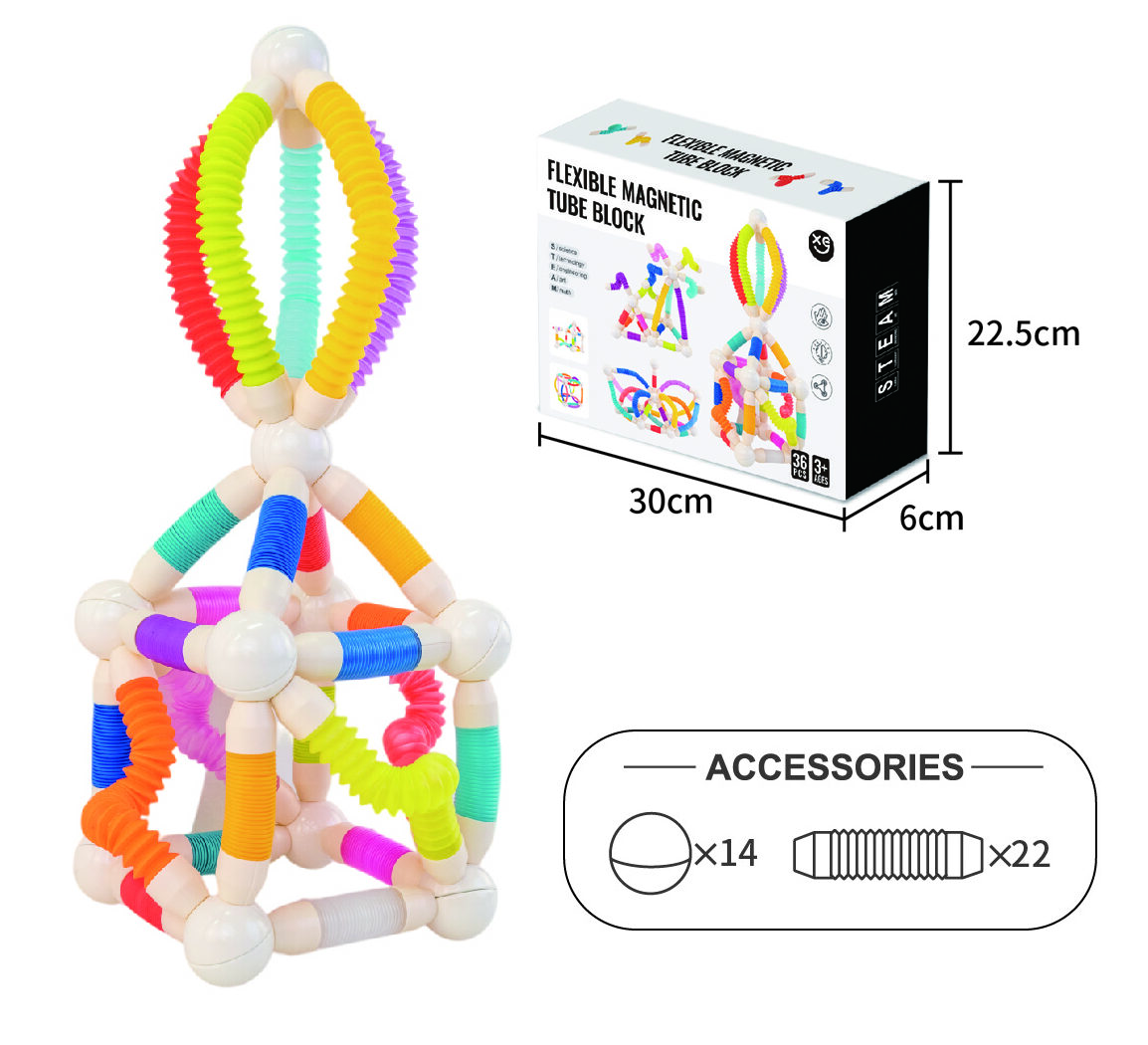
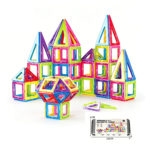
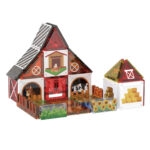
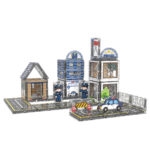
For example, when children use magnetic building blocks, they may create:
- Houses
- Bridges
- Animals
- Vehicles
- Imaginative structures
There is no single “correct” answer.
This freedom encourages children to experiment and develop original ideas.
3. How STEM Learning Materials Improve Problem-Solving Skills
Problem-solving is one of the most important abilities children need for the future.
STEM learning materials help children practice problem-solving naturally.
When building a structure, children often experience challenges:
- The structure falls down
- The pieces do not connect as expected
- The design does not work
Instead of seeing failure as a negative result, children learn to:
- Identify the problem
- Analyze possible solutions
- Make adjustments
- Try again
This process develops resilience and logical thinking.
These skills are valuable not only in science and mathematics but also in everyday life.
4. What Schools Should Consider When Choosing Educational Toys
Educational institutions need to evaluate several factors before purchasing classroom learning toys.
4.1 Educational Purpose
The first question should be:
“What learning ability does this toy develop?”
A high-quality educational toy should have a clear purpose.
Examples:
| Toy Type | Learning Benefits |
|---|---|
| Building blocks | Creativity, engineering thinking, spatial skills |
| Puzzles | Logical thinking and concentration |
| STEM kits | Science and problem-solving skills |
| Art materials | Imagination and self-expression |
Schools should select products based on educational goals rather than appearance alone.
4.2 Age Appropriateness
Children at different ages have different learning needs.
For younger children:
Important features include:
- Easy operation
- Safe size
- Bright colors
- Simple concepts
For older children:
Products can include:
- More complex structures
- Engineering challenges
- Advanced problem-solving tasks
A professional educational toy supplier should provide clear age recommendations.
4.3 Safety and Durability
Schools purchase toys that may be used repeatedly by many children.
Therefore, durability is extremely important.
Educational institutions should consider:
- Material quality
- Product safety
- Testing standards
- Easy cleaning
- Long-term usability
A low-quality toy may appear cheaper initially but create higher replacement costs over time.
4.4 Classroom Flexibility
The best classroom learning toys can be used in multiple ways.
Teachers prefer products that support:
- Individual activities
- Group projects
- Different lesson plans
For example, a magnetic construction set can be used for:
- Free creative play
- Engineering challenges
- Mathematics activities
- Team building exercises
This flexibility increases the value of the investment.
5. Why Magnetic Building Blocks Are Popular in Schools
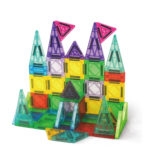
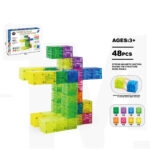
Magnetic building blocks have become a popular choice for educational institutions worldwide.
One reason is their simplicity.
Children can easily connect pieces and start creating without complicated instructions.
Benefits include:
Developing Spatial Awareness
Children learn:
- Shapes
- Sizes
- Balance
- Three-dimensional thinking
Encouraging Collaboration
Group building activities teach children:
- Communication
- Sharing ideas
- Teamwork
Supporting STEAM Education
Magnetic construction toys can combine:
- Science
- Technology
- Engineering
- Art
- Mathematics
This makes them suitable for modern STEAM classrooms.
6. The Challenges Educational Institutions Face When Buying Toys
Although educational toys provide many benefits, schools still face purchasing challenges.
Challenge 1: Limited Budgets
Schools need to maximize educational value while controlling costs.
They need suppliers who can provide:
- Competitive pricing
- Reliable quality
- Long-term cooperation
Challenge 2: Finding Professional Suppliers
Many suppliers sell toys, but fewer understand educational applications.
A professional supplier should understand:
- Classroom requirements
- Teacher expectations
- Child development principles
- Safety standards
Challenge 3: Maintaining Product Variety
Schools often need different products for different age groups.
A strong supplier should offer:
- Multiple product categories
- Custom solutions
- New product development
This allows educational organizations to build complete learning environments.
7. How Educational Toy Manufacturers Support Schools and Institutions
Professional manufacturers can provide more than products.
They can support educational buyers through:
Customized Learning Solutions
For example:
- School-branded educational kits
- Customized packaging
- Special classroom sets
Product Recommendations
Experienced suppliers understand market trends and can recommend suitable products based on:
- Age group
- Learning objectives
- Budget
Stable Supply
Schools and distributors need reliable delivery.
A professional factory can provide:
- Consistent production
- Quality control
- Order planning support
8. Why Lionetoys Supports Global Educational Buyers
Lionetoys specializes in educational construction toys designed for creativity and STEM learning.
The company provides products including:
- Magnetic building blocks
- Creative construction sets
- STEM educational toys
For schools, distributors, and educational organizations, Lionetoys offers:
✔ Factory-direct manufacturing
✔ OEM and ODM customization
✔ Flexible cooperation options
✔ Educational product development support
✔ International market experience
By working with an experienced educational toy manufacturer, organizations can access products that combine learning value, quality, and creativity.
More information:
Conclusion: The Best Educational Toys Inspire Children to Think, Create, and Explore
The purpose of educational toys is not only to keep children busy.
The best learning tools help children:
- Ask questions
- Test ideas
- Solve problems
- Create new solutions
For schools and educational institutions, investing in high-quality classroom learning toys means investing in children’s future abilities.
As education continues to evolve, STEM learning materials and creative construction toys will play an increasingly important role in classrooms around the world.
Choosing the right educational toy supplier allows schools to create better learning experiences while ensuring safety, quality, and long-term value.
Frequently Asked Questions (FAQ)
1. What are the best educational toys for schools?
The best educational toys for schools are products that encourage creativity, problem-solving, teamwork, and hands-on learning, such as STEM kits, building blocks, and construction toys.
2. How do educational toys improve children’s learning?
Educational toys improve learning by allowing children to explore concepts through hands-on activities, experimentation, and creative problem-solving.
3. Why are STEM toys important in classrooms?
STEM toys help children develop skills related to science, technology, engineering, and mathematics while improving logical thinking and creativity.
4. What should schools consider before buying educational toys?
Schools should consider educational value, safety, durability, age suitability, classroom application, and supplier reliability.
5. Can educational toy manufacturers customize products for schools?
Yes. Many manufacturers provide OEM and ODM services, including customized educational kits, packaging, and product solutions for schools and organizations.