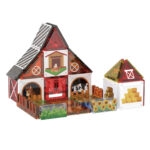
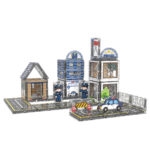
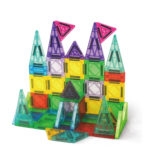
The Market Is Moving Toward Purposeful Play
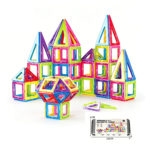
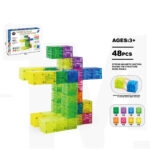
Magnetic building blocks are no longer viewed only as colorful construction toys. In 2026, they are increasingly positioned as hands-on learning products that help children explore shapes, balance, structures, creativity, and early engineering concepts. This shift is closely connected to the continued growth of STEM education and parents’ preference for toys that combine fun with developmental value. The North American STEM toy market, for example, is forecast to continue expanding as families and schools place more emphasis on early learning and curriculum-related play.finance.yahoo+1
For importers, retailers, e-commerce brands, and educational distributors, this creates a clear opportunity: products need to communicate a learning benefit, not simply a piece count. A magnetic tile set can be marketed around spatial awareness, creative building, color recognition, open-ended play, or early engineering. The best-selling products usually make it easy for consumers to understand the play value quickly through packaging, images, short videos, and building ideas.
At Lione Toys, we see growing demand for magnetic building blocks that are safe, visually attractive, compatible with existing building systems, and flexible enough for different market positions—from value-oriented retail programs to premium STEM gift sets.
STEM Learning Drives Product Development
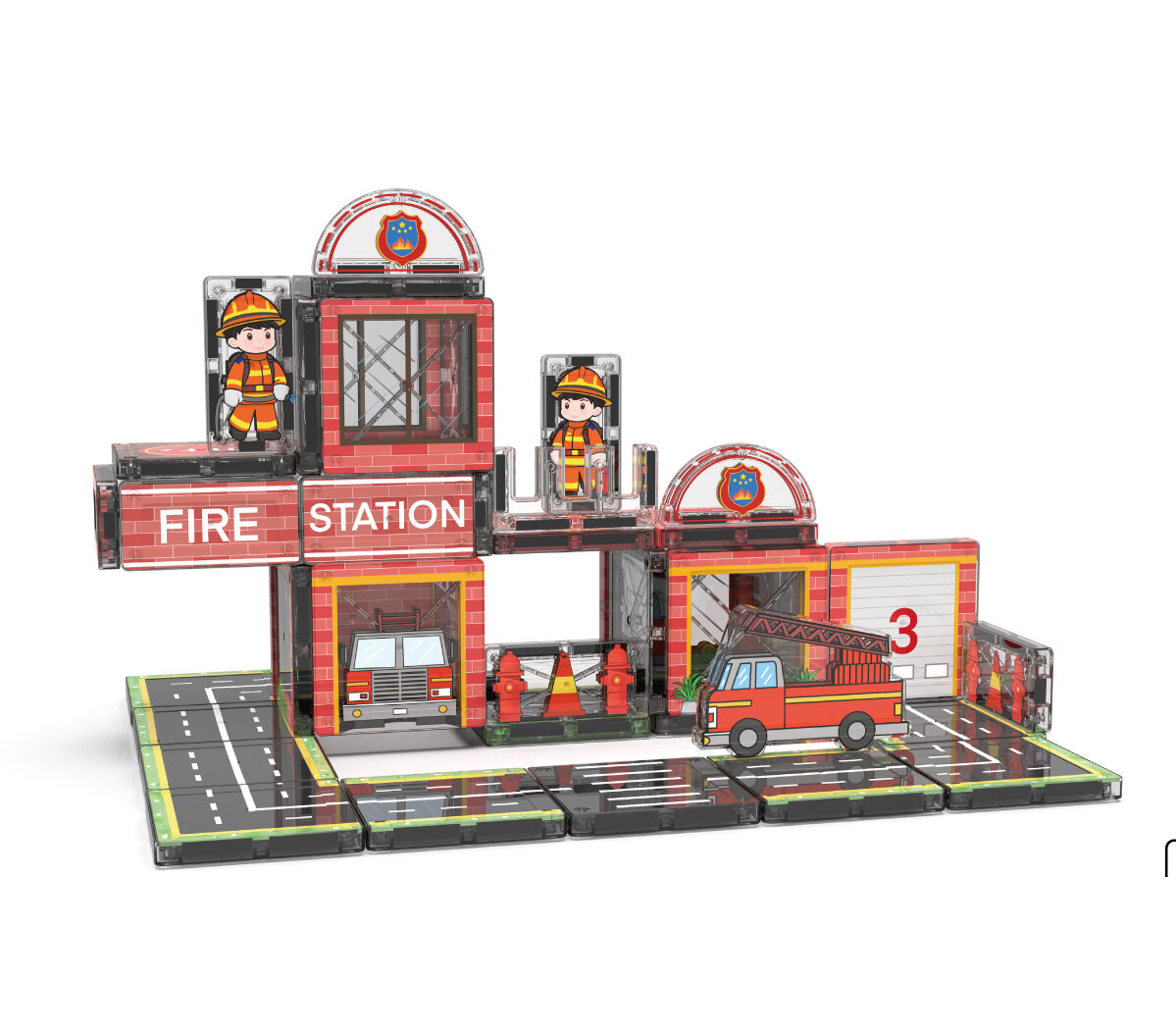
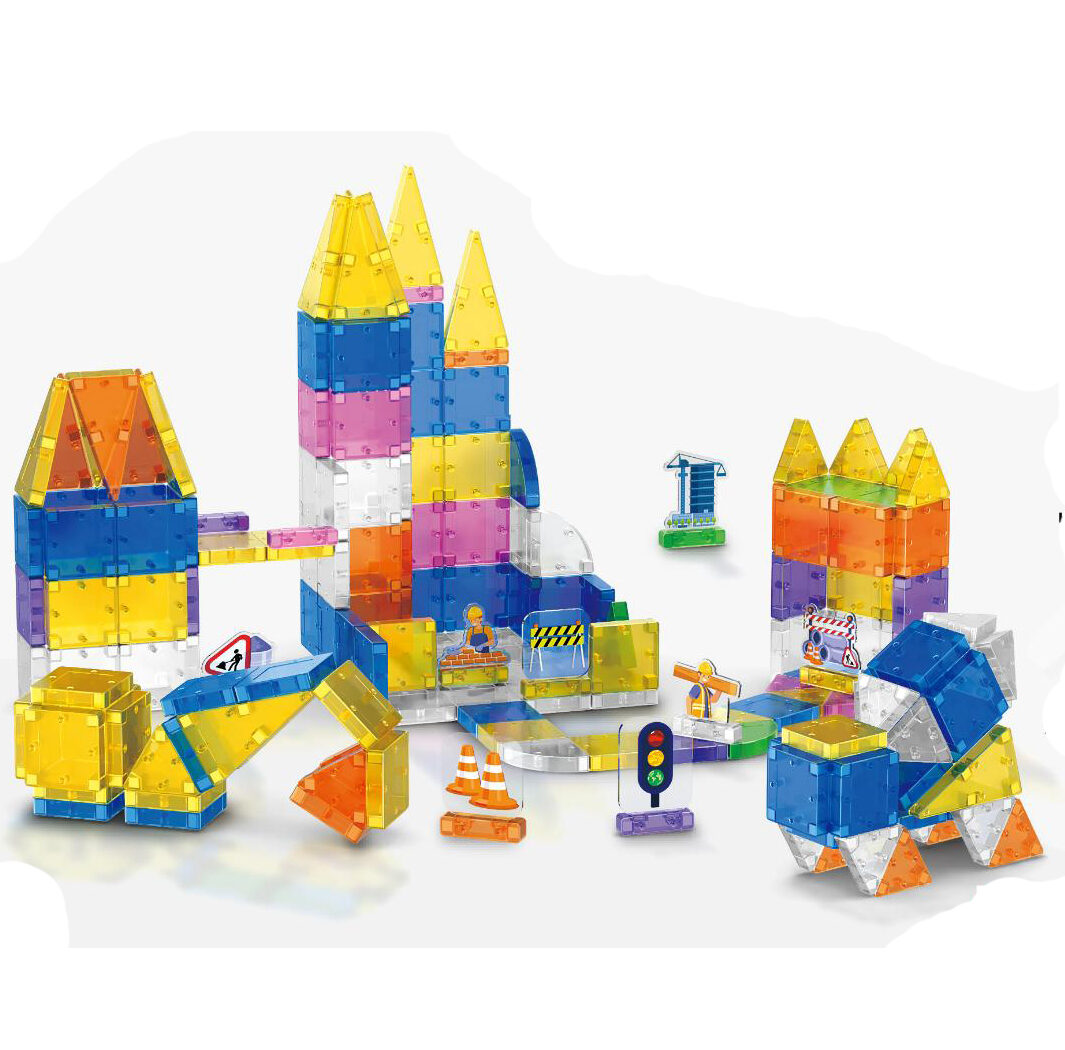
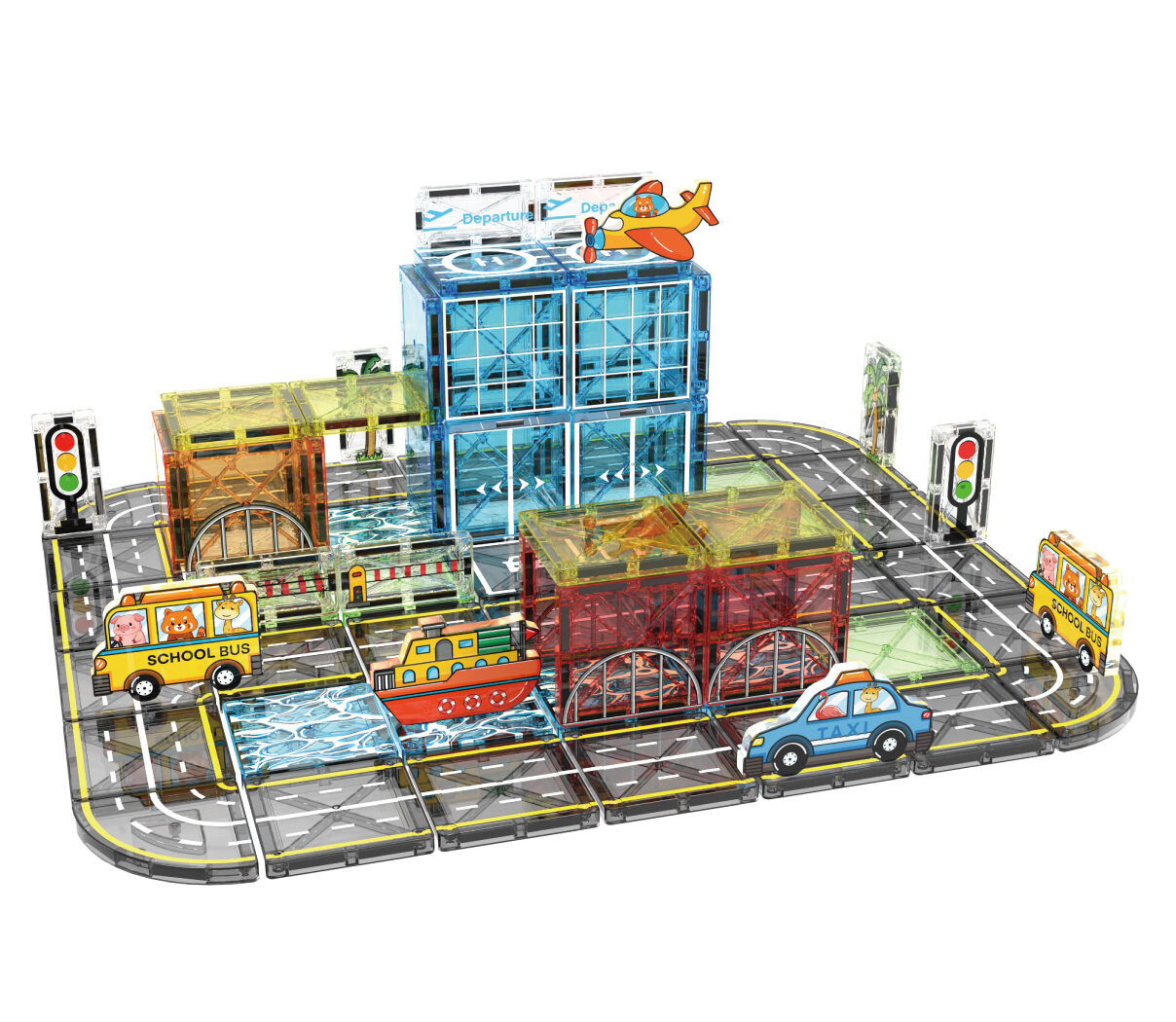
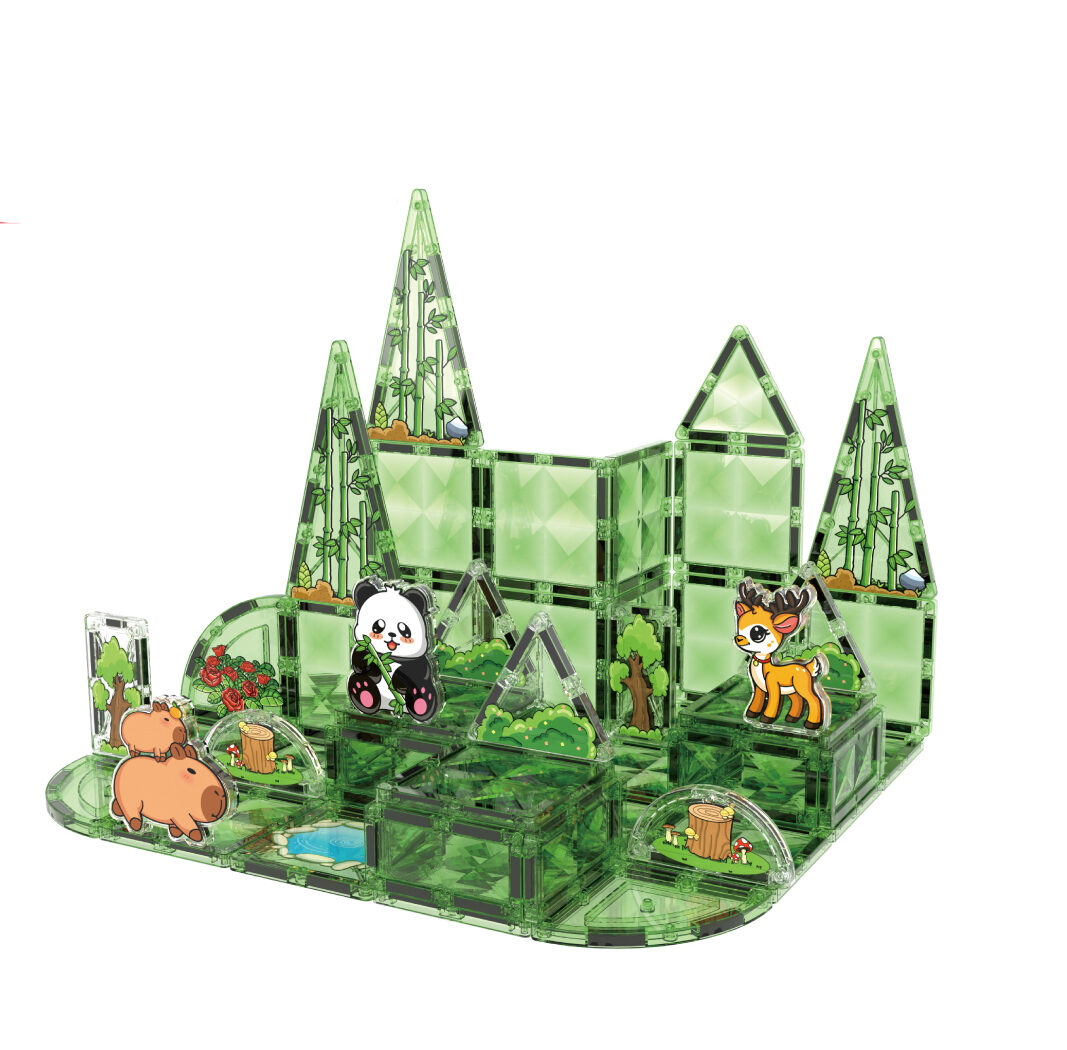
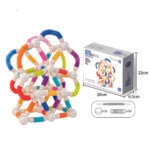
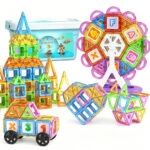
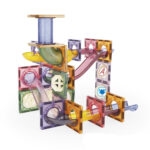
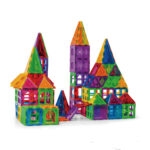
STEM learning remains one of the strongest growth drivers in the educational toy sector. Parents increasingly seek toys that encourage children to think, build, test, and solve problems independently. Magnetic building blocks fit naturally into this trend because children can create flat patterns, 3D houses, towers, vehicles, geometric models, and imaginative scenes without needing complicated instructions.
Unlike a single-purpose toy, a well-designed magnetic building set offers repeat play value. A child can build one model today and create something completely different tomorrow. This open-ended format is especially appealing to parents who want toys that grow with the child instead of being used only once.
Buyers should consider developing product ranges around different learning stages:
- Entry-level magnetic tile sets for toddlers and preschool children
- Geometry and shape-focused building sets for kindergarten learning
- Vehicle, animal, castle, and space themes for gift retail
- Advanced construction sets with more shapes and accessories
- Classroom packs for schools, kindergartens, and learning centers
- Magnetic blocks combined with number cards, alphabet cards, or activity guides
The market is also moving toward stronger educational storytelling. Instead of simply stating “100 pieces magnetic tiles,” brands can explain what children can learn through the set. This creates more value for parents and can help retailers differentiate their product listings.
Safety Is a Core Purchase Requirement
For magnetic toys, safety is not an optional marketing point—it is a basic sourcing requirement. Buyers need to confirm that magnets are properly enclosed, plastic shells are durable, edges are smooth, and products meet the regulations of their destination market. Current toy sourcing guidance emphasizes material checks, in-process inspection, finished-product testing, and traceable production records.toptoyfactory+1
For the US market, buyers commonly request ASTM F963 testing and Children’s Product Certificate documentation. For the European market, EN71 testing and CE-related compliance documentation are key requirements. Buyers should always verify that test reports are current, match the intended product model, and cover the actual materials used in production.cps-toys+1
A reliable magnetic building blocks supplier should be able to provide clear product information, including:
- Recommended age grade
- Product materials
- Magnet encapsulation method
- Test reports for target markets
- Product dimensions and piece count
- Packaging warnings
- Batch or production traceability details
- Carton size, gross weight, and loading quantity
At Lione Toys, product safety is managed from material selection to final packing inspection. This allows buyers to build a more dependable product line for retail, Amazon, independent websites, educational distribution, and promotional projects.
Compatibility Creates Repeat-Sales Potential
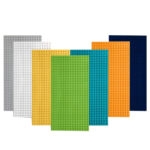
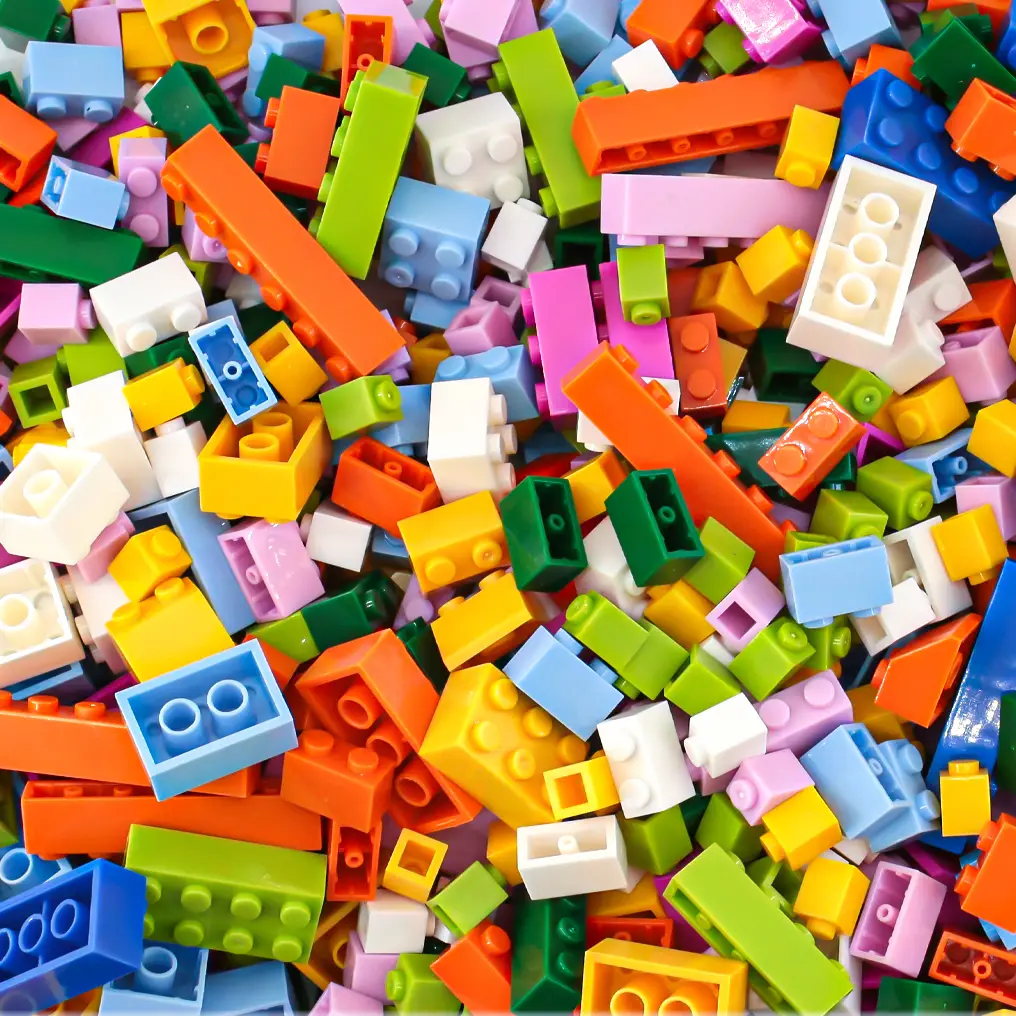
Compatibility is an important trend in the building block category. Many consumers already own large-particle or small-particle building systems, so they look for expansion products, base plates, accessory packs, figures, wheels, tracks, and themed parts that can work with their existing collection.
For importers, compatible products offer several commercial advantages. They allow brands to launch lower-risk accessory SKUs, create cross-selling opportunities, and encourage repeat purchases. A customer who buys a basic construction set may later purchase base plates, vehicle accessories, storage boxes, themed packs, or expansion bricks.
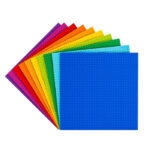
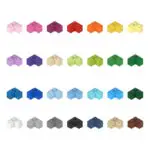
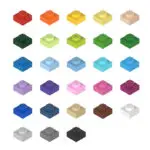
Lione Toys supplies compatible large-particle building blocks, compatible small-particle building blocks, building block base plates, and accessory components. This makes it easier for customers to create a complete product program rather than relying on one single SKU.
For example, a retailer can develop a building block range with:
- A starter construction set
- A road base plate
- A green building base plate
- Vehicle wheels and window accessories
- A themed city expansion pack
- A storage solution or travel box
This strategy can improve average order value and make the product line more attractive to repeat consumers.
Sustainability Is Becoming a Buying Factor
Sustainability is becoming more influential in toy purchasing decisions. Many parents and retailers are looking for toys that use non-toxic materials, reduced packaging, recyclable cartons, and longer-lasting product designs. Industry research also points to increasing consumer interest in eco-friendly STEM and educational toys.globalgrowthinsights+1
For plastic building toys, sustainability does not always mean replacing plastic completely. It can also mean using durable materials that support long-term use, optimizing packaging to reduce waste, using recyclable paper instructions, minimizing unnecessary plastic inserts, and offering refill or expansion packs instead of encouraging disposal.
Buyers can ask suppliers practical sustainability questions:
- Is the packaging optimized for shipping efficiency?
- Can the instruction manual use recycled paper?
- Can unnecessary blister packaging be removed?
- Are colorants and raw materials compliant with relevant safety standards?
- Can the product be designed for long-term compatibility and repeat play?
- Is the outer carton made from recyclable material?
These changes can improve a brand’s environmental story while also reducing logistics costs.
Customization Is Now Expected
Many importers no longer want generic products with only a logo sticker. They expect suppliers to support branded packaging, custom colors, special accessories, instruction sheets, barcode labels, and product bundle development. Industry sourcing reports indicate that customization and OEM/ODM flexibility are increasingly important for global toy buyers.cps-toys
A professional customization program may include:
- Custom product colors
- Logo printing
- Custom packaging design
- Private-label instruction manuals
- Custom storage bags or boxes
- New product combinations
- Barcode and shipping marks
- Market-specific warning labels
- Exclusive accessories or molds
Before starting a custom project, buyers should clarify the target age, target retail price, sales channel, market requirements, expected order quantity, and product positioning. This helps the factory recommend the right packaging, piece count, materials, and production method.
Why Source Magnetic Building Blocks from China?
China remains a major source for global toy manufacturing because of its developed supply chain, skilled mold-making resources, flexible production capacity, and broad range of packaging and accessory options. Guangdong remains particularly important for high-volume plastic toys and export-oriented manufacturing.fobsourcify
The Chenghai region is especially known for plastic toys, educational toys, building blocks, magnetic products, and gift-oriented seasonal products. Buyers can often find a combination of competitive pricing, mold development capability, fast sample support, and product customization in one region.
However, sourcing success depends on selecting the right factory. Buyers should not choose a supplier based only on the lowest quotation. They should also evaluate product quality, factory experience, communication speed, testing support, production planning, and after-sales responsibility.
Build Your Next Product Range with Lione Toys
Lione Toys is a professional manufacturer and supplier of magnetic building blocks, compatible large-particle building blocks, compatible small-particle building blocks, base plates, building accessories, board games, and STEM toys.
Whether you are developing a private-label magnetic tile line, sourcing compatible brick accessories, or planning an educational toy collection, our team can support product selection, OEM/ODM customization, packaging development, quality control, and export preparation.
Visit www.lionetoys.com to explore our product range and send us your inquiry for catalogues, samples, or customized solutions.