

Why Chenghai Matters in Global Toy Sourcing
Chenghai, located in Shantou, Guangdong Province, is one of China’s best-known toy manufacturing clusters. It is widely recognized for plastic toys, educational products, building blocks, electronic toys, gift toys, and OEM/ODM production. Guangdong remains a key sourcing region for high-volume plastic toy production because it combines supplier density, mold-making resources, packaging factories, and export logistics infrastructure.fobsourcify
For international buyers, Chenghai offers more than low-cost production. Its real strength is the ecosystem: raw material suppliers, injection molding factories, packaging companies, assembly lines, accessory suppliers, inspection services, and freight forwarders are located close to one another. This can help shorten communication cycles and make product development more efficient.
However, buyers should understand that not every supplier in Chenghai offers the same level of quality management, compliance knowledge, or delivery reliability. A successful sourcing program requires clear specifications, realistic production planning, and a factory partner with proven systems.
The Chenghai Supply Chain Advantage
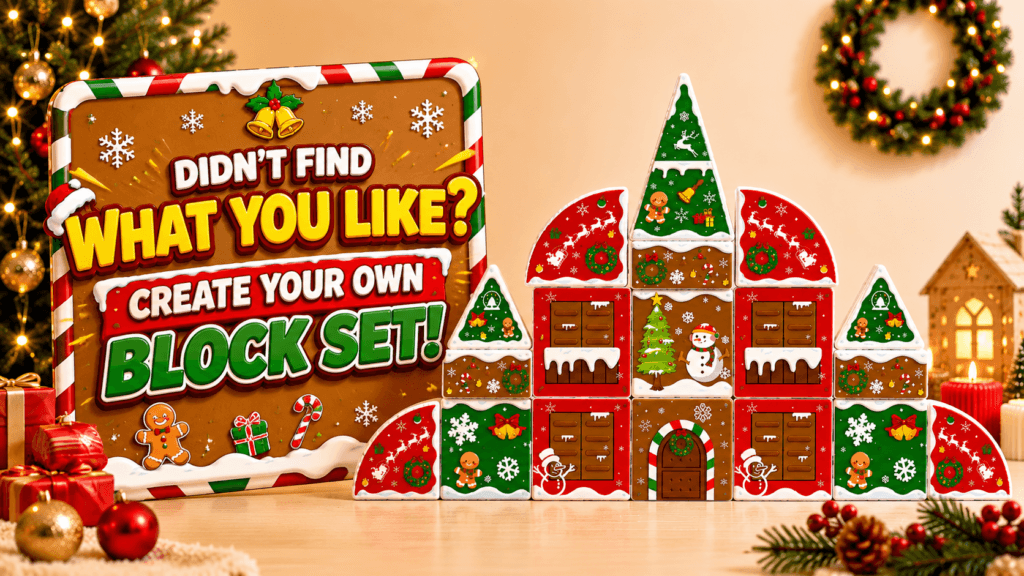
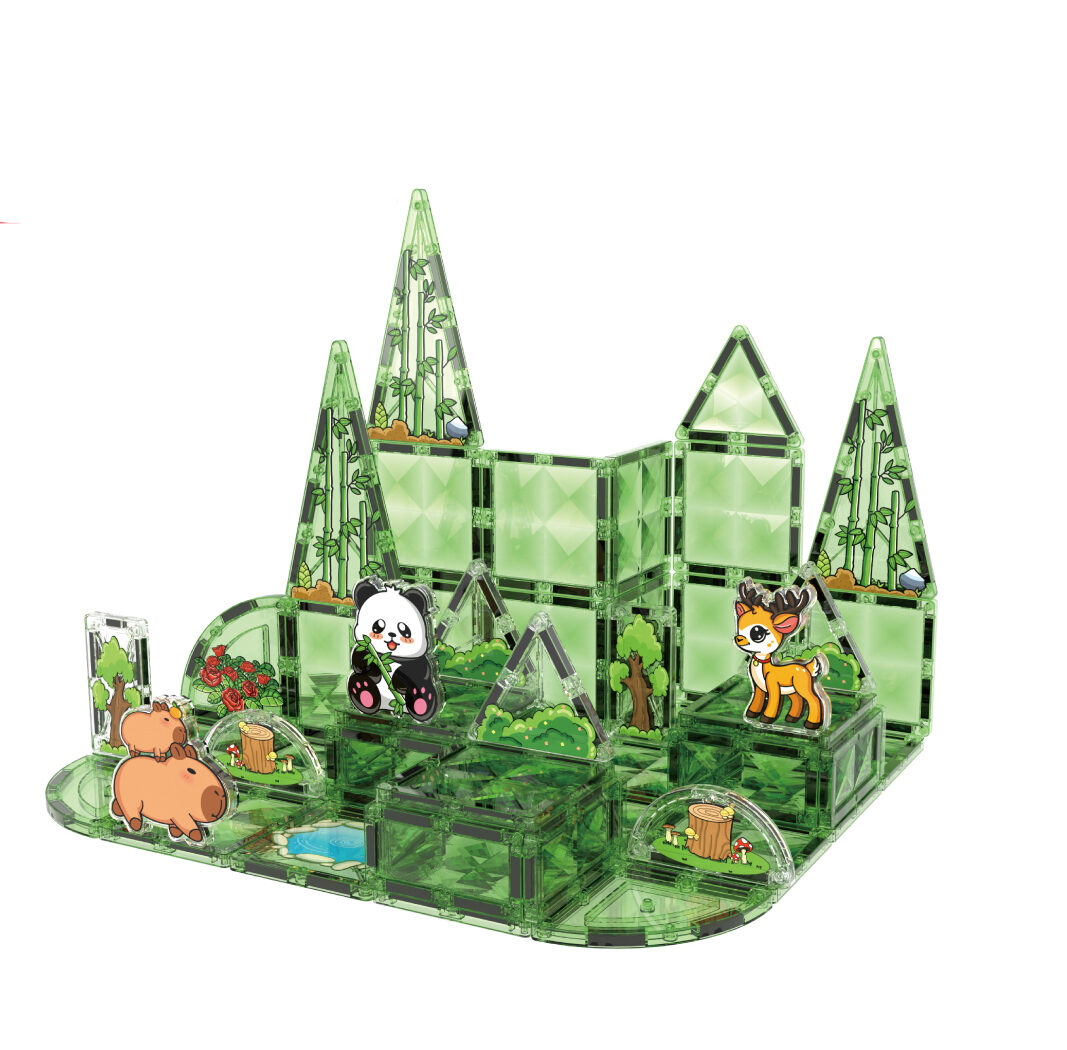
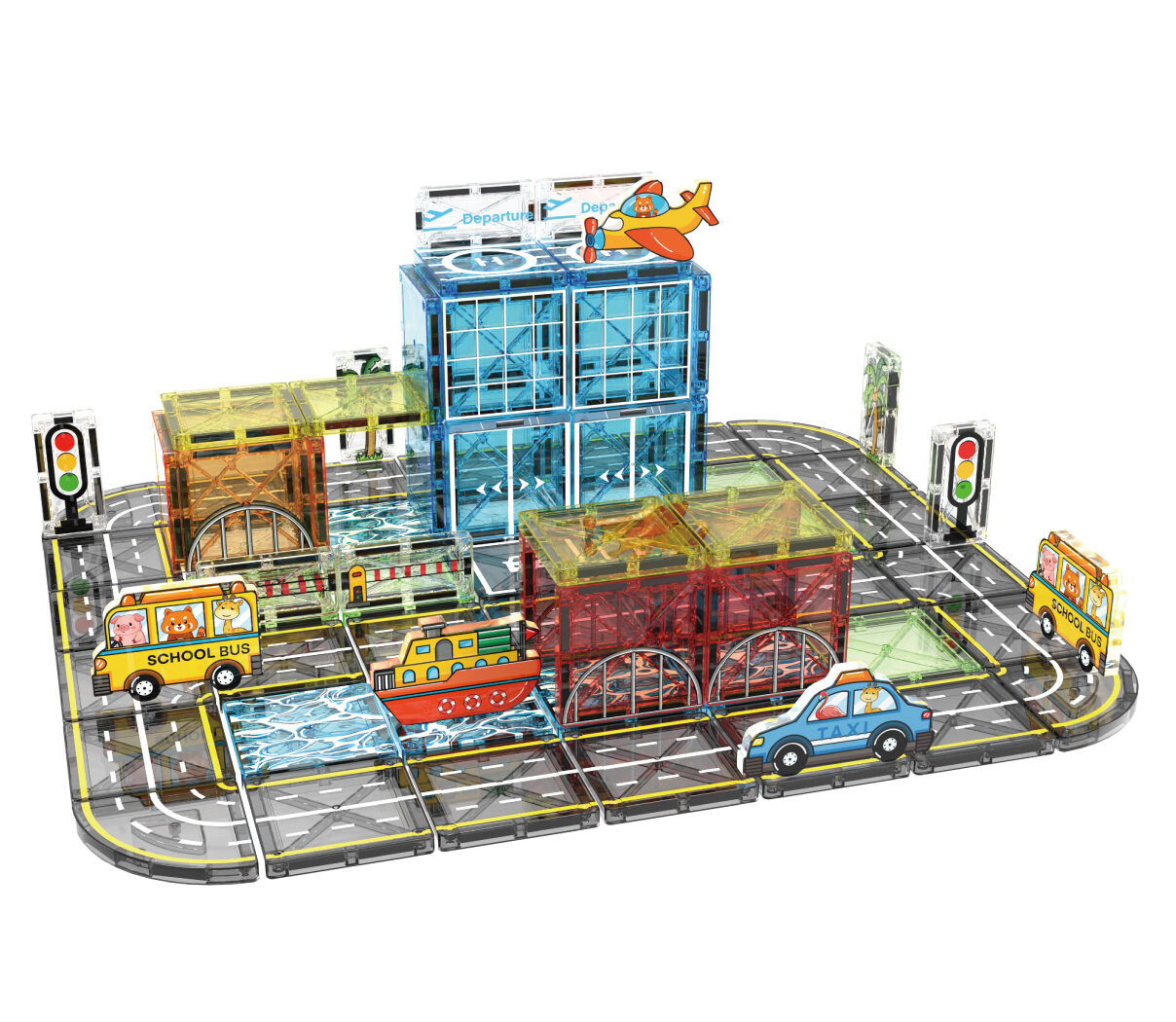
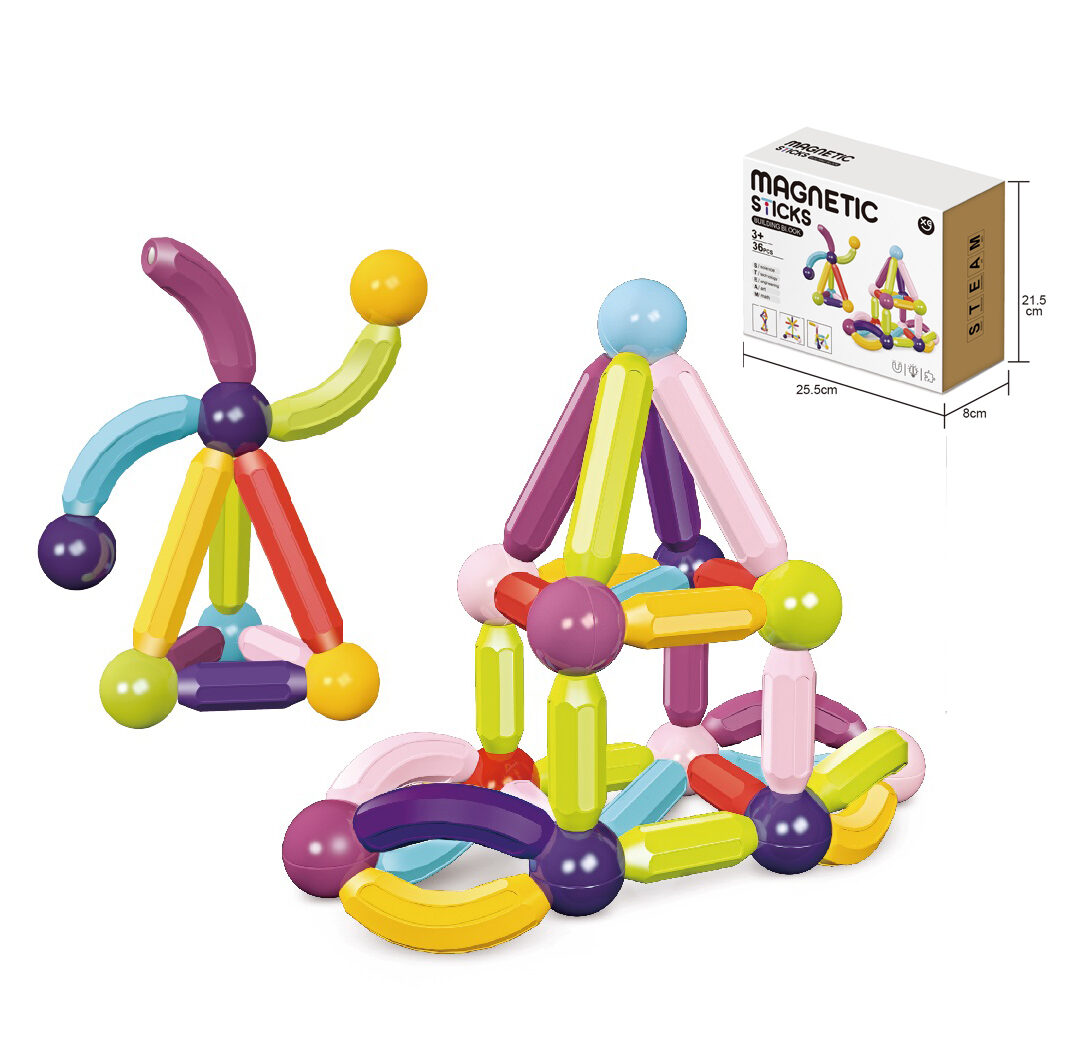
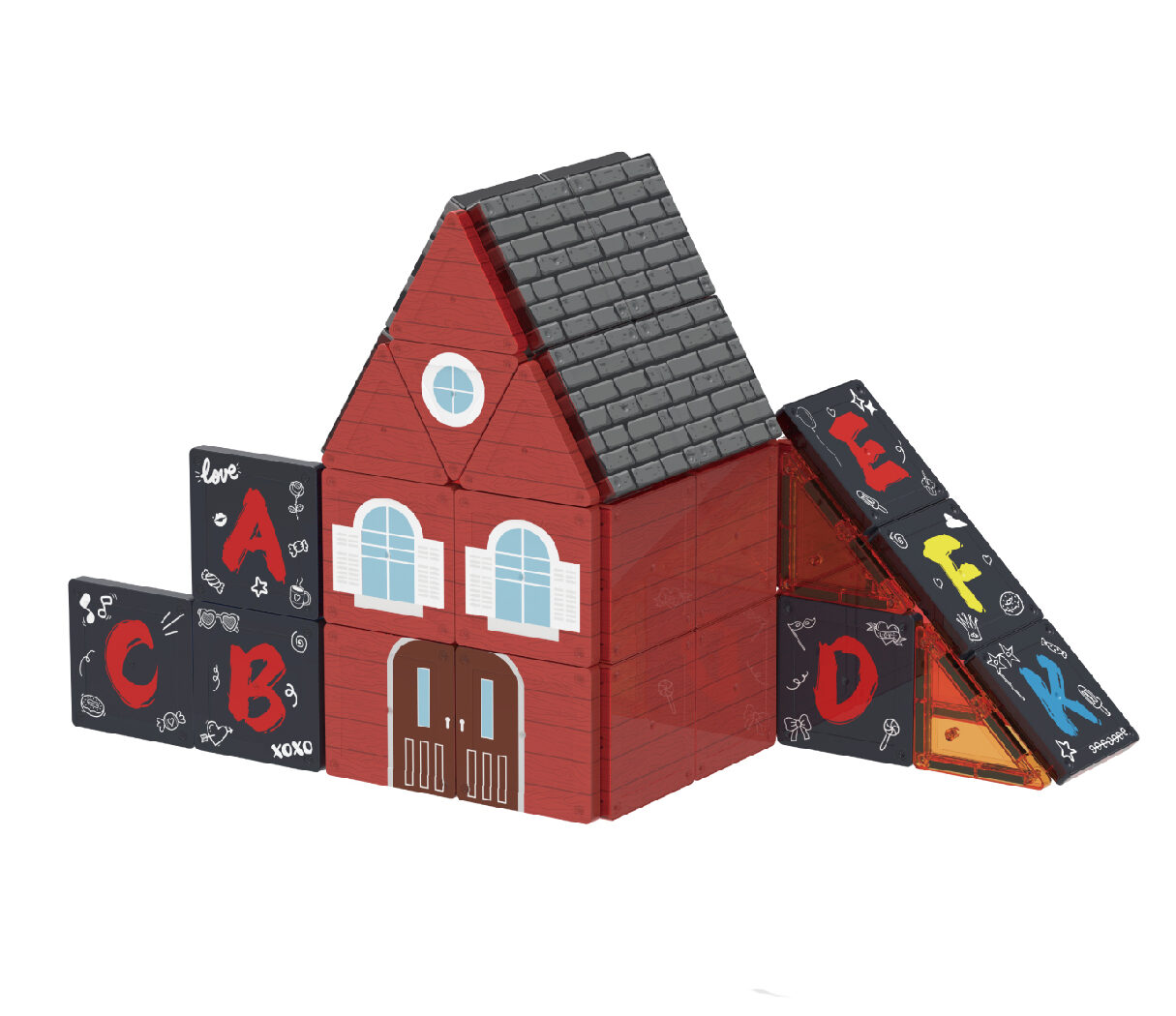
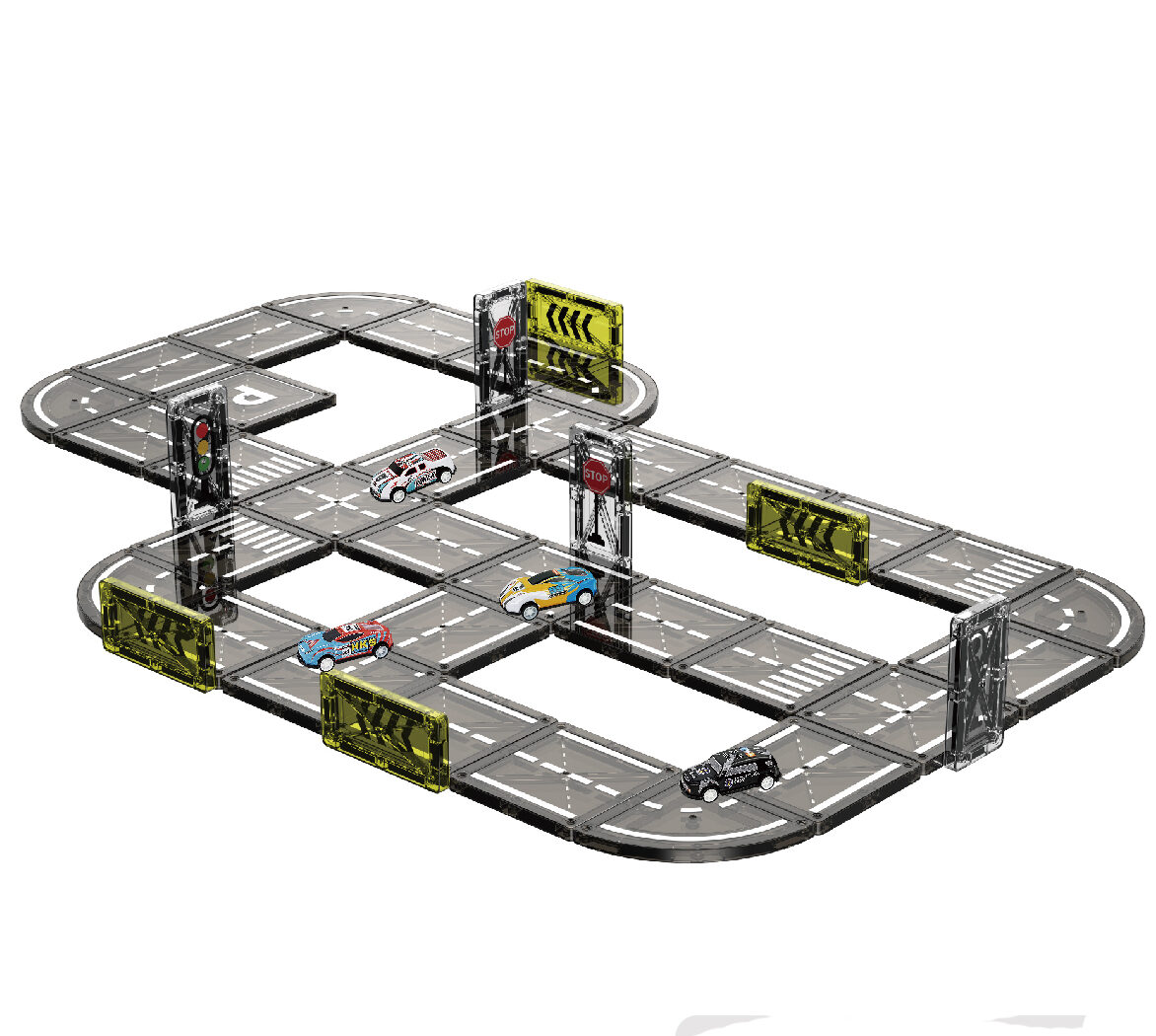
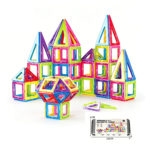
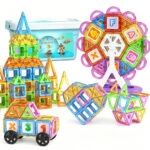
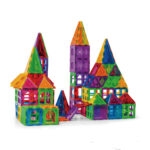
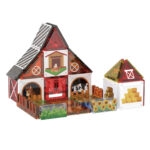
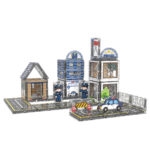
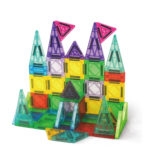
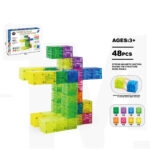
One of the main advantages of Chenghai toy manufacturing is supply chain concentration. A toy buyer can source plastic components, magnets, packaging boxes, stickers, manuals, accessories, and assembly services through a closely connected network. This is particularly helpful for products with many parts, such as building blocks, magnetic construction sets, STEM kits, and board games.
For example, a custom magnetic building set may require:
- ABS or other plastic raw materials
- Strong enclosed magnets
- Injection molds
- Printed instruction sheets
- Color boxes
- Inner trays or storage bags
- Master cartons
- Warning labels
- Test samples
- Export documentation
When these resources are coordinated efficiently, buyers can move from concept to sample and then to mass production more smoothly. This is why Chenghai remains attractive for brands that want to launch multiple SKUs or refresh their toy ranges frequently.
Types of Toy Suppliers
Before selecting a supplier, buyers should understand the difference between factory types.
Direct Manufacturers
A direct manufacturer owns or operates the production facility. It may handle injection molding, assembly, packing, and quality control internally.
Advantages include better cost control, more direct communication, clearer production visibility, and stronger support for customized projects. Direct factories are generally suitable for buyers with stable order volume or long-term product plans.
Trading Companies
Trading companies source products from multiple factories and may offer a wider variety of toy categories. They can be useful for buyers who want to test many products in small quantities or combine different categories in one shipment.
However, buyers should clarify whether the supplier is the actual manufacturer or a trading company. This matters when discussing factory audits, production schedules, molds, compliance documents, and quality accountability.
Hybrid Suppliers
Some companies combine manufacturing with trading services. This model can be useful for buyers who need both factory-direct products and a broader sourcing solution. The key is transparency: buyers should know which products are produced in-house and which are sourced from partner factories.
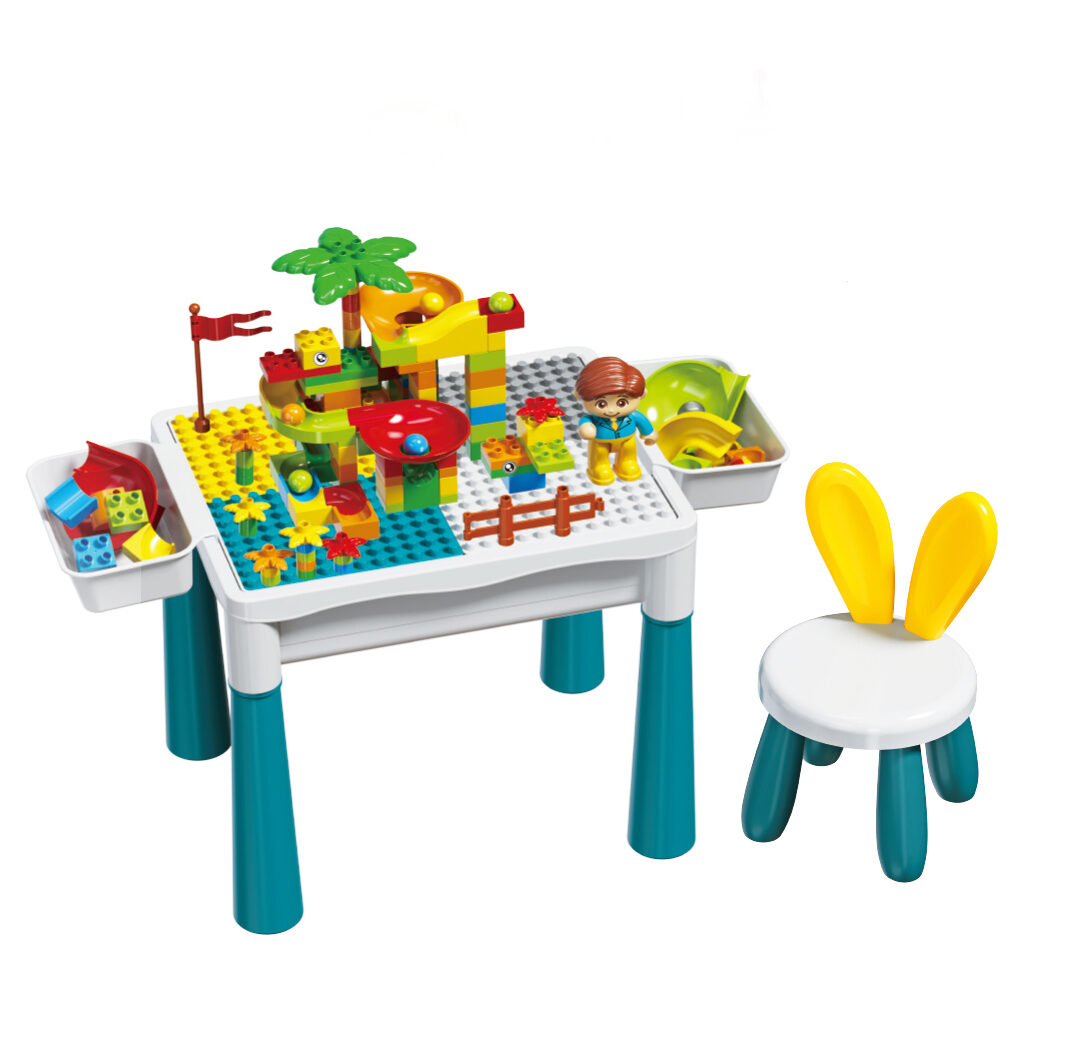
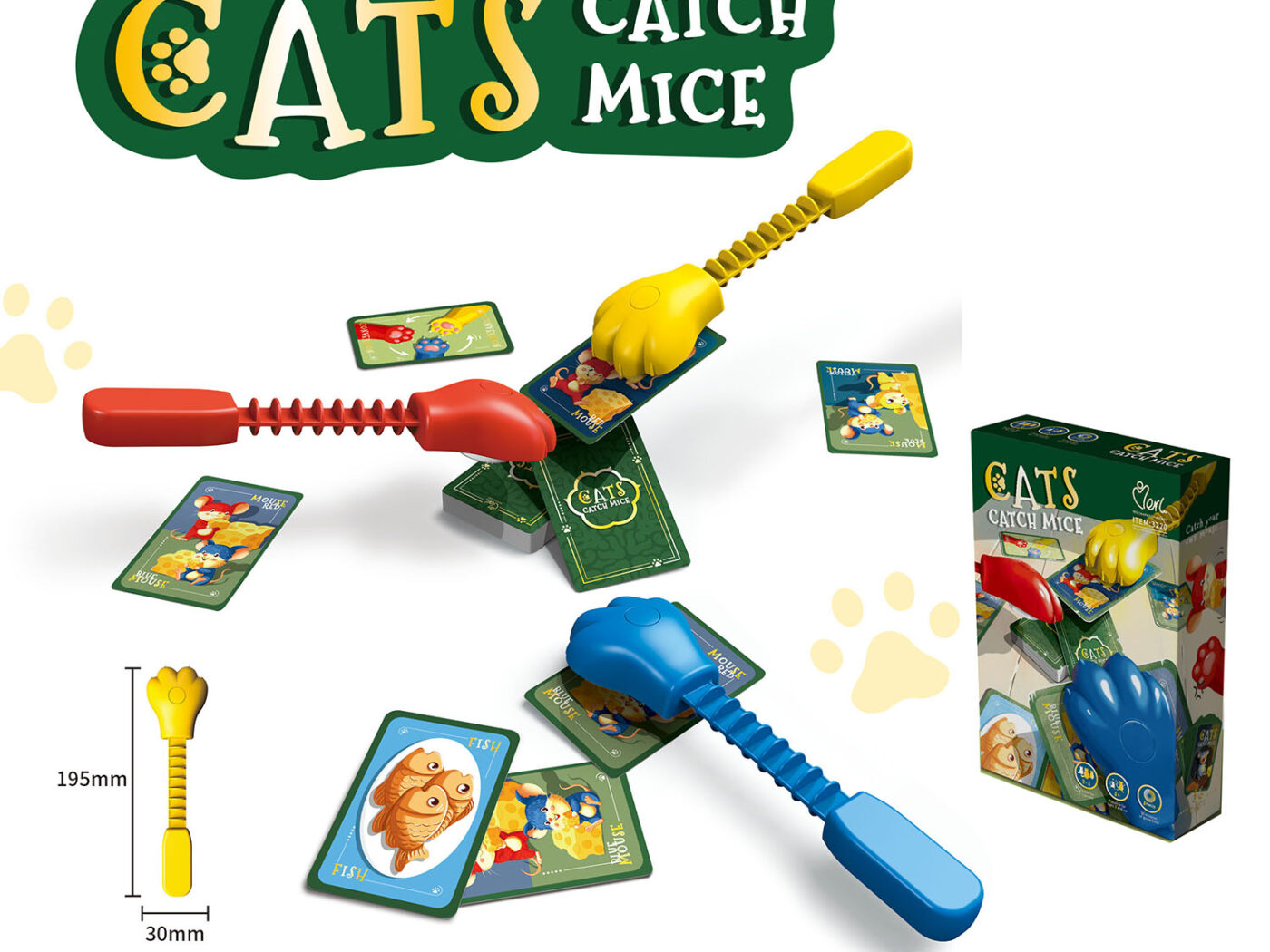
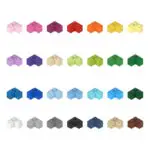
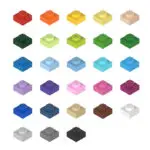
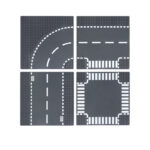
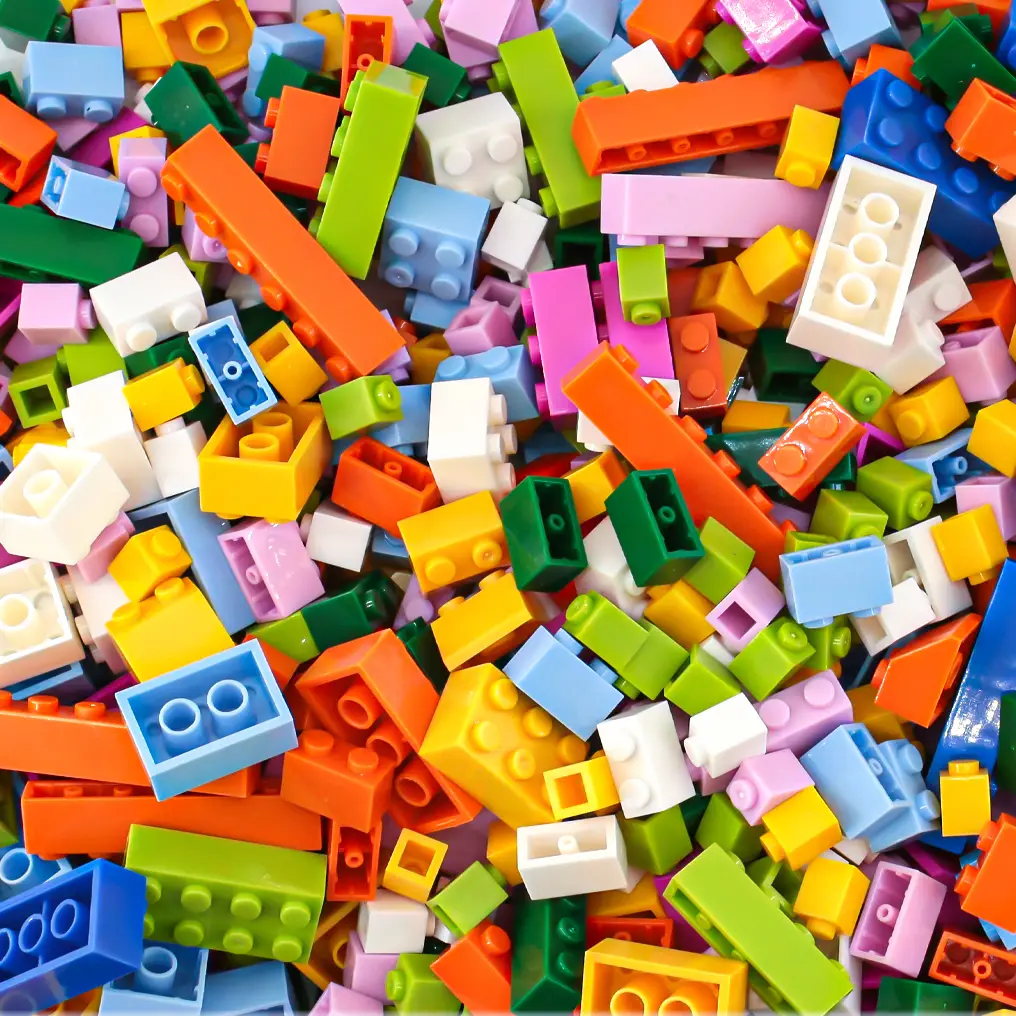
Lione Toys supports customers with both standard products and OEM/ODM development. Our range includes magnetic building blocks, compatible brick systems, base plates, accessories, board games, and STEM toys.
Quality Control in Chenghai Toy Factories
Quality control is one of the most important issues for overseas buyers. A professional factory should not wait until the final inspection to discover problems. Instead, quality should be controlled throughout the manufacturing process.
A multi-stage toy quality system generally includes incoming material inspection, in-line checks during production, and final random inspection before shipment. Chenghai manufacturing guidance also highlights the importance of non-conforming product quarantine, batch traceability, equipment calibration, and staff training.alibaba
For magnetic toys and building blocks, quality checks may include:
- Plastic color consistency
- Surface finish
- Sharp-edge inspection
- Magnet strength and enclosure
- Assembly accuracy
- Product fit and compatibility
- Drop testing
- Packaging condition
- Barcode accuracy
- Warning label verification
- Carton marking checks
Buyers should ask the factory how quality problems are recorded and corrected. A good supplier should be able to show clear quality checkpoints, defect reporting, inspection records, and retained samples.
The Importance of Material Control
Many toy quality problems begin with materials. If a supplier uses unverified plastic, inconsistent magnets, poor paint, or weak packaging materials, the finished product may fail safety tests or create customer complaints.
For this reason, buyers should request information about:
- Raw material suppliers
- Material test reports
- Color masterbatch control
- Magnet specifications
- Packaging material standards
- Traceability by production batch
Current sourcing recommendations emphasize verifying raw-material compliance rather than relying only on a finished-product test report. Buyers should also check whether certified materials are clearly separated from materials that are not approved for the target market.toptoyfactory+1
How to Manage Production Lead Time
Lead time is a major concern for toy buyers, especially for seasonal programs, holiday retail, back-to-school promotions, and Amazon launches. Delays can lead to lost sales, expensive air freight, cancelled purchase orders, or missed marketing windows.
Typical lead times vary depending on product complexity:
| Order Type | Typical Lead Time |
|---|---|
| Ready-stock products | 7–15 days |
| Standard repeat order | 20–30 days |
| Customized packaging | 25–35 days |
| New color or accessory development | 30–40 days |
| New mold project | 35–50 days |
Lead times can become longer during peak seasons, especially when factories are busy with holiday orders. Buyers should reserve production capacity early and avoid making late packaging or design changes.
Each revision after mold cutting can add approximately 7–14 days, so finalizing product specifications before production is important. Buyers can also reduce risk by pre-ordering special materials, approving samples quickly, and scheduling inspections before the production is nearly complete.cps-toys
Practical Ways to Avoid Delays
A better delivery result usually comes from better planning—not simply from pushing the factory to work faster.
- Confirm product specifications before quotation
- Approve artwork and packaging early
- Finalize warning labels for the target market
- Confirm carton dimensions and shipping marks
- Order long-lead materials in advance
- Request a detailed production schedule
- Conduct a during-production inspection
- Keep communication in writing
- Avoid last-minute changes after sample approval
- Plan orders before peak production months
During-production inspection is especially useful. Buyers can inspect products when production reaches around 20–30%, allowing defects or packing errors to be corrected before the full order is completed. Final random inspection should take place when most goods are finished and packed.toptoyfactory
Compliance Documents Buyers Should Request
Compliance requirements depend on the destination market. Buyers should always confirm applicable regulations before placing an order.
For many US toy programs, buyers request ASTM F963 documentation and Children’s Product Certificate support. For Europe, EN71 testing and CE-related documentation are common requirements. Buyers should verify the issuing laboratory, report validity, product model, material coverage, and test date.cps-toys+1
A factory should be able to help buyers prepare or provide:
- EN71 reports
- ASTM F963 reports
- CPSIA-related material information
- CPC support documents
- ISO 9001 certificates
- BSCI or SMETA audit reports, if required
- Product specifications
- Packaging warnings
- Factory information
- Bill of materials
- Test samples
Do not rely only on a logo printed on a product or carton. Buyers should independently check certificate numbers and issuing bodies where possible. Sourcing experts also advise buyers to request factory tours, audit reports, and third-party inspection support.cps-toys+1
Questions to Ask Before Ordering
Before choosing a Chenghai toy supplier, buyers should ask:
- Are you a manufacturer or trading company?
- Which production processes are completed in-house?
- What is your MOQ per item and color?
- Can you provide samples before production?
- What is the lead time after sample approval?
- What safety reports do you have for this product?
- Can you support customized packaging?
- How do you manage in-line quality control?
- What is your standard AQL level?
- Can buyers conduct third-party inspections?
- How do you handle defective products?
- What payment terms do you offer for first orders and repeat orders?
Clear answers to these questions can reveal whether a supplier is prepared for long-term international business.
Work with Lione Toys
Lione Toys is based in China’s toy manufacturing ecosystem and focuses on magnetic building blocks, compatible building bricks, base plates, accessories, board games, and STEM toys. We understand that global buyers need more than a low price. They need reliable communication, stable quality, flexible customization, clear documentation, and realistic delivery commitments.
Visit www.lionetoys.com to request product catalogues, discuss OEM/ODM projects, or source your next building block and educational toy collection.