


Sample approval is the point where a building block project moves from planning to production. A clear building block sample approval process helps importers confirm that the product matches the agreed specifications before large quantities are manufactured.
A sample is not only a visual reference. It should be tested, measured, assembled, compared with artwork, and reviewed against packaging and compliance requirements. LionEToys supports buyers with sample communication and product information throughout the sourcing process. Visit www.lionetoys.com for building block product details and inquiries.
Why Sample Approval Matters
Once mass production begins, changing a mold, color, artwork, or packaging component can be expensive and time-consuming. Sample approval gives the buyer and manufacturer a shared reference for what will be produced.
Without a formal approval process, buyers may face problems such as incorrect colors, weak brick clutch force, poor printing alignment, missing accessories, wrong packaging, or inconsistent product quality.
A signed or documented sample approval record helps reduce disputes and provides a clear production standard.
Approve the Right Sample Type
Different samples serve different purposes. Before approving production, make sure you are reviewing the correct sample stage.
Common sample types include:
- Design sample: Confirms general appearance, concept, and product structure
- Pre-production sample: Uses production-intent materials, molds, colors, printing, and packaging
- Golden sample: The approved reference sample retained by both parties
- Production sample: A sample taken from mass production to verify consistency
- Shipping sample: A final sample used to confirm packed product condition before shipment
For most building block orders, the pre-production sample is the most important approval stage. It should represent the product that will actually be manufactured.
Check Product Structure and Assembly
Start by building the complete set according to the instruction manual. This is one of the simplest but most valuable tests.
Check whether:
- All parts are included
- The instruction manual matches the actual parts
- Steps are easy to follow
- Bricks connect securely without excessive force
- Finished models remain stable
- Parts can be disassembled without damage
- The final model matches the approved design
Ask several people to build the set independently. This can reveal unclear instructions, missing parts, difficult connections, or design issues that one reviewer may overlook.
Inspect Brick Fit and Clutch Force
Clutch force refers to how securely building blocks connect. It affects both the building experience and product durability.
During sample review, assess:
- Whether bricks connect smoothly
- Whether connections are too loose or too tight
- Whether assembled sections stay together during normal handling
- Whether repeated assembly and disassembly affects performance
- Whether compatible parts fit consistently across different colors and molds
A consistent clutch feel is important for customer satisfaction. Inconsistent fit can make a product feel low quality even if the visual design is attractive.
Review Color and Material Quality
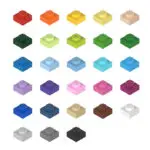
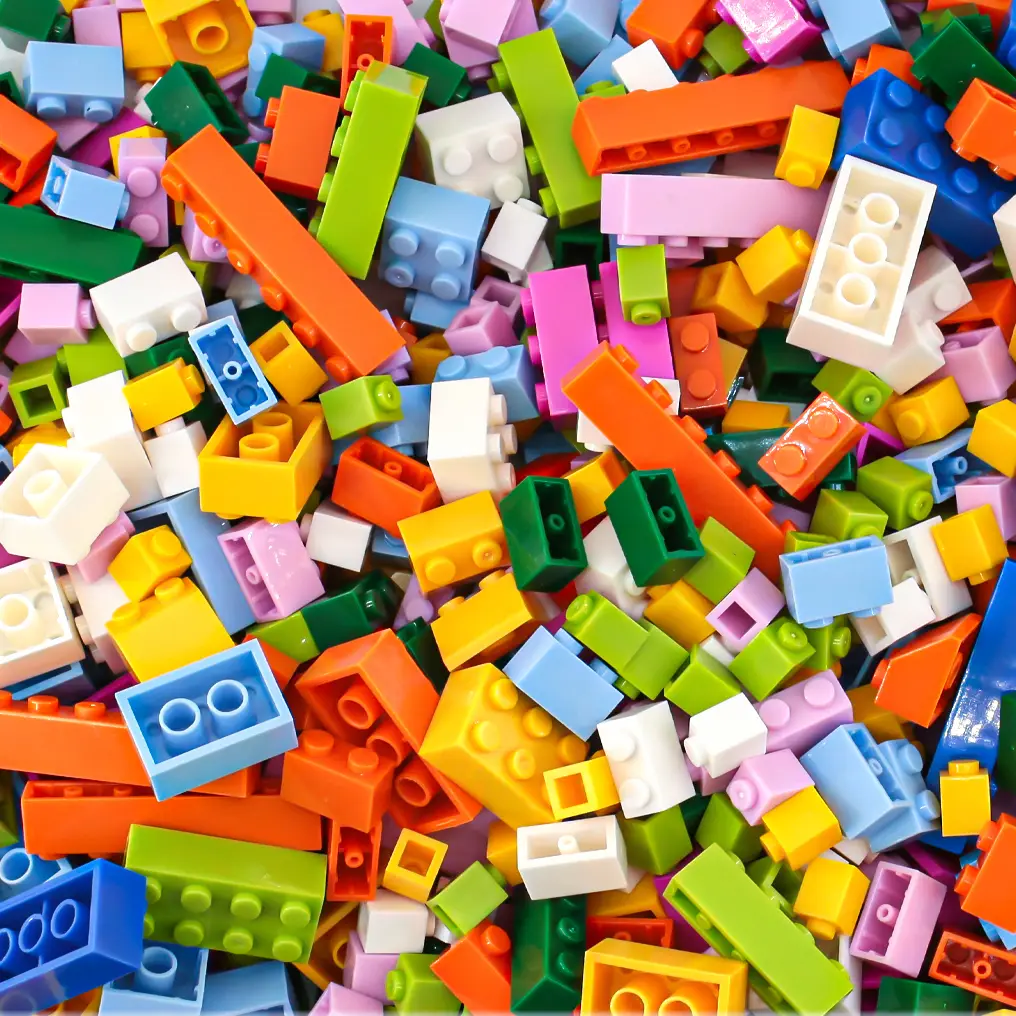
Color consistency is a major quality factor for building blocks. Compare the sample with approved Pantone references, artwork files, or previously approved samples.
Check:
- Color accuracy across all parts
- Color consistency between different production batches, if available
- Surface gloss and texture
- Transparency or opacity where required
- Material strength and flexibility
- Odor or unusual surface finish
- Presence of flash, burrs, sink marks, scratches, or deformation
Do not rely on photos alone. Physical samples allow buyers to assess tactile quality, color accuracy, and assembly performance more accurately.
Inspect Printing and Decoration
For building blocks with printed patterns, logos, minifigure faces, or decorative details, printing quality is critical.
Review:
- Print position and alignment
- Color accuracy
- Sharpness of fine details
- Ink coverage and edge quality
- Resistance to rubbing or scratching
- Print durability after assembly and disassembly
- Consistency across multiple printed parts
If possible, rub the printed surface gently with a clean cloth to check for obvious ink transfer. For products with high printing requirements, ask the manufacturer to explain its printing process and quality-control method.
Verify Packaging and Artwork
Packaging should be reviewed as carefully as the product itself. A sample approval should include the actual packaging structure, printed artwork, inserts, labels, barcodes, and instruction manual.
Check:
- Box size, material, and structure
- Print color and artwork placement
- Barcode accuracy and scannability
- Product name, model number, and piece count
- Age grading and warning labels
- Language requirements for the destination market
- Inner tray, blister, or bag design
- Carton markings and shipping labels
- Instruction manual quality and language accuracy
Packaging errors are often discovered late, but they can delay shipment or create compliance problems. Review all artwork files before the packaging sample is produced.
Confirm Accessories and Contents
Make a detailed contents list before approving the sample. Count every brick, minifigure, accessory, sticker, instruction manual, and packaging component.
Your checklist should include:
- Total piece count
- Number of minifigures
- Accessories and spare parts
- Sticker sheet quantity
- Instruction manual quantity
- Packaging inserts
- Barcode labels
- Any promotional or warning inserts
A missing accessory may seem minor, but it can create customer complaints, returns, and negative reviews after retail launch.
Review Safety and Compliance Elements
Sample approval should also include a review of safety-related elements. Confirm that the product design, age grading, warnings, packaging, and documentation align with the requirements of the destination market.
Check whether:
- The intended age grade is correct
- Required warnings are included
- Small parts are properly identified
- Packaging labels match the approved artwork
- Required language versions are included
- Material declarations or test reports are available or scheduled
- Any product changes require updated documentation
Safety requirements vary by market, so buyers should confirm the exact requirements before approving mass production.
Document Every Approved Detail
A sample approval should be recorded in writing. Verbal approval is not enough for complex building block projects.
Your approval document should include:
- Sample name and version number
- Product photos
- Approved color references
- Approved artwork and packaging files
- Piece count and accessory list
- Material and printing requirements
- Quality standards
- Safety and compliance status
- Approval date and authorized signatories
- Any approved deviations or special notes
Both the buyer and manufacturer should retain a copy of the approved sample record. This becomes the reference standard for mass production.
Common Sample Approval Mistakes
Avoid these frequent errors:
- Approving a sample based only on photos
- Reviewing packaging artwork after production has started
- Ignoring instruction manuals and inner packaging
- Failing to count all parts and accessories
- Assuming color will remain consistent without a reference standard
- Not documenting approved changes
- Approving a sample before safety documentation is clarified
- Using different product specifications in emails, purchase orders, and artwork files
A disciplined approval process prevents small misunderstandings from becoming expensive production issues.
Final Approval Checklist
Before approving a building block sample, confirm the following:
- Product design matches approved artwork
- All parts and accessories are included
- Brick clutch force and assembly feel are acceptable
- Color, material, and surface quality meet requirements
- Printing is accurate and durable
- Instruction manual is complete and clear
- Packaging, barcode, and labels are correct
- Age grading and warnings are appropriate
- Safety documentation is available or in progress
- The approved sample is retained as the production reference
A structured building block sample approval process protects product quality, reduces production risk, and creates a clear standard for future orders. For building block sourcing and sample inquiries, visit www.lionetoys.com.