
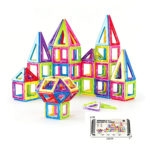
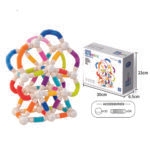
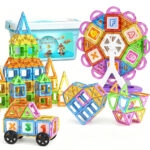
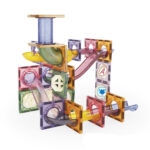

Why quality inspection matters
For B2B buyers, building block quality inspection is not only about avoiding defective products. It protects brand reputation, reduces customer complaints, prevents customs or marketplace issues, and ensures that products remain safe for children.cpsc+1
A low unit price can become expensive if a shipment arrives with color variation, weak connections, sharp edges, incorrect piece counts, or packaging that fails during transportation.
Start with the intended market
Before inspecting samples, define the destination market and target age group. Safety requirements differ by region, and a product that is acceptable in one market may not be compliant in another.
For the United States, toys intended primarily for children aged 12 and under generally require third-party testing and certification under ASTM F963 and related CPSC requirements.cpsc+2
For the European Union, building blocks must meet applicable EN 71 requirements, including mechanical and physical properties, flammability, and migration of certain elements.eurofins+1
Building block quality inspection checklist
1. Material and safety
Check whether the supplier can provide clear material specifications, such as virgin ABS or PP, rather than vague descriptions such as “safe plastic.” For children’s products, request documentation for chemical compliance, small-parts requirements, sharp-edge testing, and applicable labeling.cpsc+2
Important checks include:
- Material type and grade.
- Colorant and masterbatch compliance.
- Heavy-metal and phthalate-related requirements where applicable.
- Small-parts risk for the declared age group.
- Sharp edges, burrs, and flash.
- Surface smoothness and odor.
For products intended for children under three, small parts are a critical concern. CPSC guidance states that such products must not contain or release small parts after use and abuse testing.cpsc+1
2. Mold precision and appearance
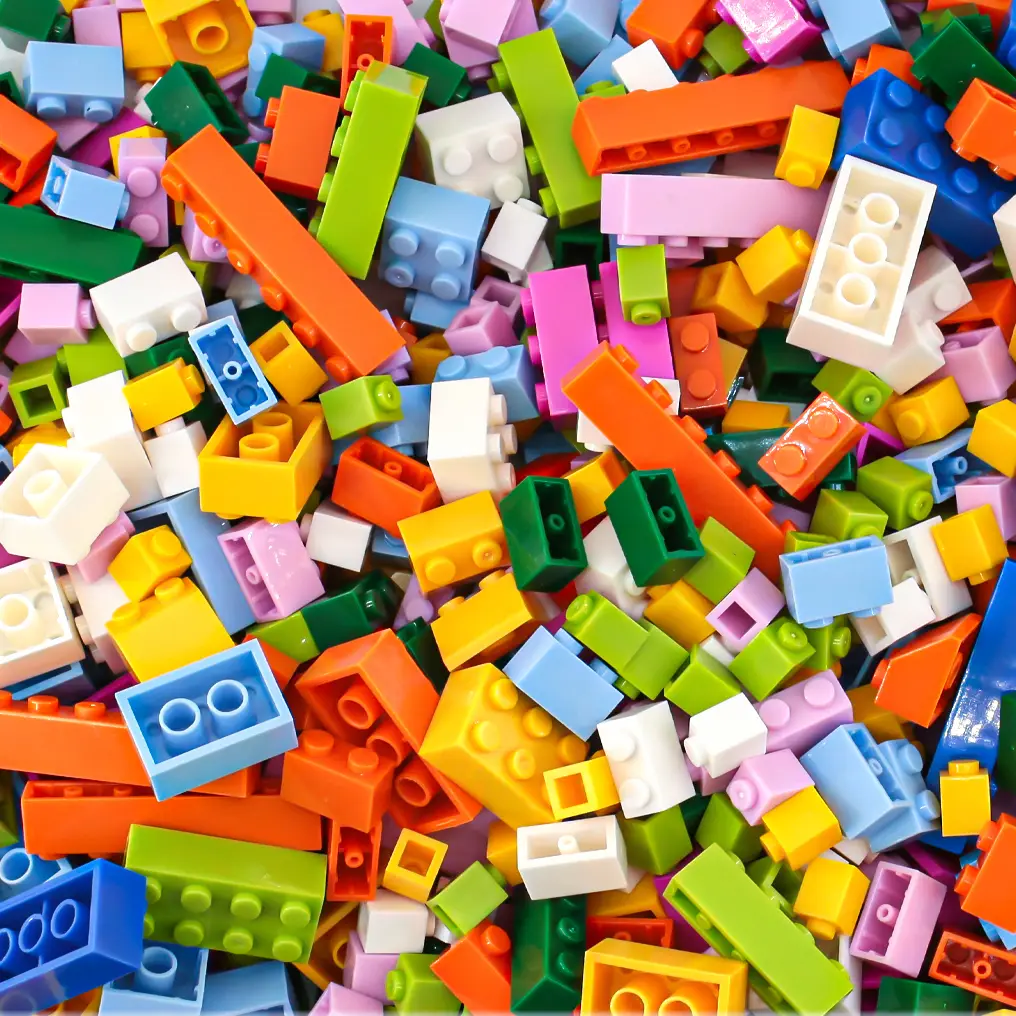
Inspect bricks under good lighting and compare them with the approved golden sample. Look for flash, sink marks, short shots, warpage, scratches, uneven parting lines, and color inconsistency.
High-quality building blocks should have clean edges, consistent dimensions, and stable clutch performance. Mold tolerance, resin quality, and process control all affect the final result.meshy+2
3. Connection and assembly performance
Connection quality should be tested across multiple bricks, colors, and production batches. Build a structure using at least 20–50 pieces and check whether it remains stable when lifted or moved.
Ask the factory to define its acceptance standard for clutch force. The target should not simply be “as tight as possible”; it should provide secure assembly while remaining easy for the intended user to separate.legofinder+1
4. Color consistency
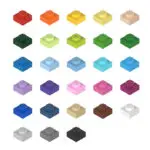
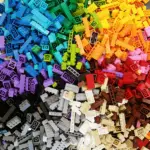
Color variation is one of the most common wholesale quality issues. Compare bricks from different cartons, production dates, and molds under the same lighting conditions.
Request a signed color standard or physical master sample before mass production. For custom projects, confirm whether color matching is based on Pantone, a physical sample, or both.
5. Packaging and labeling
Packaging affects both retail presentation and transportation safety. Inspect the following before approving production:
- Box strength, print quality, and barcode accuracy.
- Language, warnings, age grading, and required compliance markings.
- Inner tray fit and brick count.
- Instruction manual quality.
- Carton drop resistance and shipping marks.
- Master carton dimensions and pallet configuration.
Pre-shipment inspections commonly include packaging and label audits, carton integrity checks, barcode verification, and shipping-mark review.velasourcing
6. Pre-shipment inspection
A professional pre-shipment inspection should use a defined sampling plan, such as AQL-based sampling, rather than checking only a few random pieces. It should cover mechanical safety, appearance defects, assembly performance, packaging, labels, and carton condition.velasourcing
Ask the supplier to provide:
- Inspection standard and sample size.
- Accepted quality limit (AQL).
- Photos and videos of inspected goods.
- Defect classification: critical, major, and minor.
- Corrective-action plan if defects exceed the agreed limit.
Sample approval process
A strong quality process usually includes these stages:
- Design review: Confirm 3D files, dimensions, colors, materials, and packaging.
- Prototype sample: Check appearance, fit, and basic function.
- Pre-production sample: Approve final material, color, mold condition, and packaging.
- Pilot production: Test output from the actual production mold.
- Mass production inspection: Conduct in-process and final random inspections.
- Pre-shipment inspection: Verify the shipment against the approved standard.
Lionetoys helps wholesale buyers manage these stages through sample approval, production monitoring, and pre-shipment quality control. Learn more about our OEM and ODM building block services at https://www.lionetoys.com.
FAQ
Should I rely only on certificates?
No. Certificates are important, but they do not replace inspection of the actual production batch. Request both compliance documents and shipment-level inspection reports.
What is the biggest quality risk in building blocks?
Common risks include inconsistent clutch force, color variation, flash or burrs, weak packaging, incorrect piece counts, and non-compliant materials.velasourcing
When should inspection take place?
At minimum, inspect the pre-production sample and the finished goods before shipment. For large or first-time orders, in-process inspection is also recommended.
Request a quality-focused quotation
Before placing a wholesale order, send Lionetoys your product drawings, target market, age grade, packaging requirements, and expected order volume. Our team can help you define inspection standards and reduce production risk. Visit https://www.lionetoys.com to start your project.