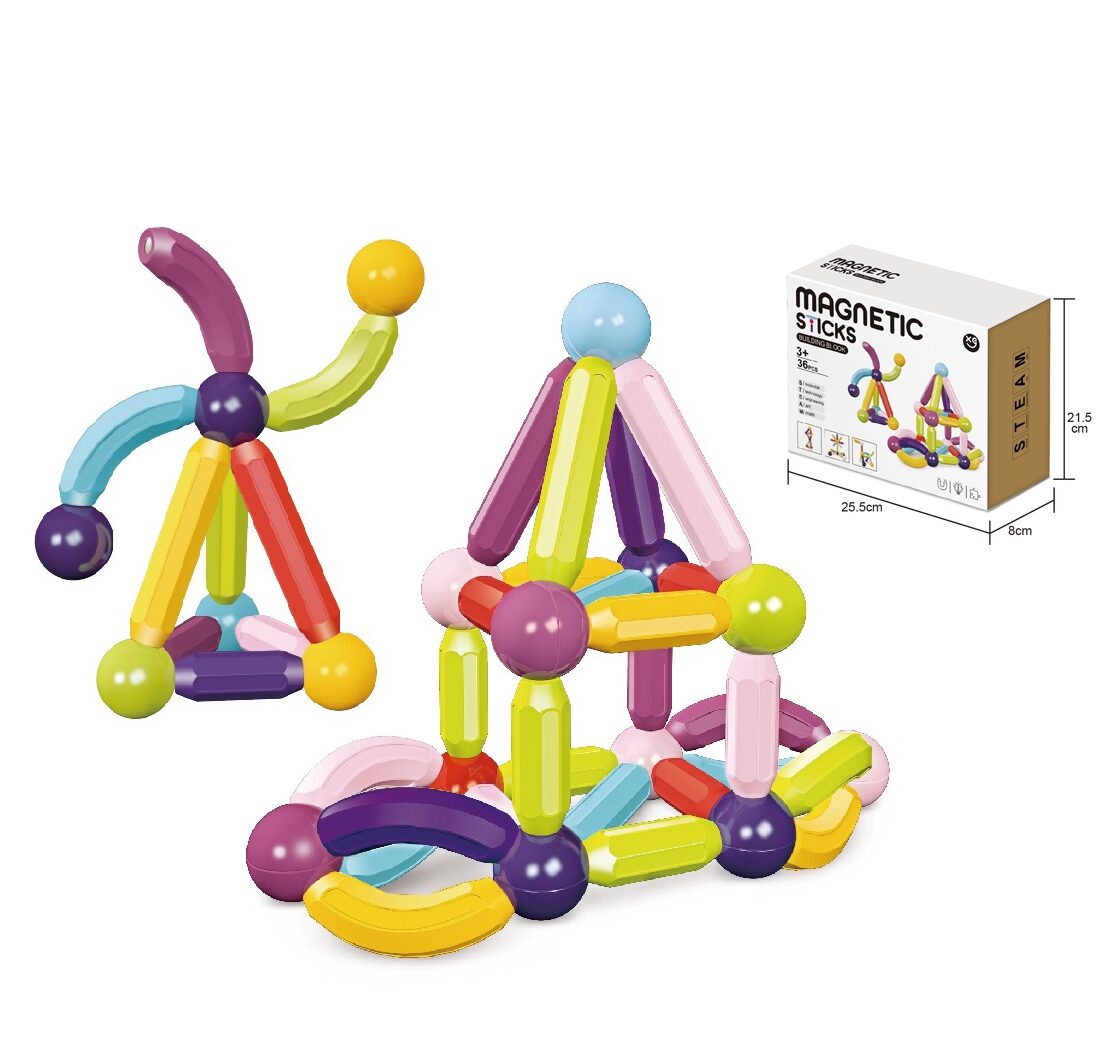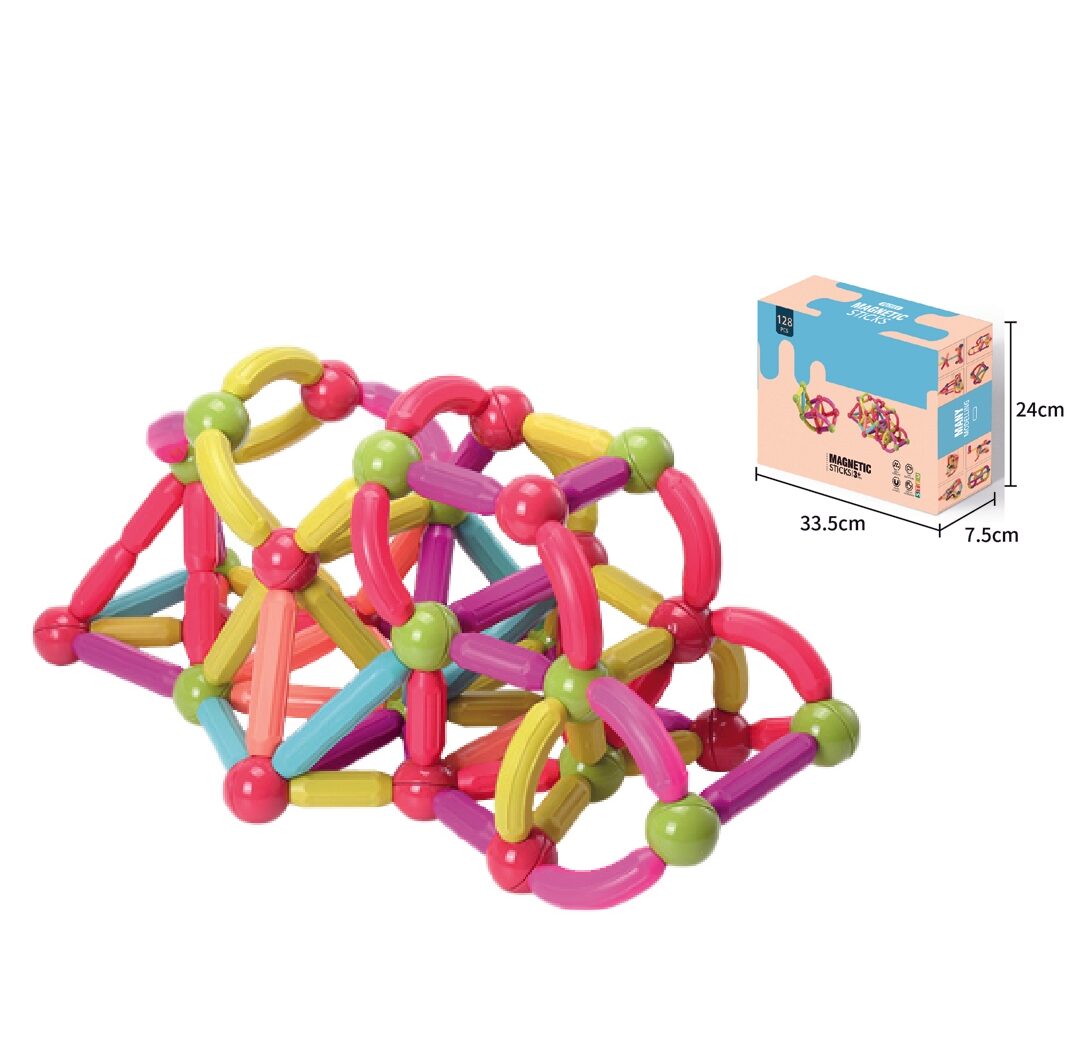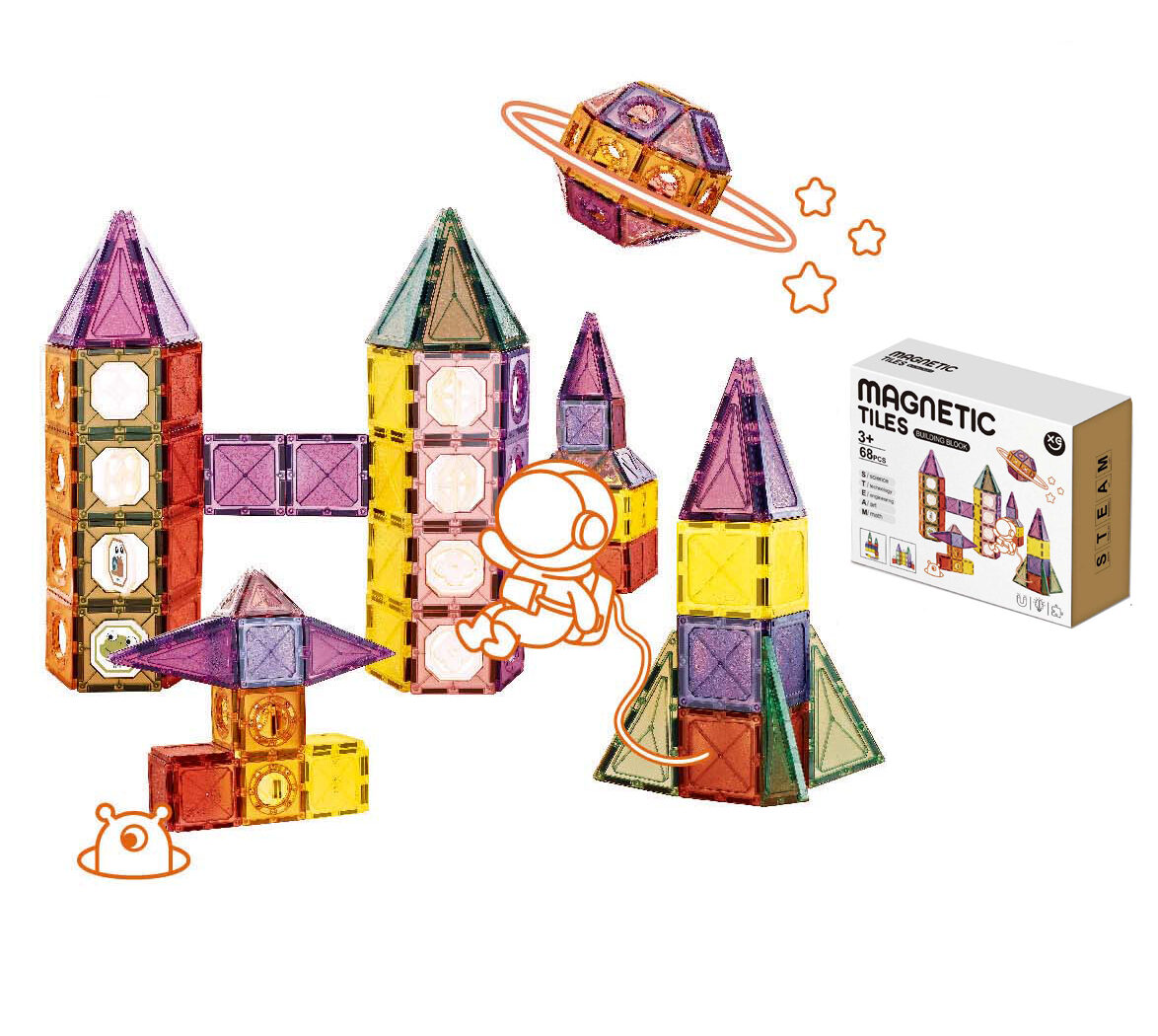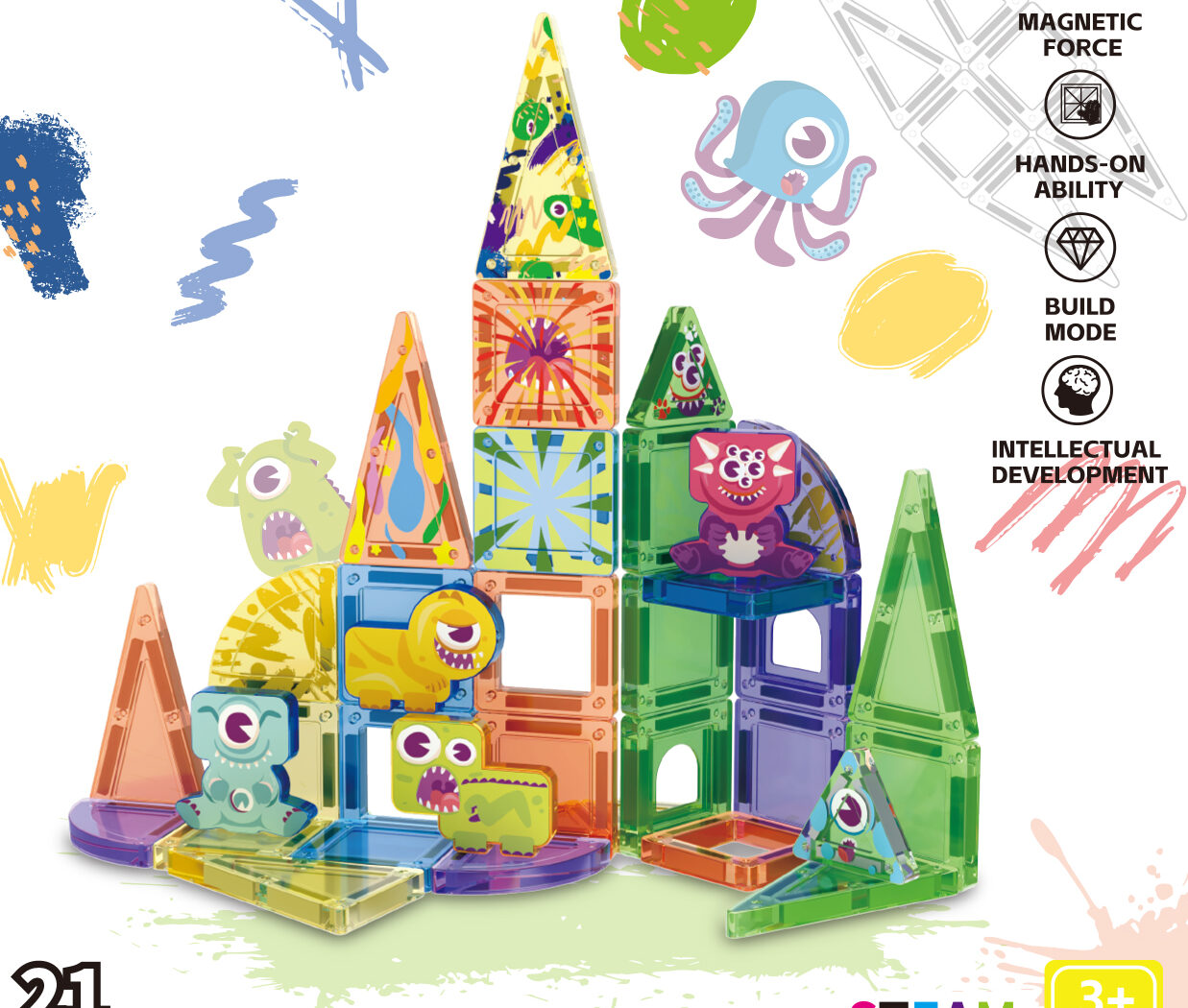
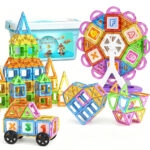
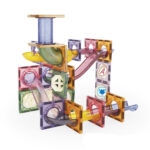
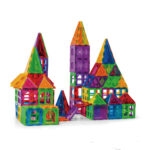
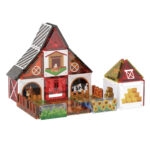
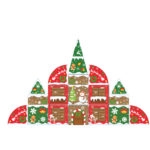
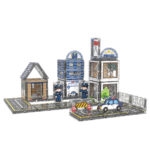
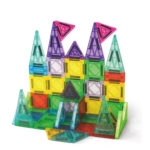
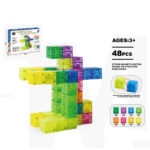
For toy wholesalers, importers, distributors, and private-label brands, custom building blocks are one of the most powerful ways to differentiate your product range. Instead of reselling a generic catalog item, you can create a product that reflects your brand, your target customers, and your market strategy.
Customization does not always mean expensive new molds or long development cycles. Depending on your goals, you can customize:
- Brick shapes and part selection
- Color ratios and special colors
- Parts mix and themed assortments
- Logo and brand identity
- Packaging format and artwork
- Instruction manuals and activity guides
- Complete custom sets
- New molds for exclusive components
This guide explains each customization option, how it affects cost and lead time, and how buyers can build a realistic product plan with a China toy manufacturer.
Brick Shape and Part Selection
The first level of customization is choosing which brick shapes and parts to include in your product.
Most compatible building block systems already offer a wide range of standard parts:
- Basic bricks (1×1, 1×2, 2×2, 2×4, etc.)
- Plates and tiles
- Slopes, curves, and roof elements
- Windows, doors, and arches
- Wheels, tires, and axles
- Technic-style beams, pins, and connectors
- Specialty parts such as trees, fences, signs, and accessories
For many buyers, selecting from existing parts is enough to create a differentiated product.
How Shape Customization Works
You can work with the manufacturer to:
- Choose a specific parts list for your set
- Define the ratio of bricks, plates, slopes, and specialty elements
- Select parts that support your theme (for example, castle, city, vehicle, space)
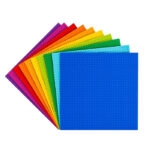
- Include high-demand components such as wheels, windows, or base plates
- Exclude parts that do not fit your target age group or price point
For example, a preschool-focused product might emphasize larger bricks, base plates, and simple shapes. An advanced builder set might include more slopes, tiles, Technic-style components, and specialty elements.
Shape and part selection customization typically has:
- Low to moderate development cost (using existing molds)
- Shorter lead time compared to new molds
- High flexibility to adjust the parts list before production
This is often the best starting point for buyers new to custom building blocks.
Color Customization
Color is one of the most visible and cost-effective ways to customize building blocks.
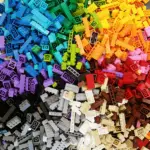
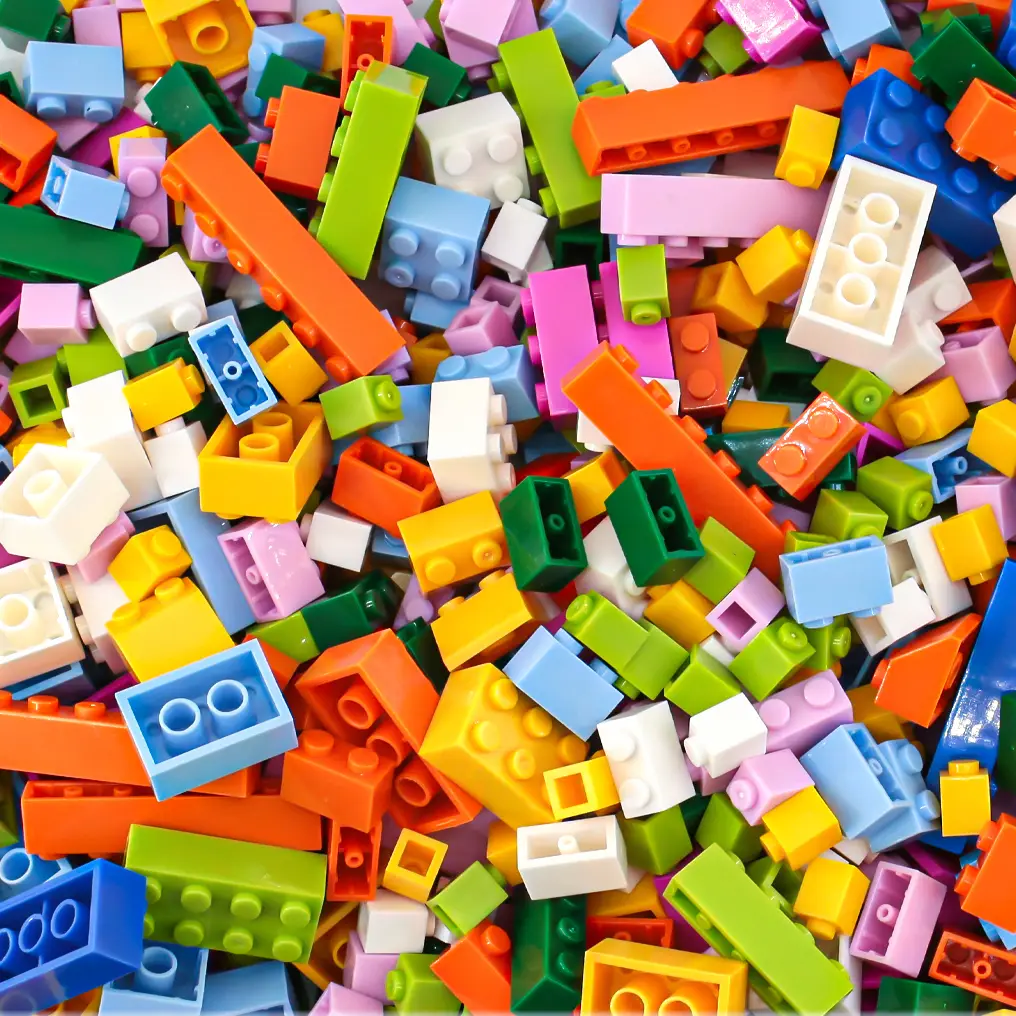
Standard building block sets often use common colors such as red, blue, yellow, green, white, black, and grey. With custom building blocks, you can go further.
Color Options Include:
- Custom color ratios – for example, more blue and grey for a city theme, or more green and brown for a nature theme
- Brand-specific colors – matching your brand palette or logo colors
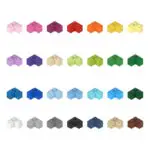
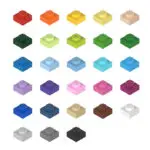
- Special colors – such as pastels, metallics, or unique shades
- Educational color coding – for example, different colors for different part types or learning activities
- Limited-edition colors – for seasonal or promotional products
How Color Customization Works
A manufacturer will typically:
- Provide a color chart or swatches for selection
- Match colors based on Pantone or physical samples
- Produce color trials for approval before bulk production
- Maintain color records for repeat orders
Color consistency is important. A good supplier should control:
- ABS material quality
- Masterbatch dosing
- Mixing and molding parameters
- Batch-to-batch color comparison
Color customization usually does not require new molds. It mainly affects material preparation and production planning. This makes it a practical customization option for many buyers.
Parts Mix and Themed Assortments
Once you have selected available brick shapes and colors, the next step is designing the parts mix.
This is where you turn standard components into a themed or purpose-driven product.
Examples of Custom Parts Mixes
- City Builder Kit – bricks, windows, doors, road tiles, signs, vehicles
- Castle Construction Set – slopes, arches, gates, windows, decorative elements
- Vehicle Creator Pack – wheels, axles, chassis bricks, slopes, plates
- STEM Mechanics Kit – beams, gears, pins, axles, connectors, wheels
- Preschool Starter Box – large bricks, base plates, simple shapes, bright colors
- Replacement Parts Pack – high-demand standard bricks, plates, tiles, wheels
- Party Activity Kit – small mixed brick packs with challenge cards
- Educational Classroom Set – bulk bricks, storage tub, sorting trays, teacher guide
Benefits of Custom Parts Mixes
- You can target specific customer segments
- You can create multiple SKUs from the same component base
- You can align the product with your brand story
- You can adjust the mix based on sales data and feedback
Parts mix customization uses existing molds and focuses on assortment design. It is a strong option for buyers who want differentiation without heavy investment in new tooling.
Logo and Brand Identity
Custom building blocks allow you to apply your brand identity to the product.
Where Logos Can Appear
- Packaging – color box, bag, tub, label
- Instruction manual – cover and inside pages
- Sticker sheets – if included in the set
- Printed bricks – for example, branded tiles or special logo pieces (subject to intellectual property considerations)
- Storage containers – buckets, boxes, or trays with your logo
Logo Customization Options
- Printed logo on packaging
- Embossed or debossed logo on storage tubs
- Custom hang tags or labels
- Branded barcode and SKU labels
- Custom inner bags with logo print
Logo customization helps customers recognize your product and builds long-term brand value. It also makes it harder for competitors to copy your exact offering, even if they use similar components.
For private-label brands, consistent logo placement across all products—bulk bags, sets, replacement packs, and educational kits—creates a coherent brand presence.
Packaging Customization
Packaging is one of the most impactful areas for customization. It affects shelf presence, online listing quality, perceived value, freight cost, and customer experience.
Packaging Format Options
- Bulk polybags – simple, cost-effective for weight-based sales
- Resealable branded bags – convenient for families and schools
- Color boxes – retail-ready presentation
- Window boxes – to show product inside
- Tubs and buckets – for storage and play value
- Display boxes – for retail shelf impact
- Gift boxes – premium presentation for holidays or special occasions
- E-commerce optimized boxes – compact, durable for shipping
Packaging Artwork Customization
- Custom front and back design
- Brand story and product benefits
- Build examples and play ideas
- Age grading and safety warnings
- Barcode and SKU placement
- Country-of-origin and importer information
- Multilingual text for different markets
Internal Packaging
- Inner bags sorted by part type or building stage
- Trays or dividers for organization
- Instruction manual placement
- Sticker sheets or accessory bags
- Protective wrapping for delicate parts
Packaging customization can range from simple label changes to fully custom box design. The right choice depends on your channel, price point, and brand positioning.
For e-commerce sellers, packaging should also consider:
- Drop-test performance
- Size and weight for shipping cost
- Unboxing experience
- Easy storage for customers
For retailers, packaging should meet:
- Shelf-size requirements
- Visual impact at distance
- Clear age grading and product description
- Compliance with retailer packaging guidelines
Instruction Manual and Activity Guides
Instruction manuals and activity guides are often overlooked but can significantly improve product value.
Instruction Manual Customization
- Custom cover with your logo and product name
- Step-by-step building instructions for specific models
- Multiple model options from the same parts
- Clear diagrams and part lists
- Age-appropriate language and layout
- Multilingual versions for different markets
Activity Guides and Challenge Cards
Instead of only model instructions, you can include:
- Building challenges (for example, “build the tallest tower”)
- STEM activities (for example, “design a bridge that holds weight”)
- Creative prompts (for example, “create your own vehicle”)
- Educational content about shapes, symmetry, or engineering concepts
- Classroom activity ideas for teachers
For educational and STEM-oriented products, activity guides can be as important as the bricks themselves. They turn a generic parts assortment into a structured learning experience.
Instruction and activity content can be developed by:
- Your in-house team
- A freelance designer or educator
- The manufacturer’s design partner (if available)
Clear, well-designed instructions reduce customer questions, improve the building experience, and support repeat purchases.
Custom Sets Using Existing Parts
A custom set is a complete product that uses existing molds and components but with a unique parts list, color mix, packaging, and instructions.
This is one of the most practical ways to launch a differentiated building block product.
Steps to Create a Custom Set
- Define the concept – theme, target age, price point, and channel.
- Select parts – choose from available bricks, plates, slopes, tiles, wheels, windows, doors, and specialty elements.
- Design the color mix – decide color ratios and any special colors.
- Create the model or models – design one or more builds that can be made from the selected parts.
- Develop instructions – step-by-step building guide with clear diagrams.
- Design packaging – box, bag, or tub with your branding and artwork.
- Review samples – check parts, colors, instructions, and packaging.
- Confirm production – finalize quantity, packaging, and shipment plan.
Advantages of Custom Sets
- No new mold investment (if using existing parts)
- Faster development than fully new products
- Flexible to adjust based on sample feedback
- Suitable for private-label brands, retailers, and educational suppliers
- Can be expanded into a range (for example, multiple themed sets)
Custom sets allow buyers to create products that feel unique while controlling development cost and timeline.
Custom Molds for Exclusive Components
For buyers who want truly exclusive products, custom molds are the next level of customization.
Custom molds allow you to create:
- Unique brick shapes not available in standard catalogs
- Specialized parts for a specific theme (for example, unique castle elements, vehicle parts, or character accessories)
- Branded components that cannot be easily copied
- Parts designed for a specific educational or play concept
When Custom Molds Make Sense
Custom molds are worth considering when:
- You have a clear product concept that existing parts cannot fully support
- You plan to sell the product over multiple years
- You have enough volume to justify the tooling investment
- You want to create a defensible, differentiated product line
- You are developing a flagship product for your brand
Custom Mold Process Overview
- Concept and sketch – define the part shape and function.
- 3D modeling – create digital design with precise dimensions.
- Prototype – produce sample parts for testing.
- Mold engineering – design and manufacture the injection mold.
- Trial production – test the mold and refine as needed.
- Sample approval – confirm dimensions, connection, and appearance.
- Bulk production – manufacture parts at scale.
- Integration – use the new parts in custom sets or assortments.
Cost and Lead Time Considerations
Custom molds involve:
- Tooling cost (one-time investment)
- Sample and revision cost
- Longer lead time than using existing parts
- Ongoing mold maintenance
However, they can create long-term competitive advantage. An exclusive part can become a signature element of your brand.
Before investing in new molds, discuss with the manufacturer:
- Mold ownership and exclusivity
- Expected mold lifespan
- Revision process if design changes are needed
- Compatibility with existing parts
- Testing requirements for the new component
Combining Customization Levels
Most successful custom building block programs combine several levels of customization.
For example, a private-label brand might:
- Use existing brick shapes and specialty parts
- Create a unique color palette aligned with the brand
- Design themed parts mixes for different product lines
- Add logo and branded packaging
- Develop custom instruction manuals and activity guides
- Launch multiple custom sets as a range
- Later introduce one or two exclusive molded parts for flagship products
This approach balances differentiation, cost, and risk. You can start with lower-investment customization and add more advanced options as your brand grows.
What to Ask a Manufacturer About Custom Building Blocks
Before starting a custom project, clarify capabilities and expectations.
Key Questions
- Which brick shapes and parts are available for custom sets?
- Can you support custom color matching? What is the MOQ for custom colors?
- Can you help design parts mixes for themed or educational products?
- What logo and branding options are available?
- Can you support custom packaging design and artwork review?
- Can you provide instruction manual design or layout support?
- What is the process and timeline for creating a custom set using existing parts?
- Do you offer custom mold development? What are typical costs and lead times?
- Who owns the molds, and can they be exclusive?
- What testing and compliance support can you provide for the target market?
- Can you provide samples before bulk production?
- How do you control quality and color consistency across batches?
Clear answers to these questions will help you plan a realistic custom building blocks project.
Start Your Custom Building Blocks Project
Custom building blocks give toy wholesalers, importers, retailers, and private-label brands a powerful way to stand out in a competitive market.
You can start with simple customization—such as color ratios, parts mix, and packaging—and grow into fully custom sets and exclusive molded components over time.
At Lione Toys, we support buyers with:
- Custom building blocks using existing compatible parts
- Custom color mixes and themed assortments
- Logo, branding, and packaging customization
- Instruction manuals and activity guides
- Custom sets for retail, e-commerce, education, and STEM programs
- Custom mold development for exclusive components
- Sample preparation, quality control, and export coordination
Request our custom building blocks catalog and discuss your product concept, target quantity, and customization needs.
Visit www.lionetoys.com to start your custom building blocks project with a China toy manufacturer.