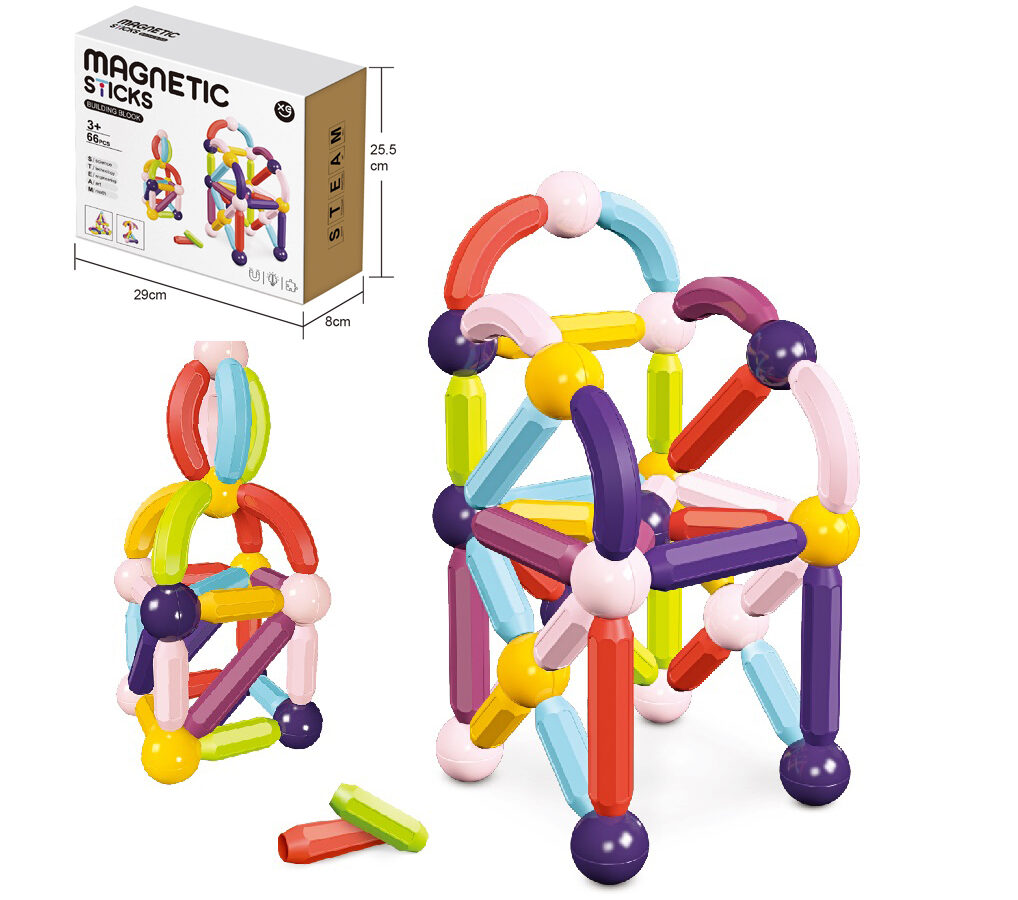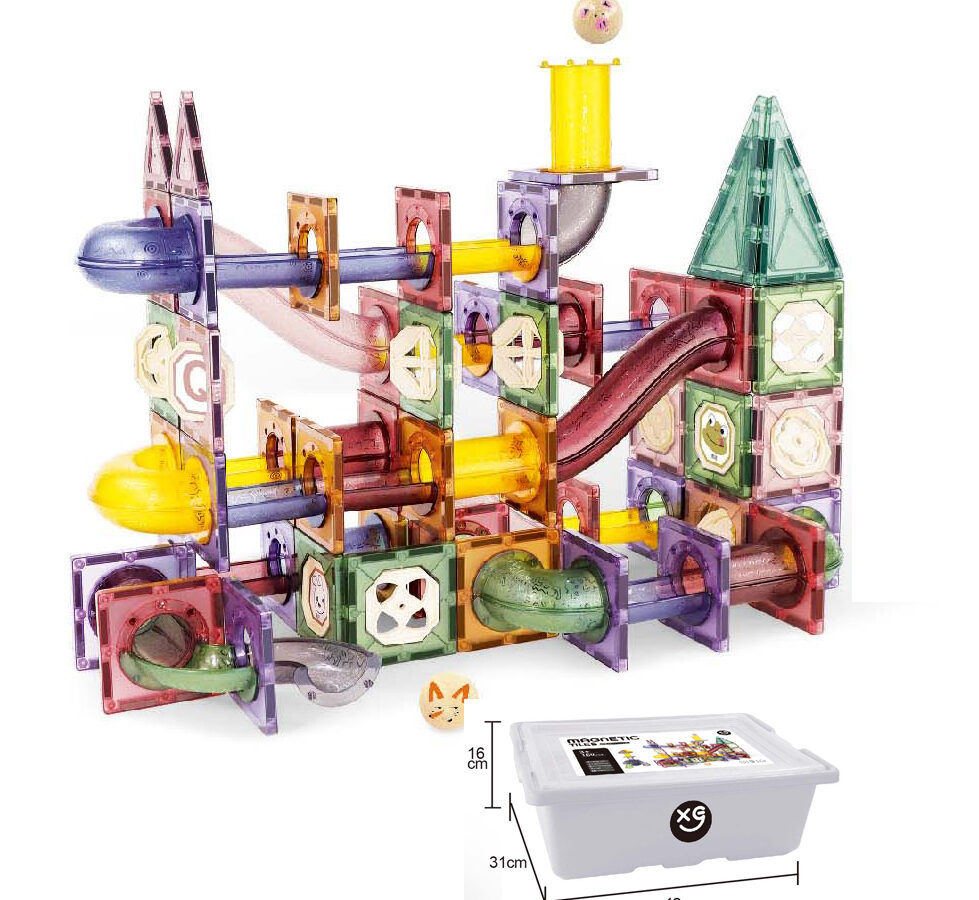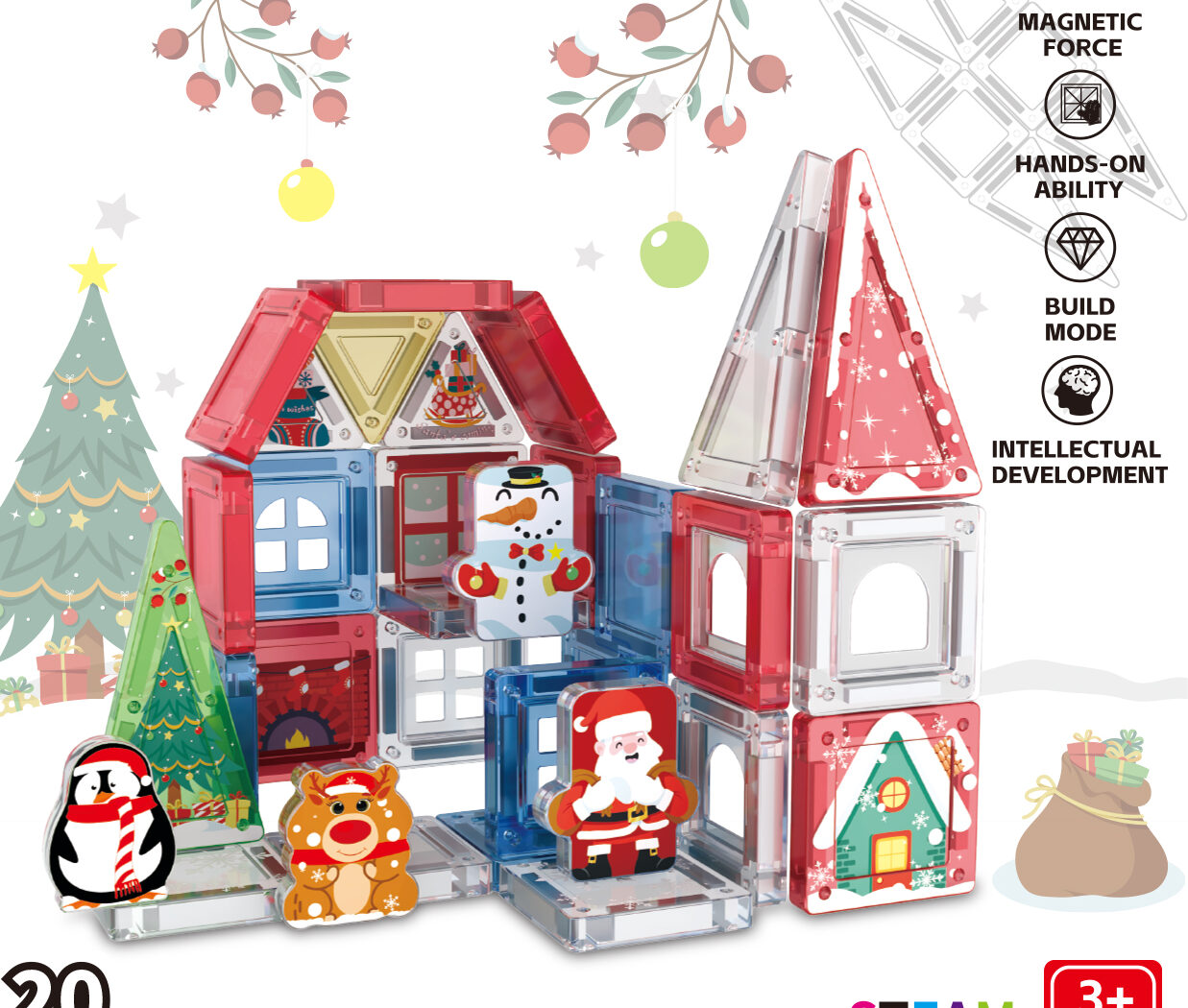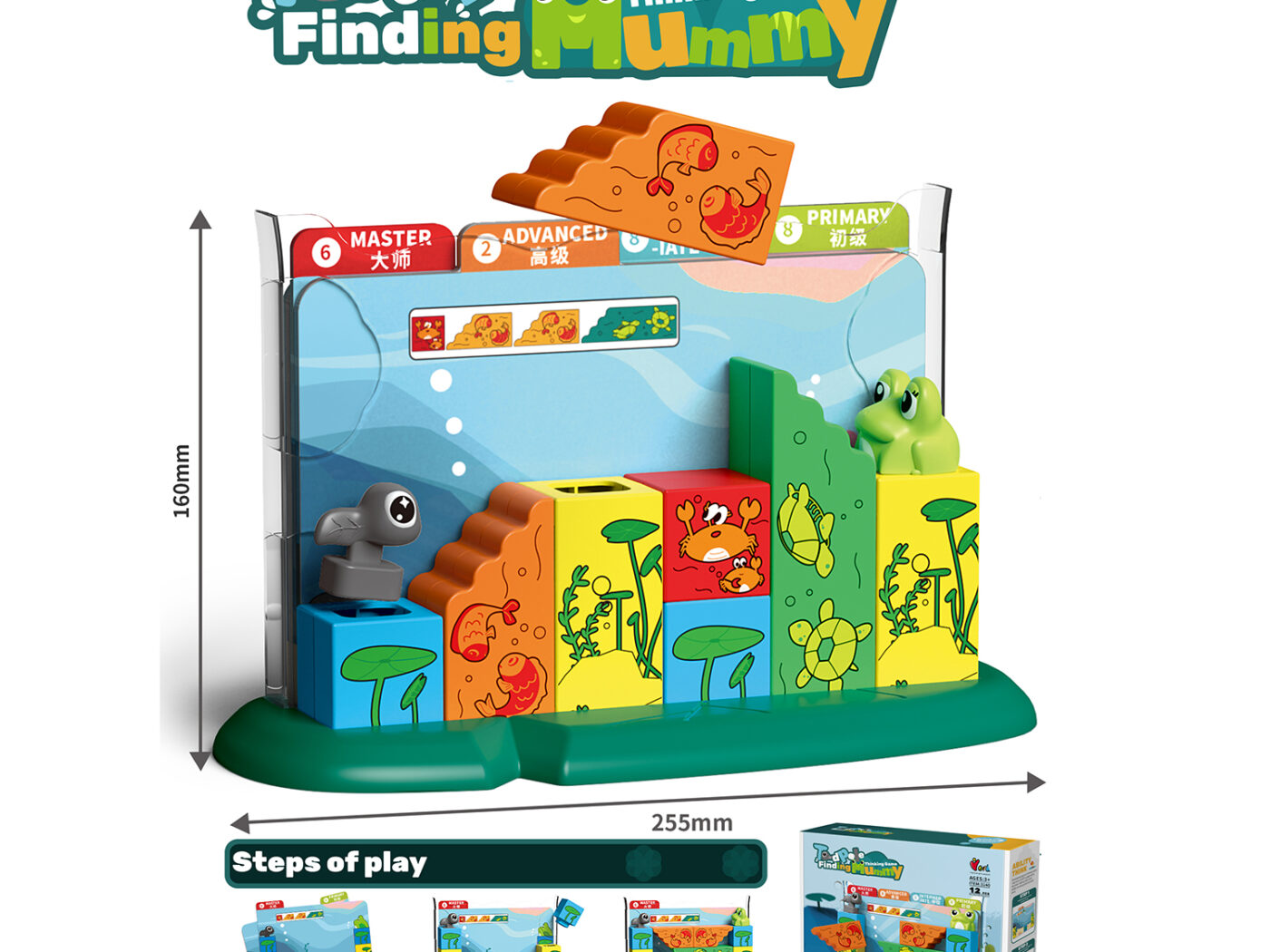
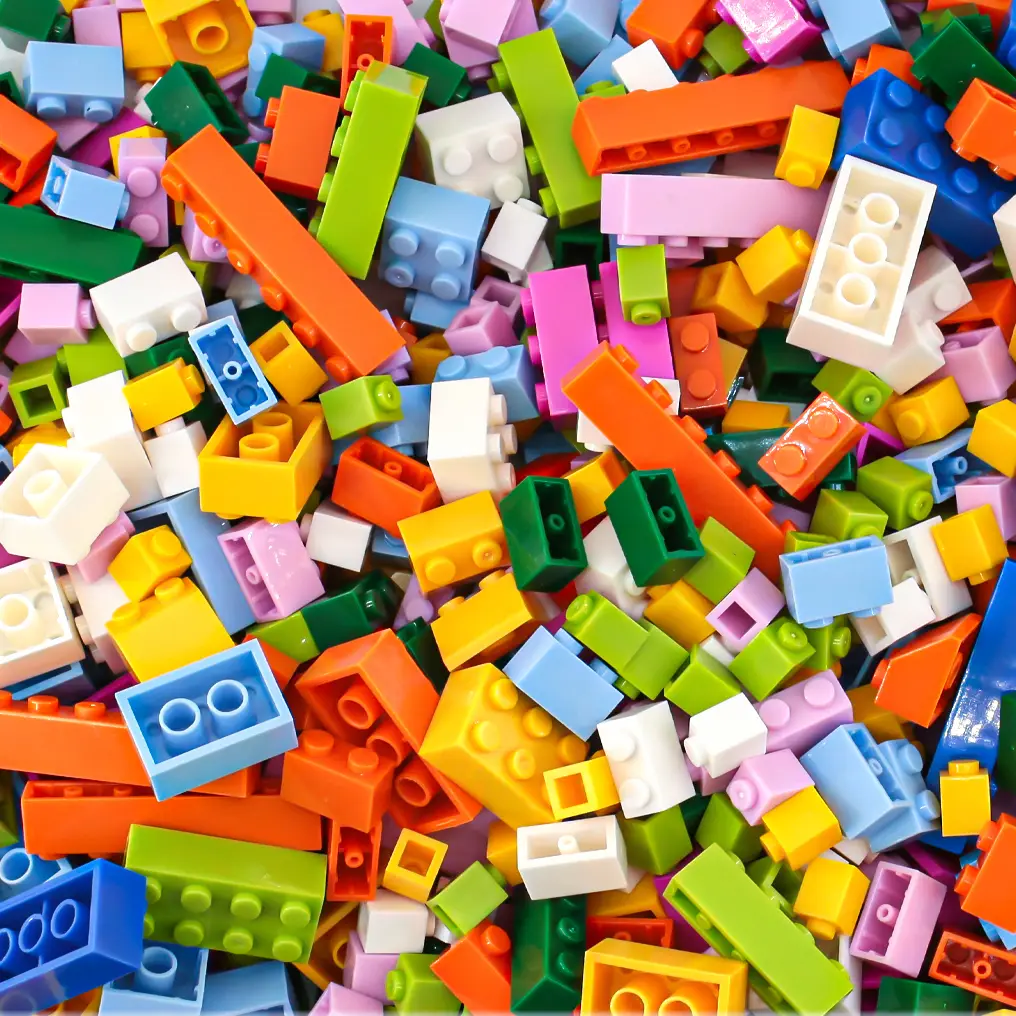
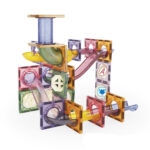
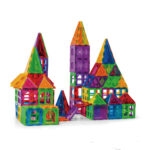
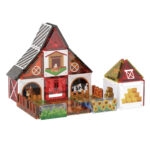
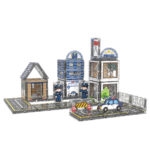
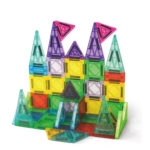
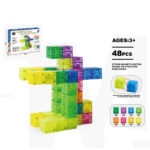
For toy brands, retailers, importers, and private-label sellers, one of the first questions about custom building blocks is:
How much will it cost to make custom building blocks in China?
The honest answer is: it depends on the level of customization.
A simple private-label project using existing molds and standard colors can be relatively affordable. A fully custom OEM project with new molds, exclusive parts, custom colors, and premium packaging will cost more—but can also create stronger differentiation and long-term brand value.
This guide breaks down the main cost factors so you can budget realistically and choose the right customization level for your business.
Custom Building Blocks: Two Main Cost Models
Before looking at individual cost items, it helps to understand the two main models for custom building blocks.
1. ODM-Style Customization (Using Existing Molds)
In this model, you:
- Select from existing brick shapes and components
- Customize color ratios within available options
- Add your logo and branding to packaging
- Create custom assortments or themed packs using standard parts
- Use existing packaging formats with your artwork
Cost characteristics:
- Lower upfront investment
- No or minimal mold fees
- Faster development
- Lower MOQ typically
- Limited uniqueness (based on available parts)
This is often the best starting point for new brands, market testing, or cost-sensitive projects.
2. OEM-Style Customization (New or Custom Molds)
In this model, you:
- Design new brick shapes or exclusive components
- Invest in new mold tooling
- Create unique parts not available in standard catalogs
- Develop a fully custom product architecture
- Own the molds (depending on agreement)
Cost characteristics:
- Higher upfront investment
- Mold fees and design fees
- Longer development time
- Higher MOQ to justify tooling
- Strong differentiation and defensible products
This is typical for established brands, flagship products, or long-term building block ranges.
Cost Item 1: Design Fee
If your project involves new 3D design, model creation, or custom part development, there may be a design fee.
What Design Fees Cover
- 3D modeling of new parts or builds
- Product concept development
- Prototype design
- Packaging artwork (sometimes separate)
- Instruction manual design
Typical Range
- ODM-style projects: Often no separate design fee if you only select existing parts and customize packaging.
- OEM-style projects: Design fees can range from a few hundred to several thousand USD, depending on complexity and the number of new parts or models.
How to Manage Design Costs
- Use existing parts where possible
- Limit the number of new components in your first project
- Provide clear briefs and reference images to reduce revision rounds
- Ask if design fees can be credited toward future orders
Cost Item 2: Mold Fee
The mold fee is one of the biggest cost differences between ODM and OEM projects.
What Mold Fees Cover
- Mold design and engineering
- Precision machining of the mold
- Trial shots and adjustments
- Mold testing and refinement
Typical Range
- Existing molds: No new mold fee.
- New molds for simple parts: Often several hundred to a few thousand USD per mold, depending on size and complexity.
- New molds for complex parts: Can be higher, especially for large or highly detailed components.
Key Considerations
- Mold ownership: Clarify whether you own the molds, whether they are exclusive, and what happens if you stop ordering.
- Mold lifespan: Ask about expected production cycles and maintenance.
- Amortization: Consider spreading mold cost over expected order volume to understand per-unit impact.
For example, a USD 3,000 mold amortized over 10,000 units adds USD 0.30 per unit. Over 50,000 units, it adds only USD 0.06 per unit.
Cost Item 3: Sample Fee
Sample fees cover the cost of producing and shipping physical samples for your review.
What Sample Fees Cover
- Production of sample bricks or sets
- Custom color trials (if applicable)
- Packaging samples
- Courier shipping to your location
Typical Range
- Stock samples: Often free or low-cost, sometimes credited toward future orders.
- Custom samples: May cost more, especially if new colors or parts are involved.
- Courier fees: Vary by weight, destination, and speed.
How to Manage Sample Costs
- Ask if sample fees can be credited toward a bulk order
- Request only the samples you truly need for decision-making
- Combine multiple color or part options in one sample shipment where possible
Cost Item 4: Packaging
Packaging cost varies widely based on format and complexity.
Packaging Options and Cost Levels
| Packaging Type | Typical Cost Level | Best For |
|---|---|---|
| Plain bulk polybag | Low | Value bulk bricks, replacement parts |
| Printed resealable bag | Low to medium | Private-label bulk lines, pick-and-mix |
| Standard color box | Medium | Themed sets, retail products |
| Custom premium box | Medium to high | Gift sets, premium assortments |
| Plastic tub or bucket | Medium to high | Educational kits, storage-focused products |
| Display-ready box | Medium to high | Retail shelf impact |
What Affects Packaging Cost
- Box size and board grade
- Number of colors printed
- Special finishes (gloss, matte, spot UV, etc.)
- Inner trays, inserts, or dividers
- Quantity ordered (higher volume = lower per-unit cost)
- Artwork design and print setup fees
For Amazon and e-commerce sellers, packaging also affects shipping cost and damage risk. Compact, sturdy designs can improve margin per unit.
Cost Item 5: Printing
Printing cost applies to packaging, labels, and sometimes bricks themselves.
What Printing Costs Cover
- Packaging artwork printing (boxes, bags, labels)
- Instruction manual printing
- Sticker sheets (if included)
- Printed bricks or tiles (if part of your design)
- Barcode and SKU labels
Typical Range
- Simple labels or basic printing: Low cost.
- Full-color packaging: Moderate cost, with setup fees for new artwork.
- Printed bricks: Higher cost, requires special tooling or printing processes.
How to Manage Printing Costs
- Use fewer colors where possible
- Print larger quantities to reduce per-unit cost
- Combine multiple SKUs in one print run if using similar artwork
- Avoid overly complex designs that require special finishes
Cost Item 6: Testing
Testing cost depends on your target market and product scope.
What Testing Costs Cover
- Mechanical and physical testing
- Small-parts assessment
- Chemical and heavy-metal testing
- Flammability testing where applicable
- Age grading evaluation
- Packaging and labeling review
Typical Range
- Basic testing for simple products: A few hundred to a few thousand USD.
- Comprehensive testing for complex products: Can be higher, especially if multiple materials, colors, or components are involved.
- Testing per market: Costs may differ for US, EU, UK, and other destinations.
Key Considerations
- Confirm which tests are required for your specific product and market.
- Ensure samples represent actual production quality.
- Update testing if you change materials, colors, or components later.
In the United States, toys intended primarily for children aged 12 and under generally require third-party testing and certification. In the European Union, toys must meet applicable safety requirements before being placed on the market.developers.google+1
Cost Item 7: MOQ and Production
MOQ (minimum order quantity) affects both unit price and total investment.
How MOQ Affects Cost
- Lower MOQ: Higher unit price, but lower total investment and inventory risk.
- Higher MOQ: Lower unit price, but higher total investment and inventory risk.
Typical MOQ Ranges
| Project Type | Typical MOQ Range | Notes |
|---|---|---|
| ODM-style, existing molds | 500–2,000 sets or by weight | Lower MOQ, faster launch |
| OEM-style, new molds | 2,000–5,000+ sets | Higher MOQ to justify tooling |
| Custom colors | May require 1,000+ kg or equivalent | Depends on pigment and setup |
| Custom packaging | Often 1,000–3,000+ units | Depends on print setup |
Production Cost Factors
- Piece count per set
- Complexity of parts
- Number of colors
- Assembly and packing labor
- Quality-control requirements
A professional manufacturer will provide tiered pricing (for example, 1,000, 3,000, 5,000 units) so you can see how volume affects cost.
Cost Item 8: Shipping
Shipping cost depends on volume, weight, destination, and method.
Shipping Options and Cost Levels
| Method | Typical Cost Level | Best For |
|---|---|---|
| Express courier | High per unit | Samples, urgent small orders |
| Air freight | Medium to high | Urgent replenishment |
| Sea freight (LCL) | Medium | Smaller commercial orders |
| Sea freight (FCL) | Lower per unit | Large orders |
| Rail or multimodal | Varies | Certain destinations and transit needs |
What Affects Shipping Cost
- Carton dimensions and weight
- Total shipment volume (cubic meters)
- Destination port or address
- Incoterms (EXW, FOB, CIF, DDP)
- Peak-season surcharges and fuel costs
- Customs duties and taxes (separate from freight)
For building blocks, packaging size matters. Compact, efficient packaging can significantly reduce freight cost per unit.
Worked Example: Two Custom Building Block Projects
To illustrate the cost difference, here are two illustrative scenarios.
Scenario A: ODM-Style Private Label (Existing Molds)
- Product: 500-piece bulk brick bag using existing parts
- Quantity: 2,000 bags
- Design fee: USD 0 (using existing parts)
- Mold fee: USD 0 (existing molds)
- Sample fee: USD 150 (courier included)
- Packaging: Printed resealable bag, USD 0.30 per bag = USD 600
- Printing: Included in packaging cost
- Testing: USD 800 (basic testing for target market)
- MOQ: 2,000 bags
- Production: USD 4.00 per bag = USD 8,000
- Shipping: USD 1,200 (sea freight LCL)
Total first-order cost: Approximately USD 10,750
Landed cost per bag: Approximately USD 5.38
Scenario B: OEM-Style Custom Set (New Molds)
- Product: 300-piece custom castle set with 3 new molded parts
- Quantity: 3,000 sets
- Design fee: USD 1,500 (3D design and prototype)
- Mold fee: USD 4,500 (3 new molds)
- Sample fee: USD 400 (including revisions and courier)
- Packaging: Custom color box, USD 0.80 per set = USD 2,400
- Printing: Included in packaging cost
- Testing: USD 1,500 (comprehensive testing for target market)
- MOQ: 3,000 sets
- Production: USD 6.50 per set = USD 19,500
- Shipping: USD 2,800 (sea freight LCL)
Total first-order cost: Approximately USD 30,100
Landed cost per set: Approximately USD 10.03
Note: In Scenario B, the mold cost of USD 4,500 amortized over 3,000 units adds USD 1.50 per set. On a repeat order, this cost disappears, lowering the landed cost significantly.
How to Reduce Custom Building Block Costs
You can manage costs without sacrificing quality by focusing on these strategies.
1. Start With Existing Molds
Use standard bricks and components for your first project. Add custom molds later for flagship products once demand is proven.
2. Limit New Parts
If you need new molds, start with one or two key components rather than a full set of new shapes.
3. Choose Practical Packaging
Match packaging to your channel. For value products, simple bags may be enough. For premium products, invest in better packaging where it drives sales.
4. Plan for Higher Volumes
If sales forecasts support it, higher MOQ can reduce per-unit cost for molds, packaging, and production.
5. Combine SKUs in One Order
If you are launching multiple products, consider combining them in one shipment to reduce freight and handling costs.
6. Plan Testing Early
Avoid late changes that require retesting. Confirm compliance requirements before finalizing design.
7. Track Landed Cost
Maintain a landed-cost spreadsheet for each SKU and shipment. Record quoted vs actual costs to improve future decisions.
Questions to Ask Before Starting a Custom Project
Before committing to a custom building block project, clarify costs and expectations with your manufacturer.
Key Questions
- Which parts are available using existing molds, and which require new tooling?
- What are typical design, mold, and sample fees for a project like mine?
- What is the MOQ for existing-mold vs new-mold projects?
- Can mold fees be amortized or credited toward future orders?
- Who owns the molds, and can they be exclusive?
- What testing is required for my target market, and who pays for it?
- What packaging options do you offer, and what are the cost differences?
- Can you provide tiered pricing at different order quantities?
- What are typical lead times for ODM vs OEM projects?
- Can you provide a detailed cost breakdown before I commit?
Clear answers will help you budget accurately and avoid surprises.
Start Your Custom Building Blocks Project
Custom building blocks in China can be affordable and profitable when you choose the right customization level for your business.
You can start with ODM-style customization using existing molds to launch quickly and test the market. As your brand grows, you can invest in OEM-style projects with new molds for flagship products and stronger differentiation.
At Lione Toys, we support buyers with:
- ODM-style custom building blocks using existing molds and parts
- OEM-style projects with new mold development and exclusive components
- Custom colors, packaging, and private-label branding
- Sample production, testing coordination, and quality control
- Tiered pricing and MOQ guidance for different order quantities
- Export documentation and shipment coordination
Request a custom building blocks cost estimate and discuss your product idea, target quantity, and customization level.
Visit www.lionetoys.com to start your custom building blocks project with a China toy manufacturer.