
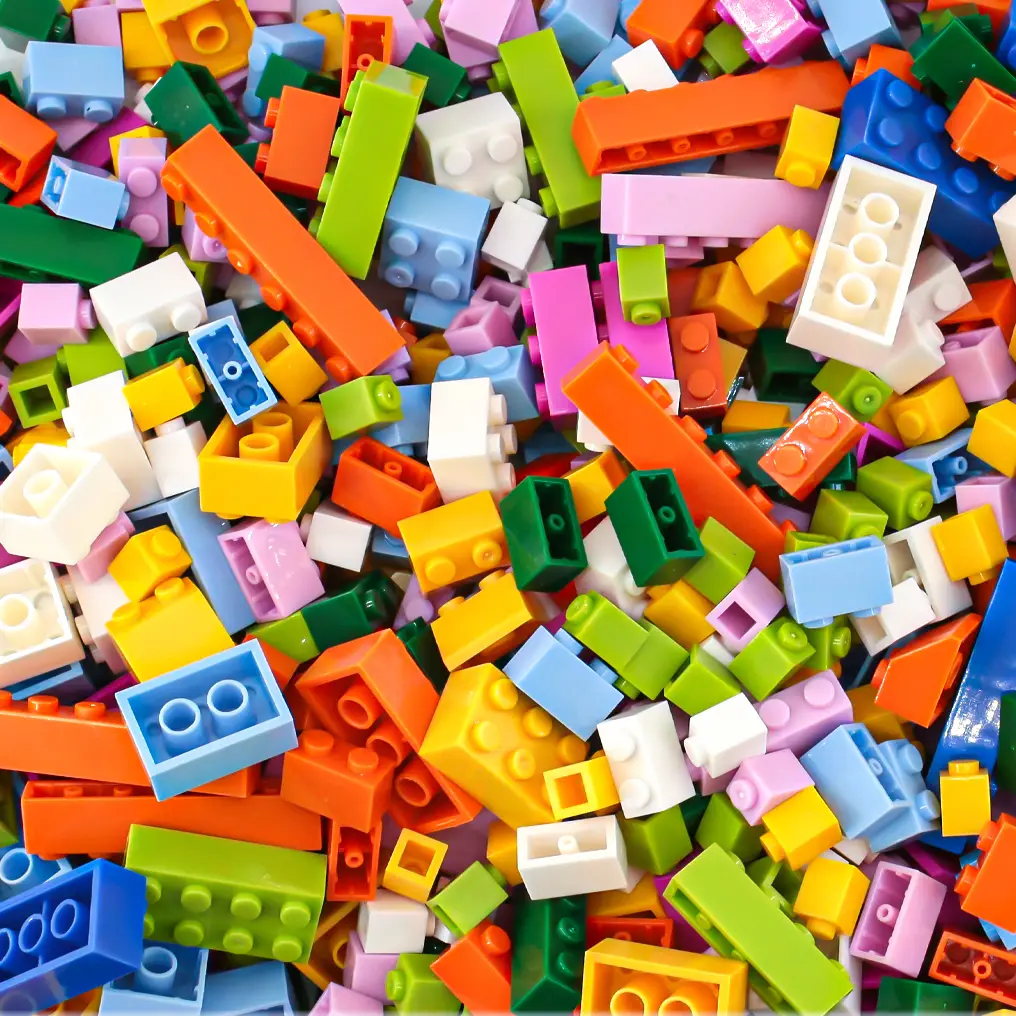

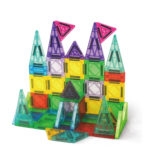
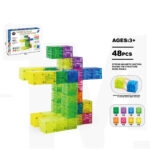
Entering high-value consumer markets like the United States, Canada, and the European Union offers incredible revenue potential for toy brands. However, these regions also enforce some of the strictest consumer safety laws in the world. For an importer, a single compliance oversight isn’t just an inconvenience—it can result in custom seizures, massive fines, total product recalls, and irreparable damage to your brand reputation.
Building blocks face unique regulatory scrutiny due to their nature: they are handled constantly, frequently placed near children’s mouths, and carry inherent risks related to small parts and mechanical choking hazards.
To safeguard your investments, you must understand exactly what global compliance requires and why your building block manufacturer must build safety directly into the product DNA.
1. The Global Toy Compliance Landscape: A Quick Reference for Importers
Different markets speak different regulatory languages. If you are importing building blocks into North America or Europe, your inventory must strictly conform to these foundational frameworks:
| Region | Primary Safety Standard | Key Testing Areas | Required Documentation |
| European Union | EN71 (Parts 1, 2, 3) | Mechanical properties, Flammability, Migration of heavy metals | CE Marking, Declaration of Conformity (DoC) |
| United States | ASTM F963 / CPSIA | Phthalates, Lead content, Small parts choking hazards | Children’s Product Certificate (CPC) |
| Global Markets | ISO 8124 | Physical safety, chemical toxicity across general categories | Third-party accredited lab reports |
If your factory cannot instantly provide updated test reports from internationally recognized testing bodies like SGS, TÜV Rheinland, or Intertek, you are exposing your business to severe operational risk.
2. Deconstructing Toy Safety: What Happens Inside the Lab?
When your building blocks are submitted to a third-party laboratory for EN71 or ASTM testing, they undergo rigorous, destructive evaluations designed to simulate years of heavy, aggressive play by children.
Mechanical and Physical Testing (The Choking Hazard Barrier)
Blocks are subjected to tension tests, torque tests, and drop tests. If a block cracks easily under pressure, it can create sharp edges or small, jagged fragments that fit into a standard “small parts cylinder.” If a fragment fits inside that cylinder, it is classified as a choking hazard for children under three, immediately failing compliance for that age bracket.
Chemical and Heavy Metal Analysis
Cheap, recycled plastics often contain trace elements of heavy metals (like lead, cadmium, and mercury) or dangerous plasticizers known as phthalates, which are used to soften plastics. True premium building blocks must be manufactured using 100% virgin ABS (Acrylonitrile Butadiene Styrene) plastic. Virgin ABS is inherently stable, incredibly durable, and free from toxic chemical off-gassing.
Flammability Resistance
The lab will attempt to ignite the toy elements under controlled conditions. The material must exhibit a burn rate below the strict thresholds outlined in EN71 Part 2 to ensure that if a toy accidentally comes into contact with a flame, it will not instantly engulf or cause severe injury.
3. Beyond the Product: Factory Audits and Social Responsibility
Regulatory compliance doesn’t end with the physical plastic brick. Major Western retailers (such as Target, Costco, and European hypermarkets) require that the entire supply chain adheres to ethical practices.
Before placing an order, importers should ensure their manufacturing partner holds valid international facility certifications:
- ISO 9001: Demonstrates a reliable, documented Quality Management System.
- BSCI / ICTI Care: Proves ethical labor practices, fair wages, safe working environments, and zero tolerance for child labor.
When your manufacturer is already audited and certified by these bodies, onboarding your products with major retail buyers becomes a smooth, friction-free bureaucratic process.
Conclusion: Make Safety Your Competitive Advantage
Compliance should never be treated as an afterthought or a final hurdle to clear right before shipping. It must be engineered into the product from the very first mold design and raw material purchase. Partnering with an experienced, certification-ready factory allows you to focus on marketing and distribution, completely confident that your containers will pass smoothly through customs and delight parents worldwide.
To learn more about premium, third-party certified virgin ABS building blocks that seamlessly meet all EU and US safety standards, review our comprehensive compliance portfolio at www.lionetoys.com.