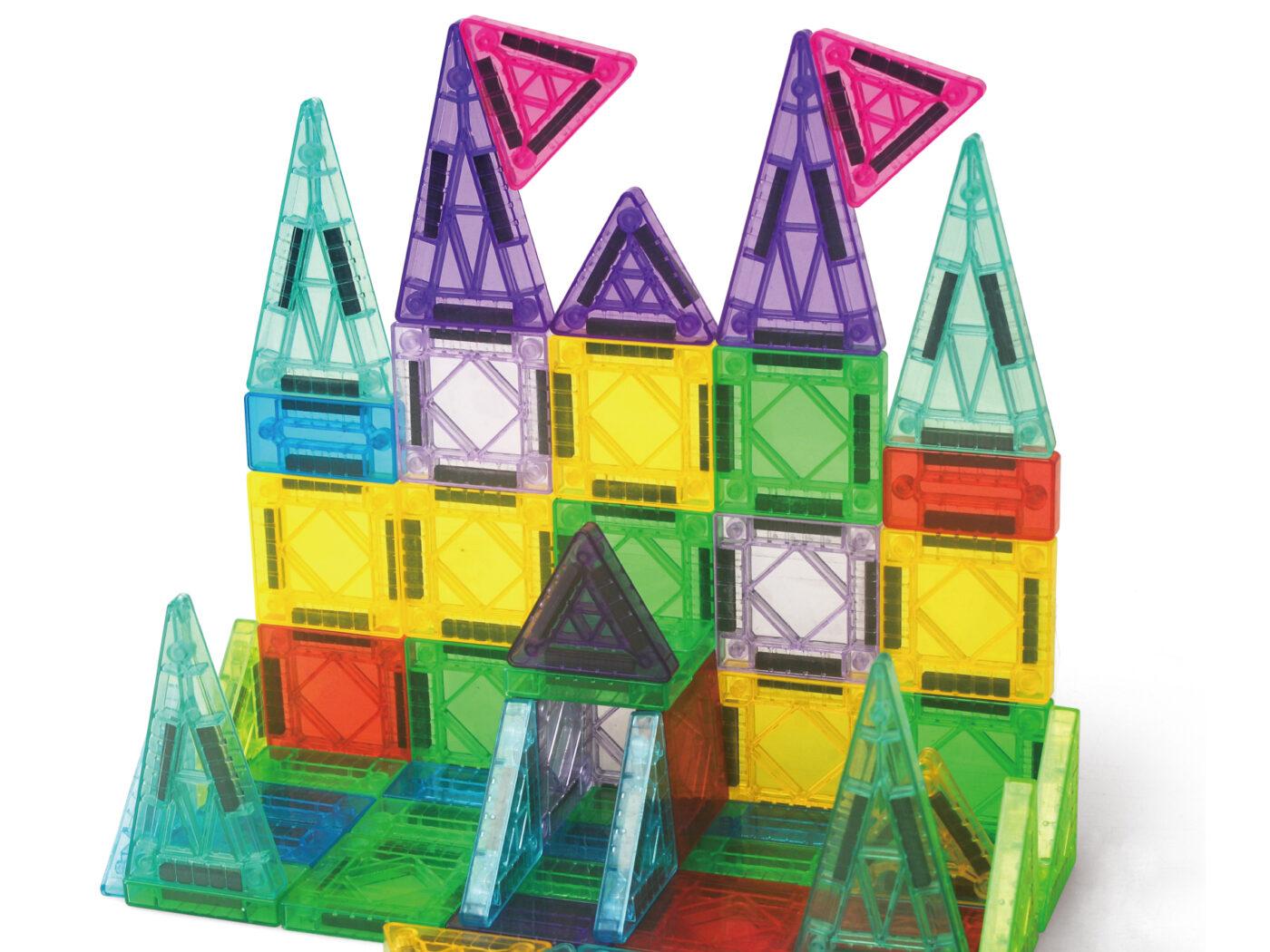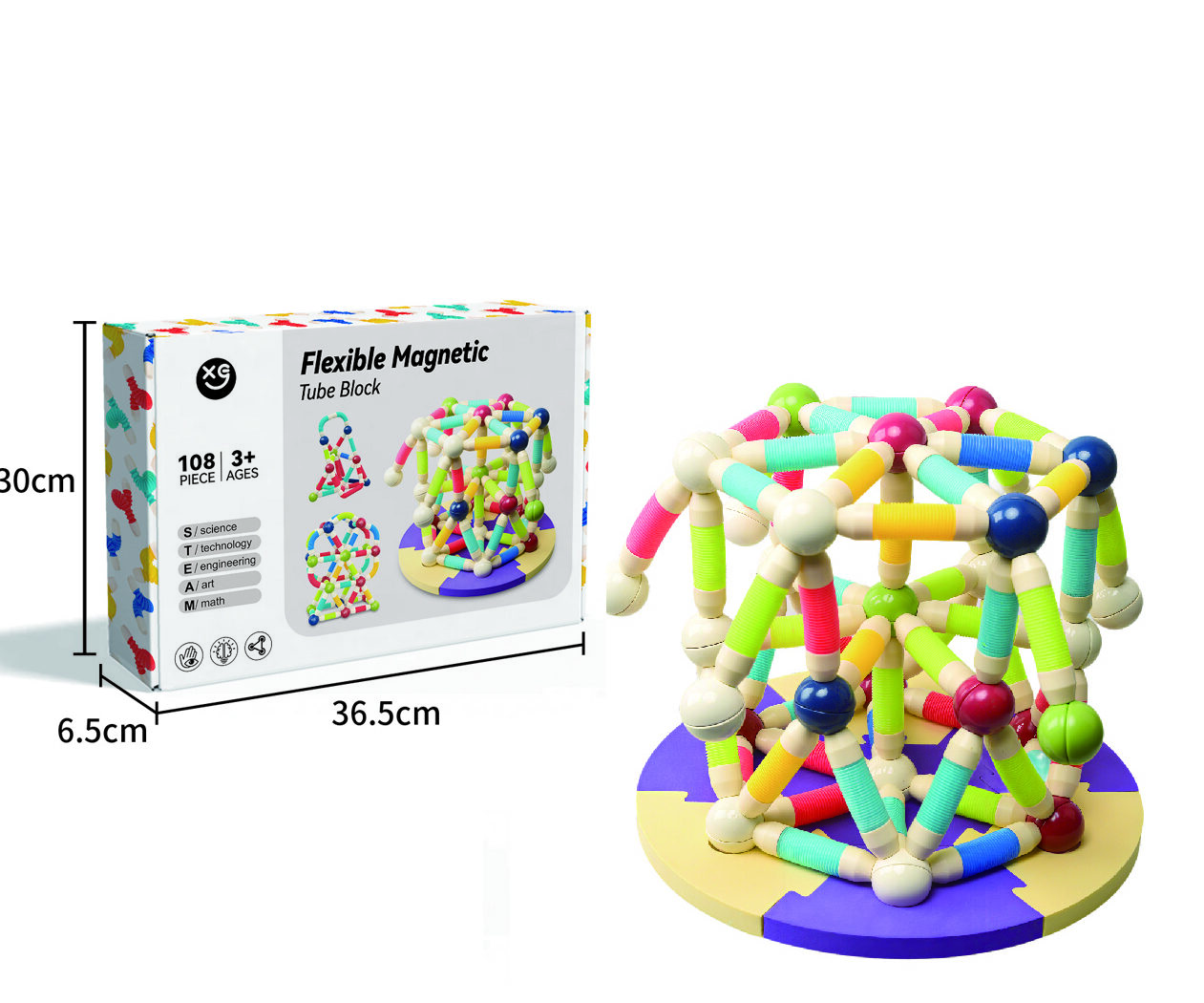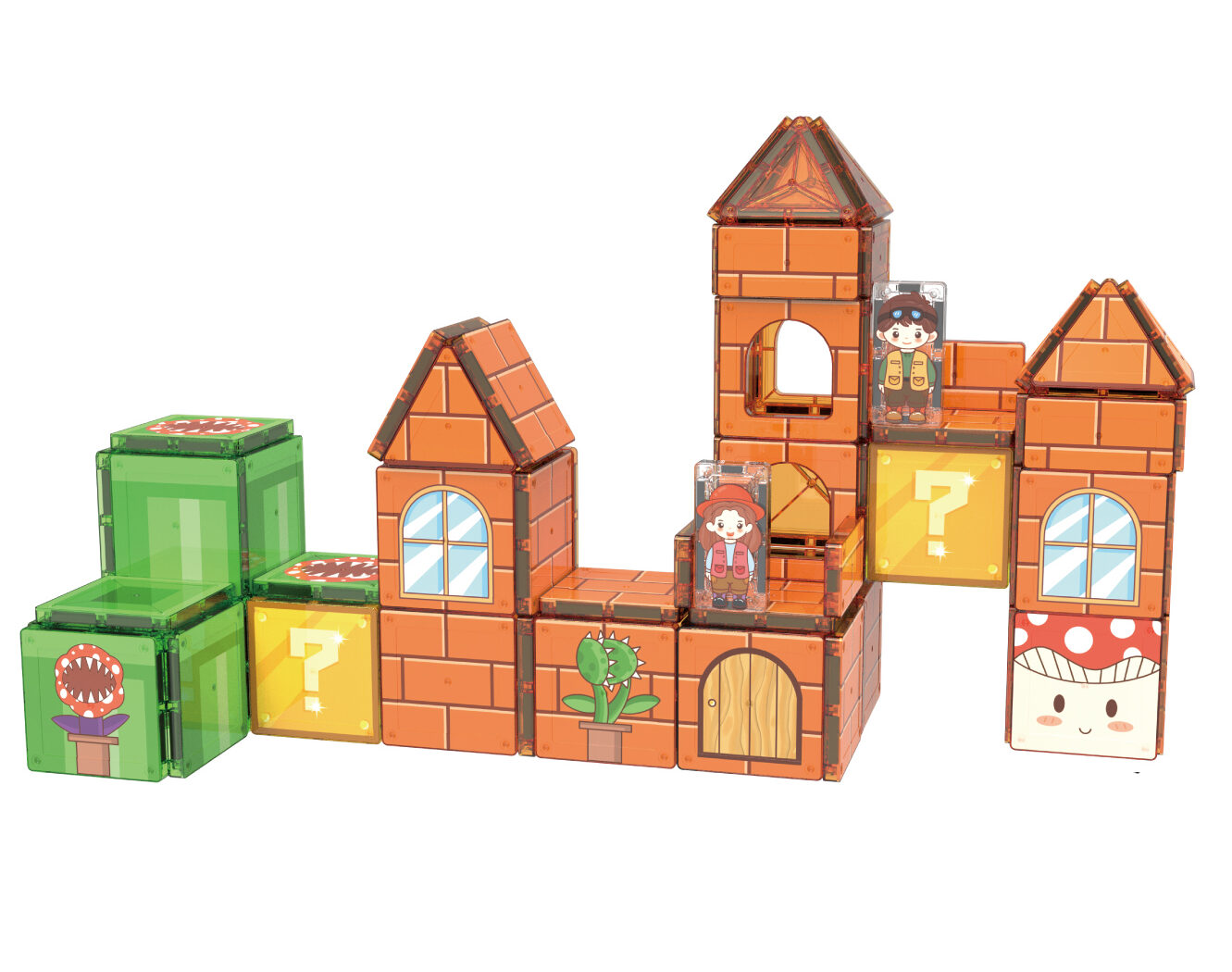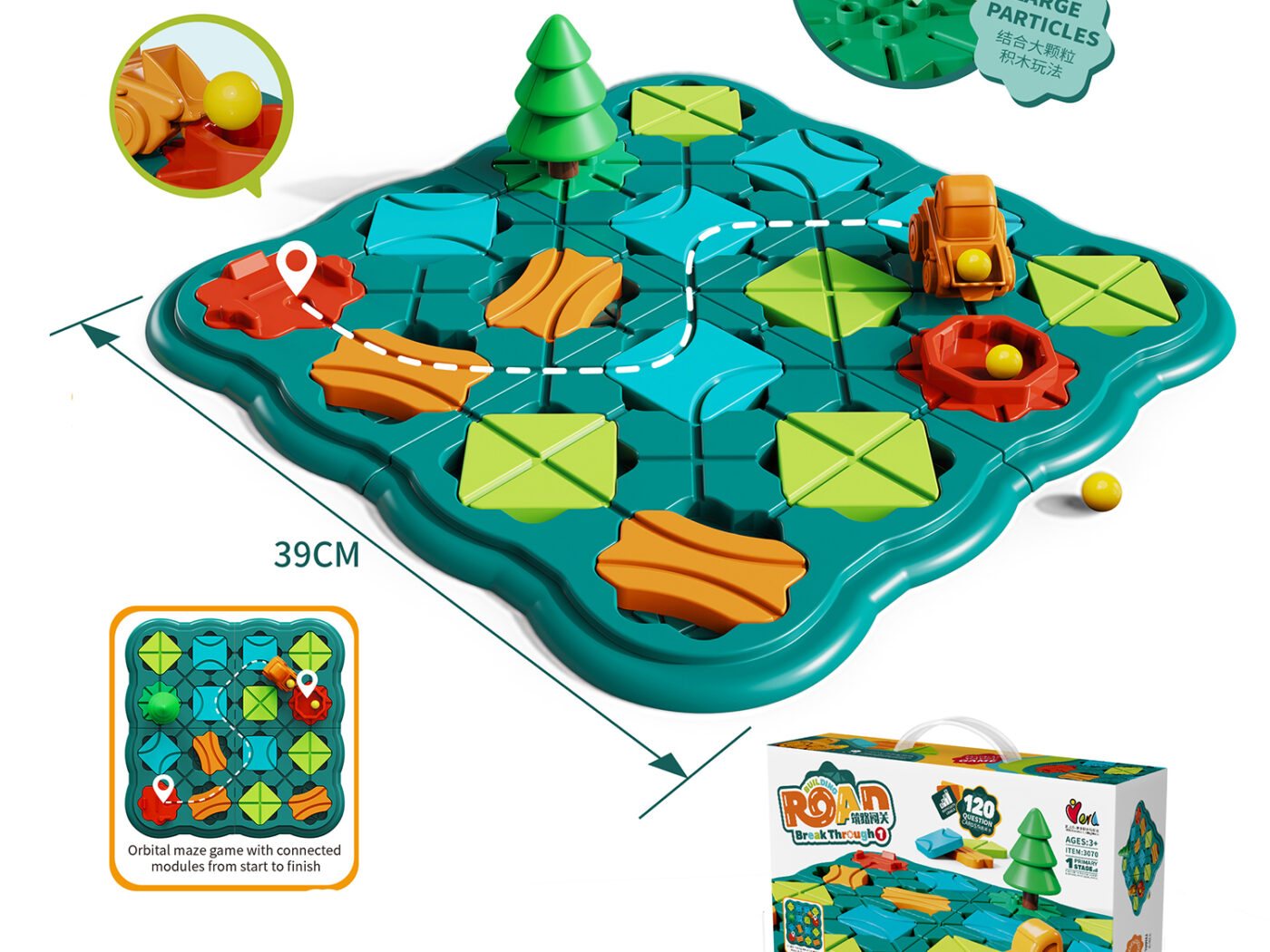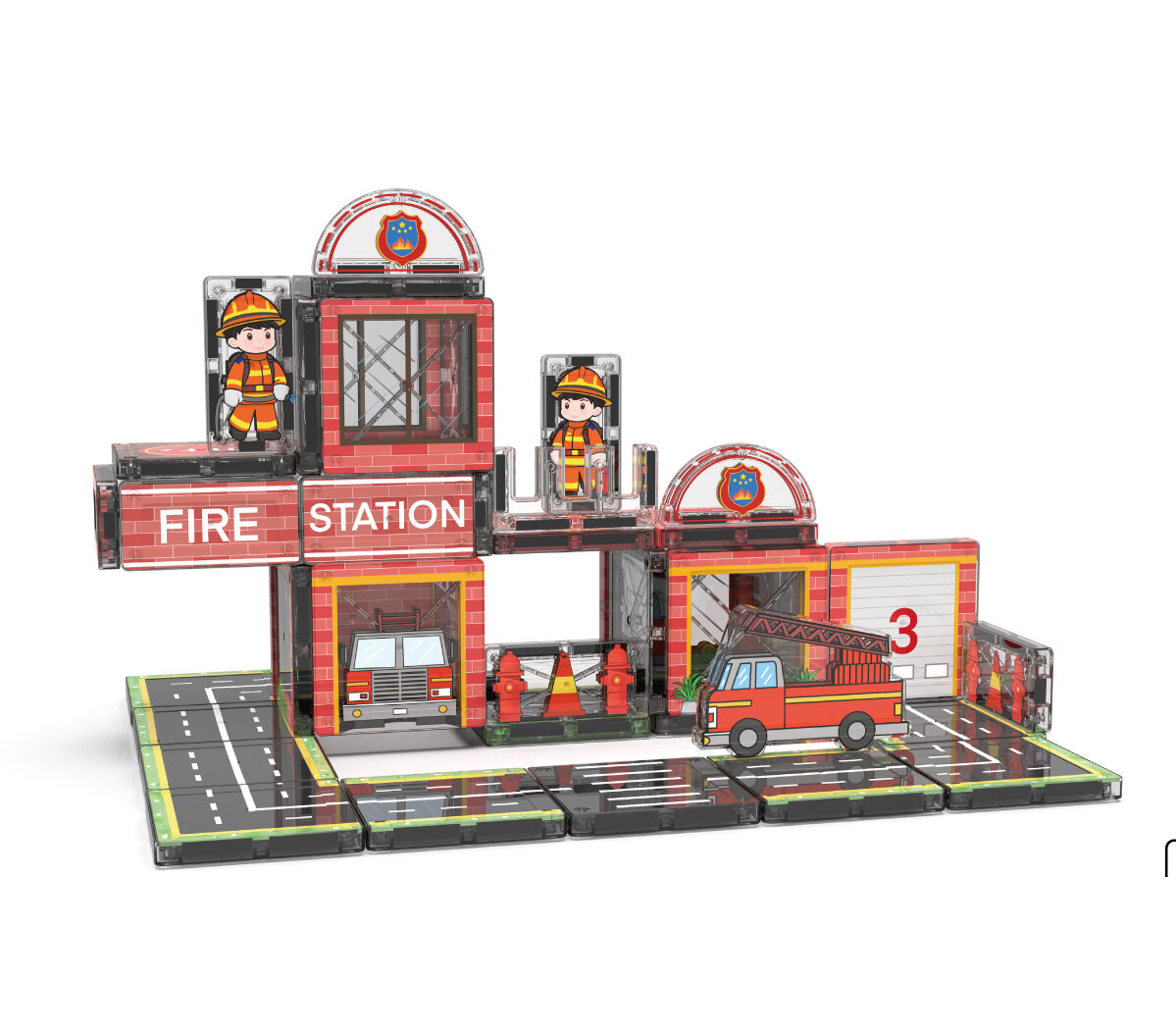
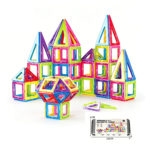
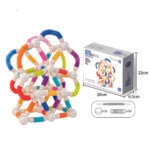
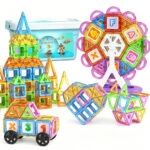
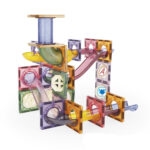
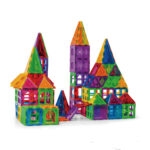
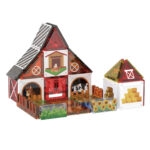
The magnetic building blocks market is becoming increasingly competitive.
If every retailer sells similar magnetic tiles in similar packaging, it becomes difficult to build a distinctive brand.
For importers and toy brands, OEM magnetic building blocks offer another approach: instead of simply reselling an existing product, buyers can develop a product line that fits their own brand and target market.
But OEM does not mean simply putting a logo on a box.
A successful OEM project requires planning across product design, materials, safety, packaging, testing, production and quality control.
1. What Does OEM Mean for Magnetic Building Blocks?
OEM means that the factory manufactures products according to the buyer’s specifications.
Depending on the project, customization can include:
- Product colors
- Piece combinations
- Packaging
- Logo
- Printed instructions
- Accessories
- Product configuration
- New molds
- Special themes
ODM is slightly different.
With ODM, the manufacturer already has product concepts or existing designs, which the buyer can modify and brand.
For many new toy brands, ODM can be a lower-risk starting point.
2. Why Buyers Choose OEM
Build a unique product line
Generic products are easy for competitors to copy.
A customized product gives your brand more differentiation.
Create better retail positioning
Packaging can be designed specifically for:
- Toy stores
- Educational retailers
- Supermarkets
- Amazon
- Gift shops
Target a specific age group
The product can be developed around different skill levels.
For example:
3+ Starter Building Set
or
Advanced STEM Construction Set
Develop a product family
A successful product can become the foundation for multiple SKUs.
For example:
- 32-piece starter set
- 64-piece expansion set
- 100-piece advanced set
- Marble run add-on
- Vehicle expansion
- STEM challenge set
This can create a more complete brand ecosystem.
3. OEM Starts With the Product Concept
Before asking a factory to quote an OEM project, buyers should define the basic concept.
At minimum, provide:
- Target age
- Target market
- Estimated quantity
- Product size
- Number of pieces
- Target price
- Packaging type
- Brand positioning
If you have a reference product, provide photos or samples.
The more precise the requirements, the more accurate the quotation.
4. MOQ and Tooling Need to Be Discussed Early
New molds can increase both cost and development time.
If the product can use an existing mold, the project may be simpler.
For buyers with limited initial budgets, an existing ODM product with customized colors and packaging may be a better option than developing a completely new product.
This creates a useful strategy:
Start with ODM → Test the market → Develop OEM after demand is proven.
This can reduce the financial risk of launching a new toy category.
5. Don’t Forget Compliance During Product Development
One common mistake is treating safety testing as something that happens after the product is finished.
For children’s toys, compliance should be considered during design.
For magnetic products, the factory should pay particular attention to magnet containment and mechanical durability.
For US and European markets, buyers should discuss the applicable testing and documentation requirements with the supplier before finalizing the product specification.
Lione Toys provides magnetic building products designed with safety and durability considerations, including sealed magnet structures and export certification support for international markets.
6. Packaging Is Part of the Product
For private-label brands, packaging is often the first thing the customer sees.
A good package should answer three questions quickly:
What is it?
Who is it for?
Why should I buy it?
For educational construction toys, packaging can communicate:
- STEM learning
- Creativity
- Problem-solving
- Age recommendation
- Number of pieces
- Building possibilities
- Safety information
For international markets, packaging may also need appropriate warnings, instructions and regulatory information.
7. Sample Approval Is a Critical Stage
Never move directly from concept to mass production without approving a sample.
The buyer should confirm:
- Product dimensions
- Colors
- Magnetic strength
- Piece quantity
- Surface finish
- Accessories
- Packaging
- Printing
- Instructions
The approved sample should become the reference for mass production.
For larger projects, buyers may also consider a pre-production sample before full manufacturing begins.
8. Quality Control Should Be Defined Before Production
Do not simply tell the factory:
“Please make sure the quality is good.”
Instead, define what “good quality” means.
For example:
- No sharp edges
- No visible cracks
- Correct piece count
- Correct color
- Secure magnets
- Correct packaging
- Correct labels
- Correct carton quantity
The more objective the quality standard, the easier it is for both parties to work together.
9. Why OEM Can Be a Better Long-Term Strategy
OEM can require more planning than buying ready-made products.
But it can provide greater control over:
- Brand identity
- Product positioning
- Packaging
- Product differentiation
- Retail presentation
- Product development
Industry sourcing guidance increasingly emphasizes that OEM should be evaluated using total business risk rather than unit price alone. Product control, compliance, quality consistency and differentiation can be just as important as factory pricing.
10. Choosing the Right OEM Factory
Before starting an OEM project, ask the factory:
- Do you have your own production facility?
- Do you have an R&D team?
- Can you develop new molds?
- Can you customize colors?
- Can you customize packaging?
- What is the MOQ?
- What is the sample lead time?
- What is the production lead time?
- What testing is available?
- What quality control procedures are used?
- Which markets do you export to?
- Can you provide product documentation?
A factory should be able to explain the entire process clearly.
11. Why Work With a Chenghai Toy Factory?
Chenghai is an established toy manufacturing center with a large ecosystem covering product development, molds, plastic production, assembly, packaging and export.
For buyers, this can be particularly useful when developing multiple educational toy products.
Lione Toys is based in Chenghai, Shantou and specializes in magnetic building blocks, STEM construction toys, compatible bricks, marble run products and educational toys. The factory also provides OEM and ODM support.
12. A Practical OEM Development Process
A professional OEM project can follow this basic process:
Step 1: Product concept
↓
Step 2: Supplier discussion
↓
Step 3: Quotation
↓
Step 4: Sample development
↓
Step 5: Sample approval
↓
Step 6: Testing and compliance
↓
Step 7: Packaging approval
↓
Step 8: Pre-production confirmation
↓
Step 9: Mass production
↓
Step 10: Final inspection and shipment
This structured approach reduces misunderstandings and helps buyers manage project timing.
Final Thoughts
OEM magnetic building blocks can be a powerful option for toy brands that want to move beyond generic products.
But the goal should not simply be:
“Put my logo on an existing toy.”
A stronger OEM strategy is:
Develop the right product → build a distinctive brand → test the market → scale the winning products.
If you are looking for an experienced factory for OEM magnetic building blocks, STEM toys and educational construction products, visit www.lionetoys.com to explore our products and OEM/ODM capabilities.
FAQ
What is OEM magnetic building blocks?
OEM magnetic building blocks are products manufactured according to a buyer’s specifications, which can include product configuration, colors, packaging, branding and sometimes new molds.
What is the difference between OEM and ODM?
OEM generally involves manufacturing according to the buyer’s specifications. ODM usually starts from the manufacturer’s existing designs or product concepts and allows the buyer to customize and brand them.
Is OEM more expensive than ready-made products?
It can require additional development, tooling and testing costs. However, OEM can provide better differentiation and greater control over the final product.
Can I customize the packaging?
Yes. Private-label packaging is one of the most common OEM requirements for toy brands and distributors.
Can a small company start an OEM project?
Yes. The best approach is often to begin with an existing product or ODM solution and use a flexible MOQ to test demand before developing a completely new product.
How long does OEM toy development take?
The timeline depends on whether a new mold, new design, testing or special packaging is required. Buyers should ask the factory for a project-specific schedule rather than relying on a generic lead time.