

The Hidden Cost of Polymer Compromises in Construction Toys
In the global toy industry, a product’s success is determined long before it reaches a retail shelf or Amazon fulfillment center. It is decided on the factory floor during polymer selection. When B2B importers, private-label brands, and educational distributors evaluate manufacturing proposals, unit cost is frequently the primary point of comparison. However, selecting a supplier based solely on a lower piece price often masks the single highest vulnerability in plastic toy manufacturing: raw material purity.
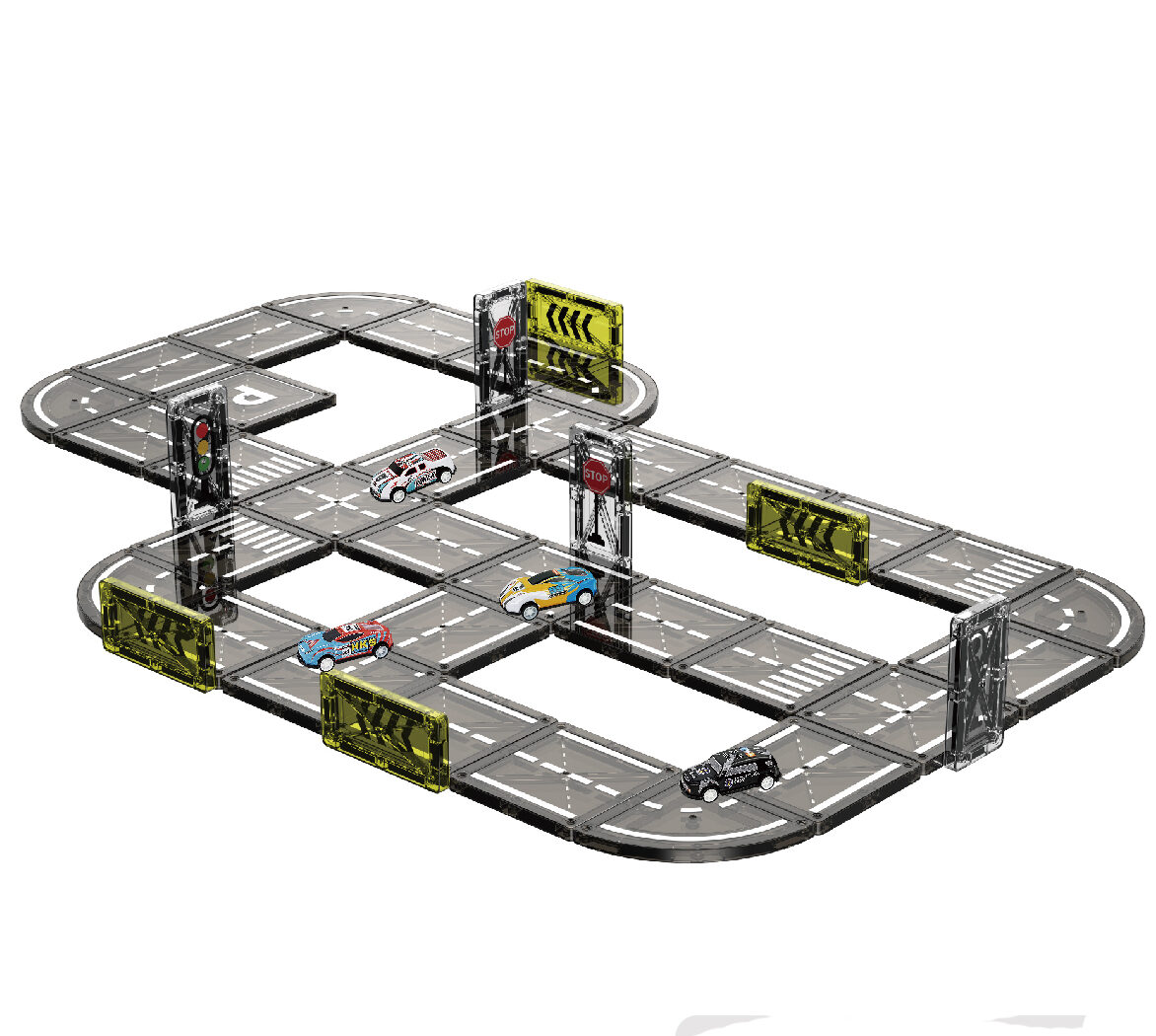
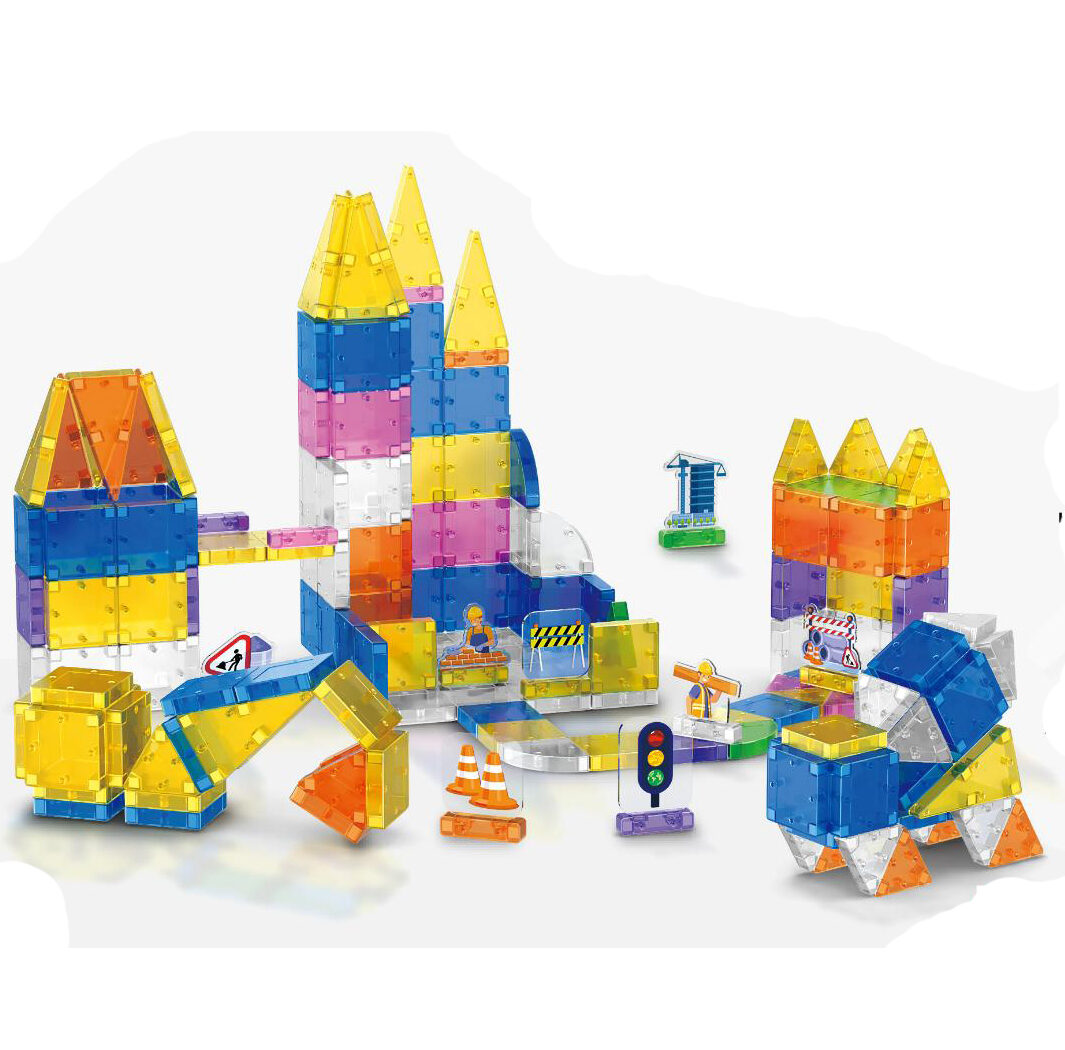
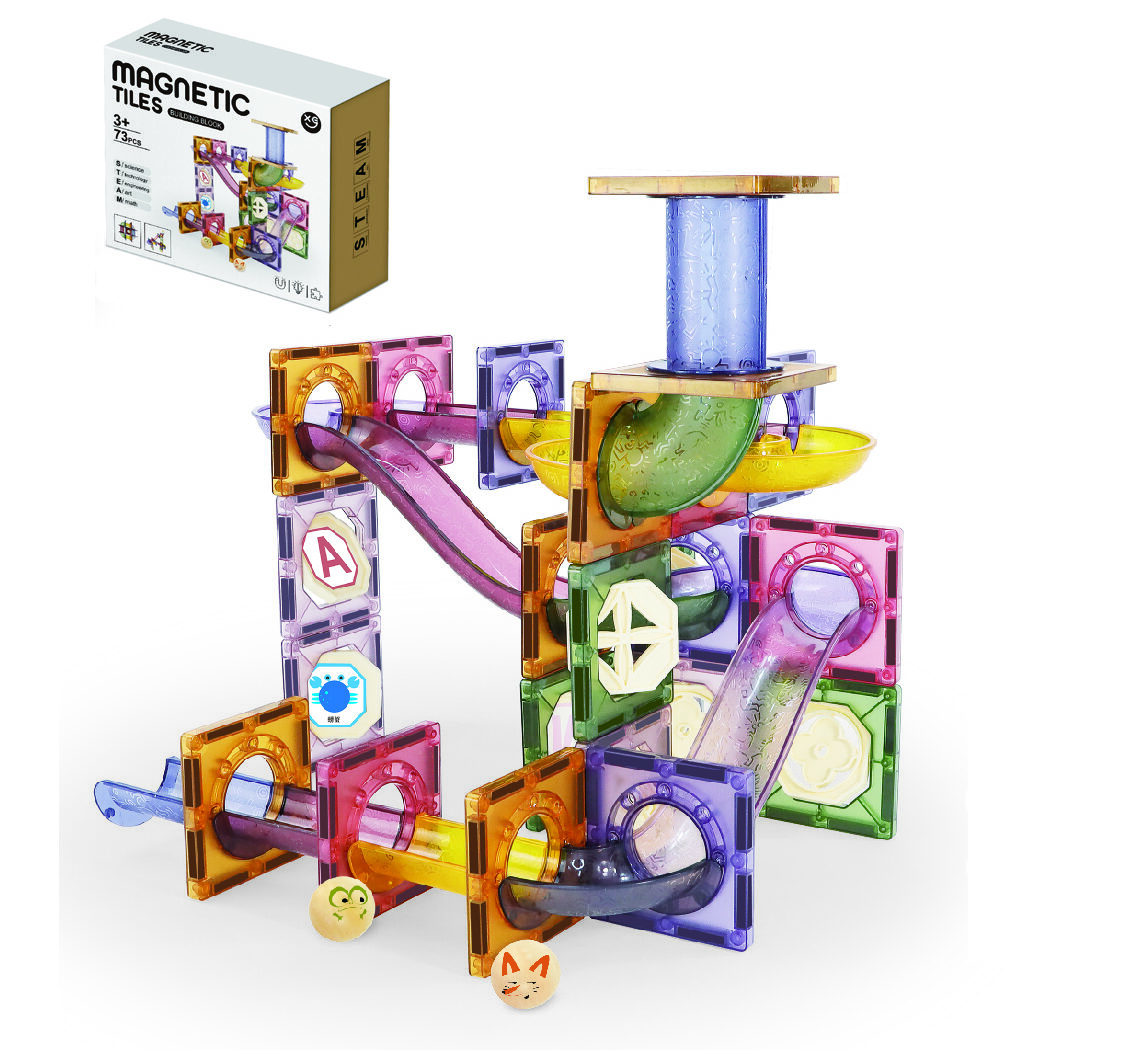
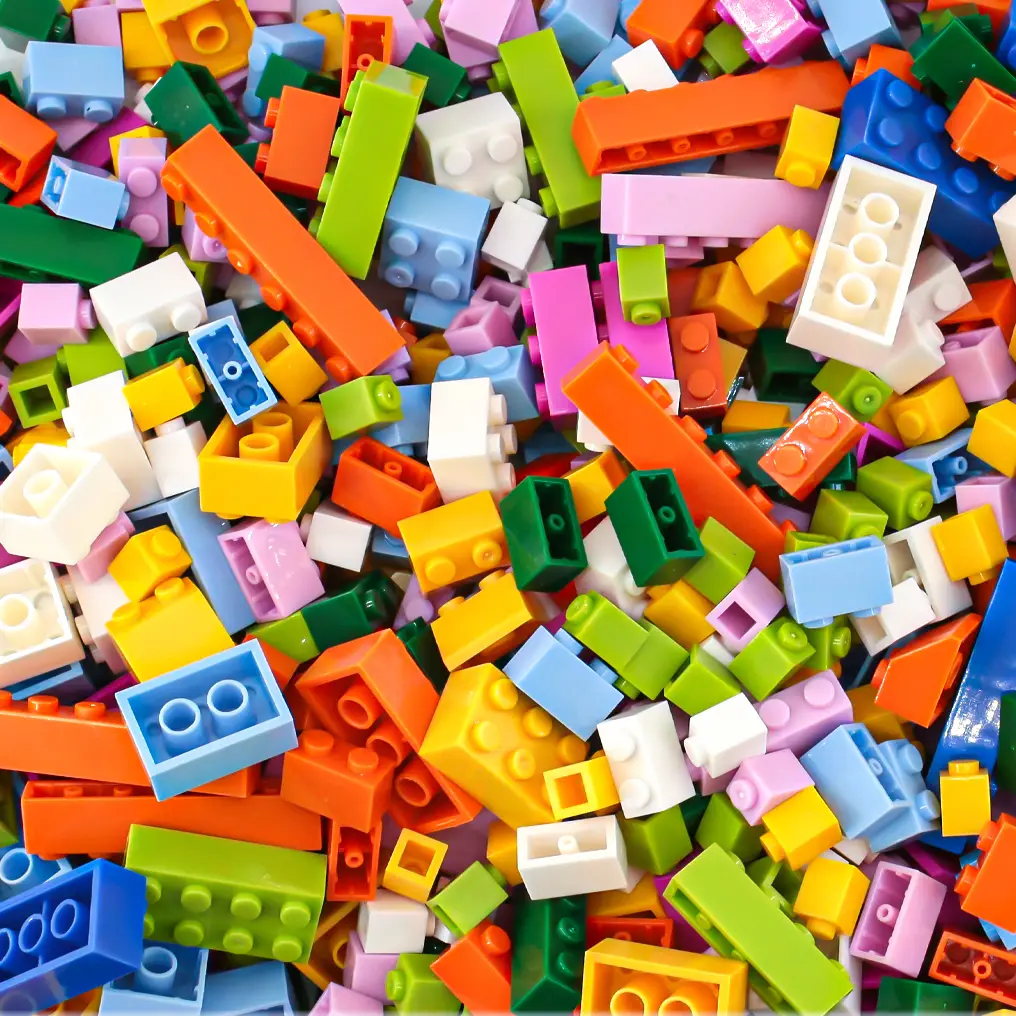
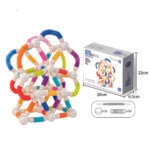
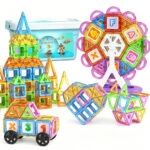
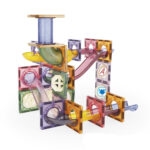
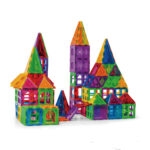
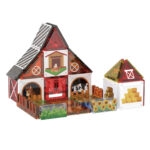
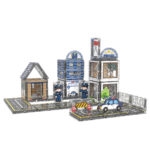
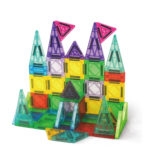
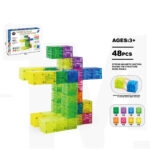
For construction toys—including major-brand compatible small bricks, toddler big bricks, building baseplates, and ultrasonic-welded magnetic building tiles—material integrity dictates structural longevity, regulatory compliance, and customer satisfaction. Mixing recycled polymers or regrind scrap into production lines introduces hidden structural micro-fissures, chemical non-compliance risks, and unpredictable dimension drift.
At Lione Toys, located in the toy manufacturing hub of Chenghai, Shantou, we mandate 100% virgin ABS plastic across all primary product lines. Understanding the polymer science behind building blocks helps brand owners protect their reputation, minimize customer return rates, and scale their retail presence.
The Polymer Science of ABS: Acrylonitrile Butadiene Styrene
Acrylonitrile Butadiene Styrene (ABS) serves as the gold standard material for high-precision injection-molded toys. Unlike lower-cost commodity plastics such as Polypropylene (PP) or Polyethylene (PE), ABS is a terpolymer synthesized from three distinct monomers, each contributing critical physical properties required for interlocking construction sets:
1. Acrylonitrile
Provides chemical resistance, thermal stability, and surface hardness. This ensures that building bricks maintain structural rigidity even when exposed to temperature variations during ocean transit or high-humidity storage environments.
2. Butadiene
Delivers exceptional impact resistance and mechanical toughness. When a child drops a tall tower of building blocks or steps on a magnetic tile, butadiene polymers absorb energy without shattering into sharp, hazardous splinters.
3. Styrene
Imparts a high-gloss, premium surface aesthetic and dimensional stiffness. Styrene allows injection molds to transfer microscopic detail, such as raised logo studs and smooth interlocking anti-stud tubes, with exact consistency.
Why Recycled Plastics Ruin Building Block Performance
To lower production costs, low-cost factories often mix post-industrial scrap or recycled consumer plastics into their injection machines. While recycled plastics may seem cost-effective on an initial invoice, they create severe technical problems for construction toys:
| Material Metric | 100% Virgin ABS Plastic | Recycled / Regrind Blend |
| Volumetric Shrinkage Rate | 0.4% – 0.7% (Highly Consistent) | 1.2% – 2.5% (Unpredictable) |
| Clutch Power Tolerance | $\pm 0.005\text{mm}$ Precision Fit | Loose Studs / Permanent Jamming |
| Tensile Yield Strength | 45 MPa (High Impact Resistance) | < 28 MPa (Brittle & Prone to Cracking) |
| Chemical Safety Compliance | 100% RoHS, CPSIA, REACH Compliant | Risk of Heavy Metal & Phthalate Traces |
| Color Vibrancy & Clarity | High Gloss, Translucent Brilliance | Dull, Clouded, or Muted Masterbatching |
The Mechanics of Clutch Power Precision
Building bricks operate on friction-fit geometry (clutch power). A classic building block stud must connect smoothly with the receiving tube beneath another brick, requiring a mechanical tolerance of less than $0.005\text{mm}$.
When recycled plastics are used, thermal shrinkage during the cooling cycle becomes irregular. As a result, bricks molded from recycled plastic either lack clutch power (causing built structures to collapse instantly) or lock together too tightly (making them impossible for young children to pull apart). Inconsistent clutch power is the leading cause of negative 1-star reviews on e-commerce platforms.
Material Purity in Magnetic Building Tile Safety
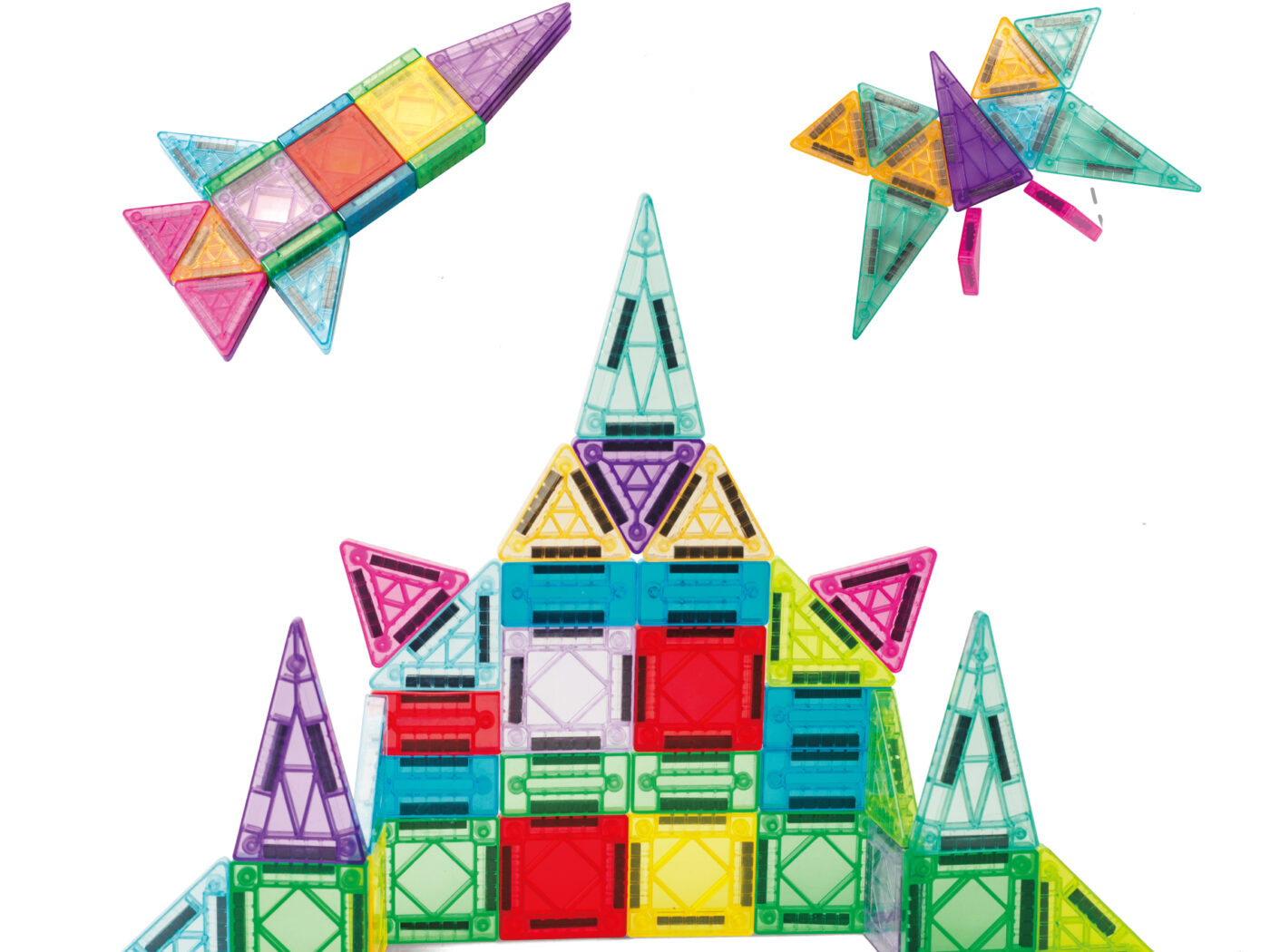
The risks of using substandard raw materials are even higher when manufacturing magnetic building tiles. Magnetic tiles contain internal rare-earth neodymium magnets (N35 grade or higher). If the surrounding plastic shell fails, loose magnets pose a severe safety hazard to young children.
       [ULTRASONIC DOUBLE-SEAL MAGNETIC TILE HOUSING]
                            │
   ┌────────────────────────┴────────────────────────┐
   ▼                                                 ▼
[Internal Locking Cavity]                    [High-Frequency Ultrasonic Weld]
Encases N35 magnet within                    Fuses upper & lower virgin ABS
dedicated ABS structural walls.              shells into a unified piece.
Structural Safety Engineering at Lione Toys:
- Virgin ABS Shells: Virgin material maintains a uniform melt index during processing, allowing ultrasonic welding machines to fuse upper and lower tile housings into a single solid piece.
- Reinforced Rivets: Metallic eyelet rivets are stamped directly into key stress corners to absorb impact energy when tiles drop onto hard tile or concrete floors.
- Internal Structural Ribbing: Internal plastic walls hold each magnet within its own compartment, preventing internal movement and reducing structural stress on the outer perimeter.
Global Compliance and Customs Clearance
Importing toys into regulated markets such as North America, the European Union, Australia, and Japan requires comprehensive laboratory safety verification. Customs authorities like US CBP/CPSC and European Port Authorities regularly sample shipments for chemical testing.
Using 100% virgin ABS guarantees compliance across primary international standards:
- ASTM F963-23 / CPSIA (United States): Ensures total lead content remains under 100 ppm and heavy metal migration meets safety thresholds.
- EN71 Parts 1, 2, and 3 (European Union): Validates mechanical strength, flammability safety, and the absence of 19 restricted heavy elements.
- REACH & Phthalate Restrictions: Guarantees plasticizers are completely absent from rigid building components.
Secure Your Supply Chain with Lione Toys
Competing solely on low unit cost often leads to product recalls, shipping delays, and damaged brand reputation. At Lione Toys, our automated injection molding facilities in Chenghai utilize 100% virgin ABS resin to produce high-durability, fully certified educational toys:
- Magnetic Building Tiles & Cubes: Reinforced with double ultrasonic welding and corner rivets.
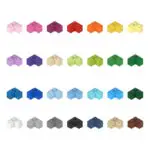
- Compatible Big Bricks (Toddlers) & Small Bricks (Classic): Engineered with exact stud geometry for seamless major-brand compatibility.
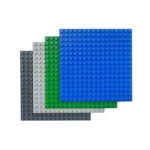
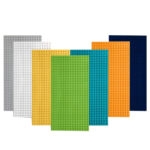
- Building Block Baseplates: Designed flat and warp-free in multiple sizes and custom printed patterns.
- STEM Educational Toy Kits: Modular gears, motorized bases, and tabletop game components.
Upgrade your product catalog with certified factory purity. Visit our export hub at www.lionetoys.com to request product samples, laboratory test reports, and factory-direct pricing today!