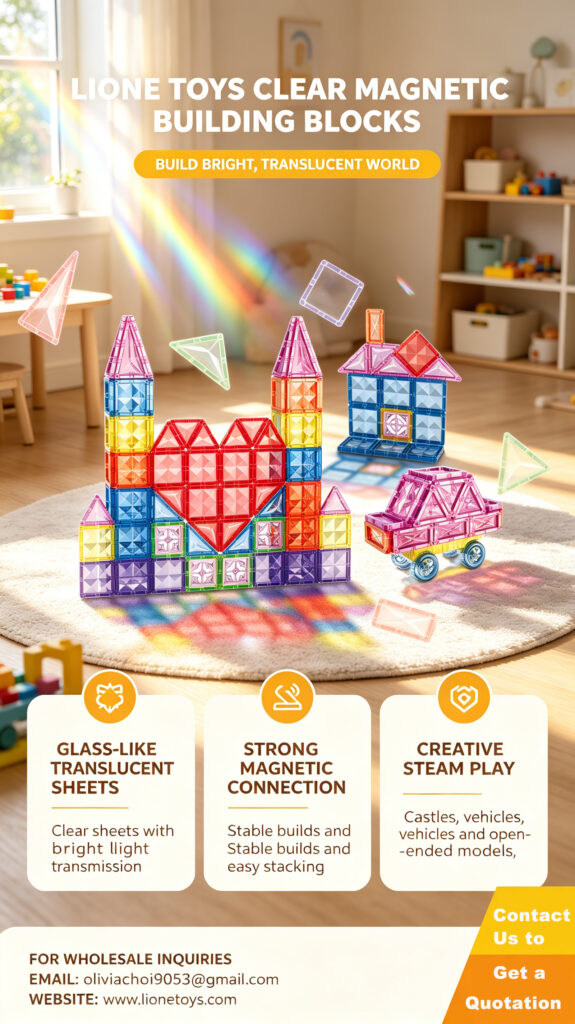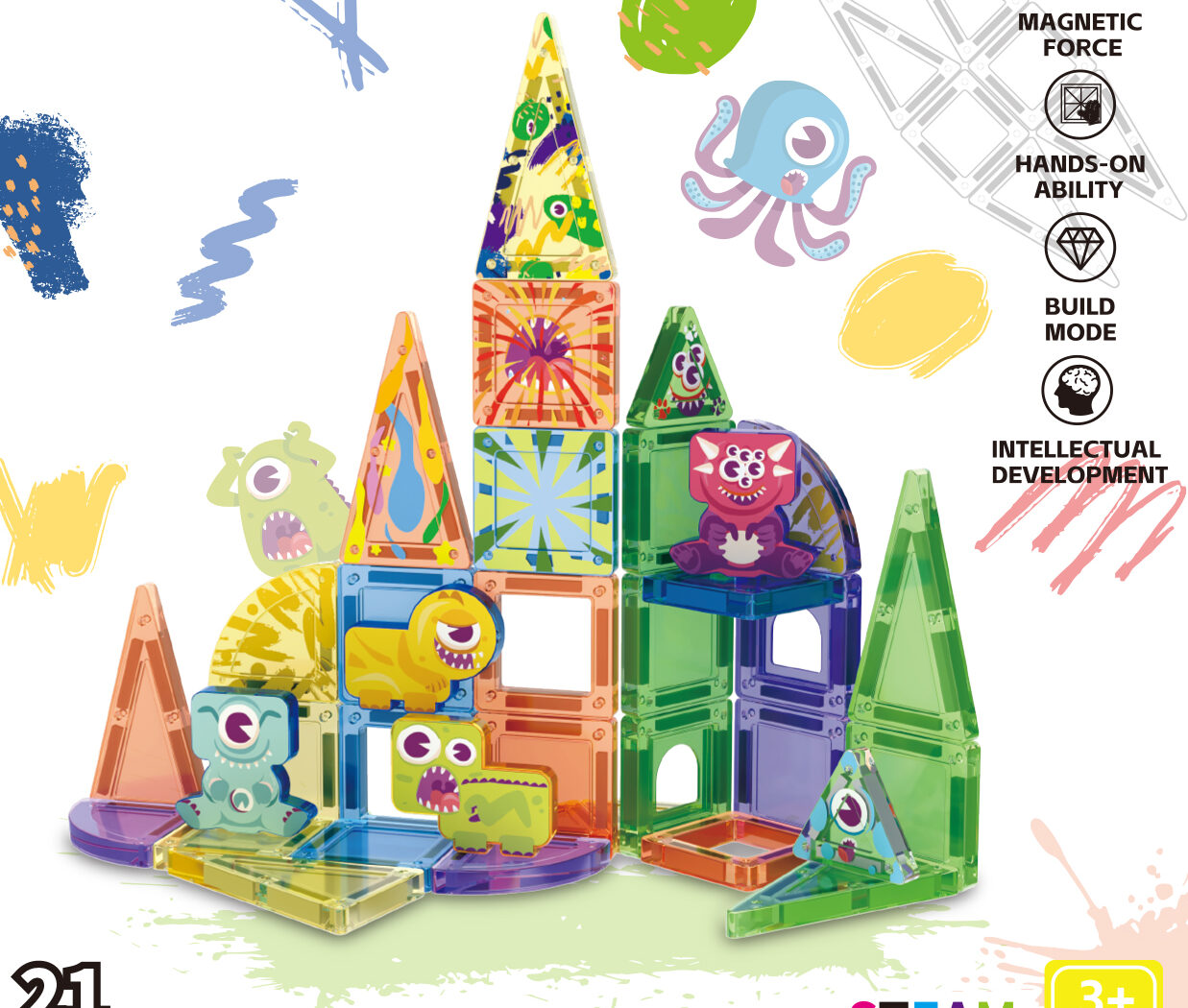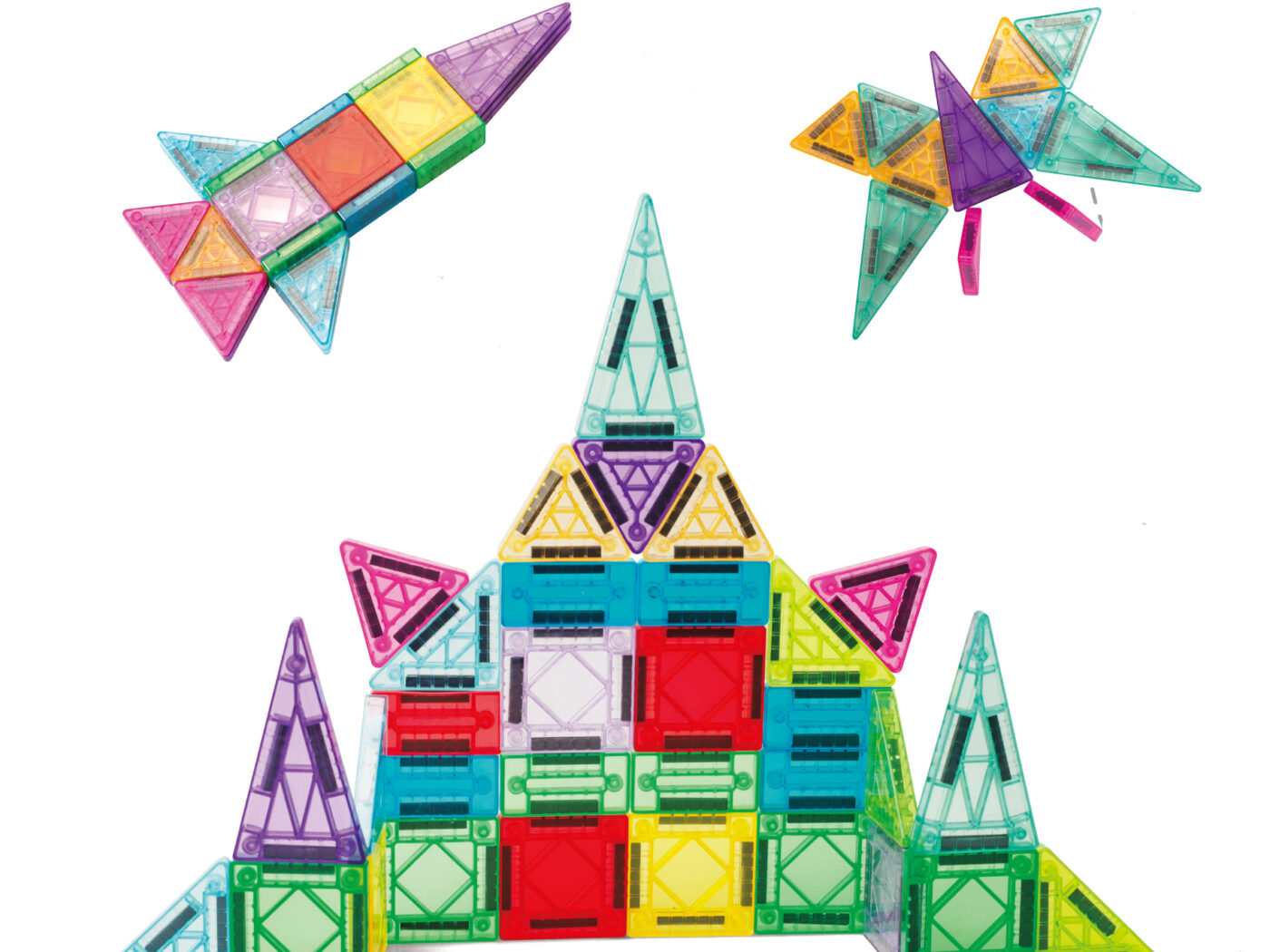

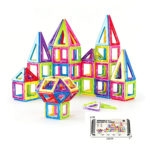
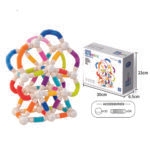
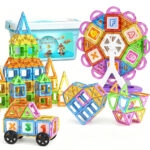
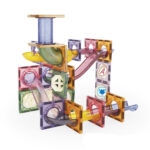
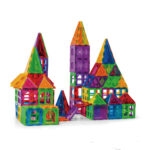
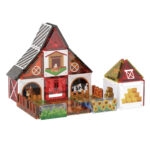
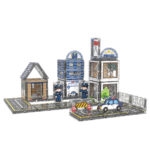
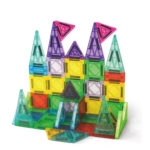
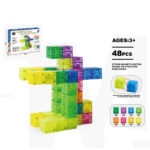
The wholesale price of magnetic tiles is not determined by piece count alone. Two 100-piece magnetic tile sets may look similar in a catalog but have very different costs because of magnet quality, ABS material, tile thickness, printing, packaging, test requirements, order quantity, and shipping destination.
For toy importers, distributors, retailers, Amazon sellers, and private-label brands, the right question is not simply: “What is the cheapest magnetic tiles wholesale price?” The more useful question is: What specification can deliver the quality, compliance, margin, and customer experience required for my market?
This guide explains how magnetic tiles are priced in 2026, why factory quotations can vary widely, and what buyers should ask before comparing offers from China.
Quick Answer: What Affects Magnetic Tile Wholesale Price?
When sourcing magnetic building blocks wholesale, buyers commonly compare products based on the number of pieces. However, a lower quotation may reflect important differences that are not immediately visible in product photos.
The final magnetic tiles manufacturer price is usually influenced by:
- Number and type of tiles included
- Magnet grade, size, quantity, and magnetic holding force
- ABS plastic quality, thickness, transparency, and color consistency
- Ultrasonic welding quality and magnet-retention construction
- Printed tiles, special shapes, figures, wheels, road pieces, or accessories
- Packaging type, box size, inner tray, instruction manual, and inserts
- Order quantity and production efficiency
- Test reports and compliance requirements
- OEM customization, including branding, colors, molds, artwork, and packaging
- Sample cost and sample shipping
- Freight method, carton volume, destination, and import costs
A buyer should therefore compare quotations based on the same specification sheet—not only the same piece count.
For example, a supplier may quote a low price for a 100-piece set, but the set may use thinner tiles, fewer or smaller magnets, basic packaging, no themed accessories, weaker welding, or no valid test report for the destination market. Another factory may quote higher because its product uses better materials, secure magnet enclosure, custom inserts, upgraded packaging, and compliance support.
Piece Count Has a Major Impact
Piece count is one of the clearest cost drivers for magnetic tiles. Every extra tile adds plastic, magnets, assembly labor, packaging weight, carton volume, and shipping cost.
However, the relationship is not always linear. Some shapes cost more than others.
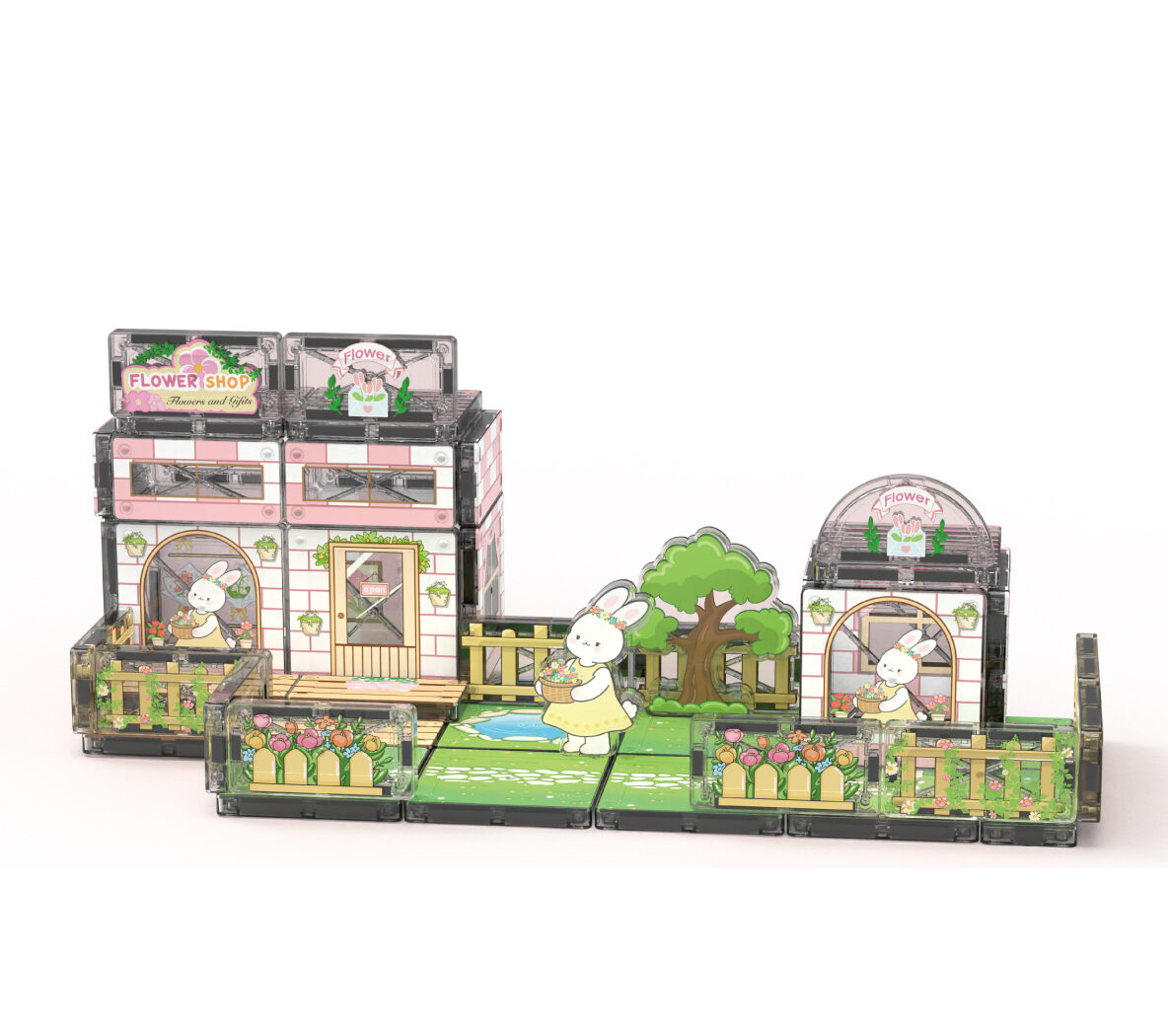
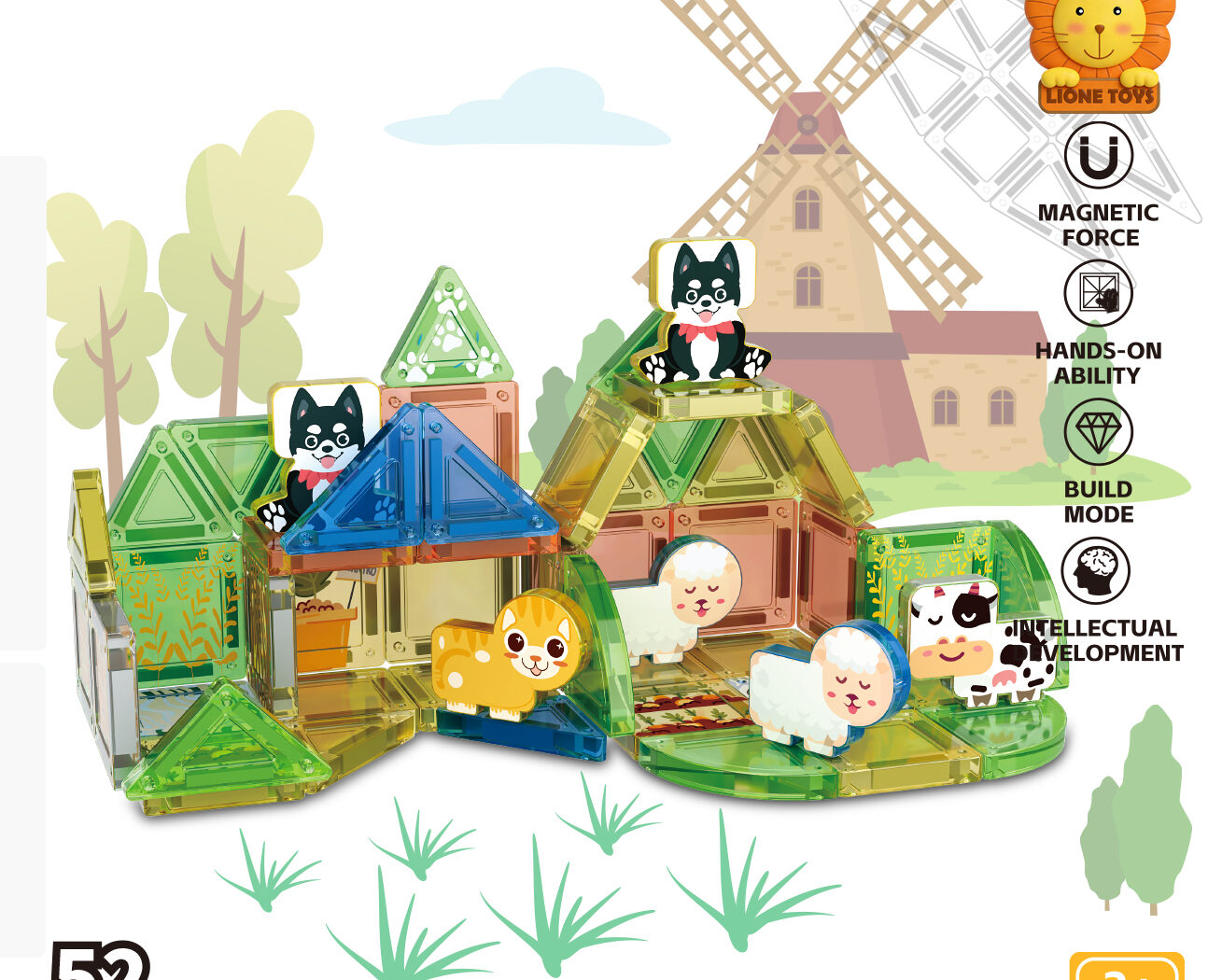
A standard square tile may be relatively simple to produce. Large square tiles, long triangles, wheel bases, arches, windows, figures, road tiles, base plates, ball-run tubes, and themed printed pieces often require more material, more magnets, more complex molds, or additional assembly.
| Set Size | Typical Market Position | Main Cost Drivers |
|---|---|---|
| 25–40 pieces | Entry-level set, small gift, travel item | Packaging cost can represent a relatively high share of total cost |
| 50–80 pieces | Core retail starter set | Balanced mix of basic shapes, magnets, and packaging |
| 80–120 pieces | Main themed or premium retail set | More shapes, accessories, printing, larger color box |
| 120–200 pieces | Deluxe gift set or family set | Higher material cost, larger carton volume, stronger packaging needs |
| 200+ pieces | Flagship set, classroom pack, bundle | Freight, carton strength, sorting labor, and storage become more important |
Buyers should ask for a full component breakdown, not just “100 PCS.” A 100-piece set with 80 standard squares and 20 small triangles will have a different cost structure from a 100-piece set containing large plates, cars, figures, printed road tiles, doors, windows, and ball-run pieces.
When comparing wholesale magnetic tiles from China, request the exact quantity of every shape and accessory. This is the fastest way to identify whether two quotations are truly comparable.
Magnet Quality Changes Cost and Play Value
Magnets are one of the most important parts of a magnetic building tile. They directly affect how well children can build towers, castles, bridges, ramps, vehicles, and larger three-dimensional models.
Magnet pricing can vary according to:
- Magnet material and grade
- Magnet size and thickness
- Number of magnets used in each tile
- Magnetic holding force
- Magnet orientation and polarity arrangement
- Supplier consistency and quality-control standards
- Magnet protection and retention design
A tile may look similar on the outside while performing very differently during play. Weak magnets can make structures collapse easily. Inconsistent magnets can frustrate children because tiles connect differently from one piece to another.
A lower-cost supplier may reduce cost by using smaller magnets, lower-strength magnets, fewer magnets in larger pieces, or less consistent magnet installation. These decisions may not be obvious in a catalog image, but they become clear during sample testing.
When evaluating samples, build the same model with several sets. Test basic walls, cubes, tall towers, bridges, roofs, ramps, and large themed structures. Observe whether the tiles hold together firmly and whether the connection performance is consistent across shapes.
For buyers building a premium brand, stable magnetic performance is often more valuable than saving a small amount on unit cost. Better play performance can reduce negative reviews, return rates, and customer complaints.
ABS Material Is Not Just a Detail
Most magnetic tiles use ABS plastic or a similar durable plastic. The plastic quality influences appearance, safety, durability, transparency, color consistency, resistance to cracking, and consumer perception.
A higher-quality ABS material can improve:
- Impact resistance when tiles are dropped
- Clarity of transparent tiles
- Color brightness and consistency
- Smoothness of the tile surface
- Resistance to stress marks and cracking
- Strength around corners and welding seams
- Overall premium appearance
Lower-priced magnetic tiles may use thinner plastic walls, recycled materials, inconsistent color batches, or materials that are more likely to show scratches, bubbles, stress whitening, or surface defects.
For a toy buyer, plastic quality should be reviewed together with tile thickness and welding quality. Thick plastic alone does not guarantee a good product if the edges are poorly sealed. Likewise, an attractive transparent tile may not perform well if it cracks after repeated use.
Ask the supplier to provide material information and to explain the production process. Then inspect the physical samples carefully:
- Check for sharp edges, rough seams, and visible gaps
- Press the tile corners and edges to identify weak points
- Drop-test a sample set under controlled conditions
- Compare transparency and color consistency between tiles
- Look for scratches, sink marks, stress marks, or uneven surfaces
- Inspect seams around the magnet enclosure
For children’s toys, a strong construction and secure magnet enclosure should always be treated as a core purchasing requirement rather than a premium add-on.
Tile Thickness and Welding Affect Durability
Magnetic tiles are commonly made from two plastic halves that are joined together. The quality of this joining process—often ultrasonic welding—matters greatly.
A cheaper set may use less material or a weaker welding process. This can increase the risk of seams opening after drops, repeated use, or stress on the tile corners.
Buyers should evaluate:
- Tile wall thickness
- Corner reinforcement
- Welding coverage around the tile perimeter
- Consistency of seams across the full set
- Magnet retention after normal use and foreseeable misuse
- Durability of special shapes, such as long triangles, wheel bases, windows, and large plates
Do not assess only one showroom sample. Request samples from current production, and if possible, ask for pre-production samples before final approval.
For U.S.bound children’s products, magnetic toys are subject to relevant toy-safety requirements. The U.S. Consumer Product Safety Commission’s ASTM F963 guidance identifies magnets as a section requiring third-party testing where applicable. That is why buyers should verify that the product structure, magnet enclosure, age grade, and test reports match the actual SKU being ordered.
Packaging Can Add More Cost Than Buyers Expect
Packaging is a major part of the landed cost, especially for small and medium-sized sets. It affects not only factory price but also product presentation, warehouse handling, e-commerce fulfillment, shipping volume, and shelf appeal.
Common packaging options include:
- Plain brown export cartons
- Standard color boxes
- Custom printed color boxes
- Window boxes
- Magnetic closure gift boxes
- Carry-case packaging
- Plastic trays
- Paperboard inserts
- EVA or foam inserts
- Fabric storage bags
- Instruction books and activity cards
- Outer shrink wrap or protective film
A simple standard color box is usually more cost-effective than a rigid premium gift box. However, premium packaging may be appropriate for specialty retailers, gift stores, holiday programs, or higher retail price points.
When reviewing a quotation, confirm whether it includes:
- Individual color box
- Inner tray or insert
- Instruction manual
- Storage bag
- Barcode sticker
- Warning labels
- Polybag protection
- Master carton
- Export carton markings
- Palletization, if required
- Artwork and printing setup charges
Do not assume that “custom packaging included” means every packaging component is included. Clarify each item before placing the purchase order.
MOQ Changes the Unit Price
MOQ, or minimum order quantity, is one of the biggest factors behind a magnetic tiles wholesale price. Factories can usually offer better unit prices when orders use existing molds, standard colors, stock packaging, and larger production quantities.
The reason is straightforward: factories must spread setup time, material preparation, labor, printing, quality control, and packaging work across the total number of units produced.
Lower MOQs may create higher costs because the factory must still arrange production, purchase materials, print packaging, and complete quality inspections for a smaller order.
Typical pricing conditions may differ by project type:
| Order Type | Typical Cost Position | Why |
|---|---|---|
| Stock product with standard packaging | Lower unit cost | Existing materials, existing box design, efficient production |
| Stock product with logo sticker | Slightly higher | Additional labeling and handling |
| Stock product with custom color box | Higher | Artwork, printing MOQ, box production, packing setup |
| Customized color and printed tiles | Higher | New color matching, print development, production control |
| New themed accessories | Higher | New molds, development time, assembly complexity |
| Full private-label program | Highest initial investment | Packaging, instructions, branding, testing, possible tooling, and approvals |
The lowest MOQ is not always the best choice. A very small order may have an unattractive unit cost, while a very large order may increase inventory risk. Buyers should calculate their expected sales velocity, retail price, storage capacity, cash flow, and reorder plan before selecting the order quantity.
Testing and Compliance Costs
Testing is often misunderstood in toy sourcing. Buyers may see a supplier claim “EN71” or “ASTM tested,” but test documentation must be relevant to the actual product and target market.
Testing costs may depend on:
- Sales destination, such as the United States, European Union, United Kingdom, Canada, Australia, or other markets
- Product age grading
- Type of material used
- Magnets, small accessories, wheels, figures, and other components
- Chemical testing requirements
- Mechanical and physical testing scope
- Whether the factory already has a valid report for the exact SKU
- Whether custom colors, inks, plastic materials, or accessories require an updated assessment
For the United States, children’s products generally require third-party testing through a CPSC-accepted laboratory and certification by the manufacturer or importer before sale. Buyers should discuss documentation requirements with their importer, compliance partner, laboratory, or legal adviser for the exact product and sales channel.
A valid report should be checked for:
- Correct product photos
- Correct product description
- Correct model or SKU reference
- Correct age grade
- Test standard and test items
- Laboratory details
- Report date
- Applicant or client name
- Any limitations, exclusions, or product variations
If you change the product after testing—for example, by adding new printed tiles, a different plastic color, a wheel base, a figure, or a new accessory—ask whether the existing test report remains applicable.
OEM Costs: What Buyers Should Budget
OEM magnetic tile projects can range from simple logo application to full product development. The cost depends on how much customization is needed.
Common OEM options include:
- Custom logo on packaging
- Custom barcode labels
- Branded instruction manual
- Custom color box design
- Custom tile colors
- Custom printed tiles
- Customized figures or accessories
- New themed combinations
- New mold development
- Customized storage bag or carrying case
- Exclusive packaging design
- Retail-ready carton markings
The lowest-risk OEM option is usually to start with an existing tile system and customize the packaging, instructions, color mix, or selected printed pieces. This allows buyers to create a differentiated offer without the higher cost and longer lead time of new molds.
New mold development can be appropriate when a brand has a strong concept, protected design direction, or enough sales volume to justify the investment. But buyers should understand that a new mold project requires design review, prototype approval, tooling, sampling, testing, production trials, and ongoing quality control.
Before paying tooling charges, confirm:
- Who owns the mold
- Whether the mold is exclusive
- Whether similar designs can be sold to other customers
- Tooling lead time
- Tooling maintenance responsibilities
- Expected mold lifespan
- Sample approval process
- Product testing plan
- Cost if design changes are needed after tooling begins
Sample Fees Are Part of Sourcing
Sample fees are normal in magnetic tile sourcing, particularly for customized products. A supplier may charge for samples because the product requires materials, hand assembly, packaging preparation, printing, shipping, and sometimes engineering work.
Sample costs may include:
- Standard sample set cost
- Customized logo or packaging cost
- Artwork setup cost
- Prototype cost
- New printed-tile sampling cost
- Courier shipping cost
- Customs or import charges at destination
For a standard product, suppliers may offer a sample at regular wholesale price or agree to refund part of the sample fee after a confirmed bulk order. For a fully customized product, sample and development fees are more likely to be non-refundable.
Do not choose samples only by appearance. Test them as a buyer would test a commercial product:
- Build several models
- Check tile alignment and magnetic force
- Inspect seams and corners
- Test special pieces and accessories
- Review print quality
- Check packaging strength
- Confirm the piece count
- Compare colors against approved artwork
- Verify instruction clarity
- Review carton dimensions and shipping weight
A thorough sample review is much cheaper than dealing with quality problems after production.
Shipping Can Change Your Final Landed Cost
The product price quoted by a factory is only one part of the total cost. Buyers also need to calculate landed cost, including transport, insurance, import duties, taxes, customs clearance, local delivery, warehouse handling, and possible fulfillment charges.
Magnetic tiles are often bulky relative to their product value because they are packed in retail boxes and master cartons. Packaging size can therefore have a major impact on freight cost.
Shipping options may include:
- Express courier for samples and urgent small orders
- Air freight for faster replenishment
- Rail freight on applicable routes
- Less-than-container load shipping for smaller sea shipments
- Full-container load shipping for larger orders
- Delivered-duty-paid options where appropriate and properly understood
Your freight cost is influenced by:
- Carton dimensions
- Carton gross weight
- Total shipment volume in cubic meters
- Port of loading
- Destination port or final delivery address
- Shipping season
- Fuel and carrier surcharges
- Container availability
- Incoterms, such as EXW, FOB, CIF, or DDP
- Local customs, duties, taxes, and clearance charges
A low factory quote can become expensive if packaging is oversized or cartons are poorly optimized. Ask suppliers for carton dimensions, gross weight, net weight, units per carton, and container-loading estimates before finalizing the product configuration.
For example, a more compact 80-piece set with an efficient tray may create a better overall margin than a 100-piece set with oversized packaging, even if the factory unit price appears higher.
Why Do Factory Quotes Differ So Much?
It is common for buyers to receive quotations with significant price differences from several factories. This does not automatically mean one supplier is overcharging or another supplier is unreliable. It usually means the quotations are not based on exactly the same product specification.
Price differences can come from:
- Different magnet grades or magnet sizes
- Different numbers of magnets per tile
- Different ABS quality or recycled-material content
- Different tile thickness
- Different welding standards
- Different shapes and accessory counts
- Different printing processes
- Different packaging materials
- Different quality-control standards
- Different compliance support
- Different MOQ assumptions
- Different production capacity and factory overhead
- Different profit margins
- Different Incoterms and freight assumptions
The best way to compare suppliers is to create a quotation sheet with the same requirements for every factory.
Your RFQ should state:
- Product name and SKU
- Full piece list by shape and quantity
- Tile dimensions and target thickness
- Magnet requirements
- Plastic material requirements
- Color requirements
- Printed tile specifications
- Accessories and figures
- Packaging type and box dimensions
- Instruction manual requirements
- Label and barcode requirements
- Target market and compliance requirements
- Order quantity
- Required Incoterm
- Target delivery date
- Quality-control and inspection expectations
This approach makes it easier to identify the supplier offering the best value rather than the lowest headline price.
How to Calculate a More Accurate Landed Cost
A simple landed-cost formula is:
Landed cost per set=Number of sellable setsProduct cost+Packaging cost+Testing cost+Sample/development cost+Freight+Duties/taxes+Local handling
For a first order, include one-time costs separately so you can see whether they will disappear or decrease on repeat orders.
For example:
| Cost Item | First Order | Repeat Order |
|---|---|---|
| Product unit cost | Included | Included |
| Custom packaging setup | May apply | Usually reduced or eliminated |
| Test report cost | May apply | May remain valid if product is unchanged |
| Sample and courier cost | Usually applies | Usually not repeated |
| New mold cost | May apply | Normally not repeated |
| Sea or air freight | Always applies | Always applies, but varies by market conditions |
| Import duties and taxes | Usually apply | Usually apply |
This calculation helps buyers avoid a common mistake: selecting a supplier based only on an EXW or FOB product quote without considering the true cost of selling the item in the destination market.
How to Get a Better Magnetic Tile Quotation
A better quotation starts with a clearer request. Suppliers can quote more accurately when buyers provide details rather than asking only, “Please send your best price.”
Use these steps:
- Define your target customer, retail channel, country, age grade, and expected retail price.
- Select the product position: entry-level, mid-range, premium, themed, educational, or private label.
- Prepare a complete piece list, including standard tiles, special shapes, prints, figures, wheels, and accessories.
- Specify your packaging requirements, including box type, instructions, barcodes, labels, and carton requirements.
- Confirm which compliance documents are needed for your market.
- Ask for pricing at multiple quantities, such as 500, 1,000, 3,000, and 5,000 sets.
- Request EXW, FOB, and where relevant, delivered shipping options separately.
- Order samples and compare real product quality before confirming a bulk order.
- Review pre-production samples before mass production.
- Arrange quality inspection before shipment, especially for new suppliers or customized orders.
Final Advice for Toy Buyers
The best magnetic tiles wholesale price is not necessarily the lowest number on a quotation sheet. It is the price that gives you a safe, durable, market-appropriate product with reliable supply, suitable packaging, correct compliance documents, and enough margin to support your sales channel.
When sourcing magnetic building blocks wholesale, compare specifications in detail. Focus on magnets, ABS material, welding quality, piece composition, packaging, MOQ, testing scope, OEM requirements, and freight—not just the factory unit price.
A transparent supplier should be able to explain why a product costs what it costs, provide samples for evaluation, clarify customization options, and support you with accurate packing and shipping information.
Source Magnetic Tiles from China
Lione Toys supports toy importers, distributors, e-commerce sellers, and private-label brands sourcing magnetic building blocks from China. We can assist with standard magnetic tile sets, themed magnetic building tiles, customized packaging, OEM development, product documentation, sample preparation, and export shipment coordination.
Whether you need a starter set, a dinosaur-themed magnetic tile collection, a road-and-vehicle range, a premium gift box, or a custom private-label project, our team can help you develop a product plan that matches your target market and budget.
Request our latest magnetic building blocks catalog and wholesale quotation.
Contact us through www.lionetoys.com to discuss your product requirements, target quantity, packaging needs, and destination market.