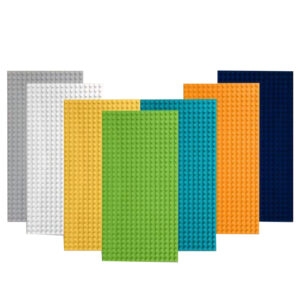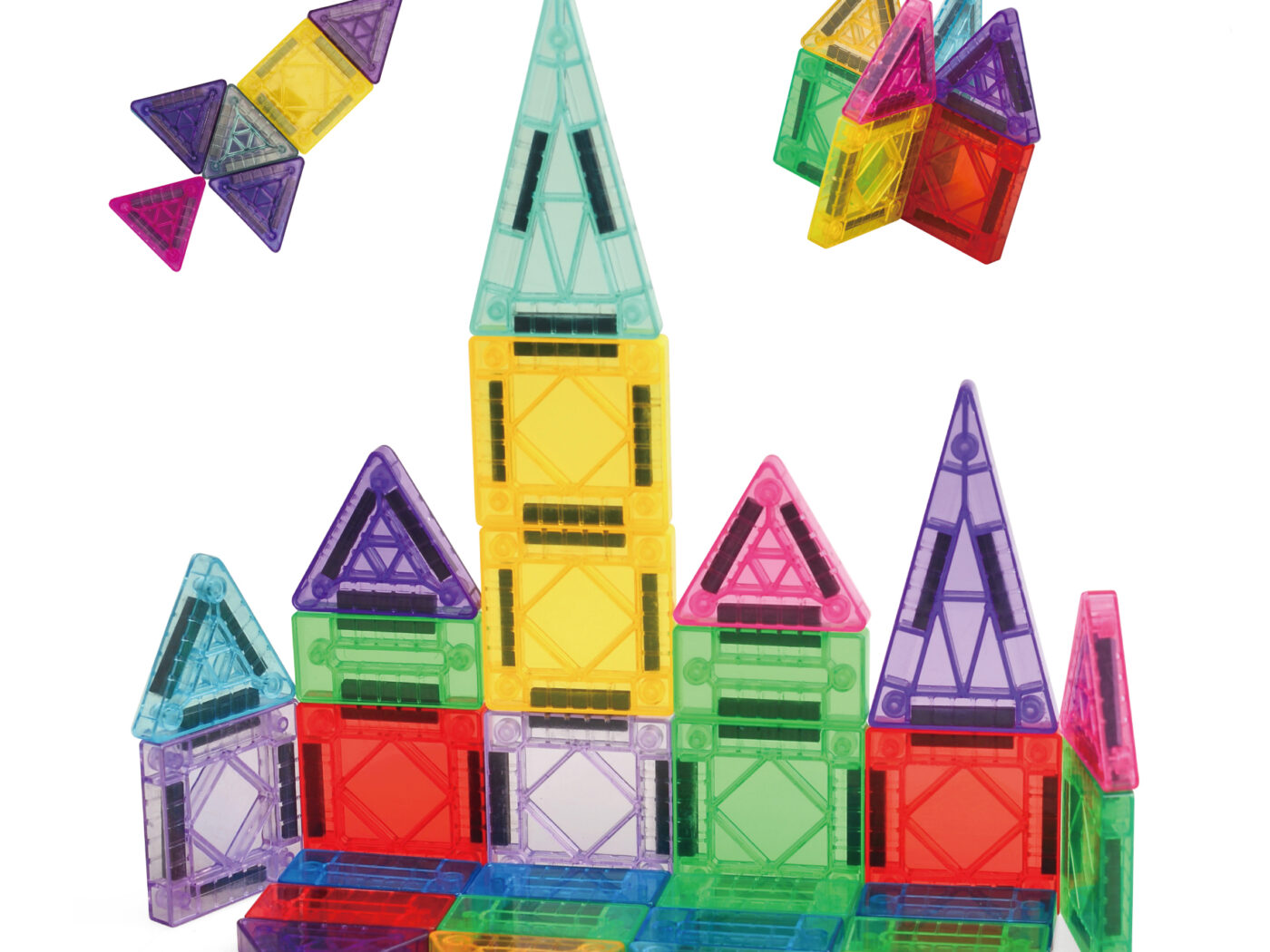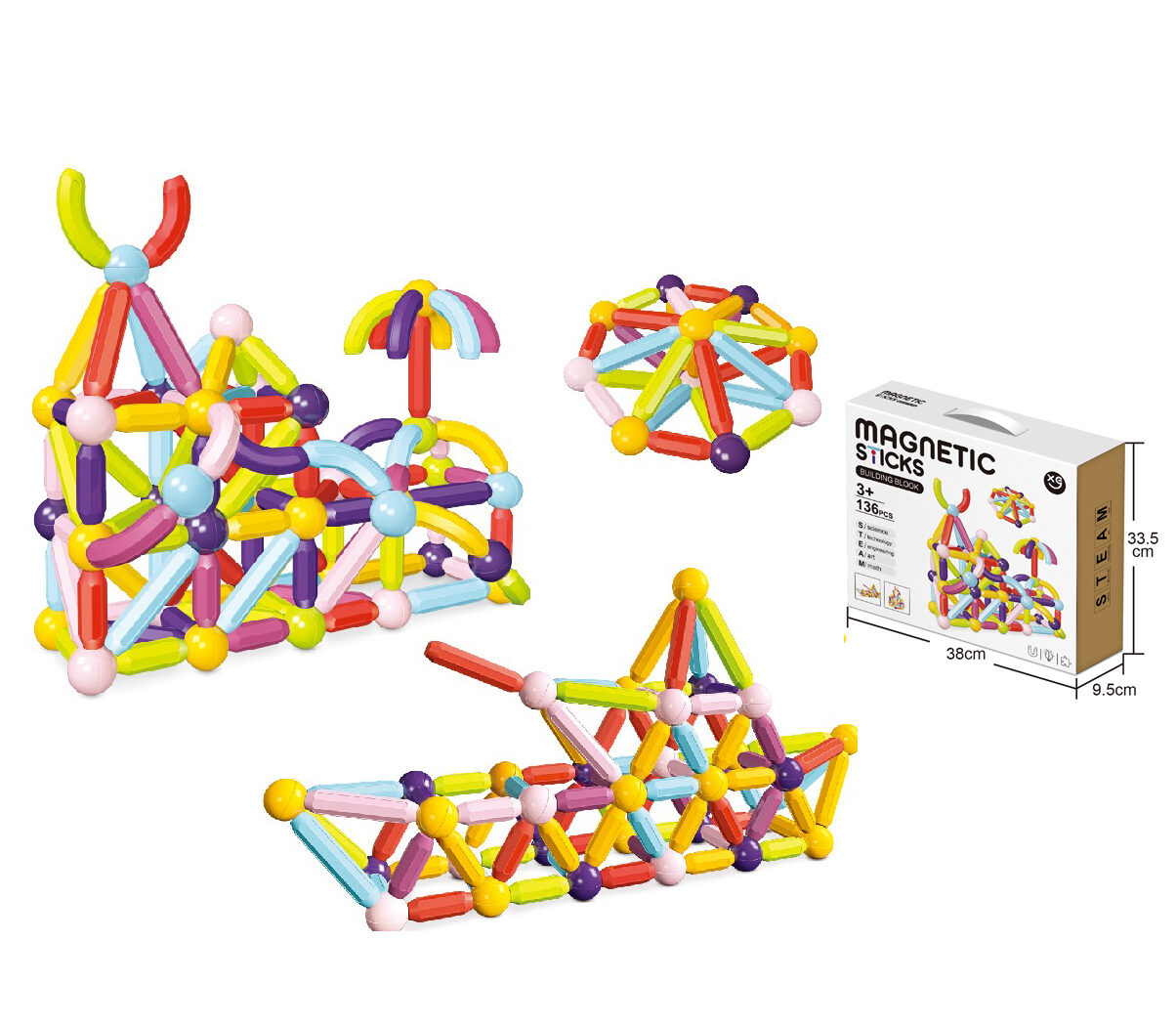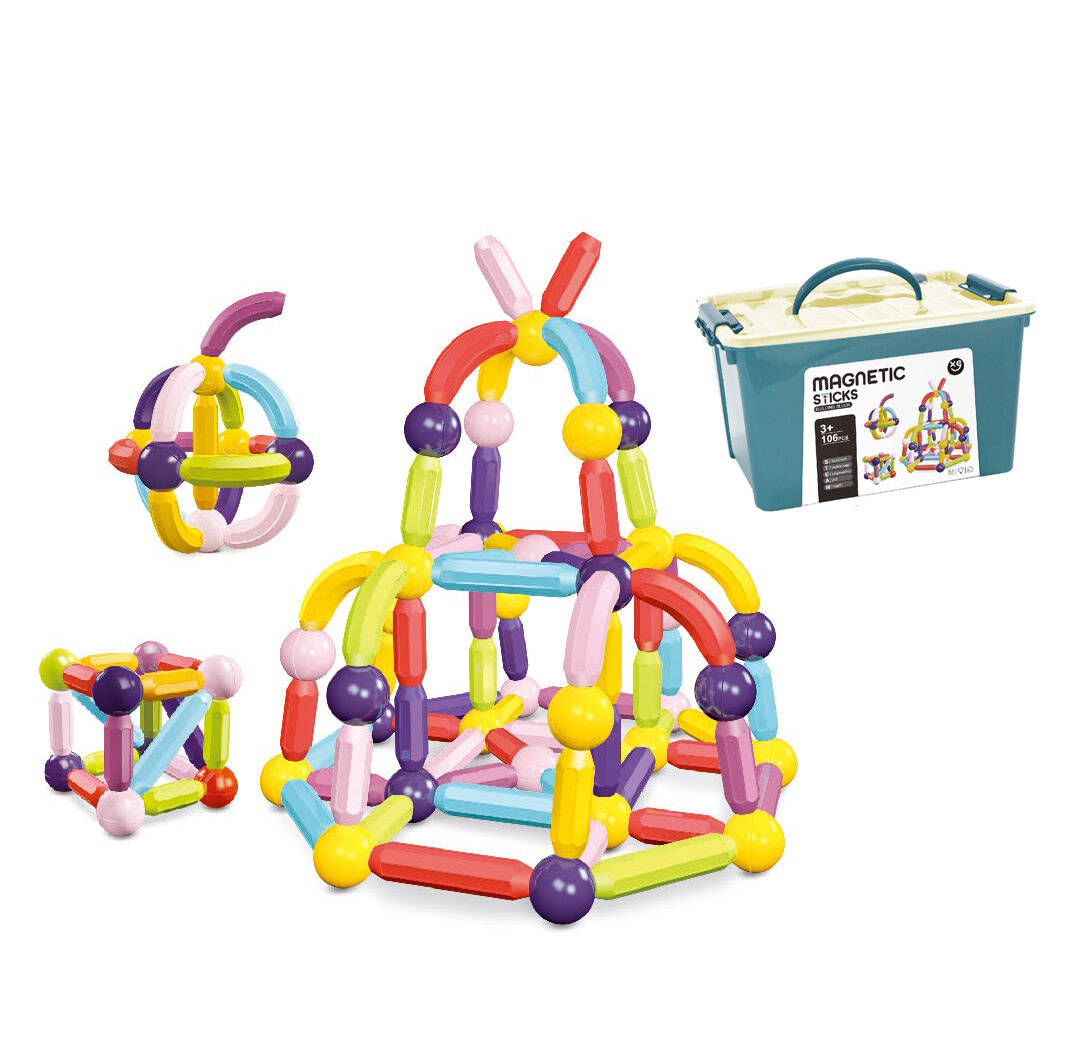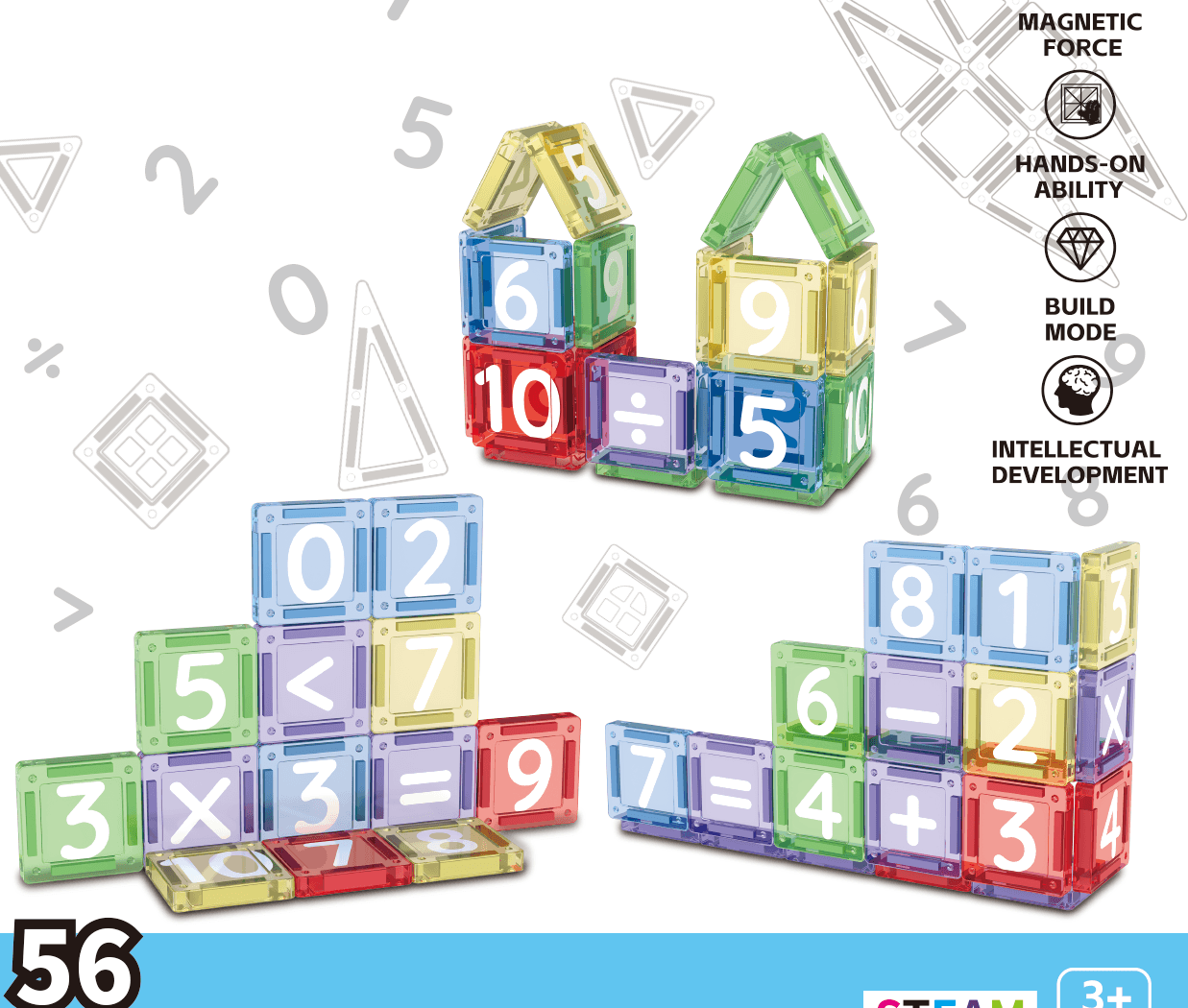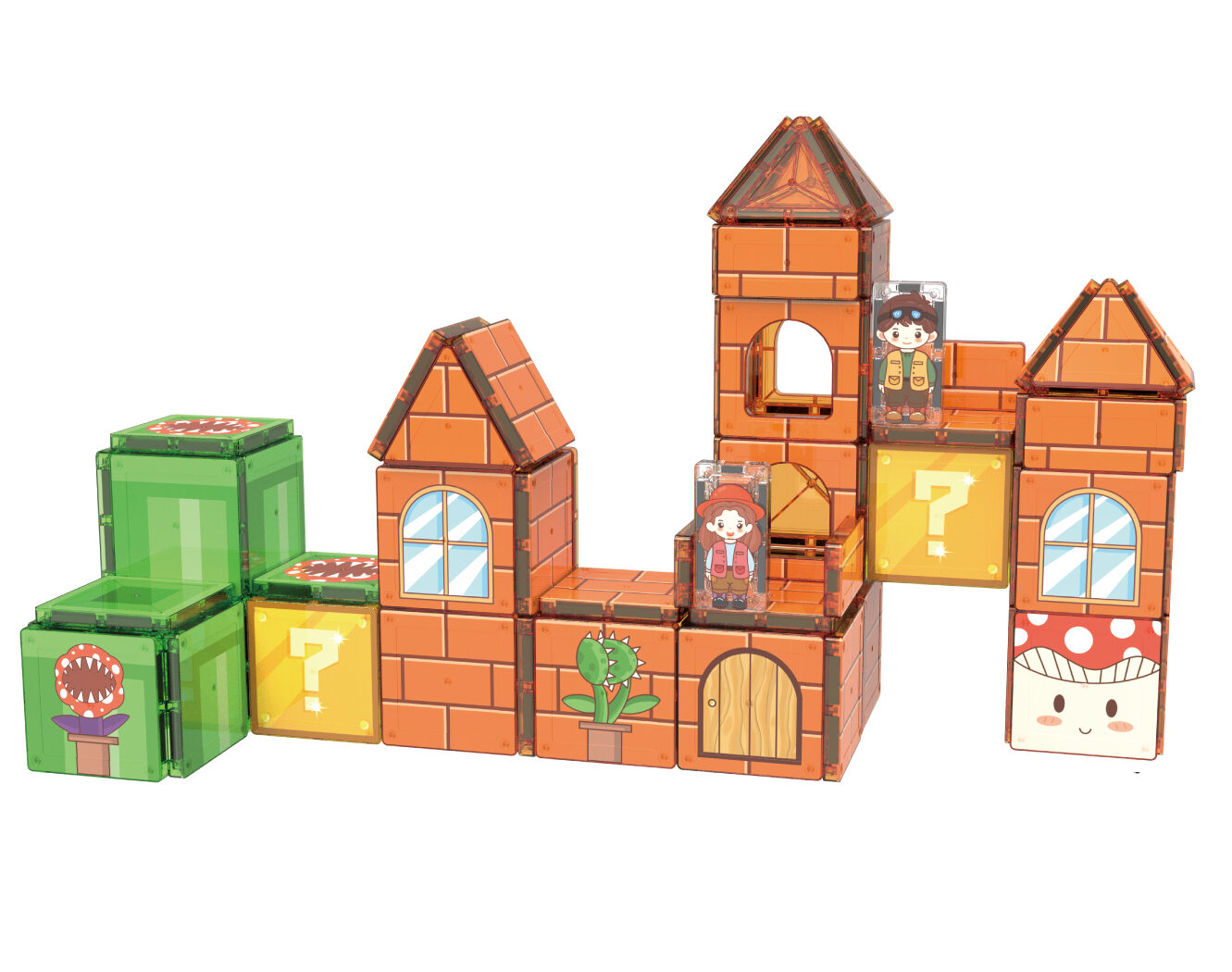
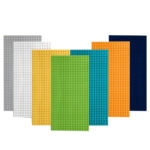
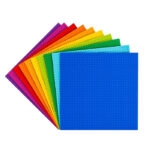
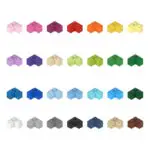
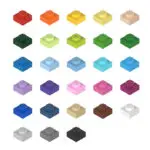
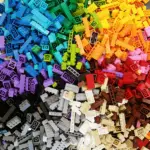
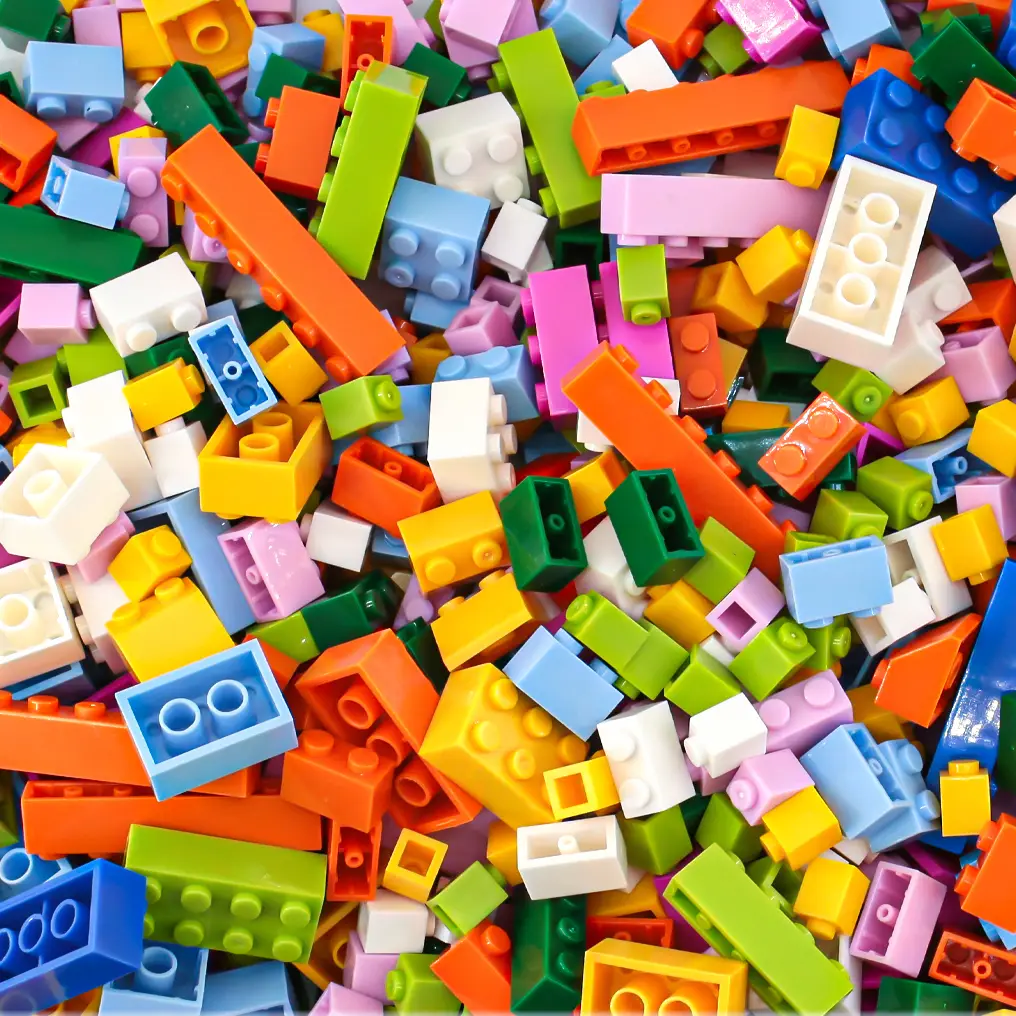
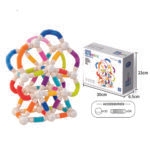
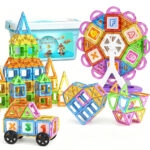
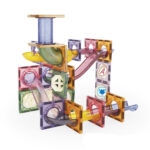
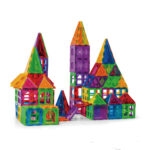

Color is one of the most visible and cost-effective ways to differentiate your building block products. For private-label brands, retailers, educational suppliers, and toy wholesalers, custom building block colors allow you to align bricks with your brand identity, create themed assortments, and stand out on shelf and online.
Many buyers already know they can choose from standard colors such as red, blue, yellow, green, white, black, and grey. The next step is matching bricks to your brand colors—for example, your logo shades, seasonal palettes, or unique signature colors.
This guide explains how custom brick colors work, how Pantone color matching is used in plastic building blocks, what affects ABS color consistency, and how manufacturers control batch-to-batch color stability so your products look consistent over time.
Why Custom Building Block Colors Matter
Color is not only decorative. In building blocks, color influences:
- Brand recognition – consistent colors help customers identify your products
- Perceived quality – stable, vibrant colors signal good materials and production control
- Themed differentiation – specific palettes support city, castle, space, nature, or educational themes
- Educational use – color coding can support sorting, counting, classification, and learning activities
- Retail impact – distinctive colors improve shelf presence and online listing appeal
For private-label brands, custom colors can become part of your brand DNA. A customer may recognize your product not only by your logo but also by your signature color mix.
Standard Colors vs Custom Colors
Most building block manufacturers offer a range of standard colors:
- Primary colors: red, blue, yellow
- Secondary colors: green, orange, purple
- Neutral colors: white, black, grey
- Sometimes additional shades such as brown, tan, light blue, or pastel tones
Standard colors are practical for:
- General bulk assortments
- Basic building sets
- Replacement-part packs
- Cost-sensitive products
Custom colors go beyond standard options. They allow you to:
- Match your brand’s logo colors
- Create unique signature shades
- Develop seasonal or limited-edition palettes
- Design theme-specific color mixes (for example, “ocean blues,” “forest greens,” “pastel nursery”)
- Use color coding for educational or organizational purposes
Custom colors typically require:
- Color matching based on physical samples or color systems such as Pantone
- Trial production to confirm the shade in ABS plastic
- Approval of color samples before bulk production
- Documentation of approved colors for repeat orders
How Pantone Color Matching Works for Building Blocks
Pantone is a widely used color-matching system that provides standardized color references. Many brands already use Pantone codes for packaging, printing, textiles, and product design.
For plastic building blocks, Pantone color matching typically works as follows:
1. Provide Your Color Reference
You can supply:
- A Pantone code (for example, Pantone 18-1664 TPX)
- A physical color swatch or sample
- An existing product in your target color
- A digital file with color values (as a reference, not a final standard)
The manufacturer will use this as a starting point for color development.
2. Develop Masterbatch Formula
The factory’s color team will:
- Select appropriate pigments for ABS plastic
- Create a masterbatch formula to achieve the target shade
- Consider factors such as opacity, translucency, and special effects (if required)
Not all Pantone colors can be perfectly reproduced in ABS plastic, especially metallics, fluorescents, or very specific shades. A professional supplier will explain any limitations and propose the closest achievable match.
3. Produce Color Trials
Before bulk production, the manufacturer will:
- Mold sample bricks in the custom color
- Provide color chips or actual brick samples for approval
- Adjust the formula if the shade is too light, dark, saturated, or shifted
Color should be evaluated under consistent lighting conditions and compared to your reference.
4. Approve and Document the Color
Once the color is approved:
- The formula is recorded for future orders
- Approved physical samples are kept as reference
- The color is linked to your product codes and specifications
This documentation is critical for batch-to-batch consistency when you place repeat orders months or years later.
ABS Material and Color Consistency
Most compatible building blocks are made from ABS plastic. ABS is preferred because it offers:
- Good impact resistance
- Stable dimensions
- Smooth surface finish
- Consistent color appearance
However, ABS color consistency depends on several factors.
Material Quality
High-quality ABS resin and color masterbatch help ensure:
- Vibrant, stable colors
- Minimal color shift between batches
- Reduced risk of fading or discoloration over time
Lower-quality materials or excessive use of recycled content can lead to:
- Dull or inconsistent colors
- Visible variation within a single production run
- Greater sensitivity to processing conditions
Masterbatch Dosing
The amount of color masterbatch mixed with ABS must be controlled precisely. Even small variations can change the perceived shade.
A professional manufacturer will:
- Use calibrated dosing equipment
- Follow documented formulas for each custom color
- Check color during production and adjust if needed
Processing Parameters
Molding conditions such as temperature, pressure, and cooling time can affect color appearance.
Consistent processing helps ensure that:
- Color looks the same across different brick shapes
- Color remains stable within a batch and between batches
- Surface finish does not introduce unwanted color variation (for example, through gloss differences)
Wall Thickness and Part Geometry
Thicker and thinner sections of a brick can sometimes appear slightly different in color due to how light passes through the plastic.
Good mold design and processing control minimize this effect, but buyers should be aware that very thin or very thick parts may show subtle color differences even with the same material.
Batch-to-Batch Color Consistency
For toy brands and retailers, batch-to-batch color consistency is critical.
Customers expect the same shade of red, blue, or custom brand color across:
- Different production runs
- Different brick shapes and sizes
- Replacement parts ordered months or years later
- Multiple SKUs within the same brand family
Inconsistent colors can make products look cheap, confuse customers, and damage brand trust.
How Manufacturers Control Batch-to-Batch Consistency
A responsible supplier will implement several controls:
1. Documented Color Formulas
Each custom color should have:
- A recorded masterbatch formula
- Approved reference samples
- Clear links to product codes and orders
This allows the factory to reproduce the same color in future runs.
2. Physical Color Archives
Factories often keep:
- Physical color chips for each approved shade
- Sample bricks in custom colors
- Reference boards for visual comparison
These archives are used to check new batches against previous production.
3. In-Process Color Checks
During production, operators may:
- Compare molded parts to reference samples
- Check for color shifts at the start of a run
- Monitor color stability throughout the batch
- Adjust masterbatch dosing if needed
4. Final Quality Inspection
Before shipment, quality teams may:
- Visually inspect color consistency across parts
- Compare new batches to archived samples
- Flag any noticeable deviations for review
5. Repeat-Order Protocols
When you place a repeat order, the factory should:
- Retrieve your approved color formula and samples
- Produce a new trial if necessary
- Confirm that the new batch matches previous production
- Document any adjustments for future reference
Special Color Effects and Considerations
Beyond standard solid colors, some buyers are interested in special effects.
Translucent and Semi-Translucent Colors
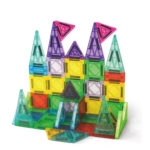
Translucent bricks can create attractive visual effects, especially for:
- Space and science themes
- Decorative elements
- Light-based play concepts
Translucent colors require careful control of pigment concentration and material clarity.
Metallic and Pearl Colors
Metallic or pearl shades can add premium appeal but may:
- Be more difficult to match exactly
- Show more variation under different lighting
- Require special pigments and processing
These colors often have higher cost and may need additional sample rounds.
Pastel and Soft Tones
Pastel colors are popular for:
- Nursery and preschool products
- Gift-oriented sets
- Soft, modern aesthetic ranges
Achieving stable pastel shades in ABS requires precise pigment dosing and high-quality materials.
Glow-in-the-Dark and Color-Change Colors
Specialty colors such as glow-in-the-dark or temperature-sensitive shades are possible but may involve:
- Different material formulations
- Additional testing for safety and durability
- Higher cost and more complex production
Discuss these options early with your manufacturer to understand feasibility and limitations.
How to Specify Custom Colors for Your Building Blocks
To get the best results when requesting custom building block colors, follow these practical steps.
1. Define Your Color Goals
Clarify:
- Which colors you need (brand colors, theme colors, special shades)
- Whether you need exact Pantone matches or “close matches”
- Which parts will use each color (all bricks, specific elements, packaging accents)
- Whether colors need to work across multiple products in your range
2. Provide Clear References
Supply:
- Pantone codes where available
- Physical color swatches or samples
- Existing products in your target color
- Photos under consistent lighting (as supplementary reference)
The more precise your reference, the easier it is to achieve a good match.
3. Understand Material Limitations
Ask the manufacturer:
- Which colors are easy to achieve in ABS
- Which colors may require compromise (for example, certain metallics or fluorescents)
- Whether translucent, opaque, or special effects are feasible for your design
A professional supplier will explain what is realistic rather than promising an exact match that cannot be achieved in plastic.
4. Approve Physical Samples
Always review physical brick samples in the custom color before bulk production.
Check:
- Color under different lighting conditions
- Consistency across different brick shapes
- Surface finish and gloss level
- Comparison to your reference swatch or product
Digital proofs or screen colors are not reliable for final approval.
5. Plan for Repeat Orders
To maintain color consistency over time:
- Keep your own archive of approved color samples
- Record Pantone codes and product references
- Share previous sample bricks when placing repeat orders
- Ask the factory to confirm that new batches match previous production
This helps ensure that your brand colors remain stable across multiple production runs and product launches.
Color Customization for Different Product Types
Custom colors can be applied to various building block products.
Bulk Bags and Assortments
- Create branded color mixes (for example, “brand blue,” “brand grey”)
- Develop theme-based palettes (city, castle, nature, pastel, etc.)
- Use color coding for educational sorting and counting activities
Themed Sets
- Align colors with the theme (for example, ocean blues, desert tans, space greys)
- Use signature colors to differentiate your sets from generic alternatives
- Coordinate colors with packaging artwork for a cohesive look
Educational and STEM Kits
- Use distinct colors for different part types or difficulty levels
- Support classification and pattern activities with color-coded bricks
- Create classroom sets with consistent, recognizable color schemes
Replacement-Part Packs
- Match colors to your existing product range
- Ensure that replacement bricks blend seamlessly with earlier production
- Document colors carefully to avoid mismatches in future orders
Premium and Gift Products
- Use special colors (metallics, pastels, unique shades) to elevate perceived value
- Coordinate colors with premium packaging and branding
- Create limited-edition color variants for promotions or holidays
Common Mistakes to Avoid
When customizing building block colors, avoid these pitfalls.
Relying Only on Digital Colors
Screen colors are not reliable for plastic. Always approve physical samples.
Expecting Exact Pantone Matches in All Cases
Some Pantone shades are difficult or impossible to reproduce exactly in ABS. Work with your supplier to find the closest achievable match.
Ignoring Batch-to-Batch Consistency
Without proper documentation and sample archives, future orders may not match your original color.
Overlooking Lighting Conditions
Colors can look different under natural light, fluorescent light, and LED light. Check samples in realistic conditions.
Forgetting About Translucency and Finish
Opaque, translucent, glossy, and matte finishes can change how a color appears. Specify your desired effect clearly.
Start Your Custom Color Building Blocks Project
Custom building block colors are a powerful way to strengthen your brand, differentiate your products, and create cohesive ranges across multiple SKUs.
You can start with one or two signature colors and expand into themed palettes, special effects, and educational color systems as your brand grows.
At Lione Toys, we support buyers with:
- Custom building block colors matched to brand or theme
- Pantone-based color matching for ABS plastic
- Color trials and sample bricks for approval
- Batch-to-batch color consistency controls
- Custom color mixes for bulk assortments, themed sets, and educational kits
- Documentation and sample archives for repeat orders
Request our custom building block colors guide and sample options to discuss your brand colors, target products, and color-matching requirements.
Visit www.lionetoys.com to explore custom brick colors and building blocks color matching with a China toy manufacturer.