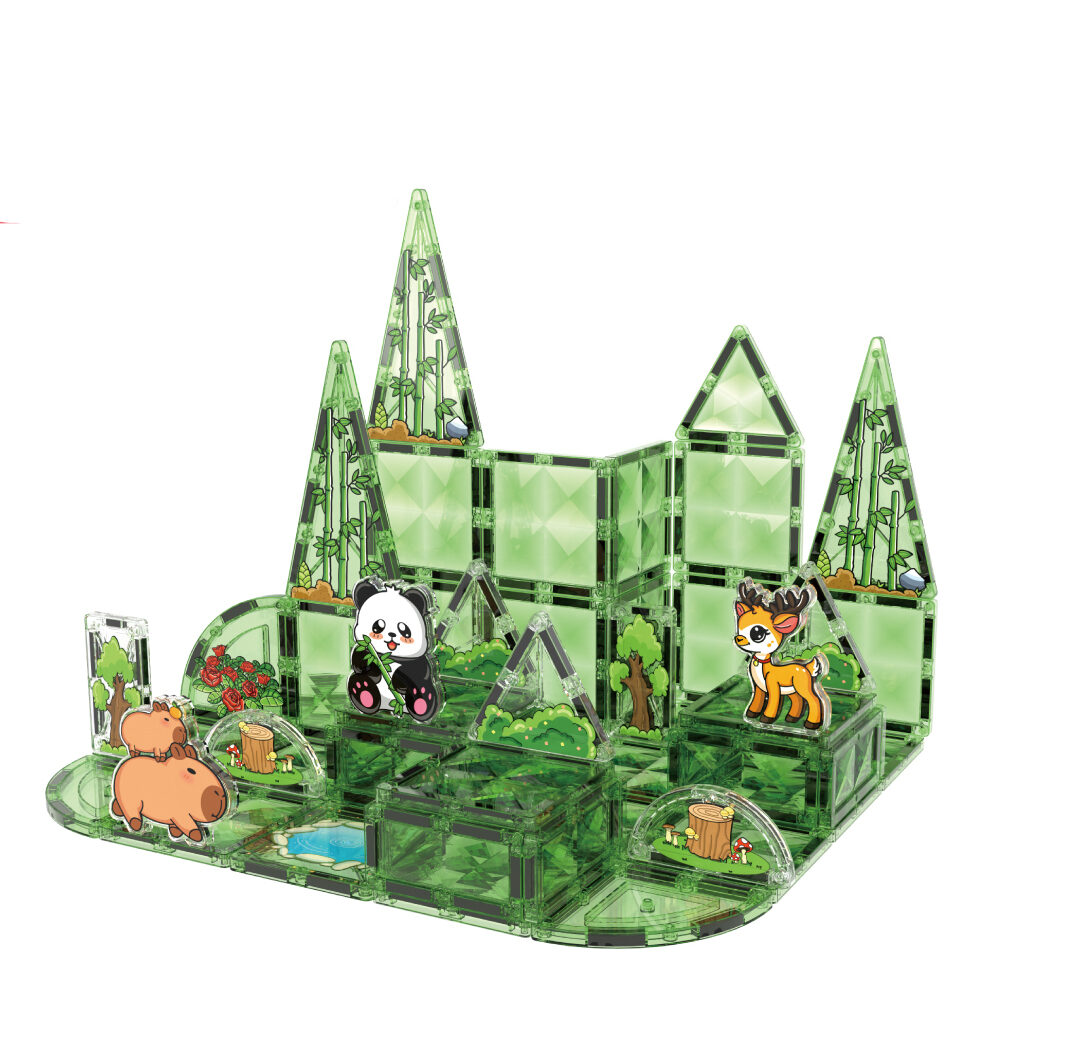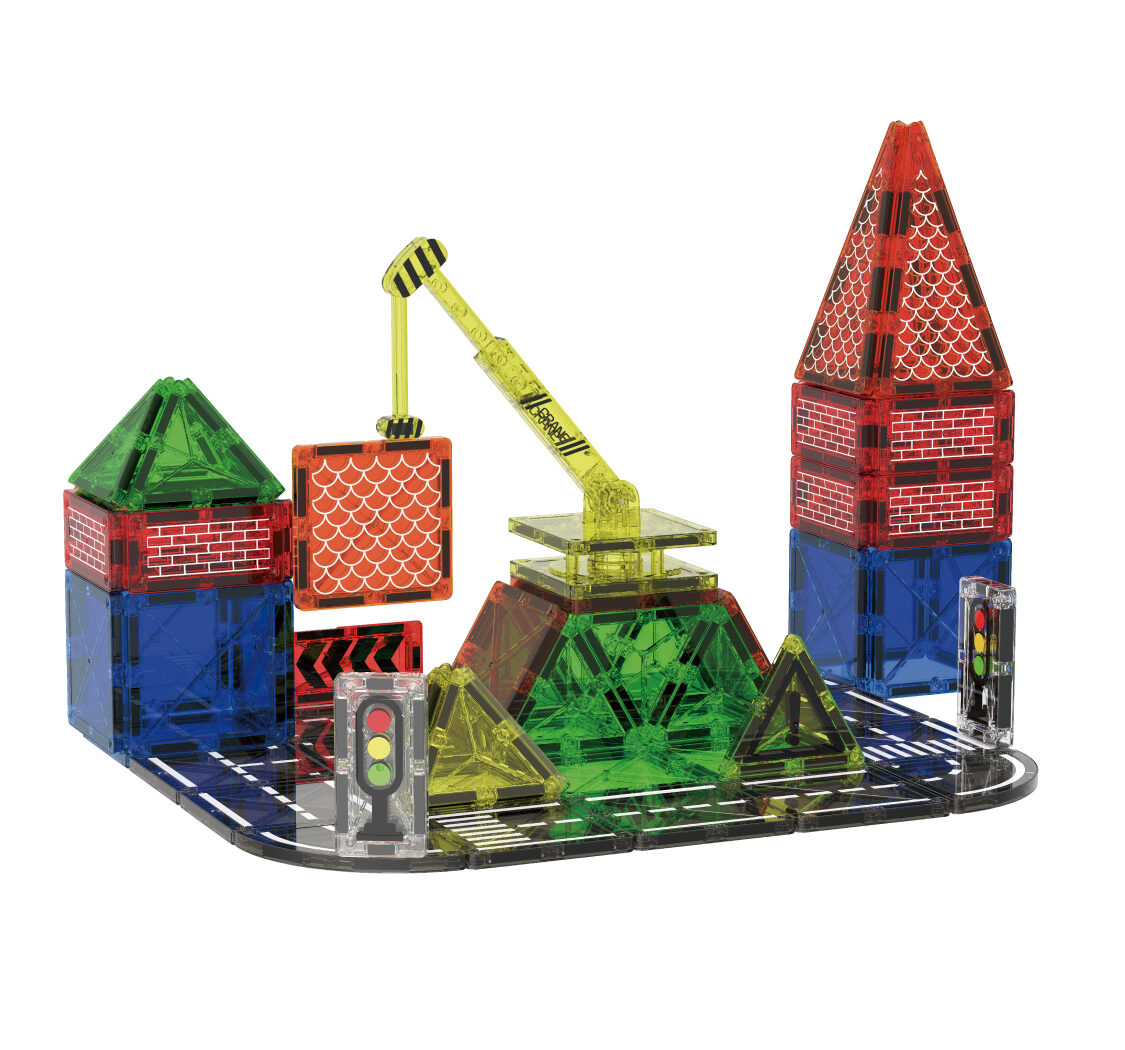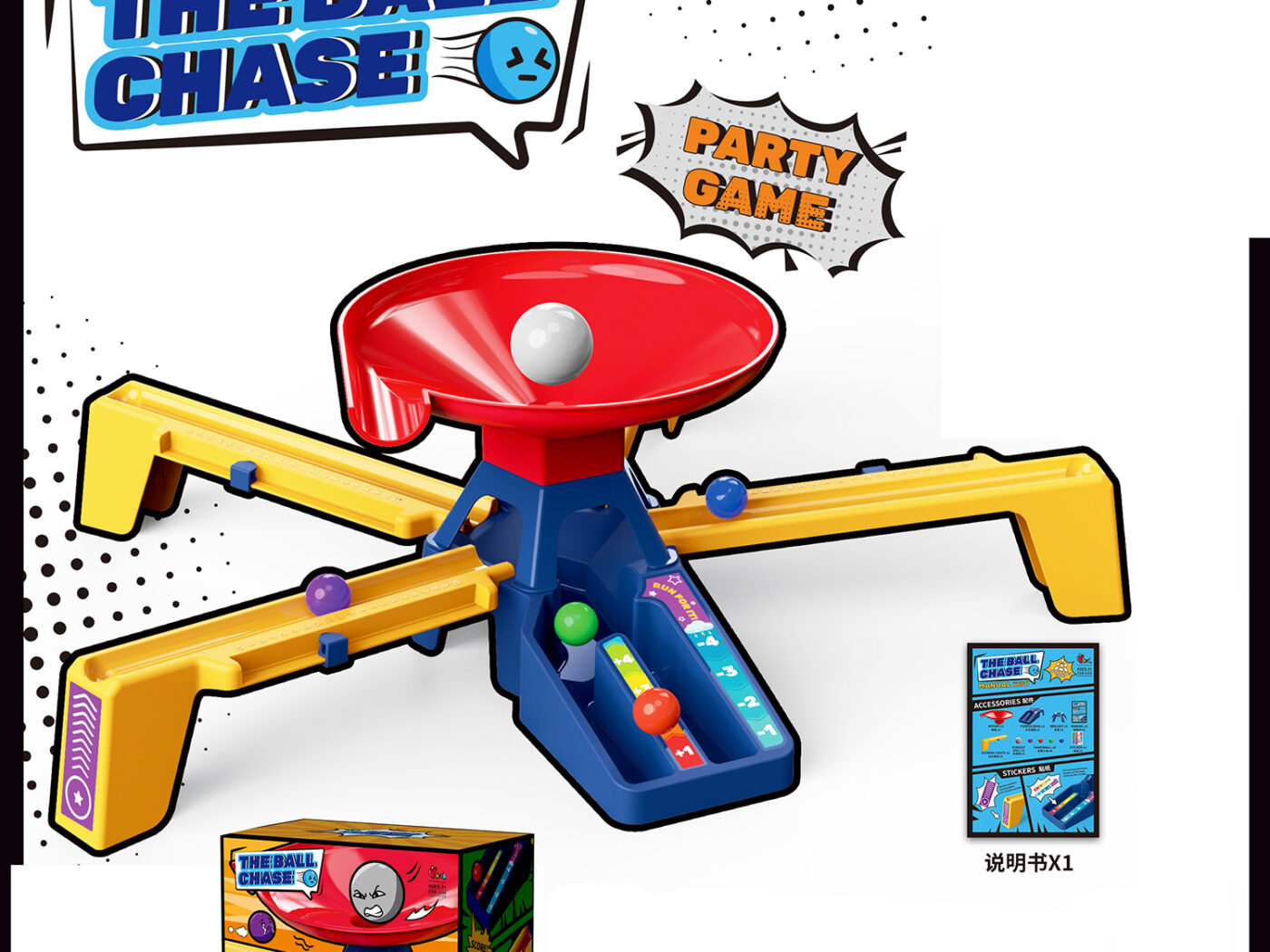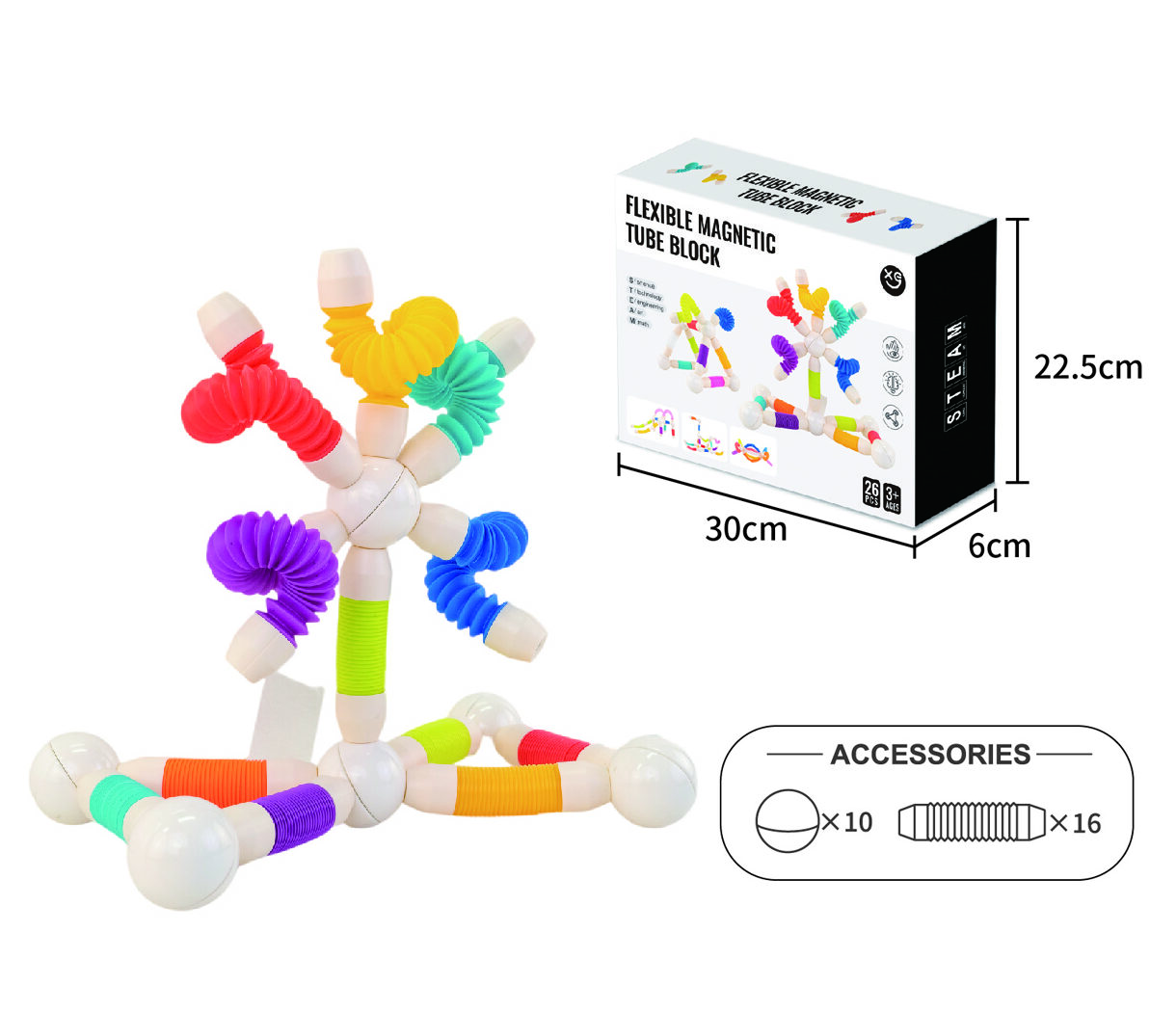
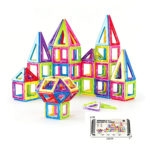
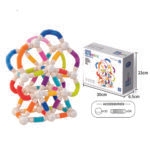
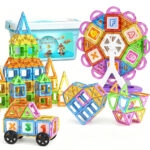
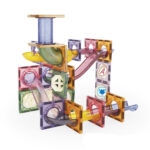
For toy wholesalers, Amazon sellers, private-label brands, and educational suppliers, packaging is often the difference between a commodity product and a branded, retail-ready offer.
Custom building block packaging allows you to:
- Strengthen brand identity
- Improve shelf and online presence
- Control perceived value and price point
- Optimize for retail, e-commerce, or institutional channels
- Differentiate from generic catalog items
This guide explains the main packaging formats for building blocks—boxes, bags, trays, tubs, and private label options—and how to choose the right combination for your market, logistics, and branding goals.
Why Packaging Matters for Building Blocks
Building blocks are inherently modular and often sold in large quantities. Without thoughtful packaging, they can easily appear as “just another bulk brick bag.”
Strategic packaging helps you:
- Communicate product value quickly (piece count, theme, age range, benefits)
- Create a cohesive brand family across multiple SKUs
- Reduce damage and returns with appropriate protection
- Meet retailer or marketplace requirements (labels, barcodes, warnings)
- Support unboxing experience and customer satisfaction
For Amazon and e-commerce sellers, packaging also affects:
- Shipping cost (size and weight)
- Fulfillment compatibility (FBA requirements, drop-test performance)
- Main image quality and conversion rate
- Review ratings related to damaged or poorly presented products
For retailers, packaging influences:
- Shelf impact at 1–3 meters distance
- Clarity of product description and age grading
- Compliance with retailer packaging guidelines
- Ease of handling and stocking
For schools and programs, packaging impacts:
- Storage and organization
- Durability in repeated use
- Ability to sort and access parts easily
Custom packaging is not only about aesthetics. It is a commercial tool.
Main Packaging Formats for Building Blocks
1. Color Boxes (Retail Boxes)
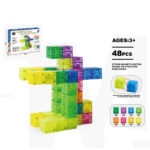
Color boxes are the most common retail-ready packaging for building block sets.
Typical Uses
- Themed building block sets
- Custom sets using existing parts
- Private-label branded products
- Gift-oriented and premium assortments
Advantages
- Strong shelf presence
- Space for detailed product information, images, and branding
- Perceived higher value compared to plain bags
- Suitable for both retail and e-commerce
- Can be optimized for specific channels (toy stores, department stores, online)
Customization Options
- Box size and style (tuck-end, auto-bottom, display-ready, etc.)
- Full-color printed artwork (front, back, sides, top, bottom)
- Brand logo, product name, and theme graphics
- Build examples and play ideas
- Age grading, safety warnings, and compliance information
- Barcode, SKU, and importer details
- Multilingual text for different markets
- Window cutouts to show product (if desired)
Considerations
- Higher cost than plain bags
- More carton volume and weight
- Requires artwork design and print setup
- Needs careful structural design to protect contents during shipping
For Amazon and online sellers, compact, sturdy color boxes that minimize empty space can reduce shipping cost and damage risk.
2. Bulk Polybags
Bulk polybags are simple plastic bags used for loose bricks, replacement parts, and value assortments.
Typical Uses
- Bulk compatible building blocks by weight or piece count
- Replacement-part packs
- Basic brick assortments for schools and play centers
- Low-cost entry products for discount channels
Advantages
- Low cost per unit
- Lightweight and compact
- Fast to produce and pack
- Suitable for large-quantity, price-sensitive products
- Can be combined with outer cartons or display units
Customization Options
- Clear or printed bags
- Simple logo and product information print
- Color-coded bags for different assortments
- Resealable zippers for convenience
- Hole punches for peg display (if appropriate)
- Warning labels and age grading stickers
Considerations
- Lower perceived value than boxes
- Less protection for delicate or specialty parts
- May require outer cartons for shipping and retail display
- Not ideal for premium or gift-oriented products
For Amazon FBA, bags must meet size, suffocation-warning, and labeling requirements. Check marketplace rules before finalizing design.
3. Resealable Branded Bags
Resealable branded bags are an upgraded version of bulk polybags, featuring zip-lock or press-to-close closures and custom printing.
Typical Uses
- Private-label bulk brick ranges
- Build-your-own or pick-and-mix products
- Educational and classroom kits
- Replacement-part programs with repeat purchases
Advantages
- Better perceived value than plain bags
- Convenient storage for customers
- Encourages repeat use and brand visibility
- Suitable for both retail and direct-to-consumer sales
- Can be designed for compact shipping
Customization Options
- Bag size and thickness
- Full-color printing with logo, product name, and graphics
- Clear window areas to show contents
- Resealable zipper type and strength
- Hanging holes or euro-slots for display
- Warning labels, age grading, and compliance text
- Barcode and SKU placement
Considerations
- Higher cost than plain polybags
- Requires quality zippers to avoid failure
- Needs careful design to balance durability and cost
Resealable bags work well for brands that want a step up from basic bulk packaging without the cost and size of full color boxes.
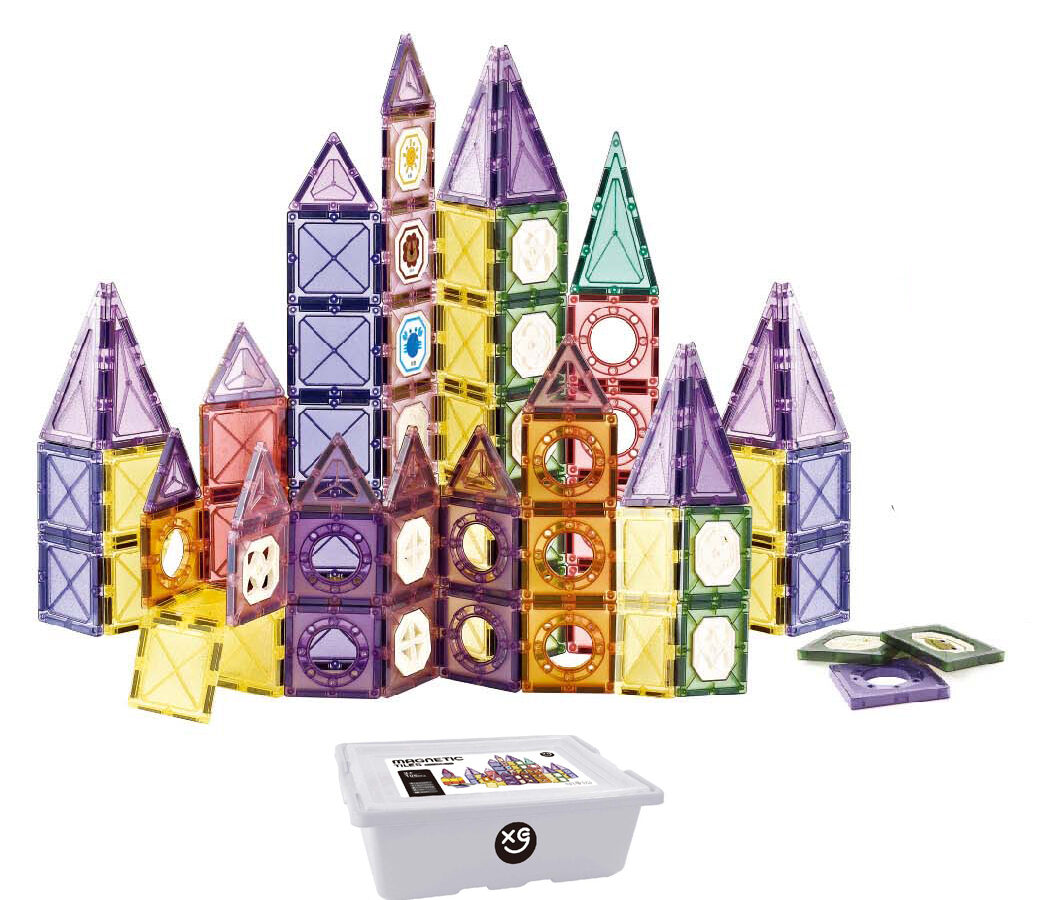
4. Plastic Tubs and Buckets
Plastic tubs and buckets are rigid containers that combine packaging and storage.
Typical Uses
- Large bulk building block sets
- Classroom and educational kits
- Premium family or gift sets
- Products emphasizing storage and organization
Advantages
- High perceived value
- Practical storage solution for customers
- Durable and reusable
- Strong gift and educational appeal
- Can include handles for easy carrying
Customization Options
- Tub size and shape (round, rectangular, etc.)
- Lid color and design
- Printed labels or in-mold decoration
- Logo and brand placement
- Product information and age grading
- Internal dividers or trays (optional)
- Handle color and style
Considerations
- Higher unit cost than bags and many boxes
- More carton volume and weight
- Requires careful design to avoid lid damage in transit
- May need additional inner bags or compartments to organize parts
Tubs and buckets are especially popular for educational buyers and gift-oriented products where storage is a key selling point.
5. Trays and Inserts
Trays and inserts are internal packaging components that organize bricks and protect delicate parts.
Types
- Paperboard trays with compartments
- Plastic molded trays
- Foam or EVA inserts
- Dividers and partition systems
Typical Uses
- Multi-part building sets
- Sets with many small or specialty components
- Premium products requiring organized presentation
- Educational kits with sorted parts
Advantages
- Improves unboxing experience
- Protects delicate or printed parts
- Makes it easier to find specific components
- Enhances perceived quality and organization
- Can support step-by-step building (sorted by stage)
Customization Options
- Tray material and thickness
- Number and size of compartments
- Custom shapes to fit specific parts
- Printed instructions or diagrams on tray surfaces
- Color coordination with brand or theme
Considerations
- Adds cost and weight
- Increases packaging complexity
- Requires careful design to fit parts securely
Trays and inserts are particularly valuable for sets with many small pieces, printed elements, or delicate accessories.
Private Label Building Blocks: Packaging as Brand Identity
Private label building blocks rely heavily on packaging to communicate brand identity and value.
When customers cannot touch the product (for example, on Amazon or in a catalog), packaging becomes the primary signal of quality and differentiation.
Key Elements of Private Label Packaging
1. Consistent Brand System
Use a consistent visual system across all SKUs:
- Logo placement and size
- Color palette and typography
- Icon style (for example, age, piece count, theme icons)
- Layout structure (title, subtitle, key benefits, images)
This helps customers recognize your brand quickly, whether they are browsing a shelf or scrolling through search results.
2. Clear Product Hierarchy
Organize your range so customers can easily understand:
- Entry-level bulk bags
- Mid-range themed sets
- Premium tubs or gift boxes
- Educational or STEM-focused kits
Use packaging cues such as:
- Color bands or badges for different lines
- Clear series names (for example, “Creator Series,” “STEM Builder,” “Preschool Bricks”)
- Consistent piece-count and age-grade presentation
3. Strong Front-Panel Communication
The front of the package should answer key questions in seconds:
- What is this product?
- How many pieces?
- What age group?
- What can I build or do with it?
- Why is this brand different?
Use:
- Clear product name
- Prominent piece count
- Age grading
- One or two hero build images
- Short benefit statements (for example, “Compatible with major brands,” “STEM learning,” “Durable storage tub”)
Avoid clutter. Too many claims, icons, and images can reduce clarity and perceived quality.
4. Informative Back Panel
The back panel can provide more detail:
- Multiple build examples or play ideas
- Parts overview or component highlights
- Educational or STEM benefits
- Safety and compliance information
- Brand story and contact details
- Social media or website links
For private label brands, the back panel is also an opportunity to build trust and encourage repeat purchases.
5. Compliance and Marketplace Requirements
Ensure packaging meets:
- Age grading and warning labels
- Country-of-origin marking
- Importer or distributor information
- Barcode and SKU placement
- Suffocation warnings for polybags
- Retailer-specific packaging guidelines
- Amazon FBA requirements (labeling, box size, drop-test performance, etc.)
Non-compliant packaging can lead to chargebacks, listing removals, or delays at customs.
Packaging for Amazon and E-commerce Sellers
Amazon and other online marketplaces have specific packaging expectations.
Amazon-Focused Considerations
1. FBA Requirements
Check current Amazon FBA rules for:
- Box size and weight limits
- Label placement and scannability
- Polybag suffocation warnings
- Prep requirements (for example, bubble wrap, boxing)
- Restricted packaging materials
Non-compliant shipments can be rejected or incur additional fees.
2. Drop-Test Performance
Packages should protect contents during:
- Warehouse handling
- Sorting and conveyance
- Last-mile delivery
- Customer unboxing
Consider:
- Stronger corrugated board for boxes
- Reinforced corners and edges
- Adequate inner protection (bags, trays, inserts)
- Avoiding excessive empty space
A damaged product often leads to negative reviews, even if the bricks themselves are fine.
3. Compact and Efficient Design
Smaller, well-designed packages can:
- Reduce shipping cost
- Improve storage efficiency in fulfillment centers
- Lower the risk of damage
- Increase margin per unit
For building blocks, optimizing brick assortment and packaging size together can significantly improve landed cost.
4. Main Image and Listing Quality
Packaging design affects:
- Main image clarity and appeal
- Ability to show piece count, theme, and value
- Perceived quality in search results
- Click-through and conversion rates
High-quality packaging photography is as important as the physical package.
Packaging for Retail Channels
For toy stores, department stores, discount retailers, and specialty shops, packaging must work in a physical retail environment.
Retail Packaging Best Practices
- Shelf impact: Design should be readable from 1–3 meters.
- Clear hierarchy: Product type, piece count, age, and theme should be obvious.
- Consistent range look: All SKUs should feel part of the same family.
- Retailer compliance: Follow specific guidelines for labels, barcodes, pallets, and carton marks.
- Ease of handling: Boxes should be easy to stock and not overly fragile.
For discount channels, simple but strong packaging with clear value messaging often performs better than overly complex designs.
Packaging for Educational and Institutional Buyers
Schools, kindergartens, camps, and learning centers have different priorities.
Key Requirements
- Durable storage: Tubs, buckets, or stackable boxes that survive repeated use.
- Organization: Trays, dividers, or inner bags to sort parts by type or color.
- Clear labeling: Age range, piece count, and content description for teachers.
- Practicality: Easy to open, close, and carry; resistant to rough handling.
- Cost efficiency: Reasonable packaging cost relative to product value.
For educational kits, packaging is part of the product experience, not just a container.
Combining Packaging Formats in One Range
Many successful brands use multiple packaging formats to serve different customers and price points.
Example Range Structure
- Entry-level: Bulk polybags or simple printed bags for price-sensitive buyers.
- Mid-range: Color boxes for themed sets and private-label products.
- Premium: Tubs or gift boxes for higher price points and gifting.
- Educational: Durable tubs with trays and sorting systems for schools.
- Replacement parts: Resealable bags with clear part descriptions.
This allows you to:
- Cover multiple channels (discount, retail, online, education)
- Offer different price points without changing core components
- Build a recognizable brand family across formats
Steps to Develop Custom Building Block Packaging
1. Define Your Channel and Position
Clarify:
- Primary sales channel (retail, Amazon, direct, education, etc.)
- Target price point (value, mid, premium)
- Brand positioning (fun, educational, premium, creator-focused, etc.)
2. Choose Packaging Format(s)
Select formats that match your channel:
- Color boxes for retail and branded sets
- Bags for bulk and value products
- Tubs for premium and educational kits
- Trays and inserts for organized, multi-part sets
3. Develop Artwork and Structure
Work with designers to create:
- Box or bag structure (size, style, flaps, etc.)
- Front and back artwork
- Side panels if relevant
- Labels, barcodes, and compliance text
- Internal packaging (bags, trays, inserts)
4. Review Physical Samples
Before bulk production, check:
- Print quality and color accuracy
- Structural strength and closure function
- Fit of bricks and internal components
- Drop-test performance (especially for e-commerce)
- Overall presentation and unboxing experience
5. Plan for Repeat Orders
Keep records of:
- Packaging dielines and artwork files
- Approved print samples
- Material specifications (board grade, bag thickness, etc.)
- Barcode and SKU information
This ensures consistency when you reorder or expand the range.
Start Your Custom Building Block Packaging Project
Custom building block packaging is a strategic tool, not just a container. It shapes how customers perceive your product, how efficiently it ships, and how strongly your brand stands out in a competitive market.
At Lione Toys, we support buyers with:
- Custom building block packaging in boxes, bags, trays, tubs, and private label formats
- Retail-ready and e-commerce-optimized packaging solutions
- Branded bulk bags, color boxes, and storage tubs
- Internal organization with trays, dividers, and sorted bags
- Compliance-aware labeling and warning text for target markets
- Coordination with brick assortments, colors, and instructions
Request our custom building block packaging options guide and discuss your channel, brand positioning, and packaging requirements.
Visit www.lionetoys.com to explore private label building blocks and custom brick packaging solutions with a China toy manufacturer.