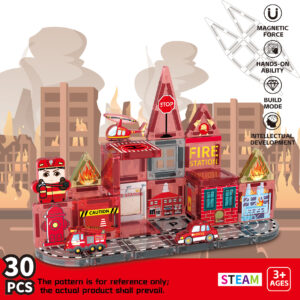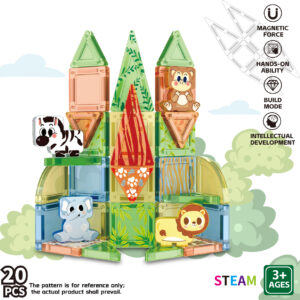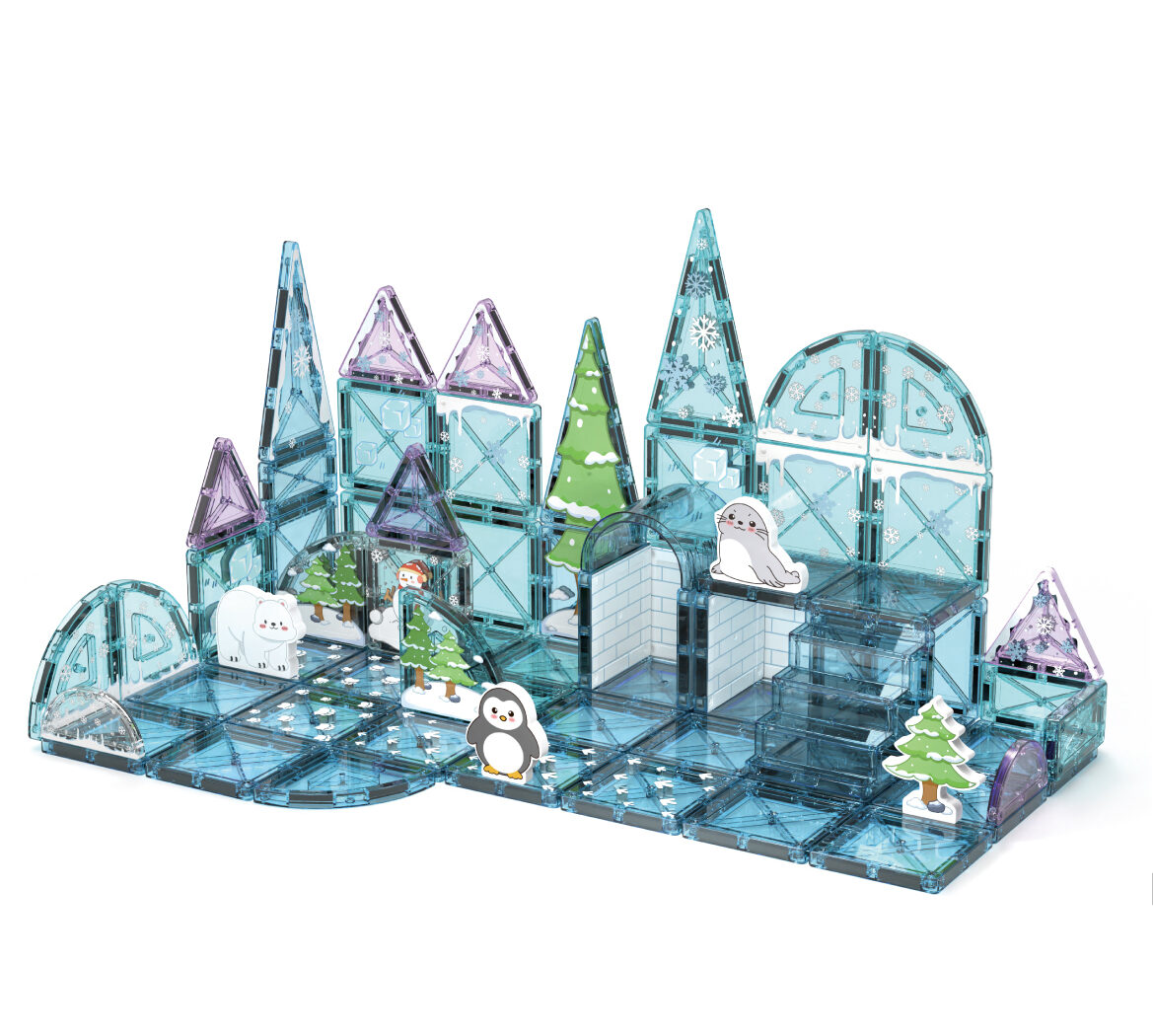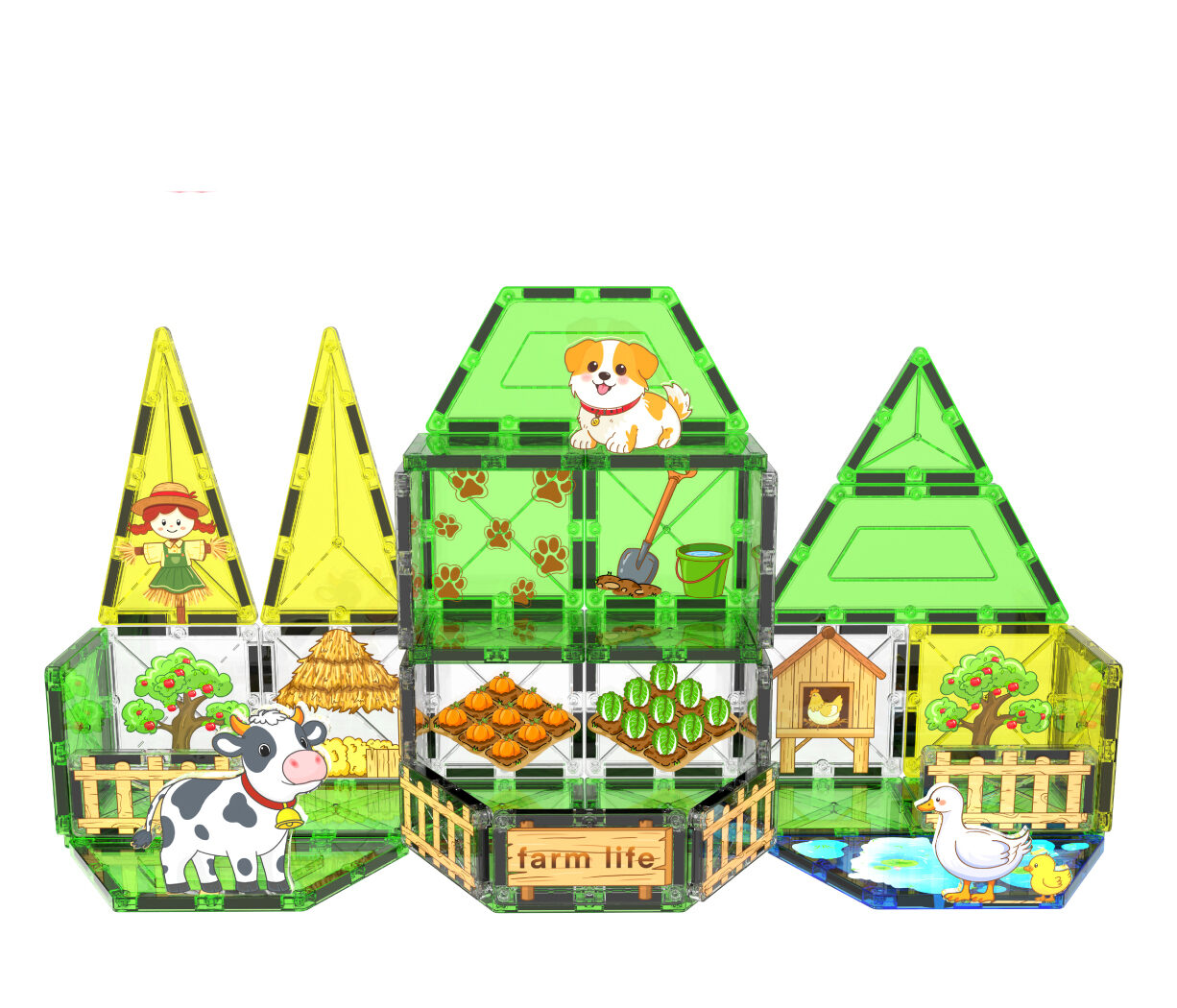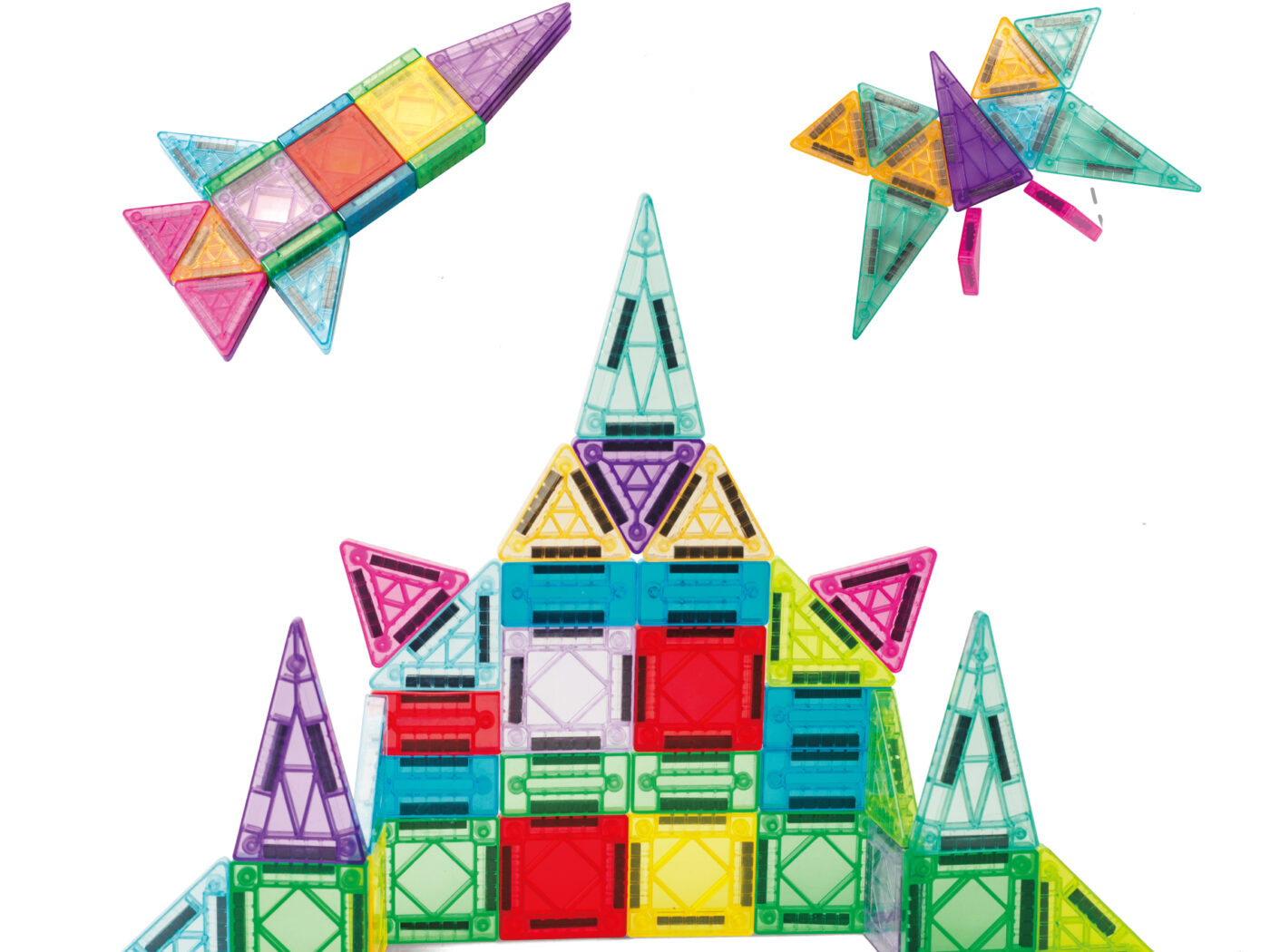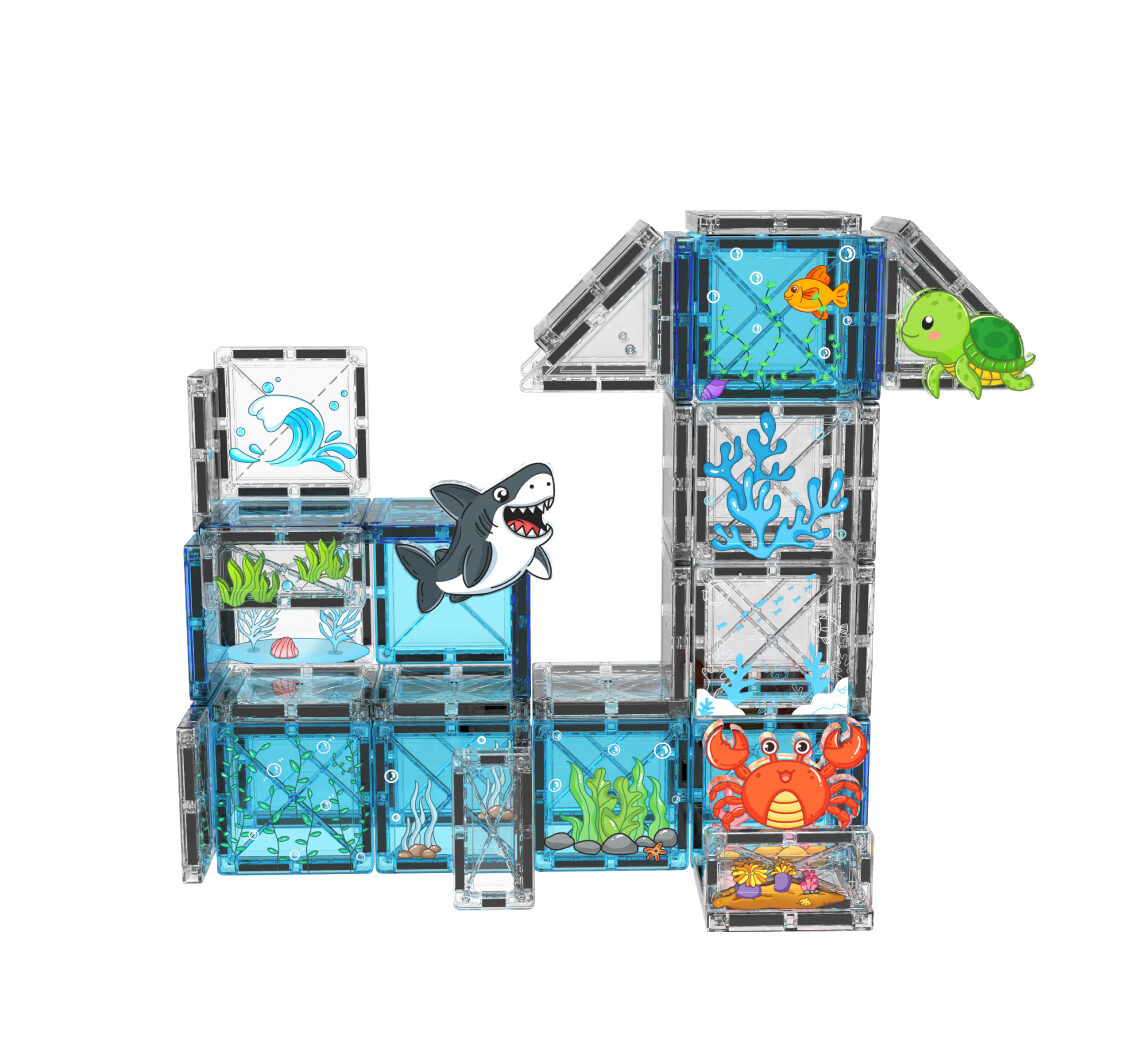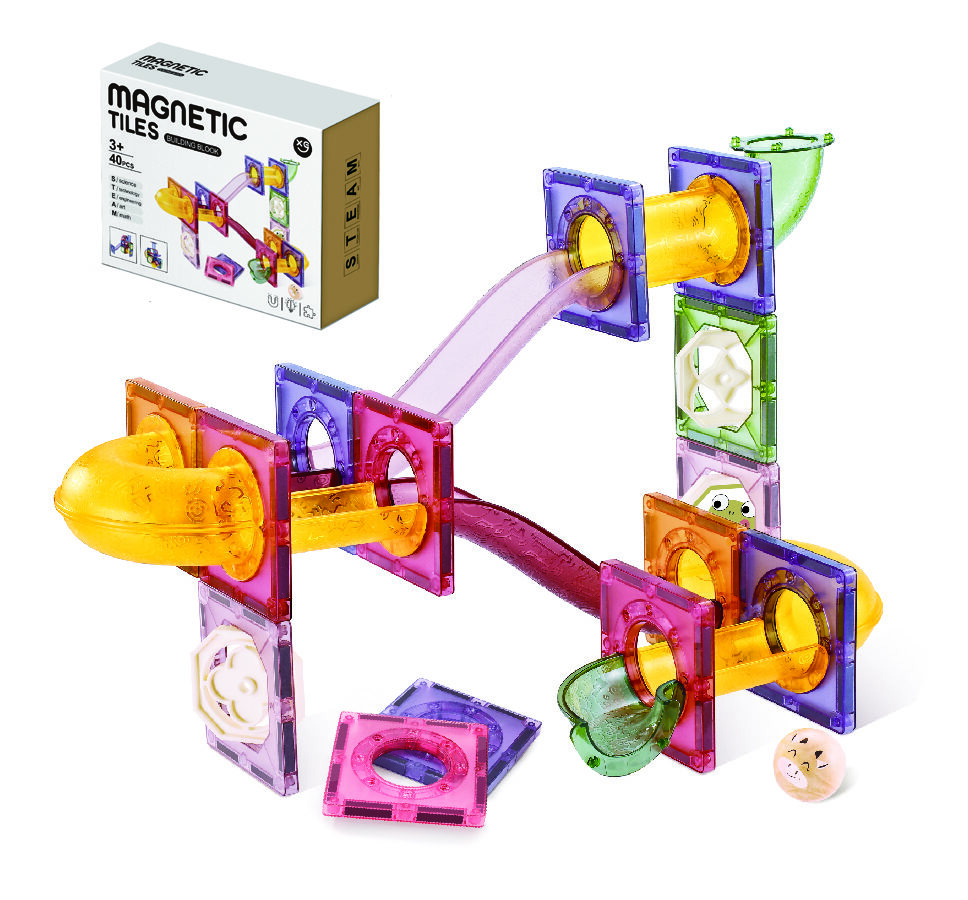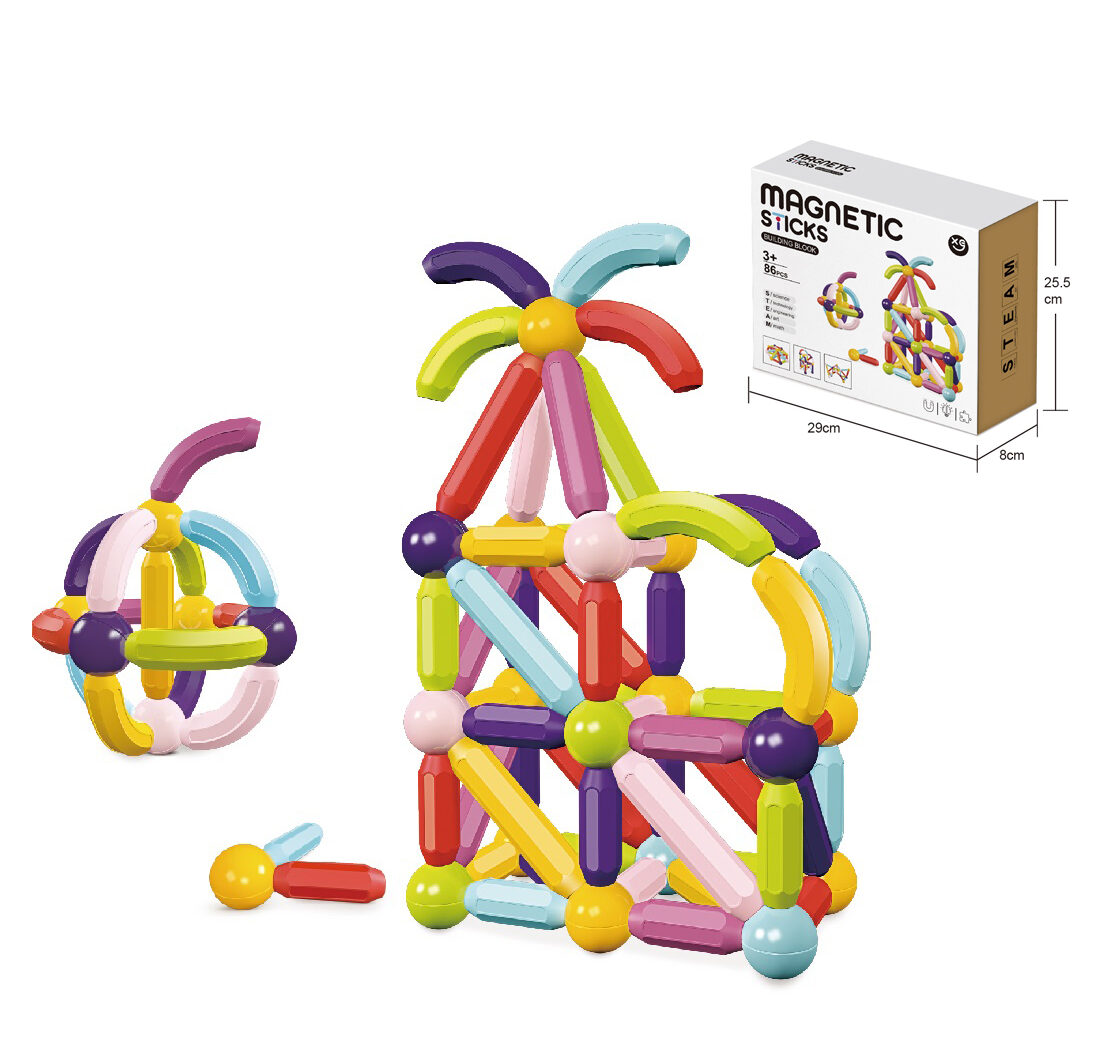
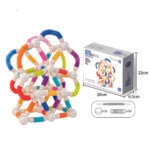
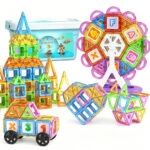
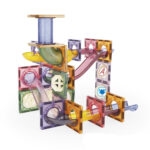
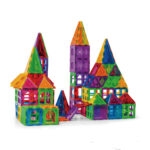
A child does not always want to “learn STEM.” Sometimes the child wants to build a castle for a queen, rescue a lost animal, or protect a farm from a storm.
That is exactly why themed magnetic building tiles are so effective. They give children a reason to build.
For toy retailers and educational distributors, this matters. Parents may be looking for creativity, problem-solving, and screen-free play, but children usually choose a product because the story feels exciting.
Animal and castle magnetic building tiles bring these two needs together. They offer imaginative play on the surface, while supporting early construction, spatial thinking, and communication underneath.
For B2B buyers, they can also help fill an important market gap: products that are educational without feeling too formal.
Why Story-Based Construction Works
A plain set of geometric tiles allows children to build many things, but younger children may not know where to begin.
A themed set provides a simple invitation:
- Build a home for the animals.
- Create a castle tower.
- Make a bridge over the river.
- Design a safe animal shelter.
- Build a gate strong enough to protect the castle.
- Create a rescue center for injured animals.
Once the child begins, the activity can become more open-ended.
The castle may need a larger wall. The animal shelter may need a roof. The bridge may need to support a vehicle. The story creates a practical reason to solve a construction problem.
This is especially useful in early childhood education, where children learn through active play rather than long explanations.
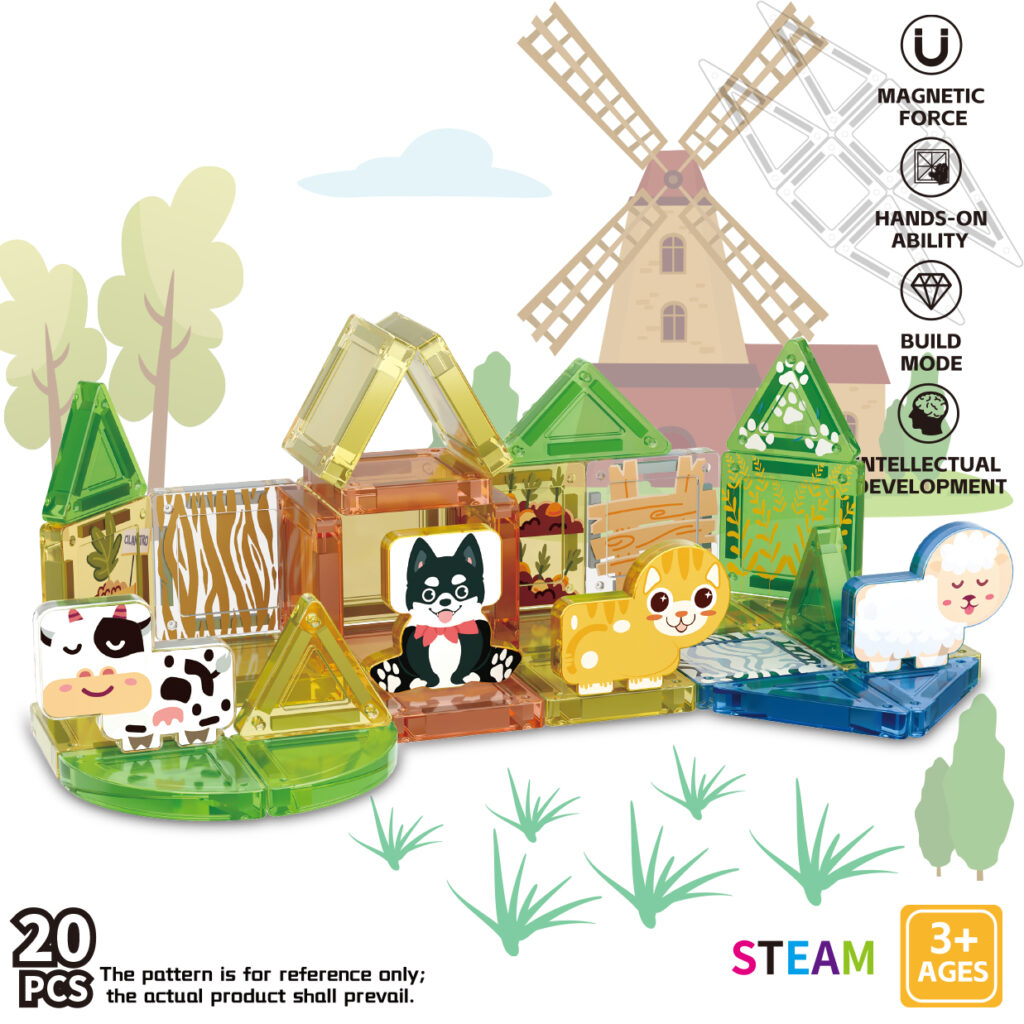
Animal Themes: More Than Cute Characters
Animal-themed magnetic building tiles are often introduced as preschool products, but the theme can support a wide range of learning levels.
Farm and animal care
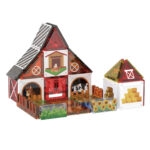
A farm set can include barns, fences, feeding areas, tractors, and animals. Children can build the farm and then organize the environment.
Possible learning activities include:
- Which animals live in the barn?
- Where should the fence go?
- How can we make a larger shelter?
- What happens if the entrance is too narrow?
- How many animals can fit inside?
The play naturally introduces sorting, counting, planning, and simple problem-solving.
Jungle and habitat building
A jungle theme can include trees, shelters, bridges, rivers, and animals. Children can create different habitats and decide where each animal belongs.
This gives teachers and parents a way to introduce:
- Habitat.
- Environment.
- Food chains at a very basic level.
- Animal movement.
- Protection and care.
- Differences between land and water.
The key is not to overload the product with complicated facts. A few well-designed prompt cards can create many conversations.
Ocean and underwater worlds
Ocean themes work well with blue transparent tiles, boats, underwater creatures, research stations, and coral-inspired structures.
Children can build:
- A marine research station.
- An underwater tunnel.
- A rescue center.
- A submarine base.
- A sea animal habitat.
This gives a retailer an attractive visual product with clear educational possibilities.
Animal rescue and veterinary play
Animal rescue is a strong option for combining construction and role play. Children can build a rescue center, animal clinic, transport vehicle, and treatment area.
This theme may appeal to parents because it encourages empathy and care. It also provides a natural way to introduce community roles and responsibility.
Castle Themes: Imagination With Structure
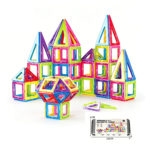
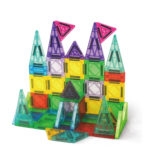
Castle magnetic building tiles have a different emotional appeal. They are dramatic, visual, and easy to turn into stories.
A child may build a castle in one way today and completely redesign it tomorrow. The same pieces can become:
- A royal palace.
- A mountain fortress.
- A dragon’s tower.
- A fairy village.
- A medieval town.
- A magical school.
- A castle under attack.
This flexibility is valuable for retailers because the product is not limited to one finished model.
The STEM value of castle building
Castle construction may look like fantasy play, but it involves real design decisions.
Children learn through questions such as:
- How wide should the base be?
- How tall can the tower become?
- Where should the gate be placed?
- How can the wall stay balanced?
- What shape makes the roof stronger?
- How can the bridge connect two sections?
The product does not need to use complicated scientific language. The learning happens through building, testing, failure, and improvement.
For education-focused buyers, this can be described as:
- Spatial reasoning.
- Structural thinking.
- Creative problem-solving.
- Fine motor development.
- Collaborative play.
- Story-based communication.
Why These Themes Work for B2B Retail
They are easy to explain
A buyer or shopper can understand an animal set or castle set in a few seconds. This is helpful for physical retail shelves and online product pages.
They create stronger visual merchandising
A collection of green animal habitat boxes or colorful castle sets can create a clear themed display.
They support different price points
A small set can include basic shapes and a few accessories. A larger set can add more tiles, figures, bridges, towers, and special components.
They encourage repeat buying
Expansion packs can be developed around:
- Farm animals.
- Jungle animals.
- Ocean animals.
- Castle towers.
- Bridges and gates.
- Royal rooms.
- Fantasy accessories.
They suit gift occasions
Animal and castle sets work well for birthdays, Christmas, classroom rewards, and holiday promotions.
Product Design Tips for Buyers
When reviewing an animal or castle magnetic building tile range, buyers should consider the complete play experience.
Make the theme visible in the first five seconds
The package should clearly show what the child can build. Do not hide the key models behind too much text.
Use accessories carefully
Figures, animals, flags, wheels, windows, and doors can make the set more engaging. However, accessories should support the construction system rather than make the product feel like a separate figurine toy.
Offer several build examples
A product should show multiple models, not only one large finished structure. This communicates value and encourages parents to imagine future play.
Add challenge prompts
Short cards can ask children to:
- Build a shelter for three animals.
- Make the highest castle tower.
- Build a bridge between two towers.
- Design a gate that opens and closes.
- Create a safe animal hospital.
These prompts help children move from passive imitation to active problem-solving.
Plan for expansion
A strong product range should allow buyers to add complementary SKUs later. The first set should make sense on its own but also connect naturally with future products.
What Retail Buyers Expect From Suppliers
For European and North American buyers, design appeal must be supported by reliable supply and documentation.
Important questions include:
- Is the magnet securely enclosed?
- Has the product been tested for foreseeable use?
- Does the product have suitable age grading?
- Are small parts and warnings clearly identified?
- Can packaging be adapted for local markets?
- Are English, French, German, Spanish, or other language versions available?
- Can the supplier provide product images and videos?
- Is there a replacement parts process?
- Can the supplier support repeat orders during the holiday season?
- Are test documents available for the specific SKU?
Magnetic products require careful safety control. In the United States, magnetic toy rules include requirements related to construction, magnet accessibility, and warnings. In Europe, buyers need to verify applicable CE and EN 71 requirements for each product. Recent safety notices involving magnetic toys show why buyers should review the complete compliance file rather than rely only on a general certificate.cpsc+2
Europe is also moving toward stronger toy safety and digital product information requirements. The new EU Toy Safety Regulation entered into force on January 1, 2026, although the wider application timeline includes a transition period.eurofins+1
How Lione Toys Helps Build a Themed Range
Lione Toys works with international buyers looking for magnetic construction toys and educational products that can be developed for different retail channels.
For animal and castle collections, we can support:
- Theme-based product development.
- Different piece counts and price levels.
- Custom colors and accessories.
- Retail packaging and private-label solutions.
- Product catalogs and English sales materials.
- STEM activity cards and construction prompts.
- Sample development.
- Quality and shipment coordination.
- Export documentation support.
The best product range usually starts with a simple question:
What story will make a child want to build?
From there, the product can be developed around play value, educational value, packaging, safety, and retail needs.
To discuss animal, castle, or other themed magnetic building tiles, visit www.lionetoys.com.
FAQ
Are animal magnetic building tiles only suitable for preschool children?
No. Basic animal sets may be suitable for younger children, while more advanced habitat, rescue, or environmental sets can be developed for older children. The final age range depends on the product design, components, and safety evaluation.
Can castle magnetic building tiles be used in classrooms?
Yes. They can be used for activities involving structures, balance, storytelling, collaboration, and problem-solving. Schools may prefer larger classroom packs with more pieces, storage solutions, activity cards, and replacement parts.
Do these products support Montessori or open-ended learning?
They can support open-ended and hands-on learning. However, buyers should use precise product claims and avoid presenting the product as officially Montessori-certified unless the product has undergone the relevant evaluation or certification process.
Can animal and castle themes be combined with STEM activities?
Yes. Examples include building a stable animal shelter, designing a bridge to a castle, constructing a tall tower, or creating a secure gate. These activities connect imaginative play with practical construction challenges.
What packaging works best for these products?
Packaging should show the theme immediately, display several possible models, clearly state the piece count and age range, and explain the main educational or play benefits. A window box, open-front box, or high-quality product photography can help depending on the retail channel.
Can Lione Toys provide custom packaging?
Lione Toys can discuss private-label packaging, selected colors, accessories, printed materials, and product combinations according to the buyer’s requirements. MOQ, sampling, artwork approval, and lead time should be confirmed for each project.