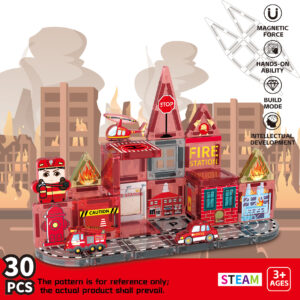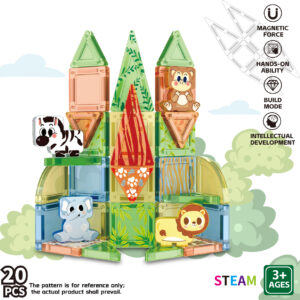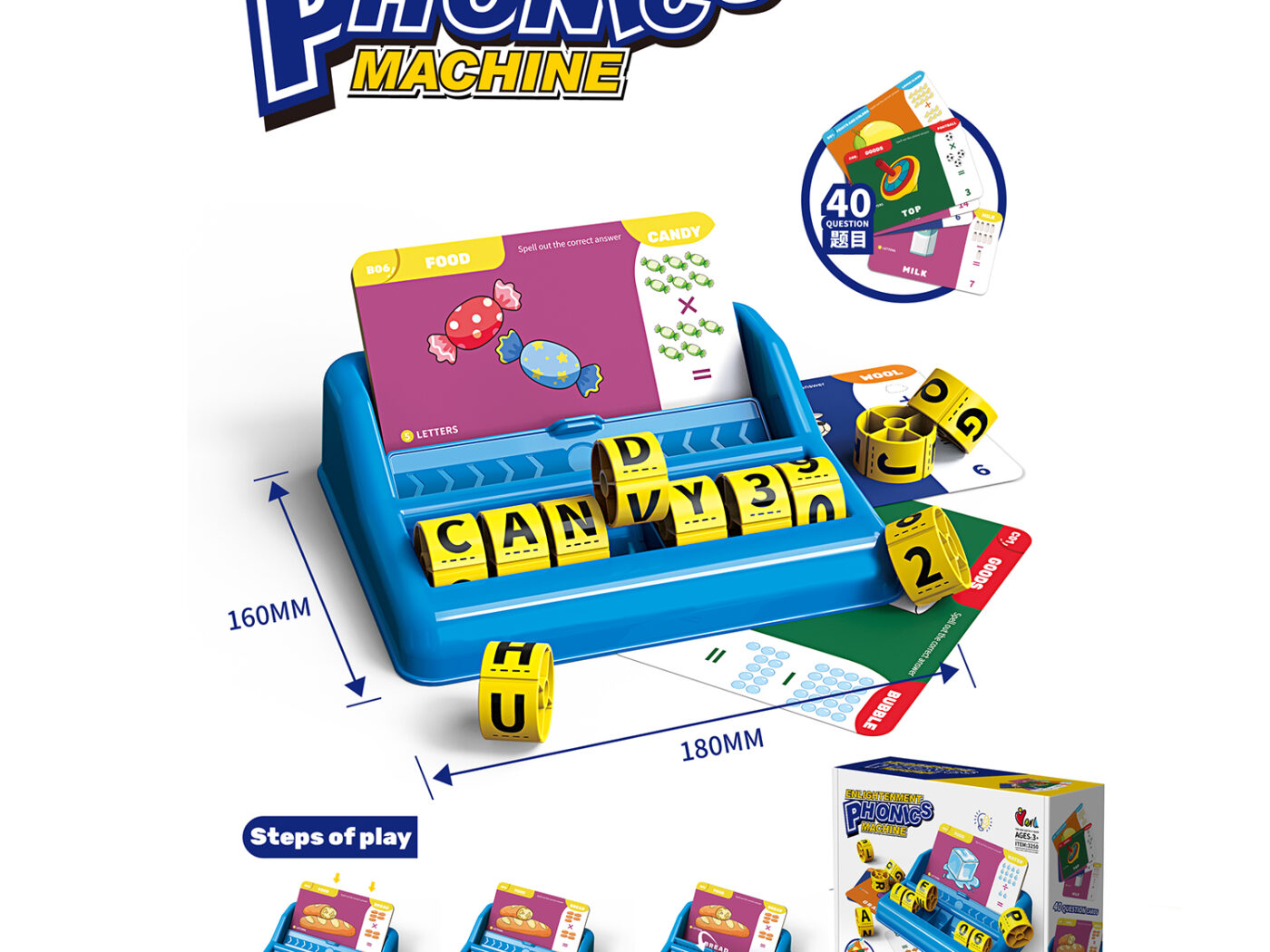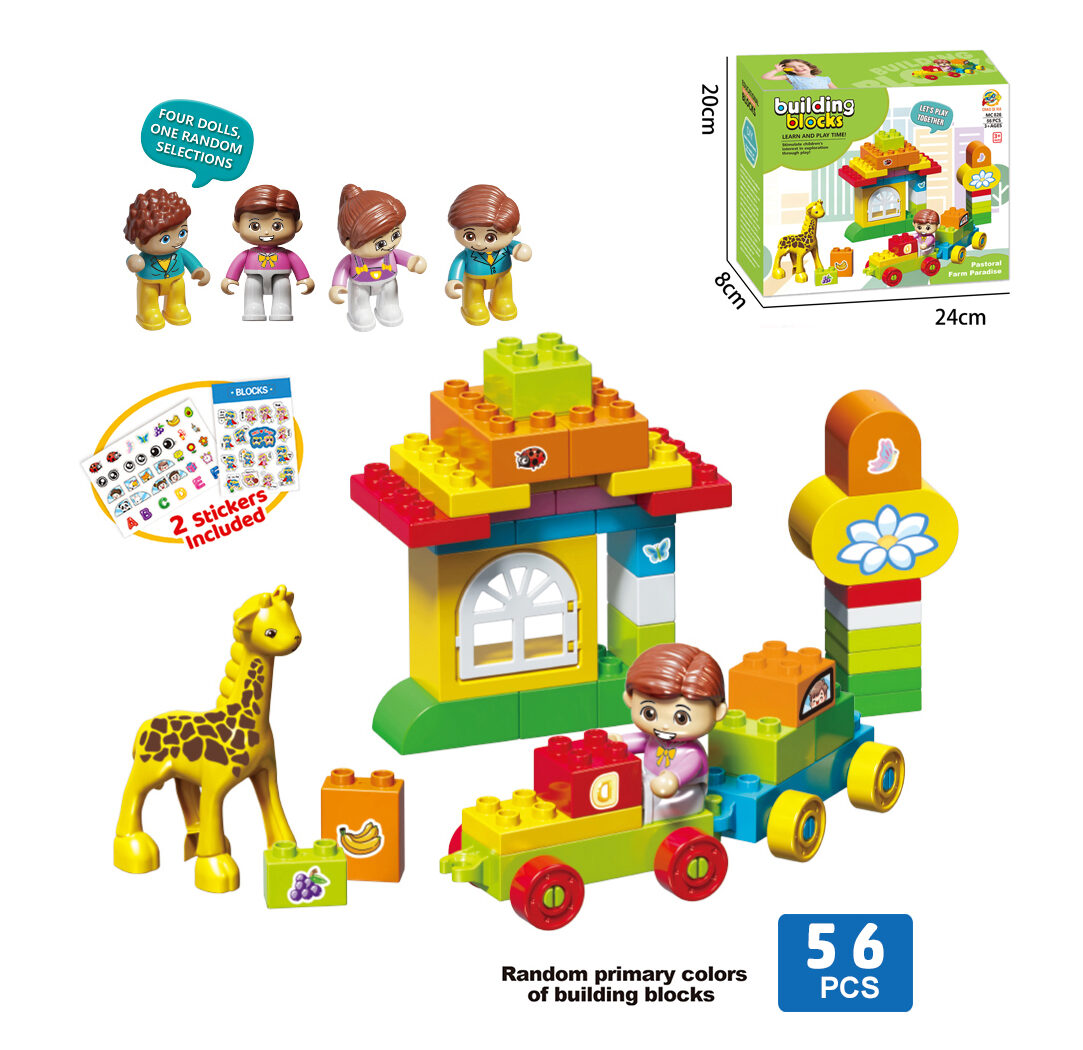




In international trade, there is a dangerous misconception: many buyers believe that the “FOB price” listed on a quotation sheet represents their actual cost. In reality, successful toy distributors look at a completely different metric—Total Cost of Ownership (TCO).
TCO includes every single dollar spent to get a product from the factory floor onto a retail shelf or into an e-commerce fulfillment center.
This encompasses hidden factors like sourcing agent markups, defect rates, inefficient packaging sizes that waste container space, and rigid Minimum Order Quantities (MOQs) that lock up your cash flow.
For building block importers aiming to maximize their profit margins, optimizing these hidden variables is the fastest way to outperform the competition. Let’s break down exactly how to structure your procurement to extract maximum financial efficiency.
1. Eliminate the Middleman: Sourcing Directly from the Factory Floor
Many toy buyers unknowingly purchase from trading companies or third-party sourcing agents masquerading as direct manufacturers. While trading companies offer convenience, they add a substantial markup (frequently 10% to 25%) to every single unit.
[Trading Company Sourcing]: Factory ➔ Trader Markup ➔ Agent Fee ➔ Importer (Low Margins)
[Direct Factory Sourcing]:  Factory ───────────────────────────➔ Importer (Maximum Margins)
By establishing a direct relationship with an actual manufacturing asset, you don’t just save on the unit cost; you also secure a direct line of communication with the engineers who build your products. If a quality issue or a modification request arises, it is resolved instantly, eliminating the telephone-game delays inherent to trading intermediaries.
2. Navigating the MOQ Challenge: Protecting Cash Flow and Testing Markets
A massive pain point for growing toy brands is the rigid, sky-high MOQs demanded by massive factories. Being forced to order 10,000 units of a single, unproven toy design creates extreme financial risk and clogs warehouses with stagnant inventory.
Modern, agile manufacturers solve this problem by offering structured, flexible MOQs tailored to the importer’s growth stage:
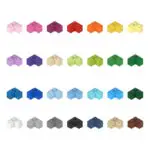
- Low-Risk Market Testing: Allowing lower initial order volumes for standard, cataloged building sets. This lets you list the item, gauge consumer interest, and collect data before committing major capital.
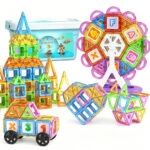
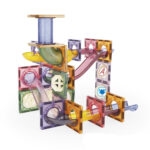
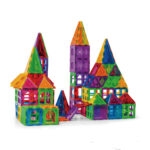
- Multi-SKU Container Consolidation (LCL/FCL): Instead of requiring 5,000 units of one design, an adaptive partner allows you to mix and match multiple SKUs (e.g., 1,000 space sets, 1,000 castle sets, 1,000 car sets) into a single consolidated Full Container Load (FCL). This keeps your product catalog diverse while unlocking the lower shipping rates of ocean freight.
3. The Hidden Margins: Defect Rates and Packaging Efficiency
Two factors often ignored during price negotiations can quietly destroy your profitability:
The Defect and Missing Piece Rate
In the building block world, a missing piece is a disaster. If a consumer opens a 500-piece set and discovers a vital brick is missing, they will return the entire product, leave a 1-star review, and cost you money. High-end factories utilize automated, high-precision weighing systems during the bagging process. Each bag is weighed down to the fraction of a gram; if a single tiny brick is missing, the conveyor automatically rejects the bag. This drops defect rates below 0.05%, preserving your brand integrity.
Volumetric Packaging Optimization
Ocean freight is priced by volume (CBM – Cubic Meters). If a toy box contains 70% empty air, you are essentially paying thousands of dollars to ship Chinese air across the ocean. Advanced manufacturers design their retail packaging to be ultra-compact, matching the layout of the internal block bags perfectly. This optimization allows you to fit thousands of additional units into a single 40HQ container, significantly lowering your per-unit landed cost.
Conclusion: Engineering Profitability into Your Supply Chain
Sustainable profitability is rarely achieved by simply forcing a factory to lower its quality to save two cents on a brick. It is achieved by optimizing your entire operational flow—slashing defects, consolidating freight, avoiding middleman markups, and utilizing smart, flexible ordering structures.
If you are ready to move past basic quotes and design a highly optimized, high-margin procurement strategy direct from a primary manufacturing source, explore our competitive direct pricing and flexible MOQ solutions at www.lionetoys.com.