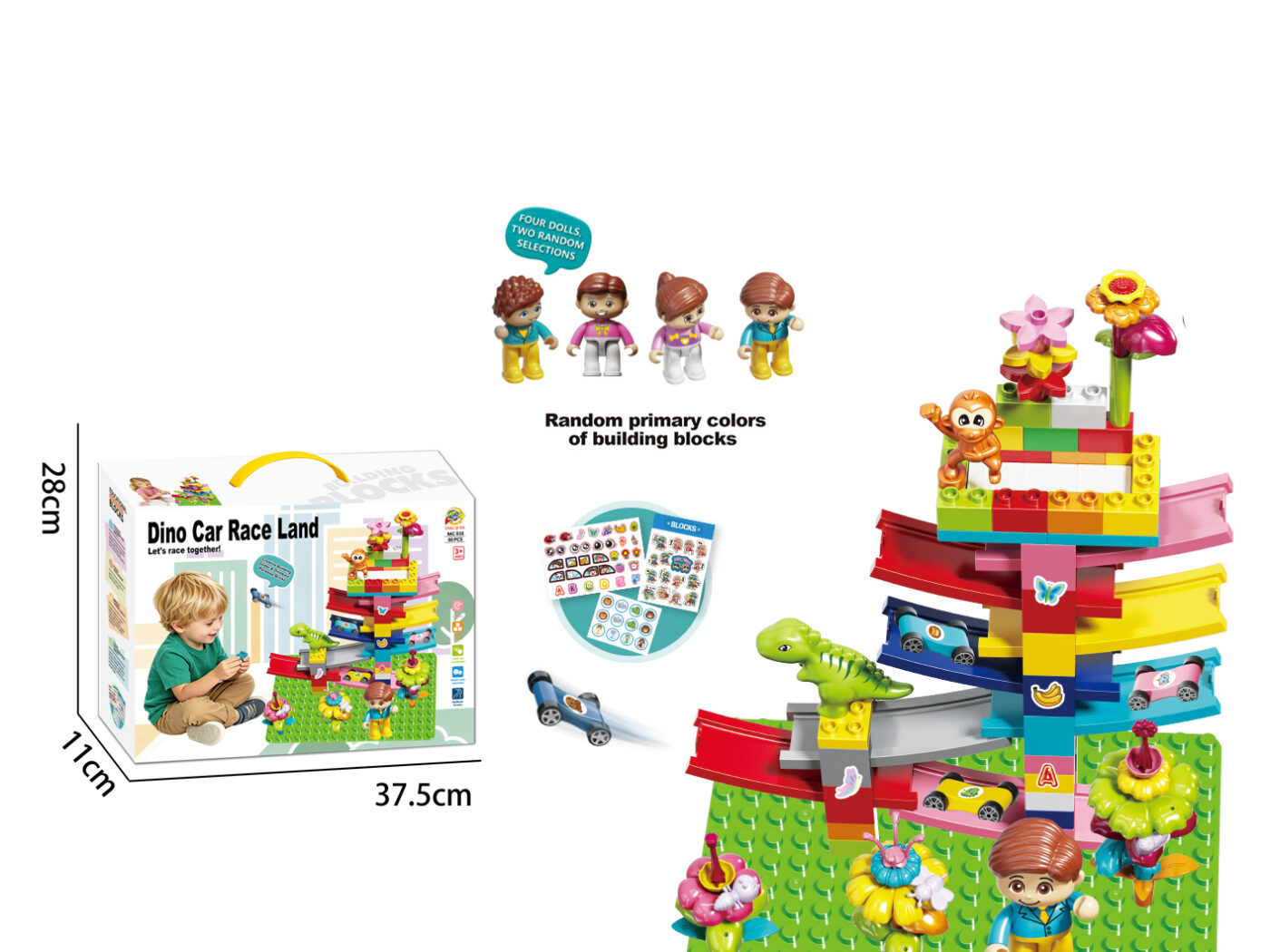
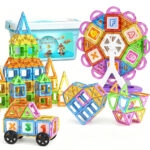
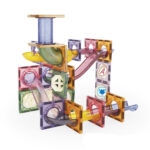
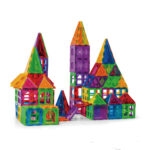
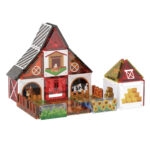
For toy wholesalers, importers, distributors, and private-label brands, “OEM” and “ODM” are common terms when discussing custom building blocks. But many buyers are not entirely clear on what each model means in practice—or which one fits their business stage, budget, and product strategy.
The short version:
- OEM (Original Equipment Manufacturer) usually means you design the product concept, and the factory manufactures it to your specifications, often using new or customized molds.
- ODM (Original Design Manufacturer) usually means the factory provides existing designs and products, and you customize branding, packaging, colors, and selected components.
Both models can produce high-quality building blocks. The key is choosing the one that matches your goals, resources, and timeline.
This guide compares OEM and ODM building blocks across design responsibility, mold ownership, development cost, MOQ, customization level, and development time—so you can decide which model is right for your brand.
What Is OEM for Building Blocks?
OEM building blocks typically refer to a model where the buyer drives the product design and specifications, and the manufacturer produces the product according to those requirements.
In an OEM project, the buyer may:
- Define the product concept and target customer
- Specify brick shapes, parts mix, and color ratios
- Request new or modified molds for exclusive components
- Provide or approve artwork for packaging and instructions
- Set quality standards and testing requirements
- Own the molds (depending on the agreement)
OEM is often chosen by brands that want:
- Unique product features not available in standard catalogs
- Exclusive components that competitors cannot easily copy
- Full control over design, parts, and packaging
- A long-term product line with consistent identity
Typical OEM Scenarios for Building Blocks
- Developing a new themed set with unique parts
- Creating exclusive molded components for a flagship product
- Designing a custom educational or STEM kit with specialized elements
- Building a private-label range with distinct brick shapes or accessories
- Launching a brand-specific color system and parts architecture
OEM projects usually involve higher development cost and longer timelines because they may include new mold design, prototyping, testing, and multiple sample rounds.
What Is ODM for Building Blocks?
ODM building blocks typically refer to a model where the manufacturer provides existing product designs, and the buyer customizes branding, packaging, colors, and selected components.
In an ODM project, the buyer may:
- Choose from existing building block sets or parts assortments
- Customize color ratios within available options
- Add logo and brand identity to packaging and instructions
- Modify packaging format (bag, box, tub, bucket)
- Adjust parts mix using existing components
- Request minor adaptations using existing molds
ODM is often chosen by brands that want to:
- Launch products faster with lower development risk
- Test a new category or market without heavy upfront investment
- Create a private-label range using proven designs
- Focus on branding, marketing, and sales rather than product engineering
- Keep development cost and MOQ relatively manageable
Typical ODM Scenarios for Building Blocks
- Selecting an existing compatible building block set and adding your logo
- Creating a branded bulk bag using standard bricks and plates
- Customizing packaging and colors for an existing themed set
- Developing a school or STEM kit using existing components with a custom parts mix
- Launching multiple SKUs quickly by adapting catalog products
ODM projects usually have lower development cost and shorter timelines because they rely on existing molds and proven designs.
OEM vs ODM: Side-by-Side Comparison
The table below summarizes the main differences between OEM and ODM building blocks from a buyer’s perspective.
| Aspect | OEM Building Blocks | ODM Building Blocks |
|---|---|---|
| Design responsibility | Buyer-led design and specification | Factory-provided existing designs |
| Who defines the product? | Customer (brand owner) | Factory, with customer customization |
| Mold situation | New or customized molds often required | Existing molds used; minor adaptations possible |
| Mold ownership | Often owned by buyer (subject to agreement) | Usually owned by factory |
| Development cost | Higher (design, molds, samples, testing) | Lower (mainly packaging, colors, branding) |
| MOQ (minimum order quantity) | Usually higher to justify tooling and setup | Usually lower, based on existing products |
| Customization level | High (unique parts, colors, packaging, instructions) | Medium (colors, packaging, branding, parts mix within existing options) |
| Development time | Longer (design, molds, samples, revisions) | Shorter (selection, customization, samples) |
| Best for | Established brands, exclusive products, long-term lines | New brands, market testing, fast launches, cost-sensitive projects |
| Risk level | Higher upfront investment and complexity | Lower upfront investment and complexity |
This comparison shows that OEM and ODM are not “better” or “worse.” They serve different business needs.
Design: Who Leads the Product Concept?
OEM: Buyer-Led Design
In an OEM model, the buyer typically:
- Defines the product concept, theme, and target audience
- Specifies which parts and colors to include
- Decides on packaging format and branding approach
- May provide sketches, 3D files, or reference samples
- Approves prototypes and pre-production samples
This gives the buyer more control but also requires more internal resources or external design support.
ODM: Factory-Led Design
In an ODM model, the factory typically:
- Provides existing product designs and catalogs
- Suggests suitable sets or assortments based on your market
- Offers standard color options and packaging formats
- Helps adapt existing products to your branding needs
- Manages most technical details using proven solutions
This reduces the buyer’s design burden but limits how unique the product can be.
Which is right for you?
- Choose OEM if you have a clear product vision, design resources, and want exclusive features.
- Choose ODM if you want to launch quickly, test a concept, or focus on branding rather than engineering.
Molds: New/Custom vs Existing
OEM: New or Customized Molds
OEM projects often involve:
- New mold design for exclusive parts
- Modifications to existing molds for custom features
- Investment in tooling, prototyping, and sample revisions
- Mold ownership negotiations (buyer-owned, shared, or factory-owned with exclusivity)
New molds allow unique shapes, specialized components, and defensible product features. However, they increase cost and lead time.
ODM: Existing Molds
ODM projects typically use:
- Existing molds from the factory’s catalog
- Standard parts that are already in production
- Minor adaptations such as color changes or packaging updates
- No or minimal tooling investment
This keeps cost and timeline lower but means the core components may be similar to products available to other buyers.
Which is right for you?
- Choose OEM if you need exclusive parts and are willing to invest in molds.
- Choose ODM if existing components meet your needs and you prefer lower upfront cost.
Development Cost: Higher vs Lower
OEM Cost Structure
OEM development cost may include:
- Product design and engineering
- 3D modeling and prototyping
- Mold design and tooling
- Sample production and revisions
- Testing and compliance documentation
- Packaging and instruction development
These costs are often one-time investments that can be amortized over multiple production runs. However, they require capital and a clear long-term plan.
ODM Cost Structure
ODM development cost is usually lower and may include:
- Sample cost for existing products
- Packaging artwork and printing setup
- Color customization (if applicable)
- Logo and branding application
- Minor adaptations using existing components
There is typically little or no mold cost, and development expenses are more predictable.
Which is right for you?
- Choose OEM if you have budget for development and expect strong, sustained sales.
- Choose ODM if you want to minimize upfront investment or are testing a new market.
MOQ: Usually Higher vs Usually Lower
OEM MOQ
OEM projects often require higher MOQ because:
- The factory must justify mold investment and setup time
- Production runs need to be large enough to be efficient
- Custom colors, parts, and packaging may have their own MOQ requirements
Higher MOQ can lead to better unit pricing but increases inventory risk if sales do not meet expectations.
ODM MOQ
ODM projects usually have lower MOQ because:
- Existing molds and components are already in place
- Production setup is simpler and faster
- Standard colors and packaging reduce complexity
Lower MOQ allows buyers to start smaller, test demand, and scale up gradually.
Which is right for you?
- Choose OEM if you have confident sales forecasts and can manage larger inventory.
- Choose ODM if you prefer flexibility and want to start with smaller orders.
Customization Level: High vs Medium
OEM Customization
OEM allows high customization, including:
- Unique brick shapes and exclusive parts
- Custom color systems and special shades
- Tailored parts mix for specific themes or functions
- Fully custom packaging, instructions, and branding
- Proprietary product architecture for a long-term range
This is ideal for brands that want a distinctive identity and defensible products.
ODM Customization
ODM offers medium customization, such as:
- Selecting from existing parts and sets
- Adjusting color ratios within available options
- Customizing packaging format and artwork
- Adding logo and brand elements
- Creating themed assortments using existing components
This is suitable for brands that want differentiation without the complexity of full product development.
Which is right for you?
- Choose OEM if you want maximum differentiation and control.
- Choose ODM if you are satisfied with adapting proven designs to your brand.
Development Time: Longer vs Shorter
OEM Timeline
OEM projects typically take longer due to:
- Concept development and design iterations
- Mold design, manufacturing, and testing
- Multiple sample rounds and revisions
- Compliance testing and documentation
- Packaging and instruction finalization
A full OEM project can take several months from concept to bulk production, depending on complexity.
ODM Timeline
ODM projects are usually faster because they involve:
- Selecting existing products or assortments
- Customizing colors, packaging, and branding
- Producing samples for approval
- Moving to bulk production once samples are confirmed
An ODM project can often move from initial discussion to production in a shorter timeframe.
Which is right for you?
- Choose OEM if you have time for development and want a unique product.
- Choose ODM if you need to launch quickly or align with a specific season or promotion.
When to Choose OEM for Building Blocks
OEM is a strong choice when:
- You are an established brand with clear product strategy
- You want exclusive components that competitors cannot easily copy
- You plan to sell the product over multiple years
- You have budget for mold investment and development
- You want full control over design, parts, colors, and packaging
- You are building a long-term building block range with a unique identity
Typical OEM buyers include:
- Established toy brands
- Large retailers with private-label programs
- Educational companies developing proprietary STEM kits
- Companies with strong design and product-development teams
When to Choose ODM for Building Blocks
ODM is a strong choice when:
- You are launching a new brand or testing a new category
- You want to minimize upfront investment and risk
- You need to launch products quickly for a specific season or event
- You are satisfied with existing components and want to focus on branding
- You prefer lower MOQ and more flexible order quantities
- You want to create multiple SKUs without heavy engineering work
Typical ODM buyers include:
- New private-label brands
- E-commerce sellers expanding into building blocks
- Distributors adding a house brand to their portfolio
- Schools or programs needing customized kits using standard parts
Combining OEM and ODM in One Strategy
Many successful brands do not choose only OEM or only ODM. They use a hybrid approach:
- Start with ODM to launch quickly, test the market, and build brand awareness
- Use sales data and customer feedback to identify winning products
- Invest in OEM for flagship products, exclusive components, or long-term ranges
- Maintain a mix of ODM-based value products and OEM-based premium or unique products
This approach balances speed, cost, risk, and differentiation.
For example, a brand might:
- Use ODM for basic bulk bags, standard sets, and replacement-part packs
- Use OEM for a signature themed line with exclusive parts and custom molds
- Use ODM for seasonal or promotional products
- Use OEM for educational or STEM kits with specialized components
Questions to Ask Before Deciding
Before committing to OEM or ODM, clarify your own priorities and ask the manufacturer specific questions.
Internal Questions
- What is our budget for product development and molds?
- How unique do we want our product to be?
- What is our expected sales volume and timeline?
- Do we have internal design resources, or do we need factory support?
- Are we building a long-term brand or testing a concept?
Questions for the Manufacturer
- Which building block components are available for ODM customization?
- What OEM services do you offer (design, molds, samples, testing)?
- What are typical mold costs and lead times for new parts?
- What are the MOQ requirements for OEM and ODM projects?
- Can you provide examples of OEM and ODM building block projects you have done?
- Who owns the molds in an OEM project, and can they be exclusive?
- What testing and compliance support can you provide for our target market?
Clear answers will help you choose the right model and plan a realistic project.
Start Your Building Blocks OEM or ODM Project
Both OEM and ODM building blocks can support a successful toy business. The best choice depends on your brand stage, budget, timeline, and product ambitions.
At Lione Toys, we support buyers with:
- ODM building blocks – selecting and customizing existing compatible sets, bulk assortments, and parts mixes with your branding, colors, and packaging
- OEM building blocks – developing custom products, exclusive components, new molds, and long-term building block ranges
- Hybrid solutions that combine ODM speed with OEM differentiation
- Sample preparation, quality control, compliance documentation, and export coordination
Request our building blocks OEM and ODM catalog to discuss your product concept, target quantity, customization needs, and development plan.
Visit www.lionetoys.com to explore OEM and ODM building blocks options with a China toy manufacturer.