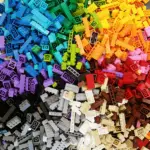
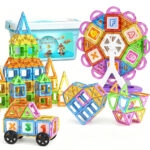
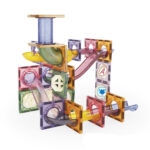
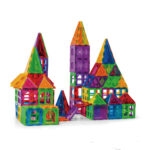
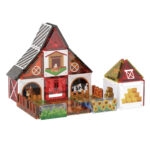
For toy wholesalers, importers, distributors, and retailers, bulk compatible building blocks offer a practical way to expand product ranges, reduce costs, and serve customers who already own major-brand systems.
The opportunity is clear: many children and families own large collections of building bricks but need more pieces, special parts, themed components, or affordable alternatives for schools, programs, and bulk play. Bulk loose building blocks meet that demand while allowing buyers to control packaging, pricing, and branding.
This guide explains what bulk compatible building blocks are, what types of loose bricks buyers can order, how compatibility is managed, what materials are used, how testing works, what MOQ to expect, and how customization, mixing, and OEM/ODM options can support your business.
What Are Bulk Compatible Building Blocks?
Bulk compatible building blocks are loose building bricks and components that are designed to work with major building block systems but are sold in larger quantities, often with simplified or customizable packaging.
Unlike small boxed sets aimed at individual consumers, bulk blocks are typically targeted at:
- Toy wholesalers and distributors
- Retail chains and discount stores
- E-commerce sellers and marketplace brands
- Educational suppliers and school programs
- Play centers, camps, and activity providers
- Private-label toy brands
- Replacement-part sellers
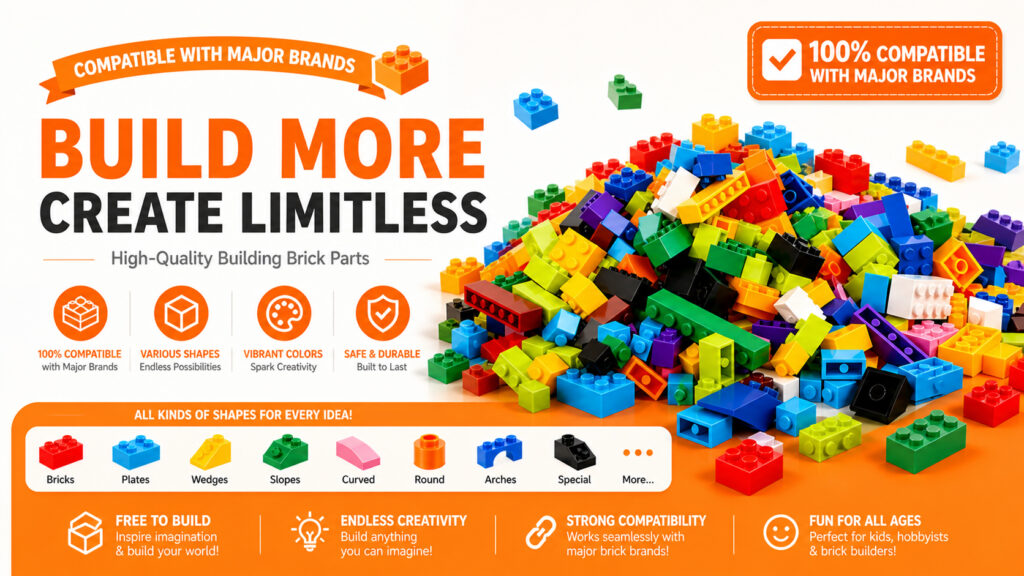
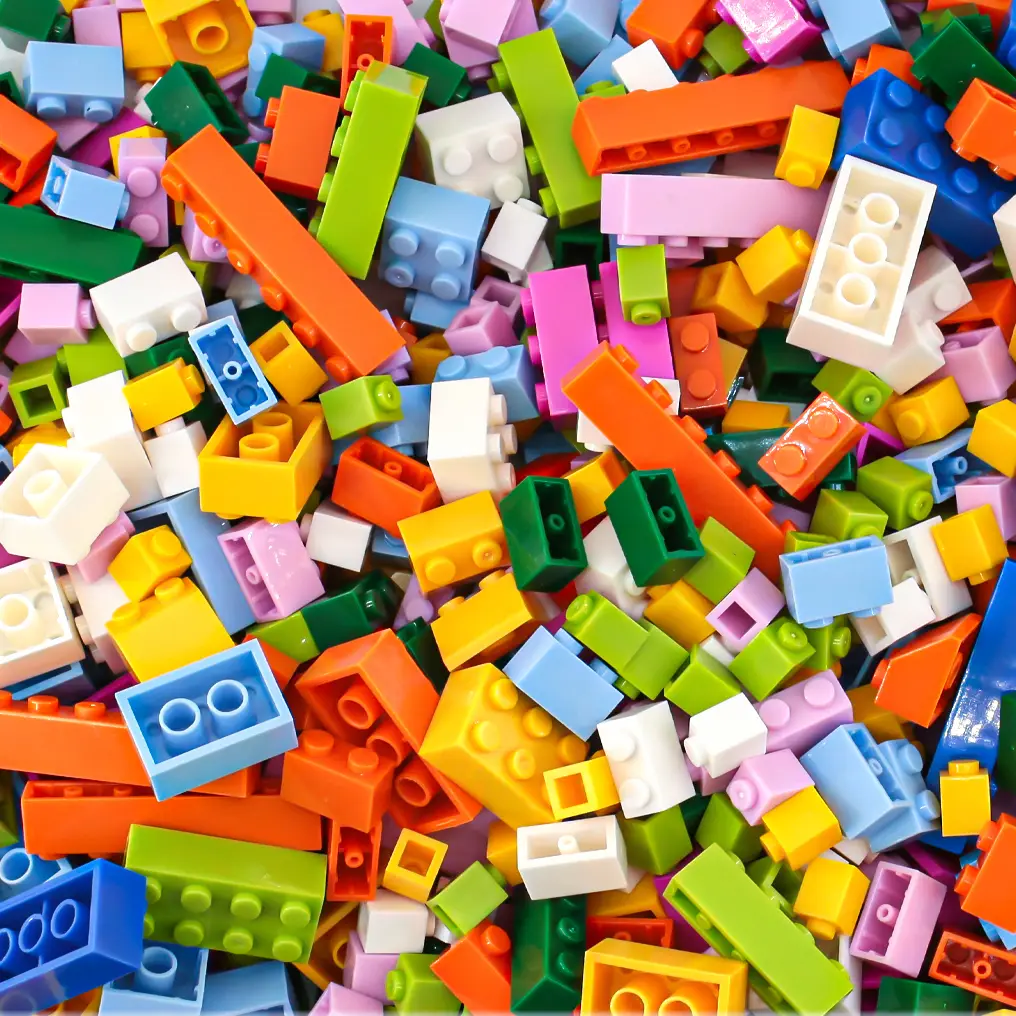
Bulk compatible blocks can include:
- Standard bricks in multiple sizes
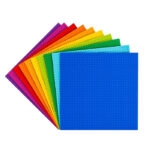
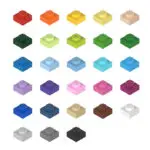
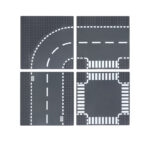
- Plates and tiles
- Slopes and curved pieces
- Windows, doors, and specialty elements
- Wheels, axles, and Technic-style components
- Themed or decorative parts
- Replacement pieces for existing sets
The main commercial advantage is flexibility. Buyers can create their own assortments, themed packs, educational kits, or value-priced bulk boxes while maintaining compatibility with popular building systems.
What Types of Loose Bricks Can Buyers Order?
A strong bulk building blocks program offers a wide variety of parts so buyers can create different product mixes.
Basic Bricks
Basic bricks are the foundation of any building block system. They typically include:
- 1×1, 1×2, 1×3, 1×4, 1×6, 1×8 bricks
- 2×2, 2×3, 2×4, 2×6, 2×8 bricks
- 3×3, 4×4, and other larger formats
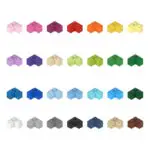
- Basic colors such as red, blue, yellow, green, white, black, and grey
These parts are essential for general construction, classrooms, and bulk play.
Plates
Plates are thinner than bricks and are used for:
- Base layers
- Smooth surfaces
- Detailed models
- Vehicle bodies
- Architectural elements
Common plate sizes include 1×2, 1×4, 1×6, 2×2, 2×4, 4×4, 4×6, 6×8, and larger base plates.
Slopes
Slopes add angles and shapes to builds. Typical slope types include:
- 30° and 45° slopes
- Inverted slopes
- Curved slopes
- Roof elements
- Wedge pieces
Slopes are important for houses, vehicles, castles, and advanced models.
Tiles
Tiles are smooth, studless pieces used for:
- Roads
- Floors
- Decorative surfaces
- Vehicle tops
- Clean finishes on models
Tiles improve the look and feel of finished builds and are popular in city, road, and architectural sets.
Wheels
Wheels are critical for vehicle builds. Buyers can order:
- Small, medium, and large wheels
- Tires with rims
- Specialty wheels for trucks, cars, and construction vehicles
- Colored rims and tire combinations
Wheels are often high-demand parts in bulk assortments.
Windows
Windows add detail to buildings and structures. Common types include:
- Standard rectangular windows
- Arched windows
- Bay windows
- Window frames with or without glass elements
Windows are popular in city, castle, and house-themed builds.
Doors
Doors complement windows and create playable structures. Options include:
- Standard doors
- Arched doors
- Double doors
- Garage doors
- Castle-style doors
Doors and windows together create strong visual appeal for building sets.
Specialty Parts
Specialty parts differentiate a bulk assortment. These may include:
- Trees and plants
- Fences and gates
- Signs and traffic elements
- Minifigure accessories
- Animals and figures
- Decorative prints and patterns
- Hinges, clips, and connectors
Specialty parts support themed sets, educational kits, and creative play.
Technic-Style Components
For advanced builders, Technic-style components add engineering play. These include:
- Beams with holes
- Pins and connectors
- Axles and gears
- Liftarms and bushings
- Steering and suspension elements
Technic-style parts are popular for older children, STEM programs, and advanced model builders.
Are They Compatible With Major Building Block Brands?
Compatibility is the most important question for buyers of bulk compatible building blocks.
Compatible building blocks are designed to connect securely with major-brand systems so that children can mix pieces without frustration. This does not mean copying protected designs or trademarks. It means engineering parts to match widely used connection standards while respecting intellectual property.
Key compatibility aspects include:
- Stud and tube dimensions that match common systems
- Clutch power that allows firm connection but easy separation
- Consistent tolerances across colors and production batches
- Interoperability with bricks, plates, tiles, and specialty elements from other brands
Many families already own large collections of building bricks. Compatible bulk blocks allow them to expand their collection affordably, replace lost pieces, or access parts that may be difficult to find.
For wholesalers and retailers, compatibility creates a strong selling point. Customers can buy bulk bricks with confidence that they will work with the systems they already own.
What Materials Are Used?
Quality materials are essential for safe, durable, and consistent building blocks.
Most compatible building bricks are made from:
- ABS plastic – widely used for its strength, clarity, color consistency, and impact resistance
- High-quality color masterbatch – for consistent and vibrant colors
- Food-contact-safe pigments where required by applicable regulations
ABS is preferred because it:
- Resists cracking under normal play
- Maintains shape and dimensions over time
- Supports precise molding for reliable connection
- Allows consistent color matching across batches
- Can be recycled in appropriate facilities
Buyers should ask suppliers about:
- Plastic material specifications
- Color consistency controls
- Batch-to-batch quality checks
- Any recycled-material content and its impact on quality
- Compliance with applicable toy safety and material regulations in the target market
For children’s products, material safety and durability are non-negotiable. A low material cost is not a good saving if it leads to brittle bricks, poor connection, or safety concerns.
How Is Compatibility Tested?
Compatibility is not only a design goal. It must be verified through testing and quality control.
A responsible supplier should be able to explain how compatibility is checked, including:
- Dimensional checks – verifying stud, tube, and wall thickness against reference standards
- Clutch-power testing – ensuring bricks connect firmly but can be separated by children
- Interoperability testing – connecting sample bricks with major-brand pieces to confirm fit
- Batch sampling – testing random samples from production to ensure consistency
- Color and finish inspection – checking for scratches, sink marks, and color variation
- Drop and stress tests – simulating normal play and handling
For toy products, safety testing is also important. Depending on the destination market, buyers may need to consider:
- Mechanical and physical testing
- Small-parts assessment
- Chemical and heavy-metal testing
- Flammability testing where applicable
- Age grading and warning labels
In the United States, toys intended primarily for children aged 12 and under generally require third-party testing and certification. In the European Union, toys must meet applicable safety requirements before being placed on the market.developers.google+1
Buyers should confirm which tests are required for their market and ensure that their supplier can support the necessary documentation.
What MOQ Can Buyers Expect?
MOQ, or minimum order quantity, is a key factor for bulk building blocks.
MOQ can vary depending on:
- Whether you choose stock colors or custom colors
- Whether you select standard assortments or custom mixes
- Whether you use standard packaging or custom boxes
- Whether you order by weight, by piece count, or by themed assortment
Typical scenarios include:
| Order Type | Typical MOQ Situation | Buyer Consideration |
|---|---|---|
| Stock colors, standard assortment | Lower MOQ | Good for testing the market or starting small |
| Custom color mix | Higher MOQ | Requires color approval and production planning |
| Custom packaging | Higher MOQ due to printing | Suitable for private-label or retail programs |
| Themed bulk packs | Moderate to high MOQ | Depends on specialty parts and accessories |
| Replacement parts program | Can be flexible | Often based on weight or piece-count tiers |
A lower MOQ can help new brands and small retailers start with less inventory risk. A higher MOQ may offer better unit pricing and more customization options.
The best approach is to request tiered pricing, such as 50 kg, 100 kg, 500 kg, or 1,000 kg, or piece-count-based options, so you can see how volume affects cost.
Can Colors Be Customized?
Yes. Color customization is one of the main advantages of bulk compatible building blocks.
Buyers can often:
- Choose from a standard color palette
- Request custom color matching for specific shades
- Create brand-specific color mixes
- Develop themed color assortments (for example, city, castle, space, or nature themes)
- Specify color ratios for different brick types
Color consistency is important. A good supplier should:
- Use high-quality masterbatch
- Control color matching across batches
- Provide color samples or swatches for approval
- Maintain records of approved colors for repeat orders
For private-label brands, a consistent color identity can strengthen brand recognition. For educational buyers, color coding can support sorting, counting, and learning activities.
Can Packaging Be Customized?
Packaging customization is another key benefit of bulk building blocks.
Options may include:
- Plain bulk bags with simple labels
- Branded resealable bags
- Color boxes with custom artwork
- Bucket or tub packaging
- Display boxes for retail shelves
- Custom inserts or dividers
- Instruction booklets or idea cards
- Barcode labels and SKU stickers
- Warning labels and age grading
- Country-of-origin and importer information
Packaging affects:
- Shelf presence in retail stores
- Online listing quality
- Perceived value
- Warehouse storage and handling
- Freight cost per unit
A well-designed package can turn a basic bulk brick assortment into a branded product with higher retail value.
For e-commerce sellers, packaging should also consider:
- Drop-test performance
- Protection during fulfillment
- Size and weight for shipping cost
- Unboxing experience
- Easy storage for customers
Can You Mix Different Parts?
Yes. Mixing different parts is one of the most powerful features of bulk compatible building blocks.
Buyers can create assortments such as:
- Basic bulk bricks – mostly standard bricks and plates
- Builder assortments – bricks, plates, slopes, tiles, and windows
- Vehicle packs – wheels, axles, beams, bricks, and specialty parts
- City and road packs – tiles, road pieces, signs, windows, doors
- Castle and fantasy packs – slopes, arches, windows, doors, decorative elements
- Educational STEM packs – beams, gears, pins, axles, and Technic-style components
- Replacement-part kits – focused on high-loss or high-demand pieces
Mixing allows buyers to:
- Serve different customer segments
- Create themed products
- Optimize cost per kilogram or per piece
- Offer entry-level and premium bulk options
- Support schools and programs with tailored kits
A good supplier should be able to provide a parts list, piece ratios, and sample assortments so buyers can design the right mix for their market.
Can Buyers Order Replacement Parts?
Yes. Replacement parts are an important application for bulk compatible building blocks.
Many families lose pieces, need extra wheels or windows, or want specific elements to complete a model. Schools and programs may need replacement bricks after heavy use.
Replacement-part programs can include:
- High-demand standard bricks (1×2, 2×4, plates, tiles)
- Wheels and tires
- Windows and doors
- Specialty elements that are frequently lost
- Technic-style beams, pins, and connectors
- Themed parts for popular builds
Buyers can offer replacement parts as:
- Individual SKUs by part number or description
- Weight-based assortments (for example, “1 kg of 1×2 bricks”)
- Themed replacement kits
- “Pick-and-mix” programs where customers choose parts
For online sellers, a clear parts list, photos, and compatibility notes can reduce customer questions and returns.
OEM / ODM Options
OEM and ODM support allows buyers to create differentiated bulk building block products.
OEM options may include:
- Custom color mixes
- Custom assortments by part type
- Branded packaging
- Custom labels and barcodes
- Instruction booklets with your branding
- Themed bulk packs (city, space, castle, vehicles, etc.)
- Replacement-part programs under your brand
ODM options may include:
- Developing new specialty parts
- Creating unique themed elements
- Designing custom bulk assortments for your market
- Developing educational or STEM-focused kits
- Creating exclusive product lines for your brand
For larger projects, buyers can work with suppliers to:
- Define target customers and price points
- Select parts and color ratios
- Design packaging and instructions
- Plan testing and compliance documentation
- Arrange production and shipment
OEM and ODM do not always require new molds. Many buyers start with existing parts and create differentiation through assortment, color, packaging, and branding.
Why Bulk Compatible Building Blocks Make Commercial Sense
For toy wholesalers and retailers, bulk compatible building blocks offer several advantages:
- Lower unit cost compared to small boxed sets
- Flexible packaging for different channels and price points
- High perceived value for customers who want more pieces
- Compatibility appeal for families who already own major-brand systems
- Repeat purchase potential as children expand their collections
- Educational applications for schools, camps, and programs
- Private-label opportunities to build your own brand
Bulk bricks also allow buyers to respond quickly to market demand. If a certain theme or part type becomes popular, you can adjust assortments without waiting for new boxed-set development.
How to Start Sourcing Bulk Building Blocks
If you are new to bulk compatible building blocks, follow these steps:
- Define your target customer – retailer, e-commerce, school, or program.
- Choose your product position – value bulk, premium assortment, themed pack, or replacement parts.
- Select parts and color mix – basic bricks, plates, slopes, tiles, wheels, windows, doors, specialty parts, Technic-style components.
- Decide on packaging – bulk bag, branded bag, color box, bucket, or display.
- Confirm MOQ and pricing tiers – by weight, piece count, or assortment.
- Request samples – to check quality, color, connection, and packaging.
- Review compliance needs – safety testing, labeling, age grading for your market.
- Plan your first order – quantity, packaging, shipping method, and timeline.
A reliable supplier should support you with parts lists, sample assortments, packaging options, and export coordination.
Request Bulk Building Blocks Catalog
Bulk compatible building blocks are a practical, flexible, and commercially strong category for toy wholesalers, importers, distributors, retailers, and private-label brands.
At Lione Toys, we support buyers with:
- Bulk compatible building blocks in various assortments
- Loose building blocks by weight or piece count
- Basic bricks, plates, slopes, tiles, wheels, windows, doors, and specialty parts
- Technic-style components for advanced builders
- Custom color mixes and themed assortments
- Custom packaging, labeling, and branding
- Replacement-part programs
- OEM and ODM development support
Request our bulk building blocks catalog and discuss your target product, quantity, packaging, and destination market.
Visit www.lionetoys.com to start your bulk compatible building blocks project.