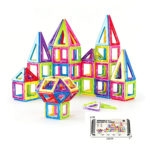
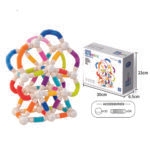
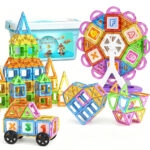
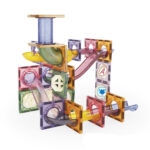
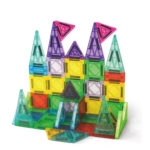
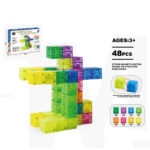
Loose building blocks are not just “extra pieces from a set.” For toy wholesalers, importers, distributors, and retailers, they represent a flexible, cost-efficient way to build product ranges, serve replacement-part demand, and support schools, programs, and bulk-play customers.
You do not always need to purchase complete building block sets. In many cases, sourcing loose bricks, bulk brick parts, and custom assortments makes more commercial sense.
This guide explains what loose building blocks are, how they differ from boxed sets, what types of parts buyers can order, and how you can move from selling only complete sets to offering a full building block parts supply chain.
What Are Loose Building Blocks?
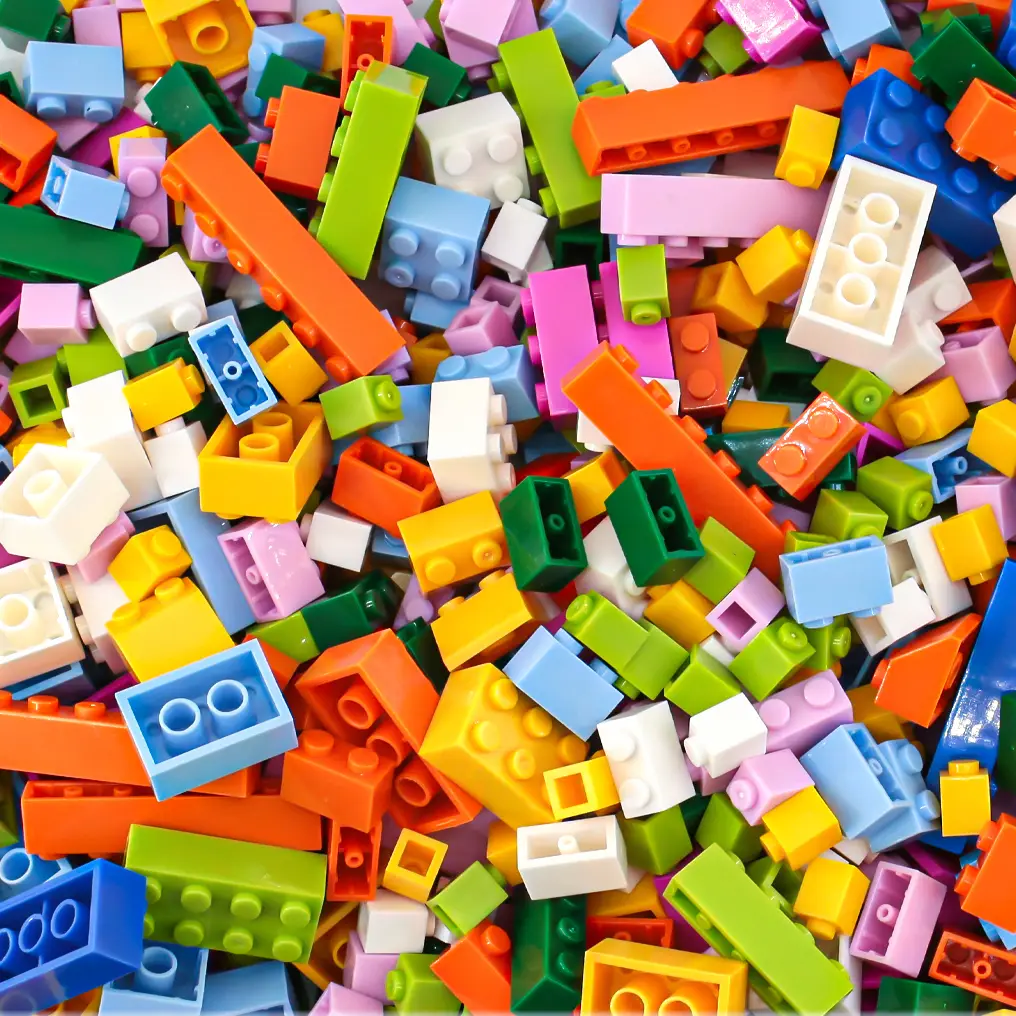
Loose building blocks are individual building bricks and components sold separately from complete boxed sets. They are typically offered:
- By weight (for example, per kilogram or per pound)
- By piece count (for example, per 100 or per 1,000 pieces)
- By part type (for example, 1×2 bricks, 2×4 plates, wheels, windows)
- As mixed assortments (for example, “builder mix,” “city mix,” “vehicle mix”)
- As replacement parts for specific models or themes
Loose bricks can be:
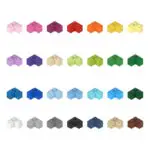
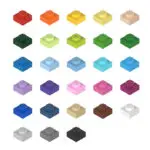
- Standard bricks in basic colors
- Plates, tiles, slopes, and specialty elements
- Wheels, axles, windows, doors, and Technic-style components
- Themed or decorative parts
- Compatible parts designed to work with major building block systems
For toy businesses, loose building blocks open up new product formats beyond traditional boxed sets.
Why You Don’t Always Need Complete Sets
Complete building block sets are important for gift buying, themed play, and retail display. However, they are not the only way to serve your customers.
Sourcing loose building blocks can be more practical when you need to:
- Offer value-priced bulk bricks for everyday play
- Provide replacement parts for lost or damaged pieces
- Create custom assortments for schools, camps, or programs
- Build themed packs without developing new molds
- Support advanced builders who need specific components
- Reduce packaging cost and freight volume
- Launch a private-label bulk line with your own branding
By adding loose bricks to your portfolio, you shift from “we sell building block sets” to “we provide a complete building block parts supply chain.”
From Individual Parts to Complete Sets: A Product Ladder
A smart building block strategy uses a product ladder that starts with individual parts and moves up to complete sets.
1. Individual Parts
At the base of the ladder are individual parts.
Examples:
- 1×2 bricks in red
- 2×4 plates in grey
- 4×4 tiles in white
- Small wheels with tires
- Standard windows and doors
- Technic beams and pins
Individual parts are useful for:
- Replacement-part programs
- Online “pick-and-mix” stores
- Customers completing specific models
- Schools needing particular pieces for projects
For e-commerce sellers, a clear parts list with photos and compatibility notes can reduce customer questions and returns.
2. Mixed Bulk Bricks
The next level is mixed bulk bricks.
These are assortments that combine many part types and colors, such as:
- “Basic builder mix” – mostly standard bricks and plates
- “Advanced builder mix” – bricks, plates, slopes, tiles, and specialty parts
- “Vehicle mix” – wheels, axles, beams, bricks, and vehicle elements
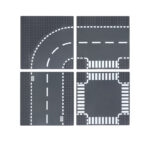
- “City mix” – tiles, road pieces, windows, doors, signs
- “Castle mix” – slopes, arches, windows, doors, decorative elements
Mixed bulk bricks are ideal for:
- Value-priced bulk bags and buckets
- Play centers and activity providers
- Birthday-party favors and event giveaways
- Classroom construction corners
- Customers who want “more pieces for less money”
Bulk mixes create strong perceived value and encourage repeat purchases.
3. Specific Components
The third level is specific components.
Instead of random mixes, buyers can order focused assortments, such as:
- “Wheels and tires pack”
- “Windows and doors pack”
- “Plates and tiles pack”
- “Slopes and roof elements pack”
- “Technic beams and connectors pack”
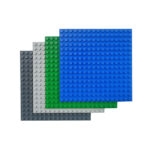
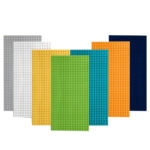
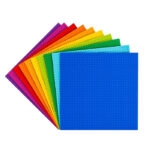
- “Base plates and large bricks pack”
Specific components serve:
- Advanced builders working on large projects
- STEM and engineering programs
- Model builders who need particular elements
- Customers expanding existing collections
These packs can be sold as themed add-ons or as specialized products for niche audiences.
4. Custom Assortments
The fourth level is custom assortments.
Here, buyers work with the supplier to create tailored mixes, such as:
- A school STEM kit with beams, gears, pins, and axles
- A city-building pack with roads, signs, windows, and doors
- A castle-building kit with slopes, arches, and decorative elements
- A vehicle-building set with wheels, chassis bricks, and specialty parts
- A branded bulk bag with your logo, color mix, and part ratios
Custom assortments allow you to:
- Differentiate your product from standard bulk bricks
- Align parts with your target customers’ needs
- Create private-label educational or themed kits
- Control price points and packaging formats
This is where loose building blocks become a strategic product, not just a commodity.
5. Complete Sets
At the top of the ladder are complete building block sets.
These are boxed, themed products with instructions, such as:
- City vehicles and buildings
- Castles and fantasy sets
- Space stations and rockets
- Dinosaurs and animal sets
- Educational STEM construction kits
Complete sets are important for:
- Gift buying
- Retail shelf presence
- Online marketplace listings
- Themed play and storytelling
- Higher price points and margins
Loose bricks and complete sets are not competitors. They complement each other. A customer may start with a bulk bag, then buy a themed set, then add specific component packs, and later order replacement parts.
Types of Building Block Parts You Can Source
To build a full building block parts supply chain, you need to understand the main part categories.
Basic Bricks
Basic bricks are the core of any system. They include:
- 1×1, 1×2, 1×3, 1×4, 1×6, 1×8 bricks
- 2×2, 2×3, 2×4, 2×6, 2×8 bricks
- Larger formats such as 3×3, 4×4
These are high-demand parts for bulk assortments and replacement programs.
Plates
Plates are thinner than bricks and used for:
- Base layers
- Smooth surfaces
- Detailed models
- Vehicle bodies
Common sizes include 1×2, 1×4, 2×2, 2×4, 4×4, 4×6, 6×8, and base plates.
Slopes
Slopes add angles and shapes:
- 30° and 45° slopes
- Inverted and curved slopes
- Roof and wedge pieces
Slopes are essential for houses, vehicles, and advanced models.
Tiles
Tiles are studless, smooth pieces used for:
- Roads and floors
- Decorative surfaces
- Clean finishes on models
Tiles improve the look and feel of finished builds.
Wheels and Tires
Wheels are critical for vehicle builds:
- Small, medium, and large wheels
- Tires with rims
- Specialty wheels for trucks and construction vehicles
Wheels are often high-demand parts in bulk and replacement assortments.
Windows and Doors
Windows and doors create playable structures:
- Standard and arched windows
- Bay windows and window frames
- Standard, arched, double, and garage doors
These parts are popular in city, castle, and house-themed builds.
Specialty Parts
Specialty parts add detail and play value:
- Trees, plants, and fences
- Signs, traffic elements, and accessories
- Minifigure accessories and animals
- Decorative prints and patterns
- Hinges, clips, and connectors
Specialty parts support themed sets and creative play.
Technic-Style Components
For advanced builders, Technic-style components include:
- Beams with holes
- Pins and connectors
- Axles and gears
- Liftarms and bushings
- Steering and suspension elements
These parts are popular for STEM programs and older children.
Materials and Quality Considerations
Loose building blocks must meet the same quality standards as complete sets.
Most compatible building bricks are made from:
- ABS plastic – for strength, impact resistance, and color consistency
- High-quality color masterbatch – for vibrant, consistent colors
- Safe pigments compliant with applicable regulations
Key quality factors include:
- Precise molding for reliable connection
- Consistent dimensions across batches
- Smooth edges and surfaces
- Durable clutch power (connection strength)
- Resistance to cracking under normal play
For children’s products, safety testing may be required depending on the destination market. In the United States, toys intended primarily for children aged 12 and under generally require third-party testing and certification. In the European Union, toys must meet applicable safety requirements before being placed on the market.developers.google+1
Buyers should confirm material specifications, testing requirements, and labeling obligations with their supplier and compliance partners.
Packaging Options for Loose Bricks
Loose building blocks can be packaged in various ways to suit different channels.
Common options include:
- Plain bulk bags – simple, cost-effective for weight-based sales
- Branded resealable bags – for private-label bulk lines
- Color boxes – for retail and e-commerce presentation
- Buckets or tubs – for storage and play value
- Display boxes – for shelf presence in stores
- Custom inserts or dividers – for organized assortments
- Instruction or idea cards – to inspire builds
Packaging affects:
- Perceived value
- Freight cost per unit
- Warehouse storage
- Online listing quality
- Customer unboxing experience
A well-designed package can turn basic loose bricks into a branded product with higher retail value.
How to Position Loose Building Blocks in Your Business
To move from “we sell sets” to “we provide a full parts supply chain,” consider these positioning strategies:
For Wholesalers and Distributors
- Offer bulk bags and buckets to retailers
- Provide replacement-part programs
- Create themed bulk assortments for different seasons
- Support schools and programs with custom kits
For Retailers
- Create a “pick-and-mix” wall or bin in-store
- Offer loose bricks by weight or piece count
- Sell component packs (wheels, windows, plates, etc.)
- Use bulk bricks as add-on items at checkout
For E-commerce Sellers
- List individual parts with clear photos and descriptions
- Offer mixed bulk bags at different price points
- Create themed component packs
- Provide replacement-part search by part type
For Private-Label Brands
- Develop branded bulk bags with your logo
- Create custom color mixes and assortments
- Launch educational or STEM-focused kits
- Build a complete range from parts to sets
Why Loose Building Blocks Are a Strategic Category
Loose building blocks are not just a low-cost alternative. They are a strategic category that:
- Expands your product range
- Serves replacement-part demand
- Supports educational and bulk-play customers
- Enables custom assortments and private labeling
- Creates repeat purchase opportunities
- Reduces dependency on only boxed sets
By adding loose bricks, bulk brick parts, and custom assortments, you can serve more customer segments and build a more resilient toy business.
Request Bulk Brick Parts Catalog
At Lione Toys, we support toy wholesalers, importers, distributors, retailers, and private-label brands with:
- Loose building blocks by weight or piece count
- Bulk brick parts in various categories
- Individual parts, mixed bulk bricks, and specific components
- Custom assortments for schools, programs, and themed products
- Replacement-part programs
- Complete building block sets
Request our loose building blocks and bulk brick parts catalog to discuss your target product, quantity, packaging, and destination market.
Visit www.lionetoys.com to start your building block parts supply chain.